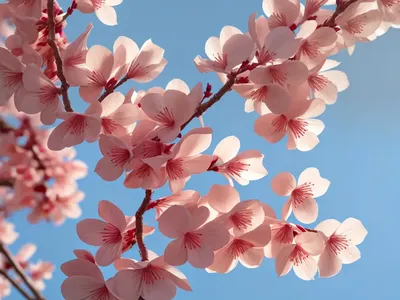
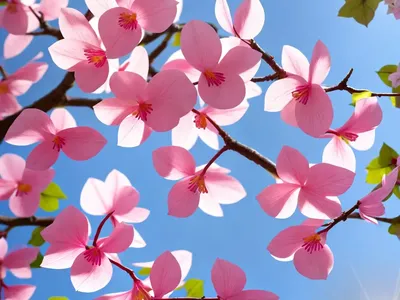
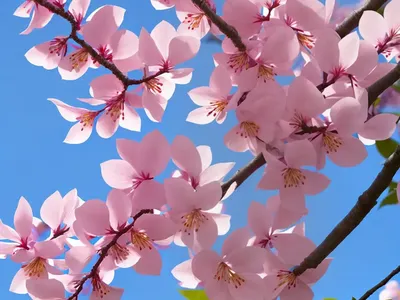
Cercis Canadensis F. Alba (White Eastern Redbud)
Cercis canadensis f. alba, commonly known as the White Eastern Redbud, is a stunning and unique variety of the Eastern Redbud tree. With its white blossoms.
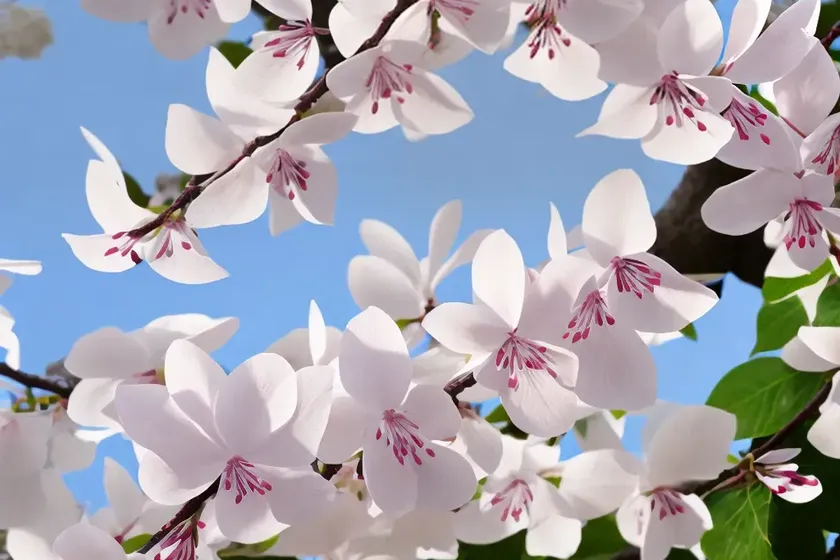
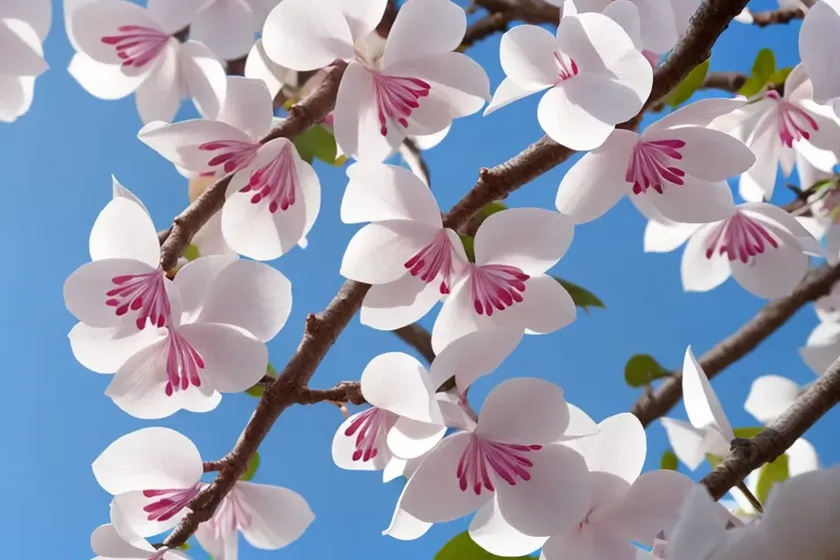
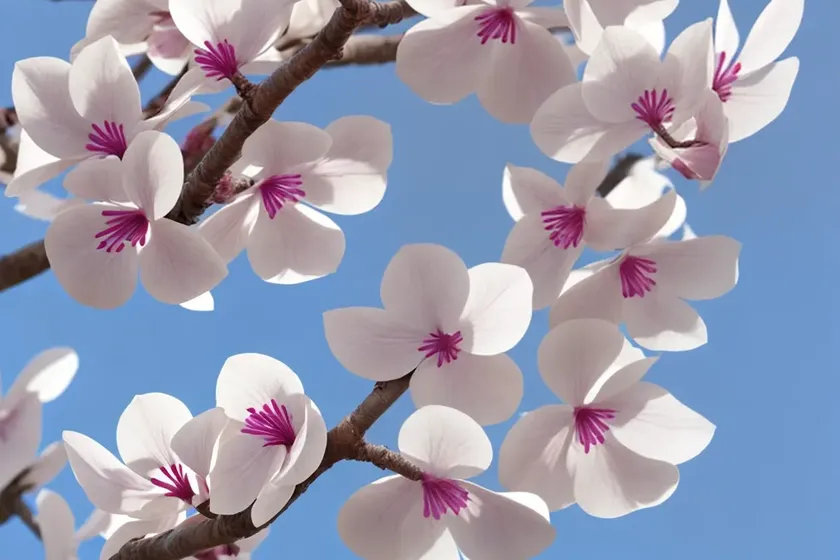
Cercis canadensis f. alba, commonly known as the White Eastern Redbud, is a stunning and unique variety of the Eastern Redbud tree. With its white blossoms and vibrant foliage, this cultivar adds a touch of elegance to any garden or landscape. In this comprehensive guide, we will explore the cultural significance, uses, care requirements, and interesting aspects of the Cercis canadensis f. alba.
What is Cercis canadensis f. alba?
Cercis canadensis f. alba, a cultivar of the Cercis canadensis or Eastern Redbud, is a deciduous tree native to eastern North America. It belongs to the Fabaceae family and is renowned for its captivating display of white flowers and heart-shaped leaves. The White Eastern Redbud typically reaches a height of 20 to 30 feet and has a spread of 25 to 35 feet when fully mature. Its distinctive white blossoms emerge in early spring, creating a breathtaking spectacle and attracting pollinators such as bees and butterflies.
Key Takeaways – Cercis canadensis f. alba (White Eastern Redbud)
Before delving into the specifics of the White Eastern Redbud, let’s take a quick look at the key takeaways related to this unique cultivar:
- Botanical Name: Cercis canadensis f. alba
- Common Name: White Eastern Redbud
- Family: Fabaceae
- Native: Eastern North America
Now that we have an overview of the White Eastern Redbud, let’s explore its culture, uses, and specific care requirements in detail.
Culture
Uses
The Cercis canadensis f. alba has several uses in landscaping and horticulture. Some of its common uses include:
- Ornamental Tree: The stunning white blossoms and vibrant foliage make it an ideal choice for ornamental purposes in gardens, parks, and residential landscapes.
- Shade Tree: When fully mature, the wide-spreading canopy of the White Eastern Redbud provides excellent shade, making it a popular choice for outdoor seating areas and walkways.
Water
Proper watering is crucial for the healthy growth and development of the White Eastern Redbud. Here are some key points to consider regarding watering:
- Young Trees: Newly planted or young trees should be watered regularly to establish a strong root system. Water deeply at least once a week, especially during dry periods.
- Mature Trees: Once established, the White Eastern Redbud is moderately drought-tolerant. However, it is essential to provide supplemental watering during prolonged dry spells, particularly in the summer months.
Sunlight
The White Eastern Redbud thrives in well-drained soil and requires a location with adequate sunlight for optimal growth. Here are important considerations related to sunlight exposure:
- Full Sun: Ideally, the tree should be positioned in a location that receives full sun to partial shade, ensuring that it receives at least 6 hours of direct sunlight daily.
- Shade Tolerance: While it prefers full sun, the White Eastern Redbud can tolerate partial shade, especially in hot climates or during the intense afternoon sun.
Fertilizer
Proper fertilization promotes healthy growth and enhances the overall vigor of the White Eastern Redbud. Consider the following fertilizer guidelines:
- Fertilizer Type: A balanced, slow-release fertilizer with a nutrient ratio of 10-10-10 or similar is suitable for the White Eastern Redbud.
- Fertilization Schedule: Apply fertilizer in early spring before the new growth emerges. Avoid excessive fertilization, as it can lead to an imbalance in nutrient uptake.
Soil
The soil composition and quality play a crucial role in the well-being of the White Eastern Redbud. Here are some key considerations regarding soil:
- Well-Drained Soil: The tree prefers well-drained, slightly acidic to neutral soil. Good drainage is essential to prevent waterlogged conditions, which can lead to root rot.
- Soil Amendments: Incorporating organic matter such as compost or aged manure into the soil during planting or as a top dressing can improve soil structure and fertility.
Pruning
Pruning is an essential aspect of maintaining the health, shape, and aesthetic appeal of the White Eastern Redbud. Consider the following pruning guidelines:
- Timing: Prune the tree during the dormant season, preferably in late winter or early spring before the onset of new growth.
- Pruning Goals: Remove any dead, diseased, or crossing branches. Additionally, light pruning can be performed to maintain a balanced canopy and promote optimal air circulation.
Propagation
Propagation of the White Eastern Redbud can be achieved through various methods, including seed propagation and vegetative propagation. Here’s an overview of propagation techniques:
- Seed Propagation: Collect mature seeds from the tree in late summer or early fall. Scarify the seeds and sow them in a well-draining growing medium. Provide bottom heat and consistent moisture for successful germination.
- Hardwood Cuttings: Take hardwood cuttings in late winter or early spring. Dip the cut ends in rooting hormone and place them in a suitable growing medium. With proper care, the cuttings will develop roots and can be transplanted once established.
Container Popularity
The White Eastern Redbud is increasingly popular as a container plant, particularly for urban and small-space gardens. Its elegant white blossoms and manageable size make it well-suited for container cultivation.
Container Care Tips
When growing the White Eastern Redbud in containers, it is essential to provide optimal care to ensure its health and vitality. Consider the following container care tips:
- Pot Size: Select a large container with adequate drainage holes to accommodate the tree’s root system and provide room for growth.
- Soil Mix: Use a well-draining potting mix with a blend of peat moss, perlite, and compost to ensure proper aeration and moisture retention.
- Watering: Container-grown trees may require more frequent watering, especially during hot and dry weather. Monitor the moisture level of the soil and water as needed to keep it consistently moist but not waterlogged.
Common Diseases
While the White Eastern Redbud is relatively resistant to pests and diseases, it is important to be aware of potential issues that may affect its health. Some common diseases that can impact the tree include:
- Anthracnose: This fungal disease can cause leaf spot, defoliation, and dieback of branches, particularly during periods of cool, wet weather.
- Verticillium Wilt: A soil-borne fungus that can infect the tree, leading to wilting, leaf yellowing, and eventual decline.
- Root Rot: Waterlogged or poorly drained soil can contribute to the development of root rot, which can negatively impact the tree’s overall health.
Disease Diagnosis
Early detection and proper diagnosis of diseases are crucial for implementing effective control measures. If you observe any signs of disease on your White Eastern Redbud, consider the following steps for diagnosis:
- Symptom Identification: Examine the tree for characteristic symptoms such as leaf spots, wilting, discoloration, or unusual growth patterns.
- Consultation: If unsure about the nature of the disease, seek professional consultation from a certified arborist or plant health specialist for accurate diagnosis and treatment recommendations.
Common Pests
While the White Eastern Redbud is generally resistant to major pest infestations, it may occasionally face challenges from certain pests, including:
- Aphids: These small, sap-sucking insects can congregate on the undersides of leaves, leading to stunted growth and the presence of sticky honeydew.
- Caterpillars: Certain caterpillar species may feed on the foliage, causing defoliation and aesthetic damage to the tree.
- Japanese Beetles: These voracious feeders can skeletonize the leaves of the White Eastern Redbud if present in high numbers.
Botanist’s Tips
As a botanist, there are several key tips to consider for the successful cultivation and appreciation of the White Eastern Redbud. Here are some expert recommendations:
- Site Selection: Choose a well-drained location with ample sunlight to ensure the tree’s vigor and floral abundance.
- Mulching: Apply a layer of organic mulch around the base of the tree to conserve moisture, suppress weeds, and regulate soil temperature.
- Regular Inspection: Routinely inspect the tree for any signs of pests, diseases, or nutrient deficiencies. Prompt intervention can prevent potential problems from escalating.
Fun Facts
As we delve deeper into the world of the White Eastern Redbud, let’s explore some fascinating and lesser-known facts about this unique cultivar:
- Symbolism: In some cultures, the Eastern Redbud symbolizes love, compassion, and the arrival of spring, adding a touch of sentiment to its visual allure.
- Wildlife Support: The White Eastern Redbud’s blossoms serve as an important early-season nectar source for bees and other pollinators, contributing to ecosystem biodiversity.
- Historical Significance: Native American tribes historically used various parts of the Eastern Redbud for medicinal and culinary purposes, highlighting its cultural and traditional importance.
Links to External Resources
For further exploration and in-depth information about the White Eastern Redbud, consider the following external resources:
- The Morton Arboretum – Cercis canadensis f. alba
- University of Florida – Eastern Redbud Fact Sheet
- Missouri Botanical Garden – Cercis canadensis
In conclusion, the White Eastern Redbud (Cercis canadensis f. alba) stands as a remarkable specimen, captivating the hearts of garden enthusiasts and nature lovers alike with its ethereal white blossoms and graceful presence. By understanding and embracing its cultural significance, care requirements, and intrinsic beauty, we can truly appreciate the allure of this stunning cultivar. Whether adorning a garden, urban landscape, or natural habitat, the White Eastern Redbud remains a symbol of elegance and resilience, standing the test of time as a beloved icon of the plant world.