Centaurea Montana (Mountain Cornflower)
Centaurea Montana, commonly known as the Mountain Cornflower, is a beautiful perennial plant that belongs to the Asteraceae family. This eye-catching plant.

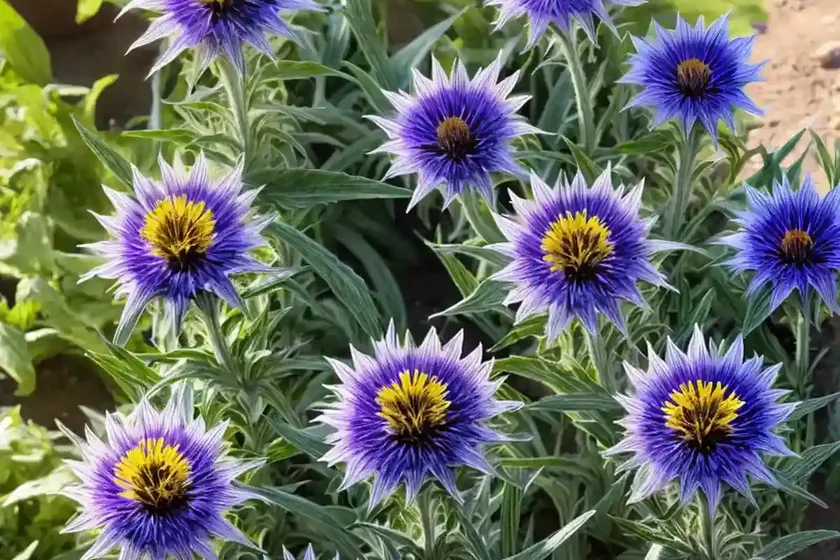
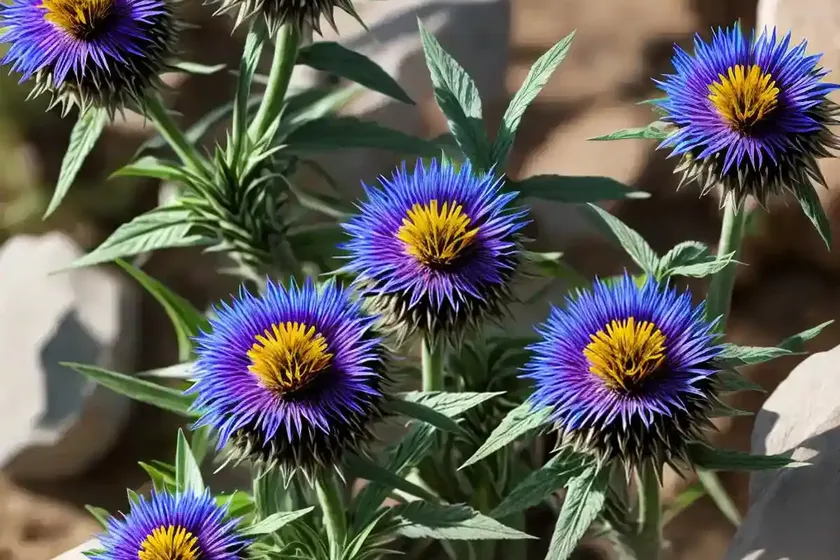
Centaurea Montana, commonly known as the Mountain Cornflower, is a beautiful perennial plant that belongs to the Asteraceae family. This eye-catching plant is native to Europe and is known for its stunning blue-violet flowers that bloom in the spring and summer, adding a splash of color to gardens and landscapes.
In this comprehensive guide, we will delve into the various aspects of cultivating and caring for Centaurea Montana, including its cultural requirements, uses, propagation, pest and disease management, and much more. Whether you are a seasoned gardener or a novice enthusiast, this guide will provide valuable insights into growing and maintaining Centaurea Montana, a delightful addition to any garden.
What is Centaurea Montana?
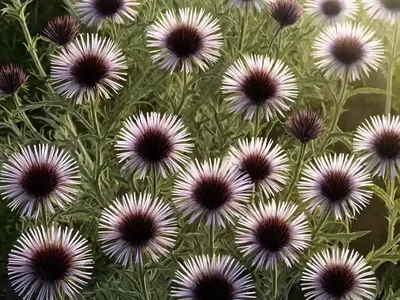
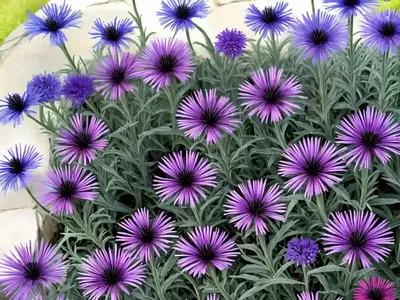
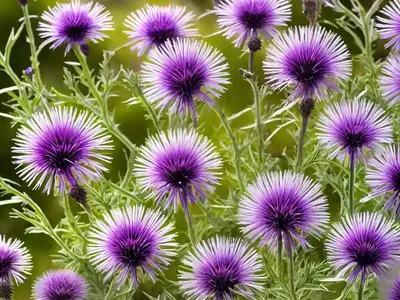
Centaurea Montana, also known as the Perennial Cornflower, is a herbaceous perennial plant that is prized for its abundant blooms and low-maintenance nature. Its attractive blue-violet flowers with delicate, spiky petals make it a popular choice for garden borders, rockeries, and naturalistic plantings.
The plant typically forms clumps of foliage and produces numerous flower stems that rise above the foliage, creating a charming display of color and texture. Centaurea Montana is known for its ability to attract pollinators, such as bees and butterflies, making it a valuable addition to wildlife gardens and pollinator-friendly landscapes.
Key Takeaways – Centaurea Montana (Mountain Cornflower)
Before we dive into the specifics of cultivating and caring for Centaurea Montana, let’s take a quick look at the key takeaways for this remarkable plant:
- Scientific Name: Centaurea Montana
- Common Name: Mountain Cornflower, Perennial Cornflower
- Plant Type: Herbaceous Perennial
- Bloom Time: Late spring to early summer
- Flower Color: Blue-violet
- Sun Exposure: Full sun to partial shade
- Watering: Moderate
- Soil Type: Well-draining, fertile soil
- Uses: Borders, rock gardens, wildlife gardens, cut flowers
- Maintenance: Low
- Hardiness Zone: 3 – 8
Now that we have a brief overview of Centaurea Montana, let’s explore the various aspects of cultivating and caring for this exquisite plant in detail.
Culture
Water
Centaurea Montana thrives in moderately moist soil, and while it is tolerant of short periods of drought, consistent watering is essential for optimal growth and blooming. During periods of prolonged dryness, it is advisable to provide supplemental water to ensure that the plant remains healthy and continues to produce an abundance of flowers.
- Watering Tips:
- Water deeply but infrequently, allowing the soil to dry out slightly between watering sessions.
- Avoid waterlogging the soil, as excessive moisture can lead to root rot and other issues.
Sunlight
When it comes to sunlight, Centaurea Montana performs best in full sun to partial shade. Adequate sunlight is crucial for promoting robust growth and prolific flowering. In regions with hot summers, providing some afternoon shade can help protect the plant from excessive heat stress.
- Sunlight Requirements:
- Full sun (6 to 8 hours of direct sunlight) is ideal for abundant flowering.
- In hotter climates, partial shade during the hottest part of the day can be beneficial.
Soil
Centaurea Montana thrives in well-draining, fertile soil that is rich in organic matter. It is adaptable to various soil types, including loamy, sandy, or clay soils, as long as they are well-draining. Amending the soil with compost or well-rotted organic matter can help improve its structure and fertility, creating an optimal growing environment for the plant.
- Soil Considerations:
- Ensure good drainage, especially in heavy clay soils, by adding organic matter.
- A slightly acidic to neutral soil pH (6.0 – 7.5) is suitable for Centaurea Montana.
Fertilizer
Centaurea Montana is a relatively low-maintenance plant when it comes to fertilization. While it can thrive in moderately fertile soil without the need for excessive feeding, providing a balanced, slow-release fertilizer in the spring can help support healthy growth and abundant flowering.
- Fertilization Tips:
- Apply a balanced, slow-release fertilizer in the spring as new growth emerges.
- Avoid over-fertilizing, as this can lead to excessive foliage growth at the expense of flowering.
Uses
Centaurea Montana is valued for its versatility and can be used in various garden settings and landscaping projects. Let’s explore some of the common uses for this appealing plant:
-
Borders: The low-growing habit and colorful blooms make Centaurea Montana an excellent choice for border plantings, where it can provide a splash of vibrant color along garden edges and pathways.
-
Rock Gardens: The compact size and charming flowers of Centaurea Montana make it well-suited for rockeries and alpine gardens, where it can thrive in the well-draining, rocky soil typical of these environments.
-
Wildlife Gardens: The nectar-rich flowers of Centaurea Montana attract pollinators, making it a valuable addition to wildlife-friendly gardens and naturalistic plantings that aim to support biodiversity.
-
Cut Flowers: The long stems and striking blooms of Centaurea Montana make it an excellent candidate for cut flower arrangements, adding a touch of natural beauty to indoor floral displays.
-
Erosion Control: The robust root system of Centaurea Montana helps stabilize the soil, making it suitable for erosion control on slopes and embankments.
Pruning
Centaurea Montana requires minimal pruning, as its natural growth habit is tidy and compact. However, periodic deadheading can help prolong the blooming period and promote the production of new flowers. Deadheading involves removing spent blooms to prevent the plant from channeling energy into seed production, thereby encouraging the development of additional flowers.
- Pruning Guidelines:
- Deadhead faded flowers regularly to encourage continuous blooming.
- Trim back any damaged or unsightly foliage to maintain the plant’s overall appearance.
Propagation
Centaurea Montana can be propagated through division or seed. Division is the most common method and is typically carried out in the early spring or fall when the plant is not in active growth. Here’s how to propagate Centaurea Montana through division:
-
Choose Healthy Plant: Select a healthy, mature Centaurea Montana plant with strong, vigorous growth.
-
Prepare the Plant: Dig around the plant, ensuring that you encompass a good portion of the root system. Gently lift the plant from the ground, being mindful to disturb the roots as little as possible.
-
Divide the Plant: Using a sharp, sterilized knife or garden spade, carefully divide the plant into sections, ensuring that each division has its own set of roots and shoots.
-
Plant the Divisions: Replant the divisions in prepared soil, water thoroughly, and provide adequate care as the new plantings become established.
In addition to division, Centaurea Montana can also be grown from seeds, which can be collected from mature flower heads. Sow the seeds in a well-prepared seedbed in the spring or fall, ensuring that they are covered with a light layer of soil and kept consistently moist until germination occurs.
Container Cultivation
Centaurea Montana can be successfully grown in containers, making it a versatile choice for gardens, patios, and urban spaces where ground planting may not be feasible. When growing Centaurea Montana in containers, consider the following tips to ensure its success:
-
Container Selection: Choose a container that provides adequate space for the plant’s root system to develop. A deep, wide pot with drainage holes is ideal for accommodating the plant’s growth.
-
Potting Mix: Use a well-draining potting mix that is specifically formulated for container plants. A mix that contains perlite, vermiculite, or coarse sand can help maintain good drainage.
-
Watering: Containers may dry out more quickly than garden soil, so it is important to monitor the moisture levels and water the plant as needed to keep the soil consistently moist, but not waterlogged.
-
Sun Exposure: Position the container in a location that receives ample sunlight, as Centaurea Montana thrives in full sun to partial shade.
-
Fertilization: Apply a balanced, slow-release fertilizer to the potting mix in the spring to support the plant’s growth and flowering.
By following these guidelines, you can successfully cultivate Centaurea Montana in containers, adding a vibrant and charming element to your outdoor living spaces.
Popularity
Centaurea Montana has gained popularity among gardeners and landscapers for its stunning flowers, ease of cultivation, and versatility in various garden settings. Its ability to attract pollinators, low-maintenance nature, and adaptability to different soil types have contributed to its growing popularity in horticultural circles.
While Centaurea Montana is generally resistant to many common plant diseases, it can be susceptible to certain issues under unfavorable growing conditions. Here are some of the common diseases that may affect Centaurea Montana and measures to prevent and manage them:
-
Powdery Mildew: Powdery mildew, characterized by a white, powdery growth on the leaves, can occur during periods of high humidity and poor air circulation. To prevent powdery mildew, ensure good air movement around the plants, avoid overhead watering, and use fungicidal treatments if necessary.
-
Cercospora Leaf Spot: Cercospora leaf spot presents as small, dark spots on the foliage, which may coalesce and cause significant damage. To manage this issue, remove and dispose of affected leaves, ensure proper spacing between plants, and promote good air circulation.
-
Root Rot: Excessive moisture and poor drainage can lead to root rot in Centaurea Montana. To prevent this, ensure well-draining soil and avoid overwatering the plant. If symptoms of root rot manifest, consider adjusting the watering regimen and improving soil drainage.
-
Botrytis Blight: This fungal disease can affect flower heads and foliage, leading to wilting, browning, and decay. Prune affected parts of the plant, dispose of the debris, and apply fungicidal treatments as necessary to prevent the spread of Botrytis blight.
By monitoring the growing conditions, providing proper care, and promptly addressing any signs of disease, you can help maintain the health and vigor of Centaurea Montana in your garden.
Disease Diagnosis
When diagnosing potential diseases affecting Centaurea Montana, it is important to carefully examine the plant for symptoms and consider the environmental conditions that may be contributing to the issue. Here are some general steps to diagnose and address potential diseases:
-
Symptom Identification: Identify any visible symptoms, such as spots on the foliage, powdery growth, wilting, or discoloration.
-
Environmental Assessment: Consider factors such as moisture levels, air circulation, and overall plant health to assess the conditions that may be conducive to disease development.
-
Cultural Practices: Review your watering, fertilization, and maintenance practices to identify any potential factors that may be contributing to the plant’s susceptibility to disease.
-
Consultation: If needed, seek advice from local horticultural experts, garden centers, or extension services to help diagnose the issue and determine appropriate management strategies.
By taking a proactive approach to disease diagnosis and promptly addressing any issues, you can help minimize the impact of diseases on the health and vitality of Centaurea Montana in your garden.
Common Pests
While Centaurea Montana is relatively resistant to pest infestations, it may occasionally encounter certain insect pests that can affect its growth and appearance. Here are some of the common pests that may target Centaurea Montana and measures to manage them effectively:
-
Aphids: These small, soft-bodied insects may cluster on the new growth of Centaurea Montana, sucking sap from the plant and causing distortion and discoloration of the foliage. Control aphids by using insecticidal soap, horticultural oil, or introducing natural predators such as ladybugs.
-
Thrips: Thrips are tiny, slender insects that can cause stippling and discoloration on the leaves of Centaurea Montana. Regular monitoring and the application of insecticidal sprays can help manage thrips infestations.
-
Slugs and Snails: These mollusks can feed on the foliage and flowers of Centaurea Montana, leaving behind ragged edges and holes. Use physical barriers, such as copper tape or diatomaceous earth, and handpick these pests to minimize damage.
By implementing proactive pest management practices and being vigilant about monitoring the plant for signs of infestation, you can help protect Centaurea Montana from the potential impact of these common pests.
Botanist’s Tips
To further enhance your success in cultivating and caring for Centaurea Montana, consider incorporating the following botanist’s tips into your gardening practices:
-
Mulching: Apply a layer of organic mulch, such as shredded bark or compost, around the base of Centaurea Montana to help conserve soil moisture, suppress weed growth, and provide insulation to the root system.
-
Companion Planting: Pair Centaurea Montana with other sun-loving perennials and annuals, such as lavender, catmint, and salvia, to create visually appealing combinations and attract a diverse array of pollinators to your garden.
-
Wildlife Gardening: Embrace the role of Centaurea Montana in supporting wildlife by creating a habitat that is welcoming to pollinators, beneficial insects, and other forms of wildlife that can contribute to a healthy and balanced garden ecosystem.
-
Seasonal Maintenance: Regularly assess the condition of Centaurea Montana throughout the growing season, addressing any cultural or pest-related issues promptly to maintain the plant’s overall health and appearance.
By integrating these botanist’s tips into your gardening endeavors, you can optimize the cultivation and care of Centaurea Montana, creating an attractive and vibrant landscape feature.
Fun Facts
To deepen your appreciation for Centaurea Montana and its fascinating attributes, here are some fun and intriguing facts about this captivating plant:
-
Historical Significance: Centaurea Montana has been cultivated in European gardens since the 17th century, and its enduring popularity speaks to its timeless allure and ornamental value.
-
Botanical Name: The genus name “Centaurea” is derived from the Greek mythology figure Chiron, a centaur known for his skill in herbal medicine. This association with healing and botanical knowledge adds a mythical dimension to the plant’s name.
-
Ecological Role: Centaurea Montana serves as an important nectar source for bees and butterflies, contributing to the overall health of pollinator populations in various habitats where the plant is grown.
-
Versatile Uses: In addition to its ornamental role, Centaurea Montana has been utilized in traditional herbal medicine for its purported medicinal properties, adding an additional layer of cultural and historical significance to the plant.
By immersing yourself in these fun facts, you can deepen your connection to Centaurea Montana and appreciate its multifaceted contributions to horticulture, ecology, and cultural heritage.
Links to External Resources
To expand your knowledge and explore additional information about Centaurea Montana and related topics, consider exploring the following external resources:
-
Royal Horticultural Society (RHS): Centaurea Montana Plant Profile
-
Missouri Botanical Garden: Growing Perennial Plants
-
University Extension Services: Local extension services often provide valuable information on plant care, pest management, and gardening practices specific to your region. Reach out to your nearest extension office for tailored guidance.
-
Garden Forums and Communities: Engage with fellow gardeners and plant enthusiasts in online forums and social media groups to exchange ideas, seek advice, and connect with others who share an interest in Centaurea Montana and gardening in general.
By leveraging these external resources, you can access a wealth of knowledge, guidance, and community support to enrich your journey in cultivating and caring for Centaurea Montana.
In conclusion, Centaurea Montana, with its enchanting blooms, adaptable nature, and wildlife-friendly attributes, stands as a valuable addition to gardens and landscapes. By understanding its cultural requirements, uses, propagation methods, pest and disease management, and leveraging botanist’s tips, you can cultivate and care for Centaurea Montana with confidence, creating a visually captivating and ecologically vital presence in your outdoor spaces. Embrace the beauty and resilience of Centaurea Montana as you embark on a rewarding journey of gardening and horticultural exploration.
References:
-
“Centaurea Montana Plant Profile,” Royal Horticultural Society, https://www.rhs.org.uk/plants/66335/i-centaurea-montana-i/details
-
“Growing Perennial Plants,” Missouri Botanical Garden, http://www.missouribotanicalgarden.org/gardens-gardening/your-garden/help-for-the-home-gardener/advice-tips-resources/gardening-help-faqs.aspx