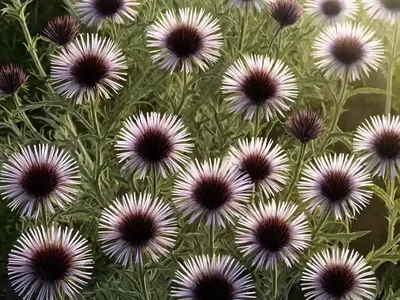
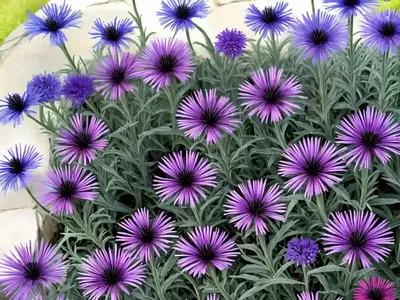
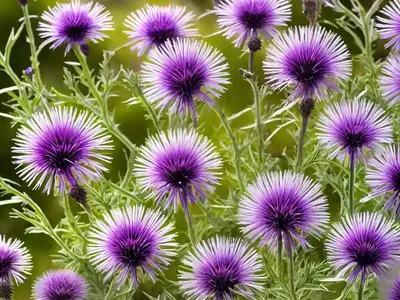
Centaurea Montana ‘Alba’ (Mountain Cornflower)
In this post, we will delve into the captivating world of Centaurea montana ‘Alba’ – an enchanting perennial plant commonly known as Mountain Cornflower..

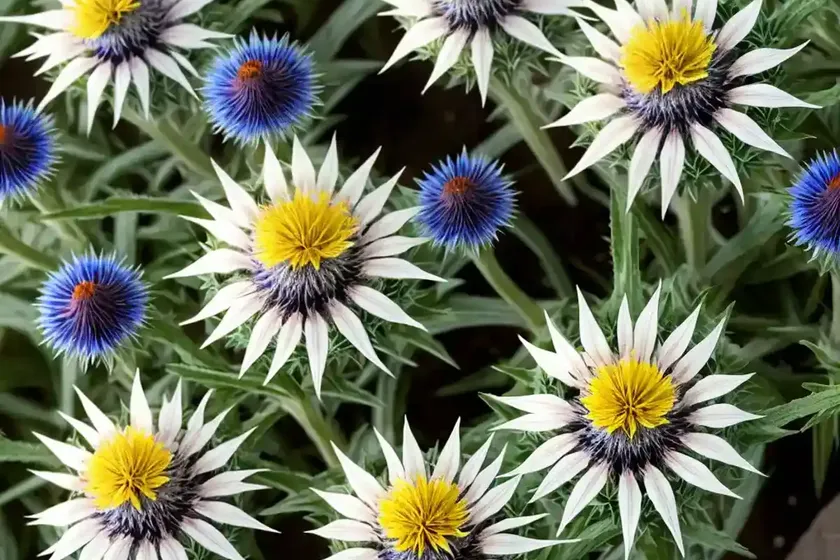
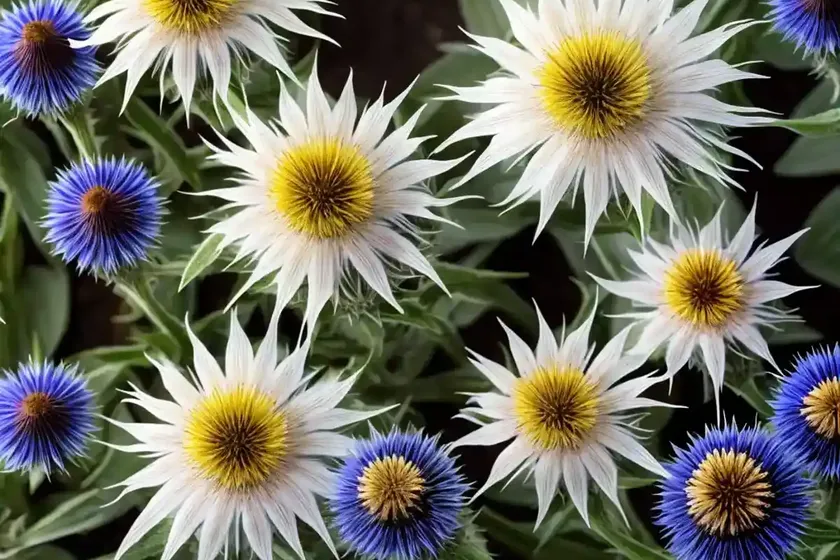
In this post, we will delve into the captivating world of Centaurea montana ‘Alba’ – an enchanting perennial plant commonly known as Mountain Cornflower. This hardy and versatile plant is a delightful addition to any garden, offering a host of benefits and aesthetic appeal. We will explore essential aspects such as its culture, uses, requirements, propagation, common diseases, and much more to equip you with the knowledge needed to cultivate and care for this beautiful plant. Let’s embark on this botanical journey together.
What is Centaurea montana ‘Alba’ (Mountain Cornflower)?
Centaurea montana ‘Alba’ is a member of the Asteraceae family and is native to the mountainous regions of Europe. It is widely cherished for its intricate, white, thistle-like blooms that adorn the plant during its flowering season, which typically occurs in late spring to early summer. This perennial plant is well-loved for its ability to attract pollinators like bees and butterflies, adding to the ecological diversity of a garden or landscape.
Key Takeaways – Centaurea montana ‘Alba’
- Plant Type: Perennial
- Common Name: Mountain Cornflower
- Flower Color: White
- Sunlight: Full sun to partial shade
- Soil: Well-draining, fertile soil
- Water: Moderate
- Height: 45-60 cm (18-24 inches)
- Spread: 60-75 cm (24-30 inches)
Let’s delve deeper into the various aspects of cultivating, caring for, and enjoying the beauty of Centaurea montana ‘Alba’.
Culture
Cultivating Centaurea montana ‘Alba’ involves understanding its culture, including its preferred growing conditions and maintenance needs.
Uses
Before diving into the plant’s specific requirements, it’s valuable to explore its uses, both ornamental and practical. Centaurea montana ‘Alba’ can be utilized in a variety of ways:
-
Ornamental Uses: The striking white blooms of Centaurea montana ‘Alba’ make it a captivating addition to mixed borders, cottage gardens, and wildflower meadows. Its ornamental value is further enhanced by its ability to attract pollinators, contributing to the overall biodiversity of the landscape.
-
Cut Flowers: The long-lasting blooms of Centaurea montana ‘Alba’ are ideal for fresh floral arrangements, adding a touch of elegance to indoor spaces.
-
Medicinal Uses: In some traditional herbal practices, Centaurea montana ‘Alba’ has been utilized for its purported medicinal properties. However, it’s essential to consult a healthcare professional before using any plant for medicinal purposes.
Water
Centaurea montana ‘Alba’ thrives in moderate moisture conditions. When establishing this plant, it is crucial to provide adequate water to promote strong root development. Once established, it displays a degree of drought tolerance, making it a resilient addition to gardens subjected to fluctuating moisture levels.
Sunlight
This plant thrives in full sun to partial shade, making it adaptable to a range of light conditions. However, to encourage abundant blooming and robust growth, aim to provide it with access to at least six hours of sunlight per day.
Fertilizer
Centaurea montana ‘Alba’ does not have overly demanding fertilization needs. Applying a balanced, slow-release fertilizer in early spring can support healthy growth and abundant flowering. Avoid over-fertilization, as this can lead to excessive foliage at the expense of flower production.
Soil
The ideal soil for Centaurea montana ‘Alba’ is well-draining and fertile. Amending the soil with organic matter, such as compost, during planting can improve its overall structure and fertility, creating an optimal environment for the plant to thrive. Additionally, a slightly acidic to neutral pH range is preferred.
Pruning
Pruning is an essential aspect of maintaining the health and vigor of Centaurea montana ‘Alba’. Regular deadheading, which involves removing spent flowers, promotes continuous blooming and prevents the plant from expending energy on seed production. Additionally, cutting back the foliage after the flowering period can encourage compact growth and a tidy appearance.
Propagation
Centaurea montana ‘Alba’ can be propagated through various methods, including division and seed propagation.
-
Division: Dividing mature clumps of Centaurea montana ‘Alba’ can be done in early spring or fall. Carefully lift the plant, ensuring that each division has a sufficient portion of roots and shoots, and replant them in prepared soil to establish new plants.
-
Seed Propagation: Collecting and sowing seeds from the plant’s dried flower heads can yield new plants. Sow the seeds in a well-prepared seedbed, and after germination, transplant the seedlings to their permanent locations.
Container Popularity
Centaurea montana ‘Alba’ is well-suited to container cultivation, making it an attractive option for individuals with limited garden space or those looking to add a touch of natural beauty to patios, balconies, or outdoor living areas. When growing in containers, ensure that the chosen pots have adequate drainage and use a high-quality potting mix to provide the necessary nutrients and support for the plant.
Common Diseases
While Centaurea montana ‘Alba’ is generally robust, it can be susceptible to certain diseases. Being aware of these potential issues and implementing preventive measures can help maintain the plant’s health and vigor.
Disease Diagnosis
Common diseases that can affect Centaurea montana ‘Alba’ include powdery mildew and leaf spot diseases. Powdery mildew manifests as a white, powdery coating on the leaves, while leaf spot diseases cause dark, irregular spots on the foliage. Regularly inspecting the plant for any signs of these diseases and promptly addressing them through appropriate cultural or chemical control measures is essential for disease management.
Common Pests
Centurea montana ‘Alba’ is generally resistant to most pests, but it can occasionally face challenges from aphids, spider mites, and caterpillars. Vigilance in monitoring the plant for signs of pest infestations and employing targeted control measures, such as insecticidal soaps or horticultural oils, can effectively manage pest-related issues.
Botanist’s Tips
As a botanist, it’s important to note a few specifics that can contribute to the successful cultivation of Centaurea montana ‘Alba’:
-
Trimming Tips: Regular deadheading and pruning help maintain the plant’s vigor and ensure a prolonged blooming period. Encouraging clients or gardeners to embrace these practices can lead to healthier, more attractive displays of this enchanting plant.
-
Mulching Benefits: Applying a layer of organic mulch around the base of the plant can help conserve moisture, suppress weed growth, and moderate soil temperatures, creating a more hospitable environment for Centaurea montana ‘Alba’.
Fun Facts
Delve into fascinating insights about Centaurea montana ‘Alba’:
- The white blooms of Centaurea montana ‘Alba’ symbolize purity and innocence, making it a popular choice for wedding bouquets and floral arrangements.
- This plant is known for its wildlife-friendly attributes, attracting an array of beneficial insects and pollinators to the garden, contributing to the overall ecological balance.
Links to External Resources
Explore more about Centaurea montana ‘Alba’ with these valuable resources:
– Royal Horticultural Society – Centaurea montana ‘Alba’
– Missouri Botanical Garden – Centaurea montana
– University of Maryland Extension – Growing Perennials
– North Carolina State University Extension – Managing Pests in Gardens
Stay tuned for more engaging content and insightful guides on cultivating and caring for diverse plant species. Happy gardening!