Centaurea Macrocephala (Giant Knapweed)
Centaurea macrocephala, commonly known as Giant Knapweed, is a captivating perennial plant that boasts vibrant golden-yellow flowers. This blog post will.
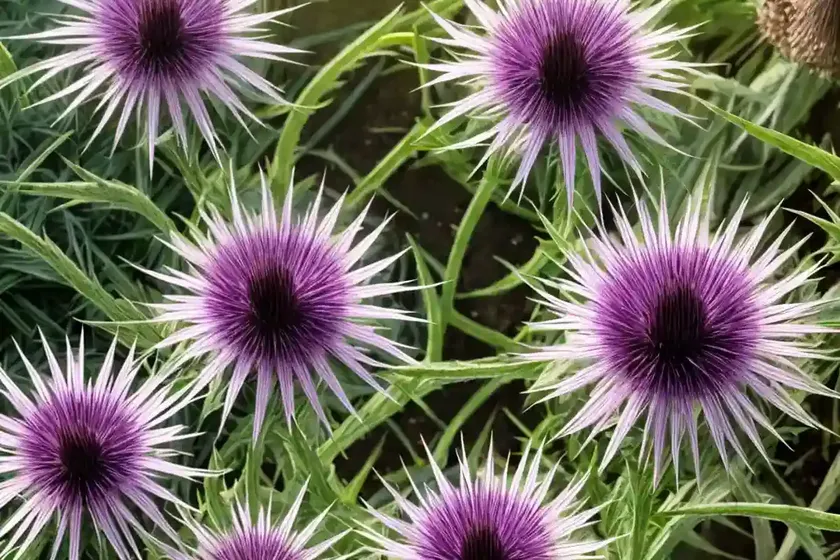
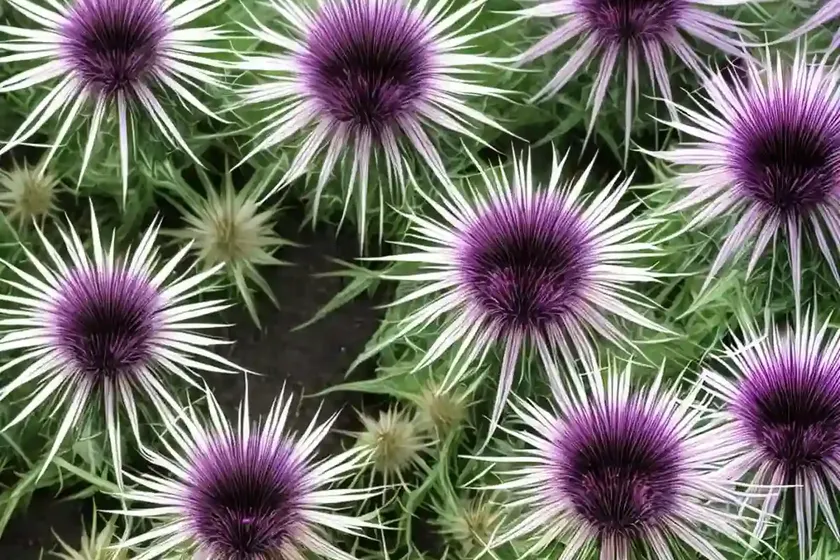
Centaurea macrocephala, commonly known as Giant Knapweed, is a captivating perennial plant that boasts vibrant golden-yellow flowers. This blog post will delve into the various aspects of this plant, including its description, features, cultivation tips, care guide, uses, habitat, and much more.
What is Centaurea macrocephala?
Centaurea macrocephala belongs to the genus Centaurea, which is a diverse group of plants within the Asteraceae family, commonly known as the aster, daisy, or sunflower family. This species, in particular, is native to the Caucasus region and Eastern Turkey, where it thrives in its natural habitat.
Centaurea macrocephala Description
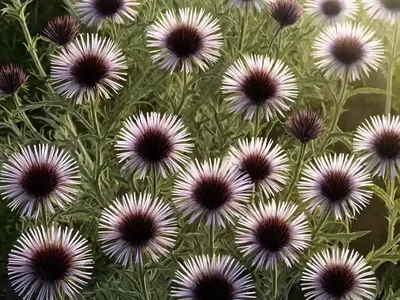
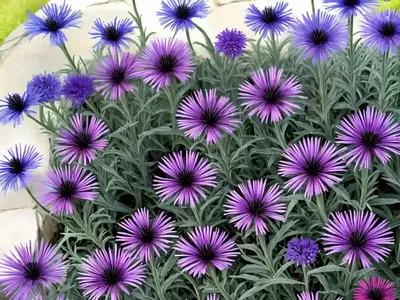
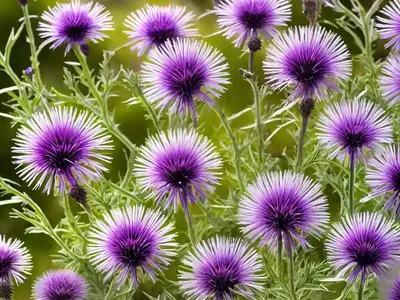
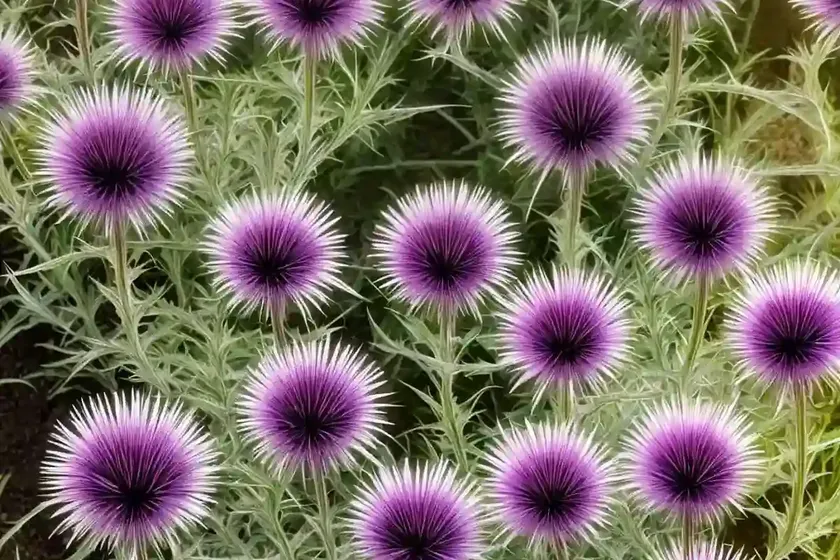
Giant Knapweed is characterized by its large, showy flower heads that sit atop sturdy, upright stems. The striking golden-yellow flowers are surrounded by spiky bracts, adding to its unique appearance. The plant typically reaches a height of 3 to 4 feet (about 1 to 1.2 meters) and spreads to about 1.5 to 2 feet (around 0.5 to 0.6 meters). The deeply cut, grey-green leaves provide an attractive backdrop to the stunning flowers.
Key Takeaways – Centaurea macrocephala (Giant Knapweed)
Before delving into the specific aspects of Giant Knapweed, let’s summarize the key takeaways about this fascinating plant:
- Scientific Name: Centaurea macrocephala
- Common Name: Giant Knapweed
- Family: Asteraceae
- Native Habitat: Caucasus region and Eastern Turkey
- Flower Color: Golden-yellow
- Plant Height: 3 to 4 feet
- Plant Spread: 1.5 to 2 feet
- Leaf Color: Grey-green
- Growth Habit: Upright and sturdy
Now, let’s explore the various facets of Centaurea macrocephala in greater detail.
Cultivation and Care Guide
To cultivate and care for Centaurea macrocephala successfully, it is essential to understand its water, sunlight, fertilizer, soil, pruning, and propagation requirements.
Water
Giant Knapweed thrives in well-draining soil and prefers moderate water levels. It is essential to avoid overwatering the plant, as this can lead to root rot. Once established, the plant exhibits good drought tolerance, making it suitable for regions with sporadic rainfall.
Sunlight
For optimal growth and flowering, Giant Knapweed requires full sun, meaning it should be exposed to direct sunlight for at least 6 to 8 hours a day. In regions with intense heat, some partial shade during the hottest part of the day may be beneficial.
Fertilizer
When it comes to fertilizing Centaurea macrocephala, a balanced, all-purpose fertilizer can be applied in early spring. It is essential to follow the recommended dosage to prevent over-fertilization, which can lead to excessive foliage growth at the expense of flowering.
Soil
This resilient plant adapts well to a variety of soil types as long as they are well-draining. However, it thrives in moderately fertile, sandy or loamy soil with a slightly acidic to neutral pH. Amending heavy clay soils with organic matter can improve drainage and soil structure.
Pruning
Pruning Giant Knapweed involves deadheading the spent flowers to encourage continuous blooming. Additionally, cutting back the stems after the flowering season can help maintain a compact and tidy appearance and may promote a second flush of blooms.
Propagation
Centaurea macrocephala can be propagated from seed or through division. Propagation from seed should be carried out in early spring, while division is best conducted in late autumn or early spring. Propagating from seed allows for the introduction of new variations and cultivars, while division helps rejuvenate established clumps.
Container Popularity
While Giant Knapweed is primarily grown in garden beds or borders, it can also thrive in large containers. When growing in containers, ensure that the pots have drainage holes and use a high-quality potting mix designed for perennial plants.
Uses of Centaurea macrocephala
The uses of Giant Knapweed extend beyond its ornamental value. Let’s explore the various applications of this captivating plant:
- Garden Ornament: The attractive flowers and foliage make Giant Knapweed an excellent choice for adding visual interest to garden landscapes.
- Cut Flowers: The long stems and striking flowers make Giant Knapweed a popular choice for cut flower arrangements, adding a touch of natural beauty to indoor spaces.
- Pollinator Attraction: The nectar-rich flowers of Centaurea macrocephala attract bees, butterflies, and other pollinators, making it a valuable addition to pollinator-friendly gardens.
- Medicinal Properties: While not widely utilized in modern herbal medicine, certain species within the Centaurea genus have historical uses in traditional medicine for various ailments. Further research is needed to explore the potential medicinal properties of Giant Knapweed.
- Wildlife Support: The nectar and pollen of Giant Knapweed support a diverse range of beneficial insects, contributing to the overall biodiversity of the ecosystem.
Common Diseases and Pest Management
While Centaurea macrocephala is generally a resilient plant, it can still be susceptible to certain diseases and pests. Understanding these potential issues and their management is crucial for maintaining the health and vigor of Giant Knapweed.
Common Diseases
- Powdery Mildew: This fungal disease can affect the foliage of Giant Knapweed, leading to a powdery white coating on the leaves. Proper air circulation and avoiding overhead watering can help prevent powdery mildew.
- Leaf Spot: Leaf spot diseases, caused by various fungal pathogens, can manifest as dark spots on the leaves. To minimize the risk of leaf spot, avoid overhead watering and remove any infected plant debris.
- Root Rot: Excessive soil moisture, particularly in poorly draining soils, can predispose the plant to root rot. Ensuring well-draining soil and avoiding overwatering can help prevent this issue.
Disease Diagnosis
Diagnosing and identifying plant diseases can be challenging, especially for the untrained eye. In cases of suspected disease, seeking advice from local horticultural experts or plant health professionals can provide valuable insights and guidance for appropriate management strategies.
Common Pests
- Aphids: These small, sap-sucking insects can cluster on the stems and undersides of the leaves, potentially causing distortion and discoloration of the foliage. Insecticidal soaps or horticultural oils can be effective for controlling aphid infestations.
- Thrips: Thrips are tiny, slender insects that can cause stippling and silvering of the leaves as they feed. Regular monitoring and targeted insecticide applications can help manage thrips populations.
Botanist’s Tips for Successful Growth
To ensure the successful cultivation and care of Centaurea macrocephala, it is beneficial to consider the following botanist’s tips:
- Soil Preparation: Prior to planting, amend the soil with organic matter to improve its structure and fertility. This preparatory step can provide a favorable growing environment for Giant Knapweed.
- Mulching: Applying a layer of organic mulch around the base of the plant can help conserve soil moisture, suppress weeds, and moderate soil temperatures, contributing to overall plant health.
- Companion Planting: Consider companion planting with species that complement the growth habits and cultural requirements of Giant Knapweed, creating a harmonious and visually appealing garden landscape.
Fun Facts about Centaurea macrocephala
Discovering intriguing and lesser-known facts about plants can deepen our appreciation for their uniqueness. Here are some fun facts about Centaurea macrocephala that showcase its distinctive qualities:
- Symbolism: In the language of flowers, Centaurea macrocephala is often associated with concepts of endurance, resilience, and optimism, reflecting its ability to thrive in various growing conditions.
- Drought Tolerance: With its inherent ability to withstand periods of drought, Giant Knapweed showcases remarkable resilience and adaptability in challenging environmental conditions.
Links to External Resources
For further exploration and in-depth information about Centaurea macrocephala, the following external resources are recommended:
- Royal Horticultural Society – Centaurea macrocephala
- Missouri Botanical Garden – Centaurea macrocephala
Wrapping Up
In conclusion, Centaurea macrocephala, or Giant Knapweed, is a captivating perennial plant that offers not only stunning visual appeal but also valuable ecological contributions. Through understanding its cultivation, care, uses, and unique attributes, we can appreciate the remarkable qualities of this plant and integrate it into our gardens and landscapes for both aesthetic and functional purposes.
Whether as a charming garden ornament, a pollinator-friendly addition, or a resilient symbol of endurance, Giant Knapweed has much to offer, making it a fantastic choice for diverse gardening and landscaping endeavors. As we continue to explore the world of plants, may we find inspiration and wonder in the remarkable diversity and beauty they bring to our lives and natural environments.