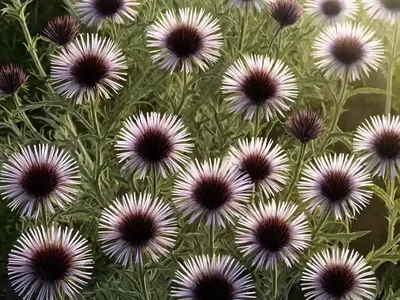
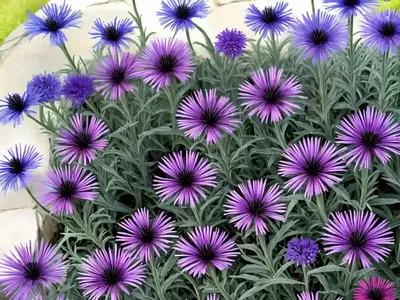
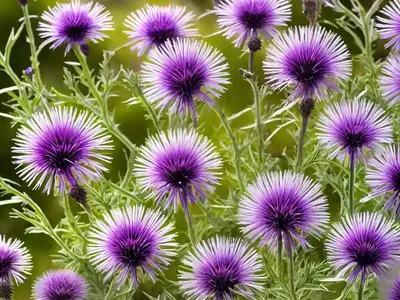
Centaurea Dealbata (Persian Cornflower)
Centaurea dealbata, commonly known as the Persian Cornflower, is a stunning perennial plant known for its vibrant flowers and ornamental value. In this.
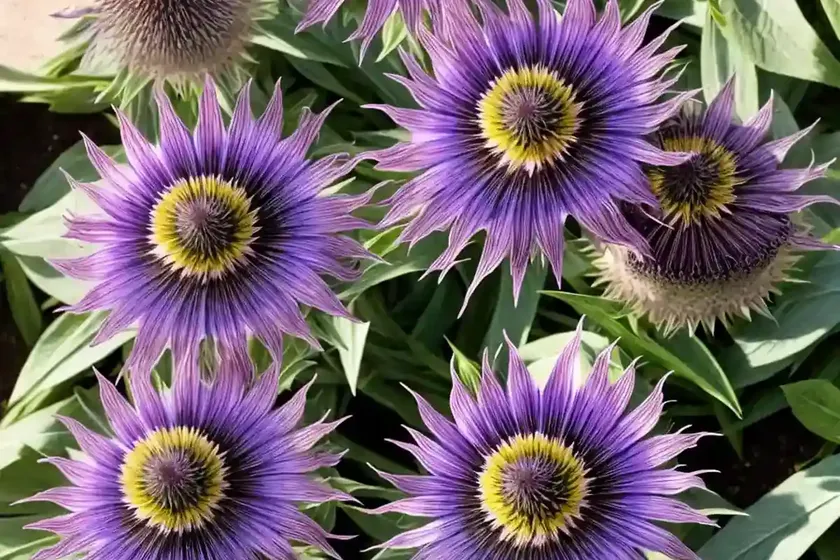
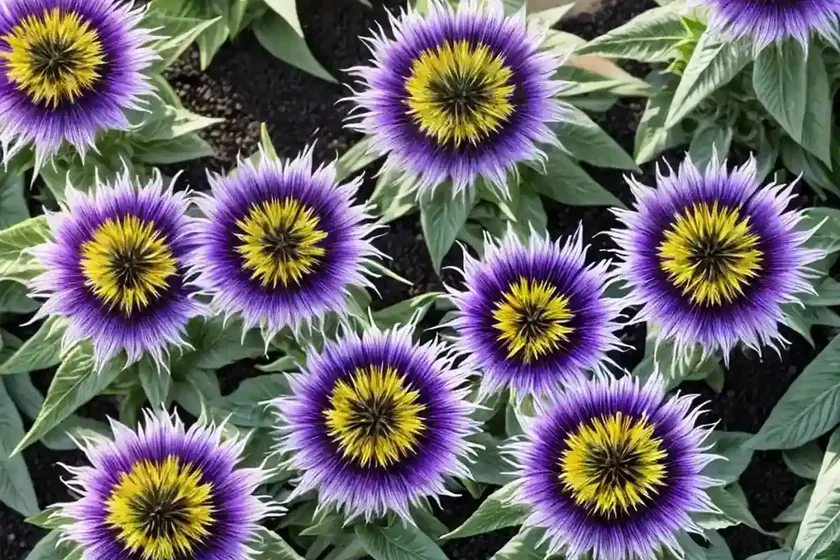
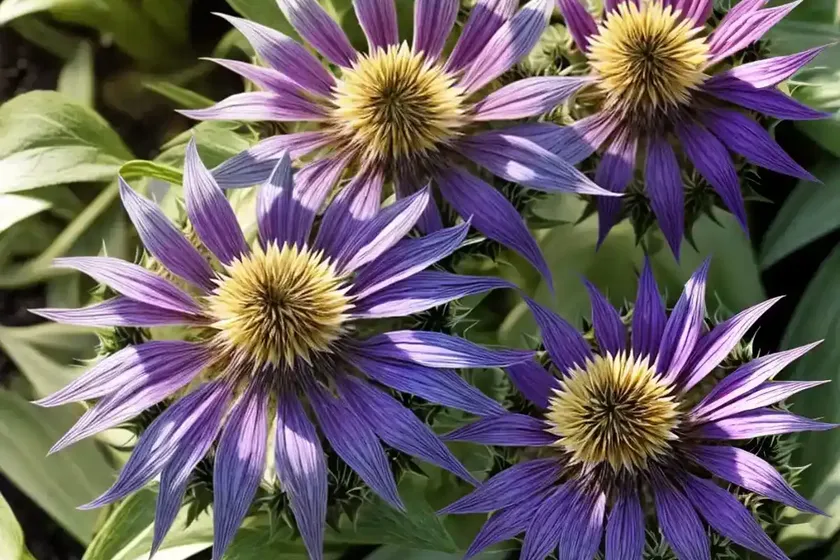
Centaurea dealbata, commonly known as the Persian Cornflower, is a stunning perennial plant known for its vibrant flowers and ornamental value. In this extensive guide, we will delve into the world of Centaurea dealbata, exploring its characteristics, cultivation, landscape uses, and much more. Whether you’re a seasoned gardener or a budding enthusiast, this comprehensive resource will equip you with the knowledge needed to cultivate and appreciate this remarkable plant.
What is Centaurea dealbata (Persian Cornflower)?
Centaurea dealbata is a species of flowering plant in the Asteraceae family, which is native to the Caucasus region. This herbaceous perennial is characterized by its deeply cut, lance-shaped leaves and striking, thistle-like flower heads that attract pollinators and add a burst of color to gardens and landscapes.
Plant Characteristics
- Scientific Name: Centaurea dealbata
- Common Name: Persian Cornflower
- Family: Asteraceae
- Hardiness Zone: 4-9
- Mature Height: 24-36 inches
- Mature Spread: 18-24 inches
- Bloom Time: Late spring to early summer
- Flower Color: Shades of purple, pink, and magenta
Now, let’s explore the key takeaways, cultivation techniques, ecological significance, and much more related to Centaurea dealbata.
Key Takeaways – Centaurea dealbata (Persian Cornflower)
Before delving into the detailed aspects of cultivating and caring for Centaurea dealbata, let’s summarize the key takeaways associated with this enchanting plant:
- Vibrant Flowers: Centaurea dealbata boasts colorful, thistle-like flowers that add a captivating visual appeal to gardens and landscapes.
- Perennial Nature: As a perennial plant, Centaurea dealbata returns year after year, making it a valuable addition to any garden.
- Attracts Pollinators: The nectar-rich flowers of Centaurea dealbata attract a variety of pollinators, contributing to the ecological balance of the garden.
- Landscape Uses: From perennial borders to cottage gardens, Centaurea dealbata offers versatility in its landscape applications, enhancing the visual interest of diverse settings.
- Low Maintenance: Once established, Centaurea dealbata is relatively low maintenance, making it an ideal choice for both experienced and novice gardeners.
With these key points in mind, let’s explore the specific care and cultivation requirements to ensure the thriving growth of Centaurea dealbata in various garden settings.
Culture
Cultivating Centaurea dealbata requires an understanding of its cultural preferences, including optimal growing conditions and maintenance practices. This section will provide an in-depth overview of the cultural considerations necessary for the successful growth of Persian Cornflower in home gardens and landscapes.
Uses
Ornamental Value
- Garden Borders: Centaurea dealbata’s vibrant flowers make it an excellent choice for planting in perennial borders, where it adds a splash of color and visual interest.
- Cottage Gardens: In a traditional or informal garden setting, Persian Cornflower complements the relaxed and diverse nature of a cottage garden, contributing to its charm.
- Cut Flower Arrangements: The eye-catching flowers of Centaurea dealbata are highly prized for use in cut flower arrangements, adding a touch of natural elegance to floral displays.
Water
- Optimal Moisture: Centaurea dealbata thrives in well-drained soil and prefers moderate moisture levels. While it can withstand periods of drought, consistent watering is essential, especially during the establishment phase and prolonged dry spells.
Sunlight
- Full Sun: Persian Cornflower flourishes in full sun conditions, where it receives a minimum of 6-8 hours of direct sunlight daily. Adequate sunlight is crucial for promoting robust growth and prolific flowering.
Fertilizer
- Balanced Fertilization: When it comes to fertilizing Centaurea dealbata, a balanced, all-purpose fertilizer applied in early spring can support healthy growth and abundant flowering. However, excessive fertilization should be avoided as it may lead to excessive vegetation at the expense of flower production.
Soil
- Well-Drained Soil: Centaurea dealbata thrives in moderately fertile, well-drained soil with a neutral to slightly alkaline pH. Amending heavy or compacted soil with organic matter can improve drainage and create an optimal growing environment for Persian Cornflower.
Pruning
- Deadheading: Regular deadheading – the practice of removing spent flowers – can extend the blooming period of Centaurea dealbata and promote continuous flower production. Additionally, pruning back the faded flower stalks can help maintain the plant’s overall appearance and prevent self-seeding in controlled garden settings.
Propagation
- Division: Centaurea dealbata can be propagated through division, which involves separating and replanting the plant’s root clumps. This method is typically performed in early spring or fall and allows for the expansion of existing plantings or the sharing of divisions with other gardeners.
Container Popularity
- Container Planting: While Centaurea dealbata is well-suited for garden beds and borders, it can also be grown in containers, allowing individuals with limited garden space to enjoy its beauty on patios, balconies, or urban settings.
Common Diseases
- Powdery Mildew: Like many ornamental plants, Centaurea dealbata may be susceptible to powdery mildew, especially in humid or poorly ventilated conditions. Proper spacing, adequate air circulation, and the use of disease-resistant varieties can help prevent and mitigate this fungal issue.
Disease Diagnosis
- Symptoms: The presence of powdery white or grayish patches on the upper surfaces of leaves, along with distorted growth and premature leaf drop, may indicate a powdery mildew infection in Centaurea dealbata.
- Management: Applying fungicidal treatments, improving air circulation, and maintaining proper plant hygiene by removing and disposing of infected plant parts can aid in managing powdery mildew and preventing its spread.
Common Pests
- Aphids: Aphids, small sap-sucking insects, may occasionally infest Centaurea dealbata, particularly during periods of lush growth. Regular monitoring and the use of natural predators or targeted insecticidal treatments can help control aphid populations and minimize damage to the plant.
Botanist’s Tips
Garden Design
- Complementary Planting: Pairing Centaurea dealbata with other sun-loving perennials such as Echinacea, Salvia, or Coreopsis can create visually appealing combinations and enhance the overall garden design.
- Extended Bloom Time: Integrating early spring and summer-blooming perennials alongside Centaurea dealbata can lengthen the flowering season and provide a dynamic display of colors and textures.
Fun Facts
- The genus name “Centaurea” is derived from the mythological centaur Chiron, who was believed to have used the plants for their medicinal properties.
- Centaurea dealbata has been used in traditional folk medicine for its purported healing properties, particularly in the treatment of various ailments.
Now that we’ve explored the cultural requirements, landscape uses, and ecological significance of Centaurea dealbata, let’s further expand our understanding by delving into the nuances of its cultivation and care, while also uncovering interesting facts and historical significance associated with this captivating plant.
Links to External Resources
For additional information on the cultivation and care of Centaurea dealbata, as well as its historical significance and ecological importance, I recommend exploring the following resources:
- Royal Horticultural Society – Centaurea dealbata
- Missouri Botanical Garden – Centaurea dealbata
- University of Vermont Extension – Growing Perennials
Conclusion
Centaurea dealbata, or the Persian Cornflower, represents an invaluable addition to garden landscapes, offering vibrant flowers, pollinator attraction, and a perennial nature that endears it to both seasoned gardeners and enthusiasts. By understanding its cultural preferences, landscape uses, and ecological significance, individuals can cultivate and appreciate the intrinsic beauty and charm of this remarkable plant. With this comprehensive guide, I hope to have provided you with a deeper insight into the captivating world of Centaurea dealbata, enriching your horticultural journey and fostering a newfound appreciation for this enchanting perennial.