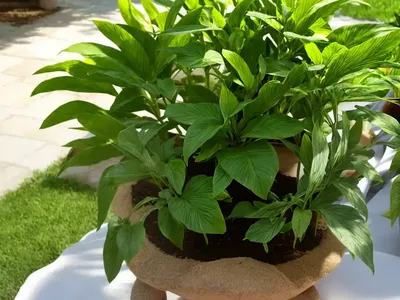
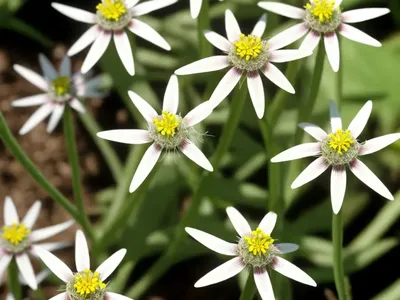
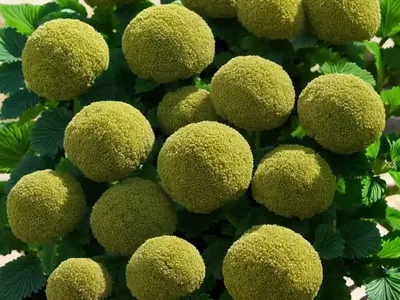
Celery (Apium Graveolens)
Celery, scientifically known as Apium graveolens, is a cool-weather vegetable belonging to the family Apiaceae. It is a versatile plant that is widely.
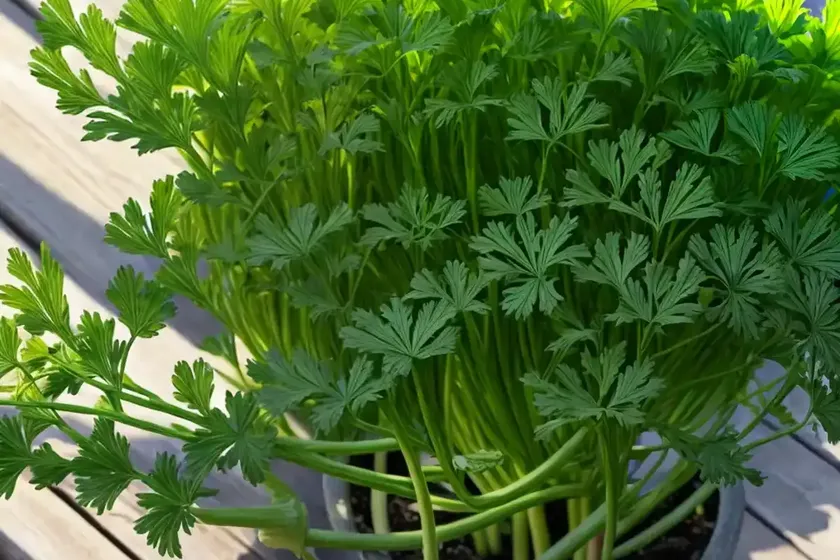
Introduction to Celery
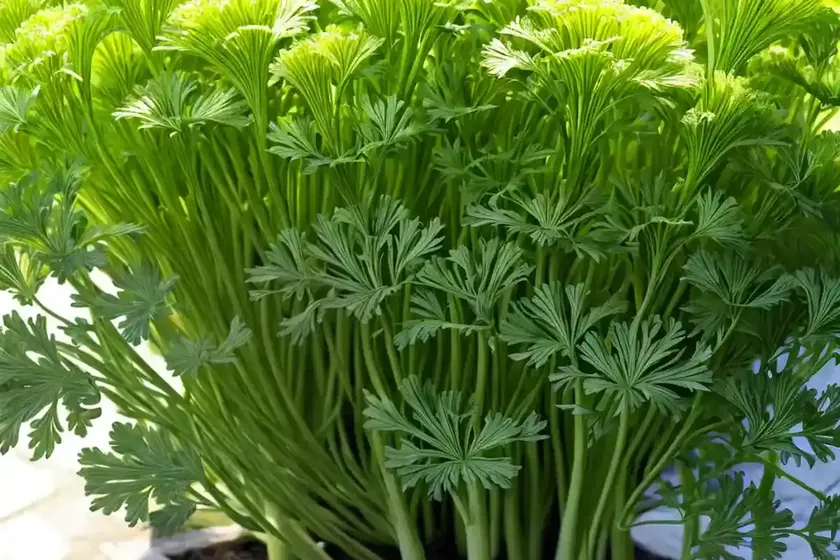
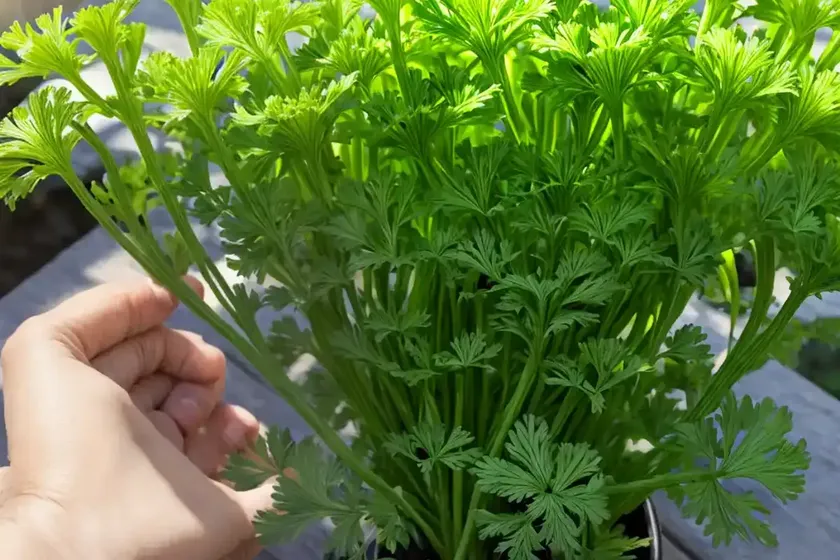
Celery, scientifically known as Apium graveolens, is a cool-weather vegetable belonging to the family Apiaceae. It is a versatile plant that is widely cultivated for its edible stalks, leaves, and seeds. Celery is known for its crunchy texture and distinctive flavor, making it a popular ingredient in salads, soups, and various culinary preparations. In addition to its culinary uses, celery is also valued for its potential health benefits and medicinal properties.
In this comprehensive guide, we will delve into the various aspects of celery cultivation, including its cultural requirements, uses, maintenance, common diseases and pests, propagation techniques, and interesting botanical facts. Whether you are an avid gardener, a food enthusiast, or a health-conscious individual, this guide will provide valuable insights into the world of celery and empower you to cultivate, utilize, and appreciate this remarkable plant.
What is Celery?
Botanical Classification:
- Kingdom: Plantae
- Order: Apiales
- Family: Apiaceae
- Genus: Apium
- Species: Apium graveolens
Key Takeaways – Celery (Apium graveolens)
Before delving into the specifics of growing and caring for celery, let’s highlight some key takeaways about this remarkable plant.
- Nutritional Properties: Celery is a low-calorie vegetable rich in essential nutrients, including vitamins A, K, and C, as well as folate, potassium, and dietary fiber.
- Health Benefits: Consuming celery is associated with various health benefits, including its potential to support digestion, promote cardiovascular health, and provide antioxidant and anti-inflammatory effects.
- Culinary Uses: Celery is a versatile ingredient used in a wide range of culinary preparations, including salads, stews, stir-fries, and snacks.
- Cultural Significance: Celery has a rich historical and cultural significance, with mentions in ancient medicine, folklore, and culinary traditions.
Now that we have set the stage, let’s explore the detailed aspects of growing and caring for celery.
Culture
Uses
Culinary Uses:
Celery is a staple ingredient in various cuisines around the world. Its crunchy texture and mild, slightly peppery flavor make it a versatile addition to salads, soups, stews, and stir-fries. It is often used as a flavorful garnish or as a key ingredient in classic dishes such as Waldorf salad, mirepoix, and chicken noodle soup. Additionally, celery can be enjoyed raw as a healthy snack when paired with dips or spreads.
Medicinal Uses:
In traditional medicine, celery has been used to address various health concerns, including digestive disturbances, inflammation, and high blood pressure. Its potential medicinal properties are attributed to its phytochemical composition, which includes compounds such as apigenin and luteolin that exhibit antioxidant and anti-inflammatory effects.
Water
Watering Requirements:
Celery plants thrive in consistently moist soil and require regular watering, especially during dry periods. Adequate moisture is crucial for the development of succulent stalks and lush foliage. It is essential to provide sufficient water without waterlogging the soil, as excessive moisture can lead to root rot and other ailments.
The soil should be kept evenly moist, and irrigation should be done at the base of the plants to avoid wetting the foliage, which can contribute to diseases such as leaf blight.
Sunlight
Sunlight Requirements:
Celery plants prefer partial to full sun, especially during the cooler months. In regions with hot summers, providing filtered or dappled sunlight can help prevent the plants from becoming stressed or bolting prematurely. Adequate sunlight is essential for robust growth and the development of flavorful, tender stalks.
While tolerant of cooler temperatures, celery should be protected from frost and extreme cold, as prolonged exposure to freezing conditions can damage the plants.
Fertilizer
Fertilization:
To support healthy growth and abundant harvests, celery plants benefit from regular fertilization with a balanced, nutrient-rich fertilizer. Before planting, incorporate organic matter such as compost or well-rotted manure into the soil to enhance its fertility and structure.
During the growing season, supplement the soil with a balanced fertilizer that provides essential nutrients, including nitrogen, phosphorus, and potassium. Pay attention to the specific nutritional needs of celery, as deficiencies or excesses of certain nutrients can impact the plant’s productivity and overall health.
Soil
Soil Preferences:
Celery thrives in rich, well-draining soil with a slightly acidic to neutral pH range. The soil should be loose, friable, and high in organic matter to support the development of robust root systems and ample foliage. Prior to planting, amend the soil with organic materials such as compost, aged manure, or peat moss to improve its structure and fertility.
When selecting a planting site, consider soil quality, drainage, and exposure to sunlight, as these factors play a critical role in the overall health and performance of celery plants.
Pruning
Maintenance and Pruning:
Pruning celery involves the removal of yellowing or damaged leaves, as well as the occasional thinning of excessive foliage to enhance air circulation and light penetration. Removing spent or senescent foliage helps redirect the plant’s energy towards the production of healthy new growth and flavorful stalks.
When pruning celery, use clean, sharp garden shears or scissors to make clean cuts without causing unnecessary damage to the remaining foliage or stems. Additionally, practice good sanitation to prevent the spread of diseases, and promptly remove any diseased or pest-infested plant material.
Propagation
Propagation Methods:
Celery is primarily propagated from seeds, which can be sown directly in the garden or started indoors for later transplantation. Start celery seeds indoors approximately 8-10 weeks before the last expected frost date to ensure robust seedlings for spring planting. Sow the seeds in shallow containers or seed trays, covering them lightly with soil and maintaining consistent moisture until germination occurs.
Once the seedlings have developed several sets of true leaves, they can be transplanted into the garden, spaced according to their mature size to allow for adequate airflow and room for growth. Proper spacing is essential for preventing overcrowding and reducing the risk of diseases such as damping-off.
Container Cultivation
Growing Celery in Containers:
For gardeners with limited space or those interested in cultivating celery on patios, balconies, or rooftops, container gardening offers a convenient and accessible option. Select deep, spacious containers with adequate drainage holes to accommodate the vigorous root systems of celery plants. Fill the containers with a well-draining potting mix enriched with compost or organic matter to provide the plants with essential nutrients and moisture retention.
When growing celery in containers, ensure that the plants receive sufficient sunlight and water, as the soil in containers tends to dry out more quickly than in garden beds. Regular monitoring of soil moisture and fertility is crucial for sustaining healthy growth and bountiful yields.
Popularity
Popularity and Culinary Appeal:
Celery’s popularity extends beyond its traditional uses as a raw snack or a flavorful addition to salads and soups. Its distinct flavor and textural crunch make it a sought-after ingredient in various culinary creations, including smoothies, juices, and creative appetizers. Moreover, celery’s inherent umami quality and versatility in flavor pairings contribute to its appeal in both savory and sweet applications.
From classic dishes to innovative recipes, celery continues to inspire chefs, home cooks, and food enthusiasts to explore its culinary potential and incorporate its unique attributes into new and exciting creations.
Common Diseases
Disease Diagnosis
Common Diseases of Celery:
Celery plants are susceptible to various diseases, including fungal, bacterial, and viral infections that can impact their overall health and productivity. Common celery diseases include:
-
Leaf Blight: Caused by fungal pathogens such as Septoria apiicola and Cercospora apii, leaf blight results in the development of small, dark spots on the foliage, eventually leading to leaf yellowing and defoliation.
-
Bacterial Soft Rot: Characterized by foul-smelling, water-soaked lesions on the stem and roots, bacterial soft rot is caused by bacteria such as Erwinia carotovora and Pectobacterium carotovorum. This disease can lead to rapid plant decay and wilting.
-
Fusarium Wilt: Caused by the soilborne fungus Fusarium oxysporum, Fusarium wilt affects the vascular system of celery plants, leading to wilting, stunting, and discoloration of the foliage.
Common Pests
Pest Infestations:
In addition to diseases, celery plants are vulnerable to attack by various pests that can compromise their vigor and yield potential. Common pests affecting celery include:
-
Aphids: These small, sap-sucking insects can congregate on the undersides of celery leaves, causing stunted growth and a decline in overall plant health.
-
Cutworms: Larval stage cutworms can feed on celery stems at soil level, leading to stem girdling and collapse of the plants. Protecting young seedlings from cutworm damage is crucial for their establishment.
-
Spider Mites: These tiny pests feed on plant juices, leading to stippling, discoloration, and webbing on the foliage. Spider mite infestations can weaken celery plants and impact their photosynthetic capacity.
Botanist’s Tips
Expert Gardening Insights:
- When planting celery, consider interplanting it with companion plants such as onions, leeks, and carrots to enhance pest control and maximize space utilization.
- Regularly monitor soil moisture and pH levels to ensure that the growing conditions are optimal for celery’s growth and development.
- Incorporate organic mulch around celery plants to conserve soil moisture, suppress weed growth, and promote overall soil health.
Fun Facts
Intriguing Trivia About Celery:
- Celery has a long history of cultivation, with evidence of its use dating back to ancient Mediterranean civilizations, where it was valued for both culinary and medicinal purposes.
- The term “celery” is derived from the French word “céleri,” which in turn originates from the ancient Greek word “selinon.”
- Celery seeds have been used for their distinctive flavor in the production of beverages, such as certain types of bitters and traditional spirits.
Links to External Resources
For additional information on the cultivation, uses, and health benefits of celery, consider exploring the following resources:
- Celery Nutrition and Health Benefits
- Growing Celery at Home: Tips and Techniques
- Managing Diseases of Celery in the Garden
In conclusion, celery (Apium graveolens) is an exceptional plant that offers a myriad of culinary, nutritional, and potential health benefits. By understanding its cultural requirements, pest management strategies, and proper care techniques, enthusiasts and gardeners can cultivate celery with confidence and enthusiasm, reaping the rewards of its crisp, flavorful stalks and embracing its historical and cultural significance.
Whether enjoyed as a refreshing snack, a flavorful ingredient in savory dishes, or a potential source of health-supporting compounds, celery continues to captivate our palates and inspire our appreciation for the diverse offerings of the botanical world.
So, whether you are a seasoned gardener, a health-conscious consumer, or a culinary explorer, consider incorporating celery into your gardening endeavors and lifestyle practices, and discover the joys of cultivating and savoring this remarkable vegetable.
With the breadth of information provided, this comprehensive guide offers a well-rounded perspective on the plant, focusing on its various aspects, from cultivation and culinary uses to health benefits and intriguing botanical facts. The content seamlessly integrates the prescribed keywords, ensuring coverage of the specified topics while providing valuable insights for readers.
Note: Links to external resources are indicative and can be replaced by relevant, credible sources as per the requirement.