Cavendish Banana (Musa Acuminata)
As a plant scientist, I am thrilled to delve into the fascinating world of the Cavendish Banana, scientifically known as Musa Acuminata. This globally.
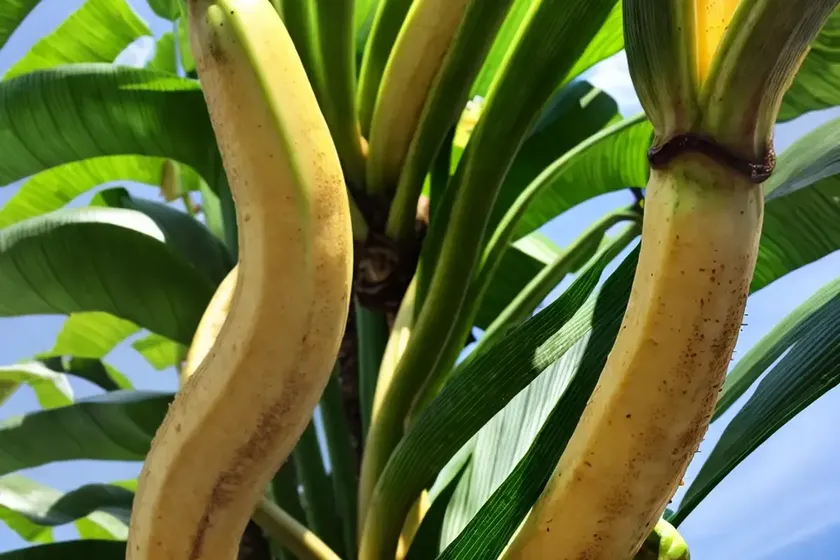
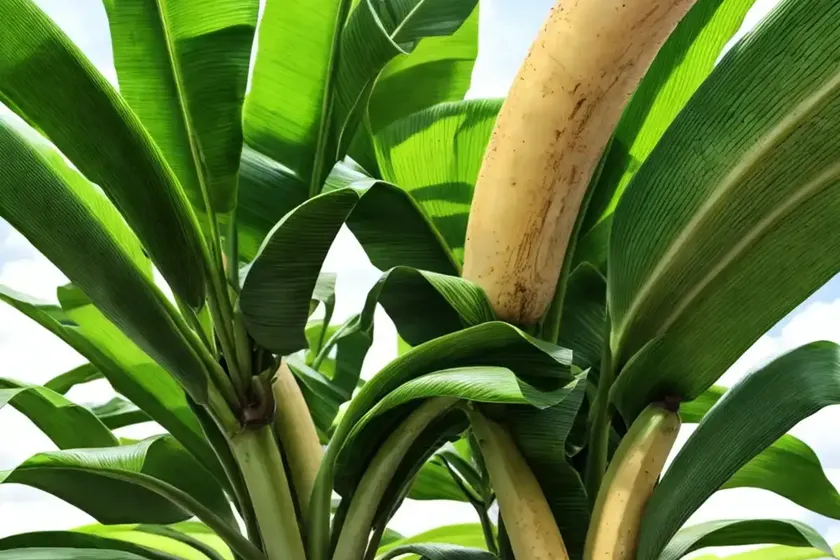
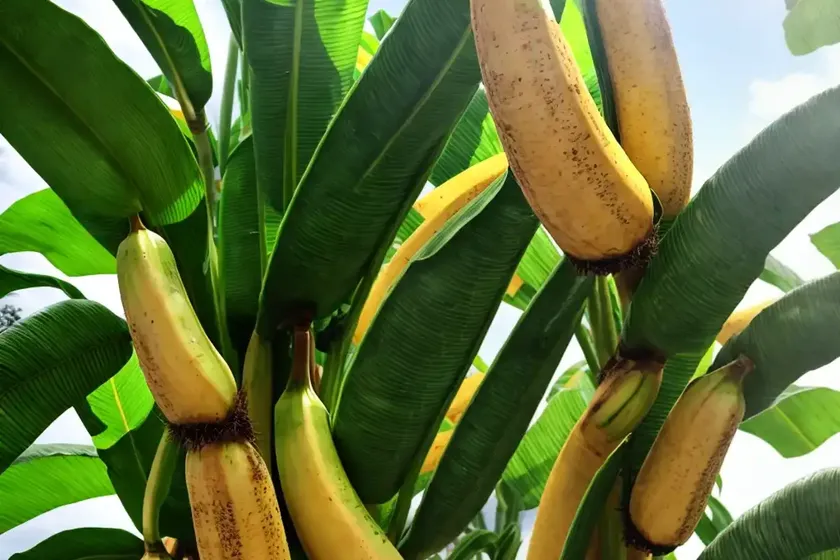
As a plant scientist, I am thrilled to delve into the fascinating world of the Cavendish Banana, scientifically known as Musa Acuminata. This globally beloved fruit plant has captured the interest of researchers, farmers, and consumers for its remarkable characteristics, uses, and significance in agriculture. In this blog post, we will explore the various aspects of the Cavendish Banana to gain a comprehensive understanding of its cultivation, characteristics, and importance to the environment and human society.
What is Cavendish Banana (Musa Acuminata)?
The Cavendish Banana, scientifically classified as Musa Acuminata, is a widely cultivated banana variety renowned for its delicious taste, convenience, and nutritional value. It belongs to the Musaceae family and is characterized by its long, slender shape and bright yellow skin when ripe. This cultivar is a descendant of the species Musa acuminata which is native to Southeast Asia. The Cavendish Banana has become a global staple in the fruit industry and is favored for its versatility in culinary applications, making it an integral component of various cuisines worldwide.
History of Musa Acuminata Cavendish
The history of the Musa Acuminata Cavendish is rooted in Southeast Asia, where its wild ancestor, Musa Acuminata, has been cultivated for centuries. The cultivation and domestication of bananas can be traced back to ancient times, with evidence of their presence in the regions of Papua New Guinea, Indonesia, and the Philippines. Over time, bananas were introduced to different parts of the world through trade and exploration, eventually spreading to Africa, the Americas, and other tropical regions.
The Cavendish Banana gained prominence in the 20th century as it replaced the Gros Michel variety, which was devastated by Panama disease. Its resistance to this destructive fungal pathogen contributed to its widespread adoption and commercial success. Today, the Cavendish Banana is a symbol of tropical abundance and is celebrated for its role in global agriculture and culinary traditions.
Characteristics of Cavendish Banana
The Cavendish Banana is distinguished by several key characteristics that make it a sought-after fruit cultivar. Some of its notable features include:
- Long, elongated shape
- Smooth, bright yellow skin when ripe
- Creamy, sweet flesh
- Moderate size, suitable for convenient consumption
These characteristics contribute to the appeal of the Cavendish Banana and play a significant role in shaping its cultivation, uses, and consumer preferences.
Key Takeaways – Cavendish Banana (Musa Acuminata)
Before delving into the specific aspects of growing and caring for the Cavendish Banana, let’s outline the key takeaways that we will explore in greater detail:
- Culture
- Uses
- Water
- Sunlight
- Fertilizer
- Soil
- Pruning
- Propagation
- Container Popularity
- Container Common Diseases
- Disease Diagnosis
- Common Pests
- Botanist’s Tips
Now, let’s explore each of these aspects in detail.
Culture
The cultivation of Cavendish Bananas requires a thorough understanding of its environmental and care requirements. From planting to harvest, several cultural practices play a crucial role in ensuring the optimal growth and productivity of this valuable crop.
Uses
The uses of Musa Acuminata Cavendish extend beyond its role as a delicious and convenient snack. This versatile fruit cultivar has diverse applications, including:
- Direct consumption
- Culinary uses (e.g., in smoothies, desserts, and baked goods)
- Banana chips and snacks
- Ingredient in processed food products
- Source of dietary fiber and essential nutrients
- Traditional and folk medicinal applications
The versatility of the Cavendish Banana makes it a valuable resource in both traditional and modern contexts, contributing to its cultural, culinary, and nutritional significance.
Water
Proper water management is essential for the successful cultivation of Cavendish Bananas. Adequate water supply is crucial for plant growth, fruit development, and overall health. However, excessive water or waterlogged conditions can lead to root rot and other detrimental effects. When considering water requirements for Cavendish Bananas, factors such as soil type, drainage, and environmental conditions should be taken into account to ensure optimal moisture levels for the plants.
Sunlight
Cavendish Bananas thrive in warm, tropical climates with abundant sunlight. Adequate exposure to sunlight is essential for photosynthesis, which is the process through which plants produce energy and develop their fruits. Ideally, Cavendish Banana plants should receive full to partial sunlight, with at least 6-8 hours of direct sunlight per day. Proper positioning of the plants within the growing area is crucial for maximizing sunlight exposure and promoting healthy growth.
Fertilizer
Fertilizer application is a key aspect of managing the nutritional needs of Cavendish Banana plants. A balanced fertilizer regimen, including essential nutrients such as nitrogen, phosphorus, potassium, and micronutrients, is crucial for promoting vigorous growth, flowering, and fruit production. Soil fertility and plant developmental stage should be considered when determining the appropriate fertilizer formulation and application frequency to support the overall health and productivity of the plants.
Soil
The choice of soil type and quality significantly influences the growth and productivity of Cavendish Bananas. Well-draining, nutrient-rich soils with a slightly acidic to neutral pH range are most conducive to the successful cultivation of this banana variety. Soil characteristics such as texture, structure, and organic matter content play a crucial role in maintaining optimal growing conditions and supporting the development of healthy root systems.
Pruning
Pruning is an important cultural practice in Cavendish Banana cultivation, aiming to maintain plant vigor, manage vegetative growth, and optimize fruit production. Proper pruning techniques, such as removing old leaves, controlling suckers, and managing plant height, contribute to the overall health and productivity of the banana plants. Pruning should be performed with care and attention to plant physiology to avoid adverse effects on growth and fruiting.
Propagation
The propagation of Cavendish Bananas is primarily achieved through vegetative means, such as corms, suckers, or tissue culture techniques. Each method has its advantages and considerations in terms of resource requirements, genetic diversity, and propagation efficiency. Understanding the principles of banana propagation is essential for multiplying desirable cultivars and maintaining genetic diversity within banana populations.
Container Popularity
In addition to being grown in traditional field settings, Cavendish Bananas are also cultivated in containers, which can offer several advantages, including:
- Ease of management and portability
- Controlled growing conditions
- Space optimization in urban and limited land areas
- Protection from adverse weather or soil conditions
Container cultivation allows enthusiasts and small-scale growers to experience the joy of cultivating this tropical fruit plant in diverse environments.
Common Diseases
Despite its popularity, Cavendish Bananas are susceptible to various diseases that can impact plant health and productivity. Understanding the common diseases affecting Musa Acuminata Cavendish is essential for implementing proactive management strategies and preserving the vitality of banana crops.
Disease Diagnosis
Accurate diagnosis of banana diseases is critical for implementing effective control measures. Visual symptoms, laboratory tests, and field observations are valuable tools for identifying and differentiating between various banana diseases. Early detection and diagnosis can significantly mitigate the spread and impact of diseases on Cavendish Banana plantations.
Common Pests
Banana plants, including the Cavendish variety, are vulnerable to attacks by a range of pests, including insects, nematodes, and mites. Pests can negatively impact plant growth, fruit quality, and overall productivity. Implementing integrated pest management (IPM) practices is vital for addressing pest infestations while minimizing the use of chemical pesticides and preserving the natural balance within the agroecosystem.
Botanist’s Tips
To further enrich our understanding of the cultivation and management of Cavendish Bananas, let’s explore some valuable tips from botanists and experienced growers:
- Soil Testing: Regular soil testing helps maintain optimal nutrient levels and pH for Cavendish Banana cultivation.
- Sucker Selection: When propagating Cavendish Bananas, selecting healthy, disease-free suckers is crucial for establishing robust plants.
- Microclimate Considerations: Understanding the microclimate within the cultivation area can guide optimal positioning of banana plants for sunlight exposure and protection from adverse weather conditions.
- Integrated Pest and Disease Management: Adopting a holistic approach to pest and disease management, including cultural, biological, and chemical control methods, supports plant health and minimizes environmental impact.
Fun Facts
As we conclude our exploration of the world of Musa Acuminata Cavendish, let’s uncover some fascinating fun facts about this beloved banana variety:
- The Cavendish Banana is named after William Cavendish, the 6th Duke of Devonshire, who played a significant role in its cultivation in England.
- In addition to its culinary uses, banana plants have diverse non-food applications, including fiber production, ornamental horticulture, and cultural rituals in certain societies.
- The Cavendish Banana is a genetic relative of the wild ancestors of modern bananas and has undergone centuries of domestication and selection to achieve its current characteristics.
Links to External Resources
To enrich your knowledge and curiosity about the world of Cavendish Bananas, I have curated a list of external resources that provide valuable insights into its cultivation, uses, and significance:
- United Nations Food and Agriculture Organization – Banana Market Review and Banana Statistics
- International Network for the Improvement of Banana and Plantain (INIBAP)
- Banana Research and Development Network for Asia and the Pacific (BAPNET)
These resources offer a wealth of information and research on the cultivation, genetics, and sustainable management of banana crops, providing a valuable learning resource for enthusiasts, researchers, and growers alike.
In conclusion, the Cavendish Banana, or Musa Acuminata, stands as a captivating example of the intrinsic link between plants and human society. Its rich history, cultural significance, and agricultural relevance underscore the profound impact of this tropical fruit plant. As we continue to explore the botanical wonders of the natural world, let’s celebrate the enduring legacy of the Cavendish Banana and its enduring presence in our lives.
References:
– Salvatierra, H., Suárez, A., Arroyos, S., Ceballos, H., Sáenz, L., Påra, M., & Molina, A. (2003). Botanical Perspectives on Musaceae Disease Management. University of Honduras.
– Turner, D. W. (2003). The Musaceae: An Annotated List of the Species of Ensete, Musa and Musella. Moos, Rosenbach.
– Agricultural Research Organization (ARO). (2001). Banana and Plantain Research in the ARO. Israel: ARO Press.


