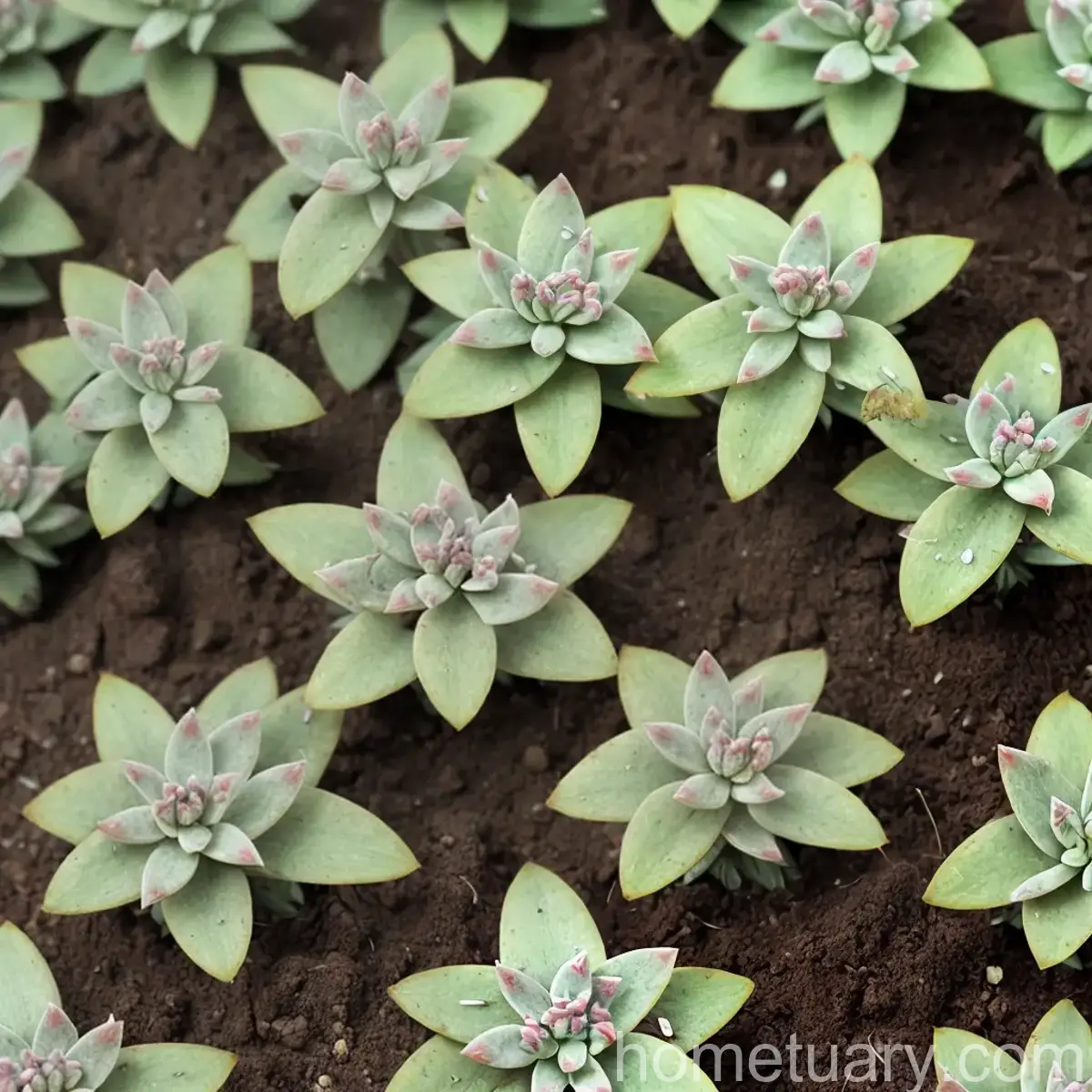
Caucasian Stonecrop (Phedimus Spurius): A Comprehensive Guide
What is Plant: Caucasian Stonecrop (Phedimus spurius)
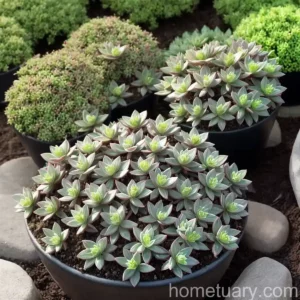
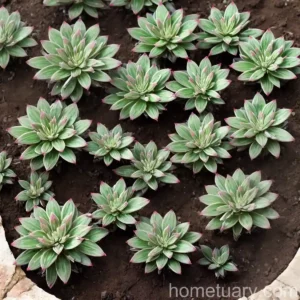
Caucasian Stonecrop (Phedimus spurius), also known as the Caucasian Two-Row Stonecrop, is a delightful succulent plant that belongs to the Crassulaceae family. This low-growing perennial, native to the Caucasus region of Eastern Europe, is renowned for its resilience and ability to thrive in various environmental conditions. Its Latin name, “Phedimus spurius,” reflects its robust and vibrant nature.

Key Takeaways – Caucasian Stonecrop (Phedimus spurius)
Before delving deeper into the specifics of cultivating and caring for the Caucasian Stonecrop, it’s essential to highlight a few key takeaways:
- Phedimus spurius is a hardy and versatile succulent that is a delight to grow in a garden or container.
- Caucasian Stonecrop plants are known for their resilience and adaptability, making them an excellent choice for both novice and experienced gardeners.
- Growing and caring for Phedimus spurius opens up opportunities for various landscape and garden design applications.
- Understanding the optimal conditions for Caucasian Stonecrop cultivation is essential for ensuring its health and vibrancy.
Now, let’s explore the intricacies of caring for Phedimus spurius, from its cultural preferences to common diseases and pest management.
Culture
Caucasian Stonecrop, with its origin in the Caucasus region, has adapted to a variety of environments and growing conditions. Understanding its cultural preferences is crucial for nurturing the plant effectively.
- Origin: Caucasus region of Eastern Europe.
- Hardiness Zone: Phedimus spurius typically thrives in USDA hardiness zones 3 to 9.
- Growth Habit: Low-growing, spreading succulent with trailing stems and fleshy leaves.
- Landscape Use: Suitable for rock gardens, borders, ground cover, and container gardening.
- Companion Plants: Thrives alongside other drought-tolerant and sun-loving plants like sedums, yarrows, and ornamental grasses.
Uses
The Caucasian Stonecrop (Phedimus spurius) offers a range of practical and aesthetic uses, making it a versatile addition to any garden or landscape design.
- Aesthetic Appeal: Adds a subtle and captivating charm to rock gardens, borders, and mixed perennial beds.
- Ground Cover: Utilized for covering dry and sunny areas where other plants struggle to thrive.
- Erosion Control: Its spreading growth habit aids in stabilizing soil and preventing erosion on slopes.
- Container Gardening: Ideal for adding interest to containers and hanging baskets due to its trailing growth.
- Wildlife Habitat: Attracts pollinators like bees and butterflies, aiding in the local ecosystem’s biodiversity.
Water
Understanding the water requirements of Phedimus spurius is vital for maintaining its health and vitality.
- Watering Frequency: Moderate water needs, particularly during the growing season, but should not be overwatered.
- Established Plants: Once established, Caucasian Stonecrop displays some tolerance to drought conditions.
- Watering Techniques: Water the plant at the base to prevent moisture-related diseases, and avoid wetting the foliage if possible.
- Winter Care: Reduce watering during the winter months to prevent potential root rot in colder and wetter conditions.
Sunlight
The sunlight preferences of the Caucasian Stonecrop are a crucial factor in its successful cultivation.
- Light Requirements: Thrives in full sun to partial shade, preferably receiving at least 6 hours of direct sunlight per day.
- Shade Tolerance: Maintains its vibrancy in partially shaded locations, making it adaptable to various garden settings.
- Leaf Coloration: Sufficient sunlight enhances the plant’s vibrant foliage colors, accentuating its aesthetic appeal.
Fertilizer
Proper and timely fertilization contributes to the Caucasian Stonecrop’s growth and overall health.
- Fertilization Schedule: Apply a balanced fertilizer in early spring as the plant’s growth resumes after winter dormancy.
- Fertilizer Type: Choose a slow-release or liquid fertilizer formulated for succulents to avoid over-fertilization.
- Application Method: Apply the fertilizer around the base of the plant, ensuring that it does not come into direct contact with the foliage.
Soil
The selection of suitable soil for Phedimus spurius is integral to its well-being.
- Well-Draining Soil: Requires a well-draining and gritty soil mix to prevent waterlogging and root rot.
- Soil pH: Tolerates a wide pH range but thrives in slightly acidic to neutral soils, ideally between 6.0 to 7.0.
- Amendment Addition: Incorporate organic matter like compost or peat moss to improve soil structure and moisture retention.
- Container Mix: Utilize a specialized succulent or cactus potting mix when growing in containers to optimize drainage.
Pruning
Regular pruning and maintenance aid in sustaining the vigor and visual appeal of Phedimus spurius.
- Deadheading Spent Flowers: Removal of wilted or spent blooms encourages continuous flowering and prevents self-seeding.
- Trimming Leggy Growth: Trimming back excessively elongated or leggy stems promotes a compact and lush growth habit.
- Seasonal Pruning: Conduct light pruning in early spring to remove any winter damage and encourage new growth.
- Sterilization: Always sterilize the pruning tools before and after use to prevent the spread of diseases.
Propagation
The propagation of Caucasian Stonecrop offers enthusiasts the opportunity to expand their plant collection and share the joy of cultivating Phedimus spurius.
- Methods: Propagate through stem cuttings, leaf cuttings, or division during the active growing season.
- Rooting Medium: Utilize a well-draining potting mix for successfully rooting stem and leaf cuttings.
- Root Formation: Ensure that the cuttings receive indirect light and maintain slightly moist conditions for root development.
Container Popularity
The appeal of growing Phedimus spurius in containers stems from its characteristics and adaptability to container gardening.
- Space Optimization: Suitable for hanging baskets, window boxes, and various sized containers due to its trailing growth habit.
- Portability: Easily movable to alter garden and outdoor living space aesthetics.
- Aesthetic Variety: Select from a range of container designs and colors to complement the vibrant foliage of the Caucasian Stonecrop.
- Microclimates: Provides opportunities for creating microclimates, enabling the cultivation of plants in regions with adverse growing conditions.
Common Diseases
Despite its resilience, Phedimus spurius is susceptible to specific diseases that require attention and preventive measures.
- Root Rot: Caused by consistently waterlogged soil, leading to the rotting of roots. Prevent by avoiding overwatering and ensuring well-draining soil.
- Powdery Mildew: Fungal infection manifesting as a powdery white substance on the foliage. Mitigate through proper spacing and good air circulation.
- Leaf Spot: Small, dark spots on the leaves caused by fungal or bacterial pathogens. Address by removing and disposing of infected foliage.
Disease Diagnosis
Vigilance and prompt action are essential in accurately diagnosing and treating diseases affecting Phedimus spurius.
- Visual Examination: Regularly inspect the plant for any unusual discoloration, wilting, or abnormal growth patterns.
- Research Resources: Utilize plant disease guides and reputable online resources to identify and understand potential diseases.
- Consultation: Seek advice from experienced gardeners or local horticultural experts if uncertain about disease symptoms and identification.
Common Pests
Despite being relatively resistant to pests, the Caucasian Stonecrop can occasionally face pest-related issues that require attention.
- Aphids: Small, sap-sucking insects that congregate on new growth, causing stunted growth and potential viral infections.
- Mealybugs: White, cottony insects that infest the foliage, leading to the weakening of the plant and the development of sooty mold.
- Spider Mites: Tiny arachnids known for creating fine webbing on the plant and causing stippling on the leaves.
Botanist’s Tips
Drawing from botanical insights and practical experience, the following tips are valuable for successfully growing and caring for Phedimus spurius.
- Observation: Regularly observe the plant’s growth and response to environmental conditions to understand its requirements.
- Adaptability: Appreciate the plant’s adaptability and the various ways it can be utilized in garden design and landscaping.
- Experimentation: Embrace experimentation with different cultural practices to optimize the plant’s growth and appearance.
- Community Engagement: Engage with a community of gardening enthusiasts to share experiences and learn from others’ practices.
Fun Facts
Uncover intriguing and delightful aspects of Phedimus spurius through these captivating fun facts.
- Edible Succulent: The fleshy leaves of Phedimus spurius are edible and can add a unique tangy flavor to salads and other culinary creations.
- Medicinal Uses: In traditional medicine, Caucasian Stonecrop has been utilized for its purported medicinal properties, including wound healing.
- Pollinator Magnets: The vibrant flowers of Phedimus spurius attract a plethora of pollinators, contributing to the ecological balance of gardens.
- Winter Interest: Even during the winter months, the sedum remains visually appealing with its dried seed heads and sturdy foliage.
Links to External Resources
For further exploration and comprehensive information about Caucasian Stonecrop (Phedimus spurius), refer to the following resources:
- Royal Horticultural Society: Growing Sedums and Other Hardy Succulents
- Fine Gardening: Botanical Insights and Care Tips for Sedum
- Missouri Botanical Garden: Cultivating Succulent Plants
In conclusion, the Caucasian Stonecrop (Phedimus spurius) embodies a plant enthusiast’s delight, offering a beautiful, resilient, and versatile addition to any garden or landscape. By understanding its cultural requirements, diseases and pests, and unique uses, enthusiasts can foster thriving Phedimus spurius specimens that contribute to the visual and ecological richness of outdoor spaces. Whether in a rock garden, a container, or as ground cover, the allure and adaptability of the Caucasian Stonecrop make it a captivating and rewarding plant to cultivate.
Remember, the joy of gardening is not just in the cultivation of plants but also in the appreciation of the interconnectedness and beauty of nature that they bring to our lives.