Red-Osier Dogwood (Cornus Sericea)
Red-Osier Dogwood, scientifically known as Cornus sericea, is a charming deciduous shrub that is native to North America. It is renowned for its striking.
Introduction
Red-Osier Dogwood, scientifically known as Cornus sericea, is a charming deciduous shrub that is native to North America. It is renowned for its striking red branches, particularly visible during the winter months, making it a popular choice for landscaping and ornamental purposes. This versatile plant not only offers aesthetic appeal but also serves multiple ecological and practical functions, making it a valuable addition to gardens, natural areas, and urban landscapes.
In this comprehensive guide, we will delve into the various aspects of Red-Osier Dogwood, also known by its other common names including red willow, redstem dogwood, and redtwig dogwood. From its cultivation and care to its ecological significance and landscaping potential, we will explore all you need to know about this fascinating shrub.
What is Red-Osier Dogwood (Cornus sericea)?
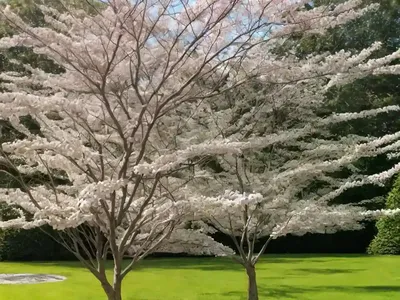
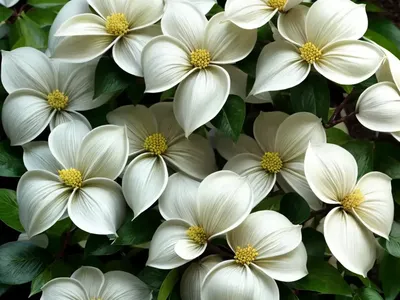
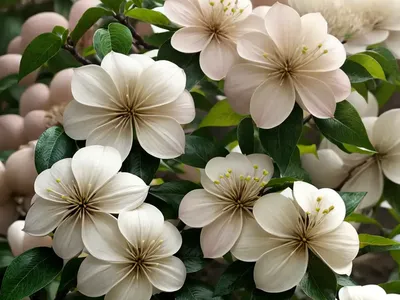
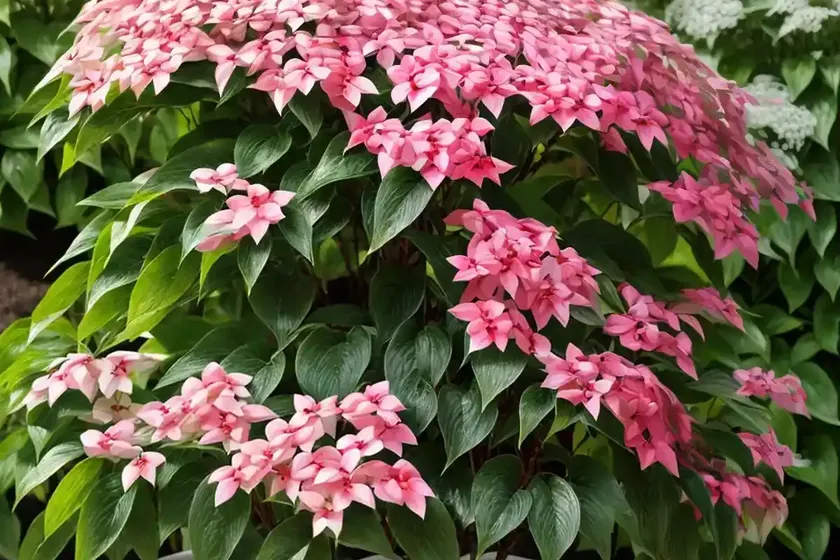
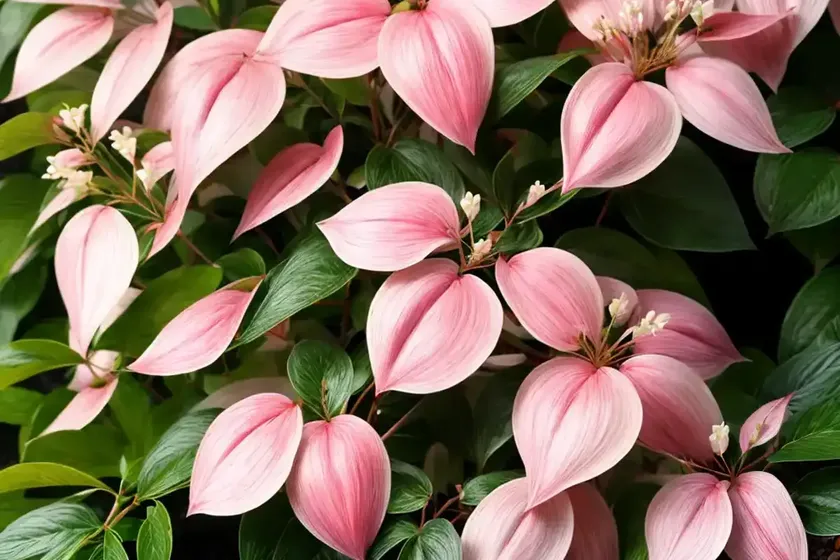
Red-Osier Dogwood, or Cornus sericea, is a deciduous shrub belonging to the Cornaceae family. It is known for its vibrant red bark, especially noticeable during the winter, which adds a delightful pop of color to the landscape. The plant is characterized by its cluster of small, creamy-white flowers and bluish-white berries, providing visual interest throughout the seasons.
The botanical characteristics of Red-Osier Dogwood include opposite, simple leaves with an ovate to lanceolate shape. It typically reaches a height of 7 to 9 feet and spreads to form dense thickets through its rhizomatous growth habit. Beyond its aesthetic appeal, this plant offers several ecological benefits, such as providing food and shelter for wildlife, aiding in erosion control, and contributing to wetland ecosystems.
Now, let’s delve into the key takeaways and essential aspects of this distinctive shrub.
Key Takeaways – Red-Osier Dogwood (Cornus sericea)
Culture
Red-Osier Dogwood, also known as Cornus sericea, is a resilient shrub that thrives in a variety of environmental conditions. Understanding its cultural requirements is essential for successfully cultivating and maintaining this species.
Uses
- Landscaping: Red-Osier Dogwood is widely utilized in landscaping for its vibrant winter color, naturalizing effects, and wildlife habitat enhancement.
- Ecological Restoration: It plays a crucial role in naturalizing wetlands, stabilizing soil, and providing food and shelter for various wildlife species.
Water
- Adequate moisture is vital, especially during the establishment phase. Once established, it exhibits good tolerance to occasional flooding and can thrive in moist to wet soils.
Sunlight
- While it can tolerate partial shade, Red-Osier Dogwood generally thrives in full sun to partial shade conditions.
Fertilizer
- Generally, this shrub does not require regular fertilization if grown in its native or preferred growing conditions. However, if soils are poor, a balanced slow-release fertilizer can be applied in early spring to support growth.
Soil
- It prefers consistently moist, well-drained soils and is well-suited for acidic to slightly alkaline soil pH levels.
Pruning
Proper pruning is essential to maintain the attractive form of Red-Osier Dogwood and stimulate vibrant new growth. Understanding the correct pruning techniques is vital for ensuring the health and appearance of the shrub.
Propagation
Red-Osier Dogwood can be propagated through various methods such as seed germination, softwood cuttings, and division. Understanding the propagation techniques is crucial for expanding the presence of this species in different settings.
Container Popularity
Due to its ornamental features and adaptability to various climates, Red-Osier Dogwood is a popular choice for container gardening, providing an excellent option for introducing vibrant colors in urban and small-space settings.
Common Diseases
Though generally resilient, Red-Osier Dogwood is susceptible to certain diseases such as powdery mildew and leaf spot. Familiarizing with these potential diseases is essential for timely prevention and treatment.
Disease Diagnosis
Identifying and diagnosing diseases affecting Red-Osier Dogwood is crucial for implementing appropriate management strategies and ensuring the plant’s health and vigor.
Common Pests
The shrub may face infestations from aphids, borers, and scale insects. Recognizing and addressing common pest issues is vital for preserving the plant’s vitality.
Botanist’s Tips
- Regular monitoring and observation of the plant are essential to promptly identify and address any potential issues related to pests, diseases, or cultural care requirements.
- Incorporating companion plants that complement the aesthetics and cultural preferences of Red-Osier Dogwood can create visually appealing and ecologically beneficial landscapes.
Fun Facts
- The bright red bark of Red-Osier Dogwood is particularly pronounced during the winter months, adding a striking visual element to the landscape.
- Native American tribes historically used various parts of Red-Osier Dogwood for medicinal purposes and crafting functional items such as tools and baskets.
Now that we have gained an overview of the key aspects of Red-Osier Dogwood, we will delve deeper into each of these elements, providing comprehensive insights and practical tips for successfully cultivating and caring for this versatile shrub.
Cultivation and Care Instructions
Planting Tips
Red-Osier Dogwood thrives in moist, well-drained soils and is well-suited for a variety of landscape settings, from naturalized areas to formal gardens. When planting this species, the following tips can help ensure its successful establishment and growth:
- Planting Time: In most regions, early spring or late fall is an ideal time for planting Red-Osier Dogwood. This allows the shrub to establish itself before the onset of extreme temperatures.
- Soil Preparation: Prepare the planting site by incorporating organic matter into the soil to enhance its moisture retention and fertility. Ensure that the soil drains well to prevent waterlogging.
- Spacing: When planting multiple shrubs, provide adequate spacing, typically around 4 to 6 feet apart, to accommodate their mature spread and avoid overcrowding.
Growing Conditions
Understanding the environmental requirements of Red-Osier Dogwood is crucial for providing the optimal conditions for its growth and development.
Water Requirements
- Establishment Phase: During the initial establishment phase, ensure consistent moisture to promote root development. Regular watering is essential, especially during dry spells or periods of inadequate rainfall.
- Mature Plants: Once established, Red-Osier Dogwood exhibits good tolerance to occasional flooding and can thrive in moist to wet soil conditions.
Sun Exposure
- Red-Osier Dogwood thrives in full sun to partial shade conditions. In hotter climates, providing some afternoon shade can help prevent stress and sunburn on the leaves during the peak summer months.
Pruning Techniques
Proper pruning not only helps maintain the attractive form of Red-Osier Dogwood but also stimulates new growth and enhances its overall health. Pruning should be conducted with careful consideration of the plant’s natural growth habit and the desired aesthetic or functional objectives.
Pruning Schedule
- Late Winter or Early Spring: Conduct major pruning during late winter or early spring before the onset of new growth. This timing allows the shrub to recover and produce vibrant new growth during the growing season.
- Deadwood Removal: Regularly remove dead, damaged, or diseased wood throughout the year to maintain plant vigor and prevent potential disease spread.
Pruning Techniques
- Suckering Growth: Red-Osier Dogwood often forms dense thickets through its rhizomatous growth habit. Periodically thinning out the oldest stems and unwanted suckers can help manage its growth and maintain an open and attractive form.
- Rejuvenation Pruning: If the shrub becomes overgrown or woody, rejuvenation pruning can be conducted by cutting back about one-third of the oldest stems to ground level. This promotes vigorous new growth and helps renew the plant’s appearance.
Propagation Methods
To propagate Red-Osier Dogwood, various methods such as seed germination, softwood cuttings, and division can be employed to establish new plants. Understanding these propagation techniques enables the expansion of this species in different settings.
Seed Germination
- Collect mature berries in the fall and extract the seeds from the fleshy pulp. Stratify the seeds by cold-moist stratification for 3 to 4 months before sowing them in a prepared seedbed.
- Keep the seedbed consistently moist, and the seeds should germinate within several weeks to a few months, depending on the species and environmental conditions.
Softwood Cuttings
- Softwood cuttings can be taken during the active growing season, typically in early summer. Select healthy, non-flowering shoots and prepare 4 to 6-inch cuttings with a heel or base.
- Dip the cut ends in a rooting hormone and place the cuttings in a well-draining rooting medium. Maintain high humidity and consistent moisture to encourage root development, and root formation is typically achieved within a few weeks to a couple of months.
Division
- Red-Osier Dogwood can be propagated by division during the dormant season when the shrub is devoid of active foliage and undergoing a period of dormancy.
- Carefully lift and divide the shrub, ensuring that each division contains a healthy portion of the root system and above-ground growth. Replant the divisions in prepared soil and provide appropriate care to support their establishment.
Winter Care
During the winter months, Red-Osier Dogwood retains its visual appeal through the vibrant color of its red stems. Proper winter care ensures the plant’s health and vitality, while also preserving its aesthetic charm during the dormant season.
Winter Interest
- The bright red branches of Red-Osier Dogwood are particularly prominent during the winter, creating a striking visual display against a backdrop of snow or dormant landscapes.
- Regularly inspect the shrub during the winter months to ensure that the stems remain healthy and vibrant, and prune out any dead or damaged wood to maintain its winter interest.
Cold Tolerance
- Red-Osier Dogwood exhibits good cold tolerance and is well-suited for cultivation in regions with harsh winter conditions. Its ability to retain vibrant color even in cold climates enhances its value for winter landscapes.
Diseases and Pest Management
Common Diseases
Understanding the potential diseases affecting Red-Osier Dogwood is essential for timely prevention and management strategies to maintain the plant’s health and vigor.
Powdery Mildew
- Powdery mildew, caused by fungal pathogens, can affect the leaves of Red-Osier Dogwood, leading to a powdery white growth on the leaf surfaces.
- Promote good air circulation around the plant, and avoid overhead watering to minimize conditions conducive to powdery mildew development. Fungicidal treatments may be employed if the disease becomes severe.
Leaf Spot
- Leaf spot diseases can cause circular to irregularly shaped lesions on the foliage, leading to aesthetic decline and potential defoliation.
- Maintain good sanitation practices by removing and disposing of affected leaves, and consider fungicidal treatments during periods of prolonged wet weather to manage leaf spot diseases.
Disease Diagnosis
Prompt identification and diagnosis of diseases affecting Red-Osier Dogwood enable the implementation of appropriate management strategies to minimize their impact.
Symptom Recognition
- Regularly inspect the foliage, stems, and overall health of the plant for any signs of discoloration, lesions, or unusual growth patterns that may indicate disease presence.
- Pay attention to changes in leaf color, foliar lesions, and abnormal growth habits, and compare them with known symptoms of common diseases affecting this species.
Cultural Care Adjustments
- Ensure that the plant is provided with appropriate growing conditions, including sufficient sunlight, moisture, and proper soil drainage, to promote overall plant health and resilience against diseases.
Common Pests
The shrub may face infestations from a range of pests, and understanding their characteristics and management is crucial for preserving the plant’s vitality.
Aphids
- Aphids are small, soft-bodied insects that can colonize the foliage of Red-Osier Dogwood, causing distortion of new growth and honeydew secretion.
- Natural predators such as ladybugs and lacewings can help control aphid populations, and targeted insecticidal sprays can be employed if necessary to manage severe infestations.
Borers
- Borers are wood-boring insects that can cause structural damage to the stems and branches of Red-Osier Dogwood, leading to weakened growth and increased susceptibility to diseases.
- Preventive measures such as maintaining plant vigor through proper cultural care and promptly removing and destroying infested wood can help minimize borer infestations.
Scale Insects
- Scale insects can infest Red-Osier Dogwood, feeding on plant sap and causing yellowing of foliage, stunted growth, and sooty mold development.
- Horticultural oils or insecticidal soaps can be applied to target scale insects, and natural predators such as parasitic wasps can aid in managing scale populations.
Landscaping Ideas and Ecological Significance
Wildlife Habitat
Red-Osier Dogwood serves as a valuable wildlife habitat, providing food, shelter, and nesting sites for various bird species and small mammals. Its berries are an important food source for birds during the winter months, contributing to the ecological diversity and wildlife support in natural areas and home landscapes.
Erosion Control
Due to its dense root system and rhizomatous growth habit, Red-Osier Dogwood is effective in stabilizing soil and preventing erosion, particularly in riparian zones, wetlands, and other ecologically sensitive areas. Its ecological role in erosion control makes it an ideal addition to restoration projects and landscape designs focused on sustainable land management.
Ornamental Value
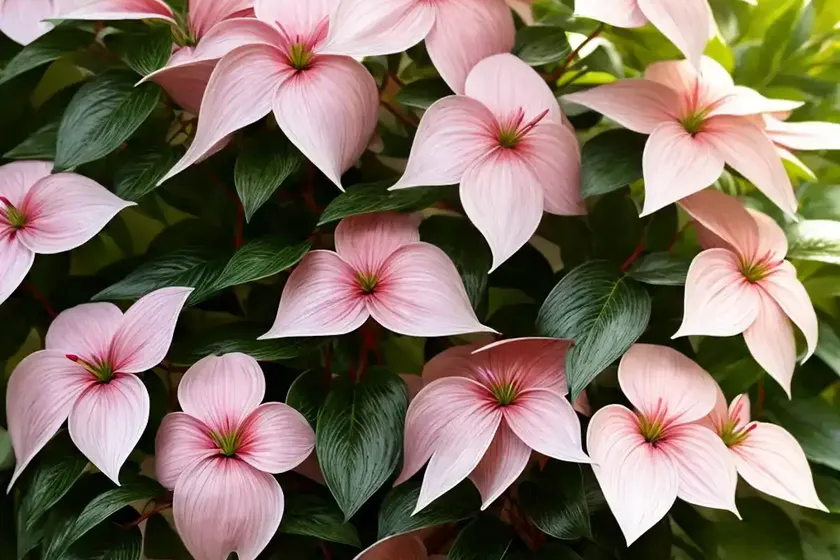
The vibrant color of Red-Osier Dogwood’s stems and its cluster of white flowers and bluish berries offer considerable ornamental value, adding visual interest to gardens, naturalized areas, and urban landscapes. Whether utilized as a standalone specimen or as part of mixed plantings, its ornamental appeal enhances the aesthetic quality of diverse landscape settings.
Wildlife Garden
Incorporating Red-Osier Dogwood in wildlife gardens and naturalistic landscapes promotes biodiversity and provides a source of sustenance and habitat for a range of wildlife species. The shrub’s ecological contributions align with the principles of sustainable gardening and support the creation of wildlife-friendly environments.
Urban Planting
Red-Osier Dogwood is well-suited for urban planting due to its adaptability to diverse soil conditions, resilience to pollution, and ornamental characteristics. Its use in urban landscapes contributes to the enhancement of green spaces and the promotion of ecological resilience within urban environments.
Natural Dyes
Historically, various parts of Red-Osier Dogwood were utilized for producing natural dyes, reflecting its cultural and practical significance in traditional uses. The pigments derived from the plant’s bark and berries have been traditionally employed for dyeing textiles, adding a cultural dimension to its multifaceted uses.
Links to External Resources
For further information and resources on Red-Osier Dogwood (Cornus sericea), refer to the following links:
- USDA Plants Database – Cornus sericea
- Missouri Botanical Garden – Red-Osier Dogwood
- University of Florida IFAS Extension – Red-Osier Dogwood
- Lady Bird Johnson Wildflower Center – Cornus sericea
In conclusion, Red-Osier Dogwood (Cornus sericea) stands out as an exceptional shrub, offering a captivating blend of ornamental value, ecological significance, and practical uses. Understanding its cultivation, care requirements, ecological contributions, and landscaping potential provides a holistic perspective on the diverse roles it can play in various settings. Whether utilized for landscaping, ecological restoration, or wildlife support, this versatile shrub continues to enthrall gardeners, ecologists, and enthusiasts with its remarkable attributes and array of benefits.
As we celebrate the distinctive charm of Red-Osier Dogwood, let us recognize and appreciate its enduring contributions to natural landscapes, sustainable plantings, and cultural traditions, enriching our connection to the natural world and its remarkable biodiversity.
The comprehensive guide above aims to provide in-depth insights into the cultivation, care, and ecological significance of Red-Osier Dogwood (Cornus sericea), incorporating an array of practical tips and valuable resources for enthusiasts and horticulturalists. Whether for landscaping, ecological restoration, or wildlife support, the multifaceted traits of this shrub continue to captivate and inspire diverse applications in the realm of horticulture and ecological stewardship.