Cattleya Warneri (Cattleya Warneri)
Cattleya Warneri, also known as Cattleya warneri, is a stunning species of orchid known for its vibrant and fragrant blooms. As a plant scientist with a.
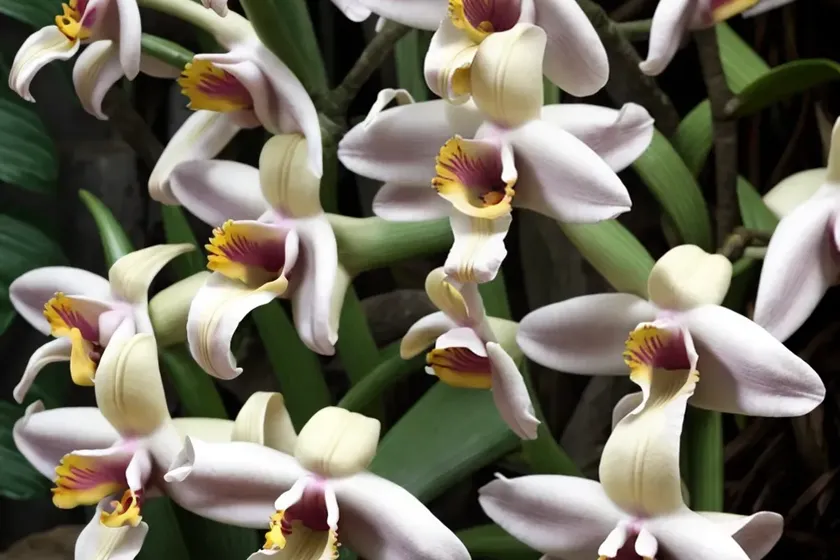
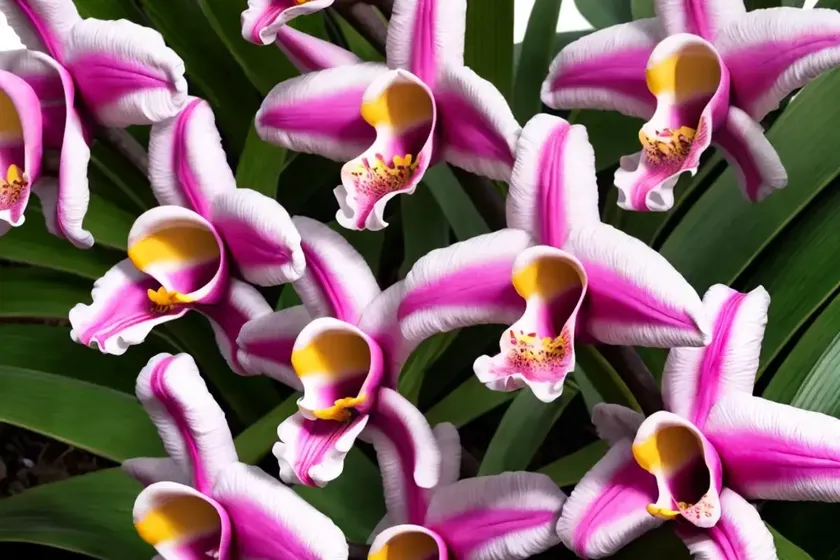
Cattleya Warneri, also known as Cattleya warneri, is a stunning species of orchid known for its vibrant and fragrant blooms. As a plant scientist with a deep appreciation for orchids, I am excited to delve into the details of this remarkable plant. In this comprehensive guide, we will explore the key characteristics of Cattleya Warneri, its cultivation requirements, common uses, and much more. Whether you are an experienced orchid enthusiast or a beginner looking to expand your knowledge, this guide will provide valuable insights into the captivating world of Cattleya Warneri.
What is Cattleya Warneri?
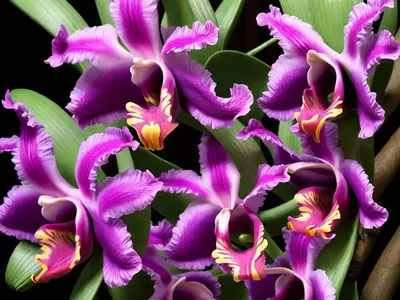
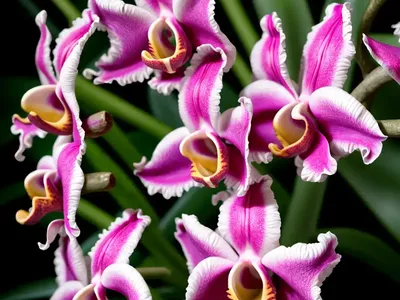
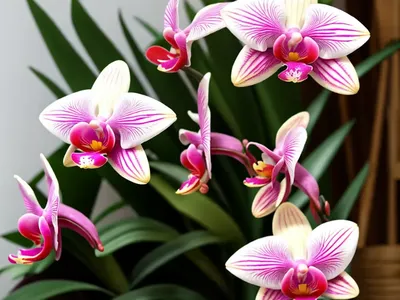
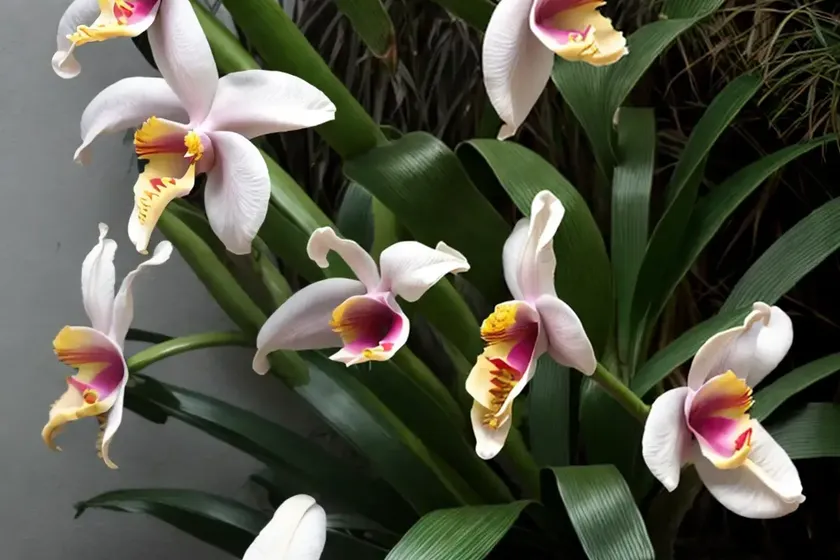
Cattleya Warneri is a species of orchid that belongs to the Cattleya genus within the Orchidaceae family. Native to Brazil, this orchid species is prized for its large, showy flowers and captivating fragrance. It is a epiphytic plant, commonly found growing on tree branches in its natural habitat. The name “Cattleya” honors William Cattley, an English horticulturist who played a significant role in the cultivation of orchids during the 19th century.
Key Takeaways – Cattleya Warneri
Before we delve into the specific aspects of Cattleya Warneri, let’s highlight some key takeaways about this remarkable orchid species.
- Common Name: Cattleya Warneri
- Scientific Name: Cattleya warneri
- Family: Orchidaceae
- Native Habitat: Brazil
- Characteristics: Large, fragrant flowers; epiphytic growth habit
- Uses: Ornamental purposes, cut flowers, hybridization
- Cultivation Requirements: Adequate sunlight, well-draining medium, controlled watering
Now that we have a general understanding of Cattleya Warneri, let’s explore its culture, uses, and essential care guidelines in detail.
Culture
Understanding the cultural requirements of Cattleya Warneri is essential for successfully cultivating and enjoying this exquisite orchid species. From lighting conditions to temperature preferences, each aspect contributes to the overall well-being of the plant.
Sunlight
Cattleya Warneri thrives in bright, indirect light. When grown indoors, placing the orchid near a south or east-facing window can provide the optimal amount of sunlight. In its natural habitat, these orchids are accustomed to dappled sunlight as they grow on tree branches, allowing them to receive the right balance of light and shade. Adequate light is crucial for the plant’s flowering and overall growth.
Water
Proper watering is critical for the health of Cattleya Warneri. As an epiphytic orchid, it requires a well-draining growing medium that allows excess water to drain away quickly. The “dry and wet” cycle is beneficial for these orchids, where the roots dry out slightly between watering sessions. During the active growth phase, typically in spring and summer, the plant may require more frequent watering. In contrast, during the rest period in fall and winter, watering should be reduced to simulate the drier conditions of its natural habitat.
Fertilizer
Regular fertilization is key to promoting healthy growth and robust flowering in Cattleya Warneri. A balanced orchid fertilizer with an N-P-K ratio of 20-20-20 or 30-10-10 can be applied at half-strength every two weeks during the growing season. It is essential to avoid over-fertilization, as excessive nutrients can harm the plant’s delicate root system. During the rest period, fertilizer application should be reduced or discontinued.
Soil
Cattleya Warneri is typically cultivated in a well-draining orchid mix that replicates its natural epiphytic growing conditions. Orchid mixes composed of bark, perlite, and charcoal provide excellent aeration and drainage, meeting the plant’s specific soil requirements. Repotting every 2-3 years, or when the growing medium begins to decompose, allows for the inspection and maintenance of the plant’s root system.
Pruning
Pruning requirements for Cattleya Warneri are minimal and primarily involve the removal of spent flower spikes and old, withered pseudobulbs. This practice encourages the plant to focus its energy on new growth and flowering, promoting overall vitality.
Propagation
Propagating Cattleya Warneri allows enthusiasts to expand their orchid collection and share the beauty of this species with others. The primary methods of propagation for Cattleya Warneri include division and the cultivation of new growths.
Division
When dividing Cattleya Warneri, it is essential to ensure that each division has several healthy pseudobulbs and a viable root system. The divided sections can be potted in a suitable orchid mix and provided with the necessary care to encourage establishment and growth.
New Growths
Encouraging the development of new growths, or “back bulbs,” can be a natural method of propagation for Cattleya Warneri. As these new growths mature, they can be carefully separated from the parent plant and potted individually, allowing them to develop into independent plants.
Container
Selecting the right container for Cattleya Warneri is an important consideration to promote optimal growth and provide a suitable environment for the plant’s root system.
-
Pot Size: A shallow, well-ventilated pot that accommodates the plant’s pseudobulbs and allows for adequate drainage is ideal for Cattleya Warneri. Select a pot that provides ample room for the orchid to grow and expand its root system.
-
Growing Medium: As mentioned earlier, a well-draining and airy orchid mix composed of materials such as bark, perlite, and charcoal provides an excellent growing medium for Cattleya Warneri. The potting medium should maintain a balance of moisture and aeration to support healthy root growth.
Popularity
Cattleya Warneri is well-regarded among orchid enthusiasts and collectors for its striking appearance and captivating fragrance. The species holds a significant place in the world of orchid cultivation and has garnered admiration for its ornamental value.
Common Diseases
As with any plant, Cattleya Warneri is susceptible to certain diseases that can affect its overall health and vitality. Understanding these common diseases and their management is crucial for maintaining the well-being of the plant.
Disease Diagnosis
-
Fungal Infections: Common fungal infections such as root rot and leaf spots can impact Cattleya Warneri. Symptoms may include discolored or softening pseudobulbs, yellowing leaves, and the presence of dark spots or lesions.
-
Bacterial Diseases: Bacterial infections can manifest as soft, watery lesions on pseudobulbs and leaves, often accompanied by a foul odor. Proper diagnosis is essential to implement targeted treatment measures.
Common Pests
In addition to diseases, Cattleya Warneri may be susceptible to pest infestations that can compromise its health and vigor.
-
Scale Insects: These pests can appear as small, raised bumps on the leaves and pseudobulbs of the orchid. They feed on plant sap and can cause wilting and yellowing of the affected areas.
-
Mealybugs: Mealybugs are small, cottony insects that infest various parts of the orchid, including the new growth and flower spikes. Their presence can lead to stunted growth and distortion of plant tissues.
-
Spider Mites: Spider mites can be particularly problematic for Cattleya Warneri, causing stippling, discoloration, and webbing on the leaves. These pests can quickly spread if not addressed promptly.
Botanist’s Tips
To ensure the successful cultivation of Cattleya Warneri and appreciate the full beauty of this orchid species, it is beneficial to consider the following tips from a botanist’s perspective.
-
Observation: Regularly monitor the plant for any signs of stress, disease, or pest infestations. Early detection allows for prompt intervention and treatment.
-
Optimal Conditions: Strive to provide the ideal growing conditions for Cattleya Warneri, including adequate light, proper watering, and balanced fertilization. Consistency in care fosters healthy, vibrant growth.
-
Seasonal Adjustments: Recognize and respond to the plant’s seasonal growth patterns, adjusting watering and fertilization practices accordingly to align with its natural rhythms.
-
Cultural Adaptation: Understanding the species’ native habitat and growth habits can inform and guide its cultivation in a home or greenhouse environment. Emulating its natural conditions can enhance its overall well-being.
Fun Facts
Exploring the intriguing aspects of Cattleya Warneri can uncover fascinating and delightful facts that further enrich our appreciation for this orchid species.
-
Fragrant Blooms: Cattleya Warneri is known for its enchanting fragrance, often described as citrusy or floral, adding to its allure as an ornamental plant.
-
Native Habitat: In its native habitat of Brazil, Cattleya Warneri can be found growing epiphytically on tree branches, showcasing its adaptability to diverse environments.
-
Hybridization: Due to its appealing traits, Cattleya Warneri has been involved in hybridization efforts, leading to the creation of captivating orchid hybrids with diverse colors and forms.
Links to External Resources
For further information and in-depth resources about Cattleya Warneri and orchid cultivation, the following external links are valuable references:
In summary, Cattleya Warneri stands as a testament to the captivating diversity of orchid species, captivating enthusiasts with its striking beauty and enchanting fragrance. By understanding its cultivation requirements, potential uses, and unique characteristics, we can foster a deeper appreciation for this remarkable orchid species and further enrich our exploration of the botanical world.
As a plant scientist, it is truly rewarding to uncover the intricate details and nuances of Cattleya Warneri, shedding light on its cultural significance and immense botanical appeal.
I hope you find this guide comprehensive and informative! If you have any more questions, feel free to ask. I’m here to assist you further!