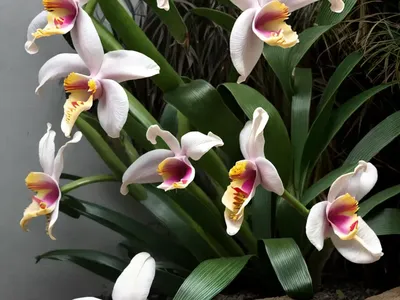
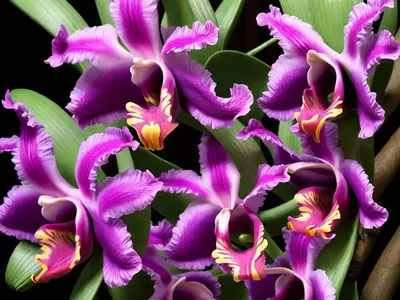
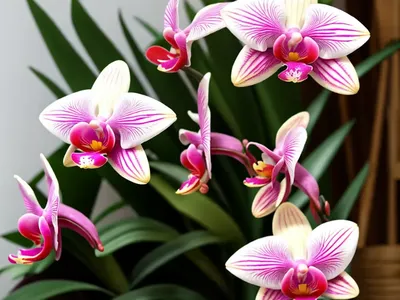
Cattleya Schilleriana (Consul Schiller’s Cattleya)
Plants play a crucial role in our lives, not only providing oxygen and food but also adding natural beauty to our surroundings. One of the most fascinating.
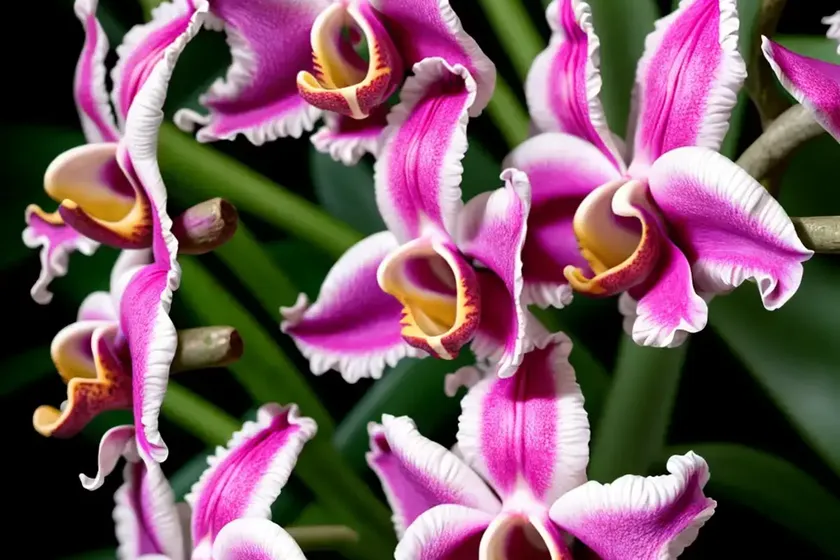
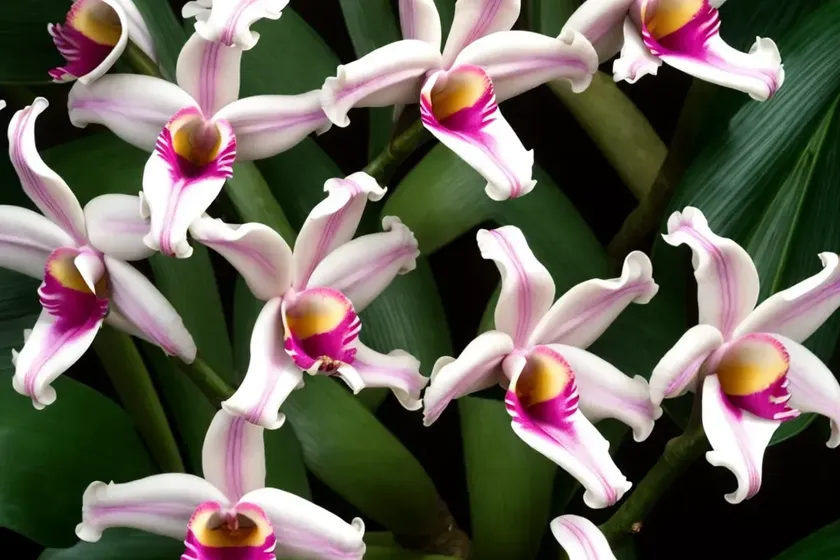
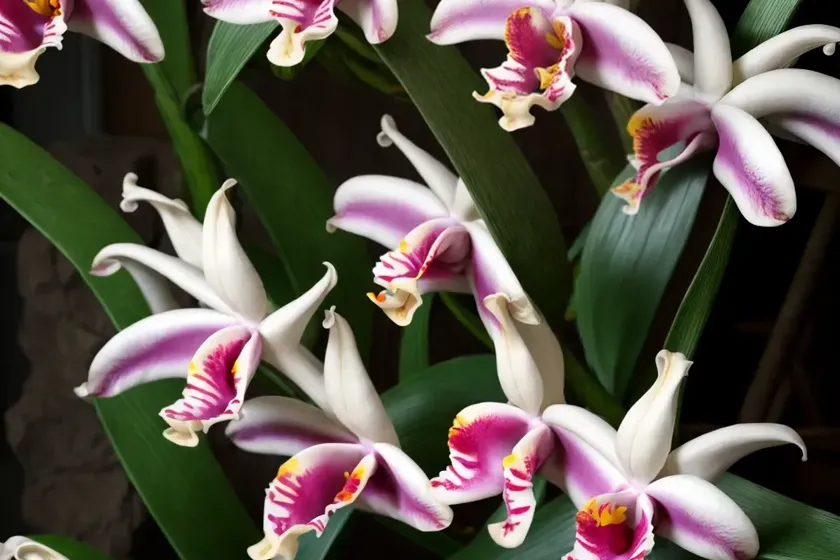
Plants play a crucial role in our lives, not only providing oxygen and food but also adding natural beauty to our surroundings. One of the most fascinating and captivating plants is the Cattleya Schilleriana, also known as Consul Schiller’s Cattleya. Its stunning flowers and unique characteristics make it a sought-after plant among enthusiasts and collectors.
In this comprehensive guide, we will explore the various aspects of Cattleya Schilleriana, including its culture, uses, care requirements, common diseases, and propagation techniques. Whether you are a seasoned orchid grower or a beginner looking to delve into the world of exotic plants, this guide will provide valuable insights into the cultivation and appreciation of Cattleya Schilleriana.
What is Cattleya Schilleriana?
Cattleya Schilleriana is an orchid species native to Brazil, where it thrives in the warm and humid environments of the Atlantic Forest. It belongs to the Cattleya genus, which is renowned for its large, showy flowers and widespread popularity among orchid enthusiasts. The species was named in honor of Consul Schiller, a prominent figure in the orchid world who played a pivotal role in the discovery and cultivation of this exquisite orchid.
Key Takeaways – Cattleya Schilleriana
Before delving into the specific care requirements and cultivation techniques for Cattleya Schilleriana, let’s highlight some key takeaways about this captivating orchid:
- Scientific Name: Cattleya Schilleriana
- Common Name: Consul Schiller’s Cattleya
- Native Habitat: Brazil, Atlantic Forest
- Flower Characteristics: Large, fragrant flowers with vibrant colors
- Cultural Significance: Highly valued in the world of orchid enthusiasts and collectors
- Conservation Status: Efforts to protect its natural habitat and preserve the species
Culture and Uses
The cultural significance of Cattleya Schilleriana extends beyond its aesthetic appeal. This orchid holds a special place in the hearts of orchid enthusiasts, with its striking flowers often used for ornamental purposes and botanical exhibitions. Additionally, Cattleya Schilleriana has played a significant role in hybridization, contributing to the development of new orchid varieties with unique traits and characteristics.
Ornamental Use
One of the primary uses of Cattleya Schilleriana is its ornamental value. The large, vibrant flowers make it a favorite choice for floral arrangements, corsages, and decorative displays. The visual appeal and fragrance of the blooms have cemented the orchid’s status as a coveted ornamental plant, often featured in botanical gardens, floral shows, and private collections.
Hybridization and Breeding
Cattleya Schilleriana has been instrumental in the hybridization and breeding of orchid varieties. Its desirable traits, such as flower size, color diversity, and fragrance, have made it an invaluable parent species in the development of new hybrids. By crossbreeding Cattleya Schilleriana with other orchid species, hybridizers have expanded the range of orchid cultivars available to enthusiasts and commercial growers.
Care Requirements
Understanding the specific care requirements of Cattleya Schilleriana is essential for successfully cultivating and enjoying this remarkable orchid. From watering and sunlight exposure to fertilizer and pruning, each aspect of its care plays a crucial role in fostering healthy growth and vibrant blooms.
Watering
Proper watering is vital for the health and vigor of Cattleya Schilleriana. As an epiphytic orchid, it naturally grows on trees in its native habitat, absorbing moisture from the air and rain. When cultivating Cattleya Schilleriana, it’s essential to replicate the intermittent wet and dry cycles that mimic its natural environment.
-
Watering Frequency: Water the orchid thoroughly, allowing the potting medium to drain freely. During the active growing season, typically spring and summer, water the plant when the potting medium approaches dryness. In the winter months, reduce the frequency of watering to prevent waterlogged conditions.
-
Water Quality: Use tepid, soft water when irrigating Cattleya Schilleriana to avoid mineral buildup and potential damage to the orchid’s roots. Rainwater or distilled water is preferable, especially in regions with hard tap water.
Sunlight
Proper exposure to sunlight is crucial for the healthy growth and blooming of Cattleya Schilleriana. In its natural habitat, the orchid thrives in bright, indirect light, utilizing the dappled sunlight filtering through the forest canopy.
-
Light Requirements: Provide Cattleya Schilleriana with bright, indirect light, avoiding prolonged exposure to direct sunlight, especially during the hottest hours of the day. A south- or east-facing window where the orchid receives filtered sunlight is ideal for its cultivation.
-
Light Intensity: Monitor the intensity of light reaching the orchid to ensure it receives optimal levels for photosynthesis and flowering. Adjust the placement of the plant if it experiences excessive light exposure, which may lead to leaf scorching or sun damage.
Fertilizer
Supplemental feeding with a balanced fertilizer is essential for promoting robust growth and prolific blooming in Cattleya Schilleriana. A well-formulated orchid fertilizer provides the necessary nutrients to support the orchid’s physiological processes and enhance its overall vitality.
-
Fertilizer Composition: Use a water-soluble orchid fertilizer with balanced NPK (nitrogen, phosphorus, potassium) ratios, formulated specifically for epiphytic orchids. Select a fertilizer with a higher nitrogen content during the active growing season to promote healthy foliage development and a formulation with elevated phosphorus levels to stimulate flower production.
-
Frequency of Feeding: Fertilize Cattleya Schilleriana at regular intervals, typically every two to three weeks during the growing season. Reduce the frequency to monthly or bimonthly applications during the winter months when the plant’s metabolic activity slows down.
Soil
Establishing the appropriate growing medium for Cattleya Schilleriana is crucial for simulating its natural habitat and ensuring proper root aeration and drainage. As an epiphytic orchid, Cattleya Schilleriana does not grow in traditional soil but requires a specialized potting medium to support its unique root structure and growth habits.
-
Potting Medium: Prepare a well-draining potting mix for Cattleya Schilleriana, incorporating components such as coarse bark, sphagnum moss, and perlite. The porous nature of the potting medium allows for ample air circulation around the orchid’s roots and prevents waterlogged conditions that can lead to root rot.
-
Repotting Schedule: Evaluate the condition of the potting medium and the orchid’s root system annually, considering repotting if the medium has broken down or become compacted. Repot Cattleya Schilleriana after flowering or during the spring months, using a slightly larger container to accommodate its expanding root system.
Pruning
Pruning plays a vital role in maintaining the health and appearance of Cattleya Schilleriana, allowing for the removal of spent flower spikes and old pseudobulbs. Pruning also facilitates improved air circulation around the plant, reducing the risk of fungal infections and pest infestations.
-
Flower Spike Removal: After the blooming period, trim the spent flower spikes close to the base of the pseudobulb to redirect the plant’s energy towards new growth and flowering. Use sterile pruning shears to make clean cuts and minimize the risk of contamination or injury to the orchid.
-
Pseudobulb Maintenance: Periodically remove withered or yellowing pseudobulbs from Cattleya Schilleriana to promote the development of new growth and prevent the accumulation of decaying tissue. Inspect the pseudobulbs for signs of rot or disease, taking prompt action to prevent their spread to healthy tissue.
Propagation
The propagation of Cattleya Schilleriana allows enthusiasts to expand their orchid collection and share the beauty of this species with fellow growers. Understanding the various propagation methods, from division to seed propagation, provides valuable insights into the reproductive biology of Cattleya Schilleriana.
Propagation Techniques
-
Division: Propagation by division involves separating the orchid’s pseudobulbs and associated roots to establish new, independent plants. Dividing Cattleya Schilleriana is typically carried out during the repotting process, ensuring that each division has sufficient pseudobulbs and a healthy root system to support its growth.
-
Backbulb Propagation: Backbulb propagation utilizes the dormant pseudobulbs of Cattleya Schilleriana to generate new plantlets. Select mature pseudobulbs with viable eyes and healthy tissue, and plant them in a suitable potting medium to initiate new growth.
-
Meristem Culture: This advanced propagation method involves the isolation and cultivation of meristematic tissue from the orchid, allowing for the production of genetically identical clones. Meristem culture is often conducted in laboratory settings and requires specialized equipment and techniques.
Container and Potting
Selecting the right container and potting medium is essential for the successful growth and development of Cattleya Schilleriana. The choice of container, pot size, and potting mix directly impacts the orchid’s root health and overall vitality.
Container Selection
-
Material: Choose containers made of durable, breathable materials such as clay pots or specialized orchid pots with ample drainage holes. The porous nature of these containers promotes air exchange and prevents water accumulation.
-
Size: Select a container that provides adequate room for the orchid’s roots to expand, with approximately 1-2 inches of space around the root mass. Avoid excessively large containers, as they can retain excess moisture and lead to root rot.
Potting Medium
-
Components: Prepare a well-aerated potting medium using a blend of coarse bark, sphagnum moss, and perlite. The combination of these components ensures proper drainage, root aeration, and moisture retention, replicating the orchid’s natural growing environment.
-
Compatibility: Ensure that the potting medium is compatible with the specific requirements of Cattleya Schilleriana, providing the necessary support for its pseudobulbs, roots, and new growth.
Common Diseases and Pest Control
Despite its resilience, Cattleya Schilleriana is susceptible to certain diseases and pest infestations that can affect its overall health and blooming. Understanding the symptoms, treatments, and preventive measures for common orchid ailments is essential for maintaining the vigor and vitality of the plant.
Disease Diagnosis
-
Bacterial Rot: Symptoms include soft, water-soaked lesions on pseudobulbs and root rot. Treat with a copper-based fungicide and improve air circulation to prevent recurrence.
-
Fungal Infections: Manifests as dark spots on leaves, pseudobulbs, or flower spikes. Use a systemic fungicide and adjust watering practices to reduce humidity levels.
-
Viral Diseases: Viral infections often result in distorted growth, mottled foliage, and reduced vigor. Unfortunately, there are no effective treatments for viral diseases, necessitating the isolation and disposal of infected plants to prevent spread.
Common Pests
-
Spider Mites: These tiny pests can cause stippling on leaves and webs between pseudobulbs. Miticides and increased humidity help control spider mite populations.
-
Scale Insects: Scale insects appear as raised, waxy bumps on leaves and pseudobulbs. Physical removal and the application of horticultural oils can effectively manage scale infestations.
-
Mealybugs: Mealybugs often congregate in protected areas of the plant, secreting honeydew and causing leaf yellowing. Treat with insecticidal soap and horticultural oils, targeting the mealybugs and their egg masses.
Botanist’s Tips
As a botanist with a passion for orchids, I have gathered valuable insights and practical tips for cultivating and appreciating Cattleya Schilleriana. These tips encompass various aspects of care, propagation, and appreciation, providing a holistic approach to fostering the health and beauty of this remarkable orchid.
-
Humidity Management: Maintain adequate humidity levels, particularly during the active growing season, to support healthy root function and prevent desiccation. Humidity trays, misting, and humidifiers can be beneficial in regions with low ambient moisture.
-
Air Circulation: Ensure proper air circulation around Cattleya Schilleriana, reducing the risk of fungal infections and promoting robust growth. Position fans strategically to enhance air movement without subjecting the orchid to excessive drafts.
-
Winter Rest Period: Provide a slight reduction in watering and fertilization during the winter months, allowing Cattleya Schilleriana to enter a rest period. This mimics the seasonal changes in its natural habitat, preparing the plant for the onset of new growth in the spring.
Fun Facts
Exploring the fascinating world of Cattleya Schilleriana reveals a plethora of intriguing facts and anecdotes that contribute to its allure and cultural significance. Let’s uncover some captivating and little-known details about this iconic orchid species.
-
Historical Significance: Cattleya Schilleriana holds historical significance as one of the early orchid species discovered and cultivated during the golden age of orchid exploration in the 19th century.
-
Cultural Importance: In Brazilian culture, Cattleya Schilleriana has been celebrated as a symbol of elegance and beauty, often featured in traditional festivities and floral arrangements.
-
Botanical Artistry: The captivating flowers of Cattleya Schilleriana have inspired numerous botanical artists and illustrators, showcasing its enchanting blooms in exquisite paintings and illustrations.
Links to External Resources
For further exploration of Cattleya Schilleriana and to connect with fellow enthusiasts, here are some valuable resources and communities dedicated to orchid cultivation and appreciation:
-
American Orchid Society: The American Orchid Society offers a wealth of information, educational resources, and a thriving community of orchid aficionados.
-
Orchid Board: Engage in discussions, seek advice, and connect with experienced orchid growers on the Orchid Board forum, covering a wide range of orchid species and care topics.
-
Royal Horticultural Society: The Royal Horticultural Society provides comprehensive guides to orchid care, cultivation techniques, and upcoming orchid events and shows.
-
Orchid Species: Explore an extensive database of orchid species, including Cattleya Schilleriana, with detailed descriptions, photographs, and cultivation guidelines.
Conclusion
Cattleya Schilleriana, or Consul Schiller’s Cattleya, stands as a testament to the diversity and beauty of orchid species. Its vibrant flowers, rich cultural significance, and pivotal role in the world of orchid hybridization make it a plant of exceptional value and admiration. By understanding its care requirements, propagation techniques, and unique characteristics, enthusiasts can embark on a rewarding journey of cultivating and appreciating Cattleya Schilleriana, contributing to the preservation and celebration of this remarkable orchid species.