Cat’s Whiskers Plant (Orthosiphon Aristatus)
Plants are not just a source of aesthetic pleasure, but they also hold immense value in traditional medicine, horticulture, and environmental conservation..
Introduction
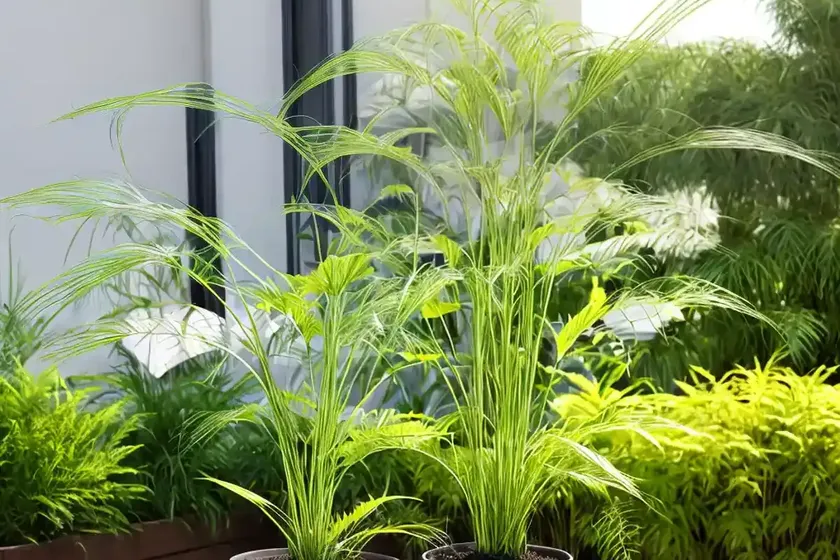
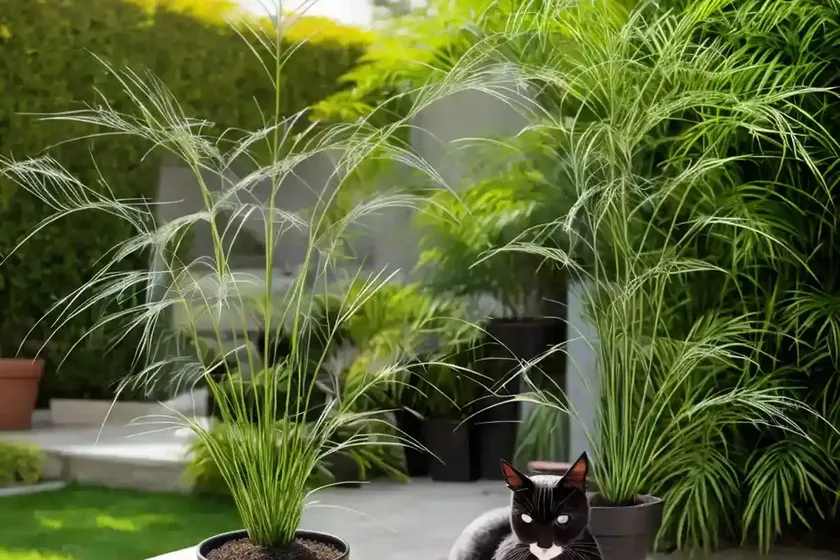
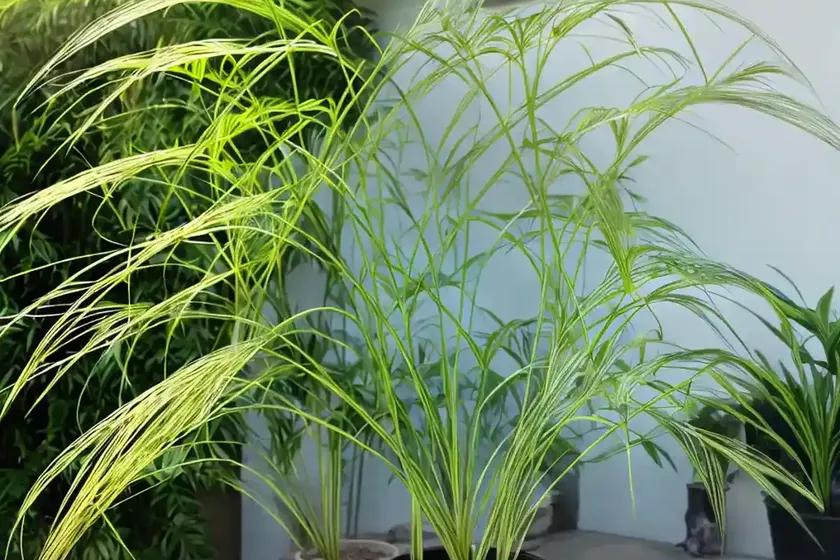
Plants are not just a source of aesthetic pleasure, but they also hold immense value in traditional medicine, horticulture, and environmental conservation. One such plant that has gained attention for its medicinal properties and ornamental appeal is the Orthosiphon aristatus, commonly known as the Cat’s Whiskers plant. This article will delve into the various aspects of this versatile plant, covering its classification, cultural requirements, uses, propagation, container gardening, diseases, pests, and interesting botanical insights.
What is the Cat’s Whiskers Plant (Orthosiphon Aristatus)?
Orthosiphon aristatus is a perennial herb belonging to the family Lamiaceae. It is native to Southeast Asia, particularly in countries like Indonesia, Malaysia, and Thailand. The plant is characterized by its unique flowers that resemble the whiskers of a cat, hence the common name “Cat’s Whiskers.” In traditional medicine, various parts of the plant, including the leaves and stems, are used to prepare herbal remedies for conditions such as kidney disorders, urinary tract infections, and inflammation.
Key Takeaways
Cat’s Whiskers Plant (Orthosiphon Aristatus)
The Cat’s Whiskers plant, also known as Orthosiphon aristatus, offers a range of benefits, including its medicinal uses, growth characteristics, and cultural significance. Understanding its key takeaways can provide valuable insights for its care and utilization.
- Medicinal Uses: The plant has a rich history in traditional medicine, especially in treating kidney-related ailments, urinary tract infections, and inflammation.
- Benefits: Its diuretic, anti-inflammatory, and detoxifying properties make it a valuable herb for promoting overall wellness.
- Growth Requirements: Understanding its specific cultural needs, such as water, sunlight, soil, and fertilizer requirements, is crucial for its successful growth.
- Propagation: Knowing the methods for propagating the Cat’s Whiskers plant allows for expanding its presence in gardens and landscapes.
- Container Gardening: The plant’s adaptability to containers makes it a popular choice for indoor and outdoor ornamental displays.
With these key takeaways in mind, let’s explore the various aspects of the Cat’s Whiskers plant in more detail.
Culture
Water
The Cat’s Whiskers plant thrives in moist, well-drained soil. While it requires regular watering, it is essential to avoid waterlogging, which can lead to root rot. During the growing season, maintain consistently moist soil, allowing the top layer to dry between watering sessions. In winter or drier climates, reduce the frequency of watering to prevent waterlogged conditions.
Sunlight
For optimal growth and flowering, the Cat’s Whiskers plant requires full sunlight or partial shade. Providing it with at least 6-8 hours of direct sunlight promotes vigorous growth and enhances the development of its characteristic cat’s whisker-like flowers.
Fertilizer
To support healthy growth and prolific flowering, fertilize the Cat’s Whiskers plant with a balanced, water-soluble fertilizer during the growing season. Apply the fertilizer according to the package instructions, typically every 4-6 weeks, to provide essential nutrients for the plant’s development.
Soil
The plant thrives in well-draining, slightly acidic to neutral soil. A mixture of loam, sand, and organic matter creates an ideal growing medium for the Cat’s Whiskers plant. Additionally, ensuring proper soil aeration and drainage is crucial for preventing waterlogged conditions and root diseases.
Uses
Medicinal Uses
Traditional Medicine
Orthosiphon aristatus has been utilized for centuries in traditional medicine across Southeast Asia. The leaves and stems of the plant are known for their diuretic, anti-inflammatory, and detoxifying properties, making them a valuable component in herbal remedies.
Kidney Health
One of the primary uses of the Cat’s Whiskers plant is in promoting kidney health. It is believed to support renal function and aid in addressing various kidney-related conditions.
Urinary Tract Infections
The plant’s diuretic and antimicrobial properties make it an effective remedy for urinary tract infections, helping to alleviate discomfort and promote urinary health.
Ornamental Uses
The unique appearance of the Cat’s Whiskers plant, characterized by its slender, tubular flowers arranged in whorls, makes it a charming addition to gardens, landscaping projects, and ornamental displays. The visually striking flowers and lush foliage lend an elegant touch to outdoor and indoor settings, enhancing their visual appeal.
Pruning
Pruning the Cat’s Whiskers plant is essential for maintaining its shape, controlling its size, and promoting healthy growth. Trim back any dead or diseased branches, as well as spent flowers, to encourage continuous blooming and prevent the plant from becoming straggly.
Propagation
The Cat’s Whiskers plant can be propagated through various methods, including seed propagation and stem cuttings.
Seed Propagation
- Collect ripe seeds from the plant.
- Sow the seeds in a well-draining potting mix, lightly covering them with soil.
- Keep the soil consistently moist and place the container in a warm, brightly lit area.
- Within a few weeks, the seeds should germinate, giving rise to new seedlings.
Stem Cuttings
- Take 4-6 inch cuttings from healthy, non-flowering stems of the plant.
- Remove the lower leaves from the cuttings, leaving only a few pairs of leaves at the tip.
- Dip the cut end in a rooting hormone to encourage root development.
- Plant the cuttings in a pot filled with a well-draining rooting medium.
- Keep the soil moist and provide indirect sunlight for the cuttings to establish roots.
Container Gardening
The Cat’s Whiskers plant adapts well to container gardening, making it an excellent choice for indoor and outdoor ornamental displays. When selecting a container, ensure that it has drainage holes to prevent waterlogging. Additionally, use a well-draining potting mix to support healthy root development. Regular watering and adequate sunlight are essential for the plant’s well-being in a container.
Popularity
The Cat’s Whiskers plant has gained popularity among gardeners, herbal enthusiasts, and landscaping professionals due to its striking appearance, cultural significance, and medicinal properties. Its adaptability to various growing conditions and container cultivation further enhances its popularity for ornamental use.
Common Diseases
Disease Diagnosis
The Cat’s Whiskers plant is susceptible to certain diseases and pests, which can affect its overall health and vigor. Common diseases that may affect the plant include:
- Powdery Mildew: This fungal disease appears as a powdery white substance on the leaves, often causing them to curl and deform.
- Root Rot: Overwatering and waterlogged conditions can lead to root rot, causing the plant to wilt and exhibit stunted growth.
Proper diagnosis of diseases and timely intervention are crucial for preventing the spread of infections and preserving the plant’s health.
Common Pests
Pest Management
- Aphids: These small, sap-sucking insects can infest the plant, causing yellowing of leaves and stunted growth.
- Spider Mites: These pests may create fine webbing on the undersides of leaves and cause stippling or yellowing of the foliage.
Regular inspection and the application of insecticidal soap or horticultural oil can help manage pest infestations and prevent damage to the plant.
Botanist’s Tips
As a botanist, it is essential to understand the unique characteristics and growth requirements of the Cat’s Whiskers plant to effectively cultivate and utilize it. Here are some tips for botanists and plant enthusiasts:
- Observation: Regularly observe the plant for signs of stress, disease, or nutrient deficiencies to address any issues promptly.
- Cultural Knowledge: Acquire in-depth knowledge of the plant’s cultural requirements, including its water, sunlight, soil, and fertilization needs, to optimize its growth and vigor.
- Propagation Techniques: Master various propagation methods, such as seed sowing and stem cuttings, to expand the plant’s presence and conserve its genetic diversity.
Fun Facts
Uncovering interesting botanical insights and fun facts about the Cat’s Whiskers plant adds depth to the appreciation of this unique species:
- The plant’s scientific name, Orthosiphon aristatus, is derived from the Greek words “orthos,” meaning straight, and “siphon,” meaning tube, referring to the shape of its flowers.
- It is also known by alternative names such as Java tea and kidney tea due to its traditional uses in herbal infusions for promoting kidney health.
Links to External Resources
For further exploration of the Cat’s Whiskers plant and its cultural, medicinal, and ornamental significance, the following external resources provide valuable information and insights:
- Flora of China: Orthosiphon Aristatus
- Medicinal Plants of Southeast Asia
- Royal Botanic Gardens, Kew: Orthosiphon Aristatus
In conclusion, the Cat’s Whiskers plant, Orthosiphon aristatus, holds significant botanical, cultural, and medicinal value, making it a fascinating subject of study and admiration. Whether in traditional medicine, ornamental horticulture, or ecological conservation, this versatile plant continues to captivate and contribute to various aspects of human well-being and environmental stewardship.
References:
– Flora of China: Orthosiphon Aristatus. Retrieved from link
– Medicinal Plants of Southeast Asia. Retrieved from link
– Royal Botanic Gardens, Kew: Orthosiphon Aristatus. Retrieved from link


