Catnip (Nepeta Cataria)
In the world of the Nepeta genus, Nepeta cataria stands out for various reasons. Commonly known as catnip, this perennial herbaceous plant is a member of.
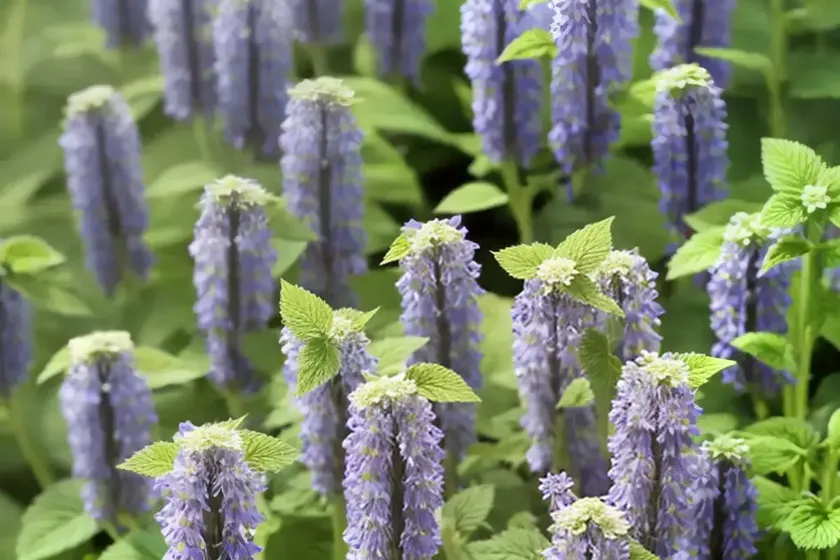
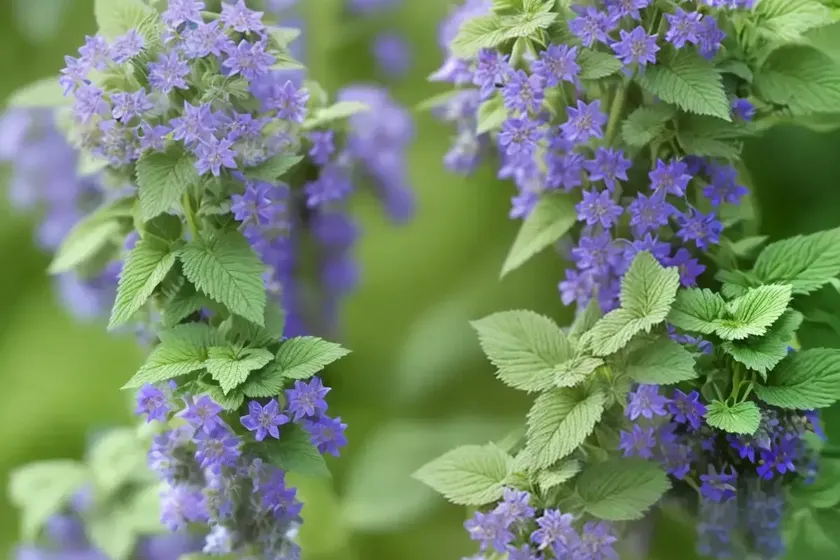
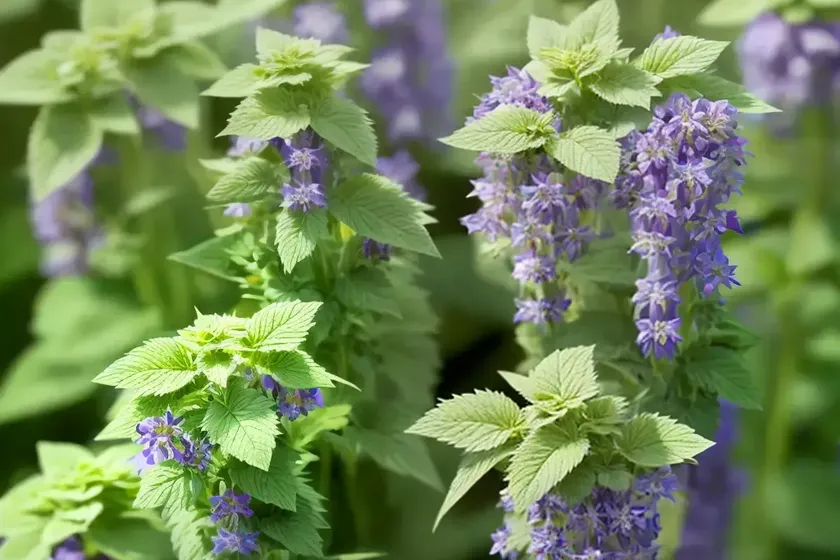
In the world of the Nepeta genus, Nepeta cataria stands out for various reasons. Commonly known as catnip, this perennial herbaceous plant is a member of the Lamiaceae family and is well-loved for its unique properties and diverse uses. From being a herb favored by our feline friends to its medicinal and culinary applications, the catnip plant has secured a special place in gardens and households around the world.
This comprehensive guide is intended to provide a deep understanding of the catnip plant, including its cultural requirements, uses, maintenance, and tips for successful growth. Whether you are a novice gardener exploring the world of herbs or seeking detailed insights into this remarkable plant, this guide is designed to be your go-to resource.
What is Catnip (Nepeta cataria)?
Catnip (Nepeta cataria) is a member of the mint family, renowned for its aromatic foliage and the profound effect it has on many cats. The plant is characterized by its square stems, heart-shaped, coarsely-toothed leaves, and dense spikes of white or lilac flowers. It is native to Europe and Asia but has been naturalized in North America and other regions.
Key Takeaways – Catnip (Nepeta cataria)
Before delving into the specifics of growing and caring for catnip, let’s explore some key takeaways about this extraordinary plant:
- Aromatic Leaves: The leaves of the Nepeta cataria are rich in essential oils, giving them their characteristic scent that is irresistible to many cats.
- Medicinal Uses: Catnip has a long history of medicinal use, with applications ranging from calming teas to relieving digestive discomfort.
- Easy to Grow: When provided with the right conditions, catnip is a relatively low-maintenance plant that thrives in many environments.
- Appeal to Cats: A significant number of cats are attracted to the scent of catnip, exhibiting behaviors ranging from playfulness to relaxation when exposed to it.
- Cultural Significance: Beyond its appeal to cats, catnip has been used for centuries in human medicine and culinary practices.
Now, let’s delve into the various aspects of cultivating and caring for this versatile plant.
Culture
Understanding the culture of catnip is essential for successful growth. This includes everything from the plant’s preferred climate to its maintenance requirements.
Uses
The uses of Nepeta cataria are diverse, catering to both human and feline needs. Below is a comprehensive list of its applications:
- Medicinal purposes, such as teas and tinctures
- Culinary uses, including flavoring dishes and infusions
- Aromatic applications, such as potpourri and essential oil extraction
- Natural pest control in gardens
- Enrichment and relaxation aid for cats
- Herbal remedies for various ailments
Water
Proper watering is crucial for the health and vitality of catnip plants. The frequency and method of watering play a significant role in ensuring optimal growth.
Sunlight
As with most plants, sunlight is essential for the photosynthetic process, which is crucial for the production of energy and growth in Nepeta cataria. Understanding the light requirements of catnip is vital for its cultivation.
Fertilizer
Applying the right fertilizers at the appropriate times will ensure that catnip plants receive essential nutrients for robust growth and abundant foliage.
Soil
The type of soil in which catnip is planted can greatly impact its overall health and vigor. Understanding the soil requirements and making necessary amendments can significantly enhance the plant’s growth.
Pruning
Regular pruning is beneficial for maintaining the shape and health of the catnip plant. Proper pruning practices can help prevent legginess and promote bushy growth.
Propagation
Being able to propagate catnip through various methods provides opportunities for expanding one’s catnip garden or sharing the plant with others. Understanding the propagation techniques can be a valuable skill for any gardener.
Container Popularity
Catnip is well-suited for container gardening, making it an attractive option for those with limited outdoor space or those who wish to cultivate catnip indoors. Understanding the essentials of container gardening with catnip is essential for success.
Container Common Diseases
While catnip is generally low-maintenance, it is not immune to diseases. Being aware of common diseases that can affect catnip plants and their symptoms is important for timely intervention.
Disease Diagnosis
Identifying diseases that can affect catnip plants is the first step in implementing effective treatment and control measures. This section delves into common catnip diseases and how to diagnose them.
Common Pests
Pests can pose a threat to catnip plants, affecting their growth and overall health. Understanding common pests and their impact on catnip is crucial for implementing appropriate pest management strategies.
Botanist’s Tips
Insights from botanists and experienced gardeners can offer valuable guidance on successfully growing and caring for catnip. This section features tips and recommendations from experts in the field.
Fun Facts
From historical anecdotes to fascinating botanical tidbits, this section is dedicated to sharing intriguing and entertaining facts about Nepeta cataria.
Links to External Resources
For further reading and detailed information about catnip, the following external resources are highly valuable:
- The American Botanical Council
- The Royal Horticultural Society
- National Gardening Association
- The Cat Fanciers’ Association
In this comprehensive guide, we have explored the distinct characteristics, uses, and cultivation requirements of Nepeta cataria, commonly known as catnip. Whether you are a botany enthusiast, a passionate gardener, or a cat lover seeking to enrich your feline companion’s environment, the information presented here aims to equip you with the knowledge and guidance needed to nurture healthy and thriving catnip plants. With the right care and attention, you can enjoy the aromatic foliage, explore its culinary and medicinal potentials, and provide your feline friends with a source of enrichment and relaxation.
Happy gardening and may your catnip thrive abundantly!


