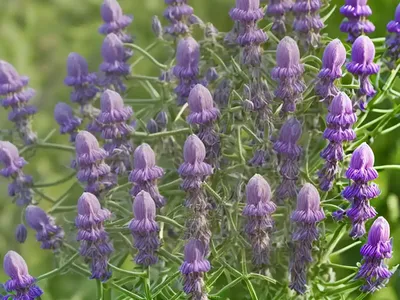
Caterpillar Plant (Scorpiurus Muricatus)
The Caterpillar Plant, scientifically known as Scorpiurus Muricatus, is a unique species that holds a special place in the world of botany. This.
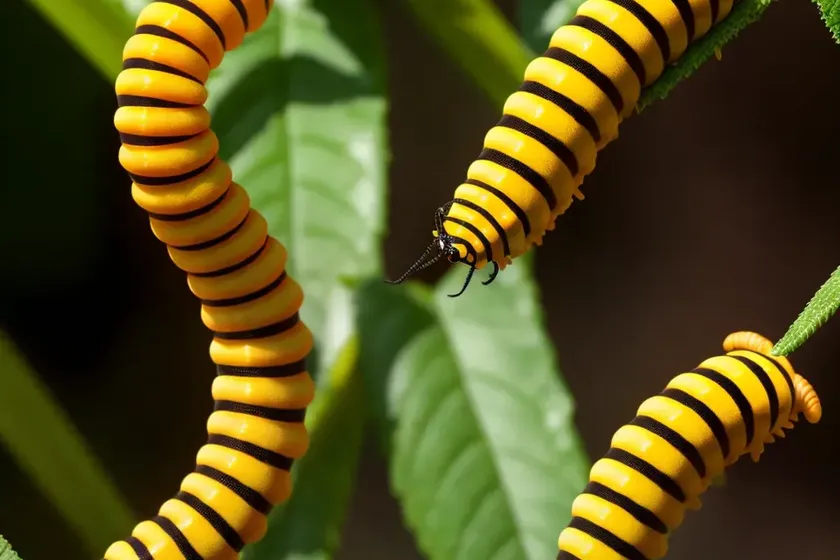
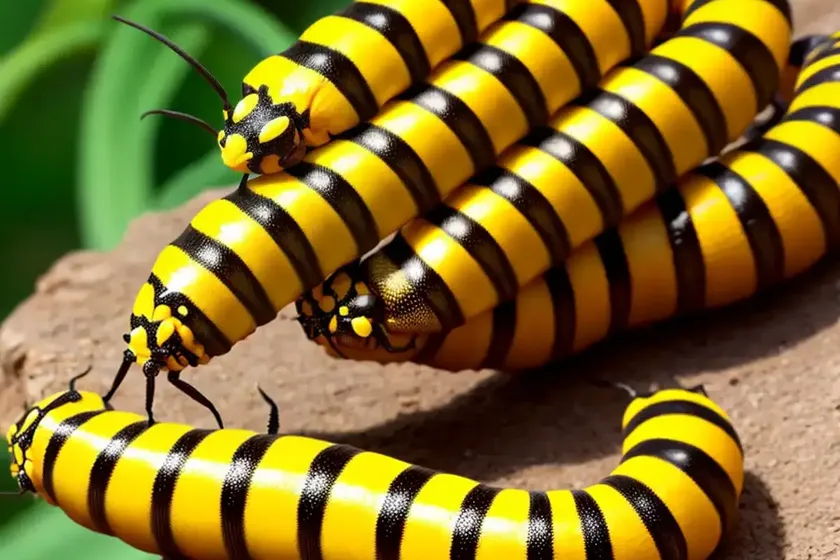
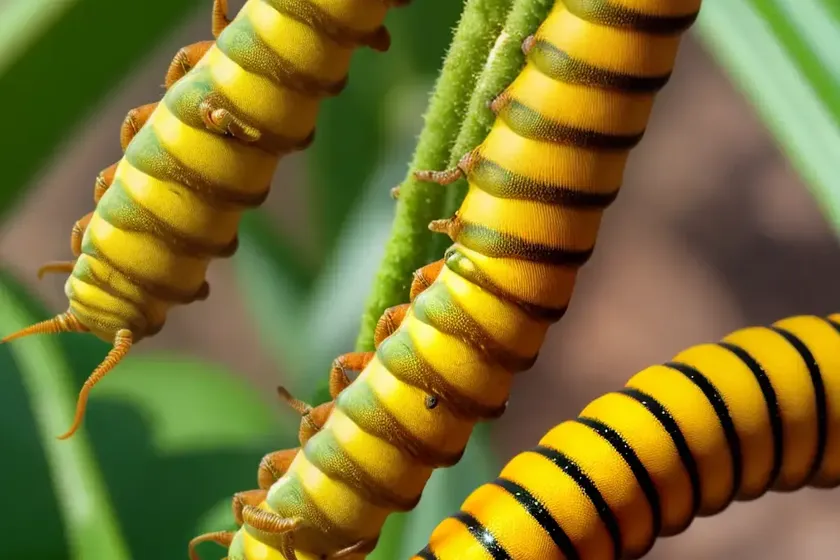
The Caterpillar Plant, scientifically known as Scorpiurus Muricatus, is a unique species that holds a special place in the world of botany. This Mediterranean native plant is also commonly referred to as “Caterpillar’s Tail” due to the distinct appearance of its seed pods. The plant belongs to the Fabaceae family, which is celebrated for its nitrogen-fixing abilities and environmental contributions.
In this comprehensive guide, we will delve into the various aspects of the Caterpillar Plant, from its cultural significance to its ecological roles. We will cover its care requirements, propagation methods, ecological interactions, and much more. This guide aims to serve as a valuable resource for plant enthusiasts, horticulturists, and individuals seeking to expand their knowledge of this intriguing plant species.
Key Takeaways – Caterpillar Plant (Scorpiurus Muricatus)
Before delving into the intricacies of the Caterpillar Plant, let’s highlight some of the key takeaways that will be explored in detail throughout this guide.
- Scientific Name: Scorpiurus Muricatus
- Common Name: Caterpillar Plant, Caterpillar’s Tail
- Description: Unique seed pods resembling a caterpillar’s body
- Cultural Significance: Traditional uses and folklore
- Ecological Role: Habitat preferences, wildlife interactions, and ecosystem benefits
- Cultivation Tips: Water, sunlight, soil, and fertilizer requirements
- Propagation Methods: Techniques for reproducing the Caterpillar Plant
- Diseases and Pests: Common ailments and pest management
- Fun Facts: Intriguing and lesser-known aspects of the plant
- External Resources: Links to further readings and references
Now, let’s embark on a fascinating journey into the world of the Caterpillar Plant, exploring its unique characteristics, care requirements, and ecological significance.
Culture
Understanding the cultural aspects of the Caterpillar Plant provides valuable insights into its historical uses, folklore, and traditional significance. From medicinal applications to symbolic representations, the cultural contexts associated with this plant enrich its narrative.
Uses
The Caterpillar Plant holds cultural significance in various traditional practices and historical contexts. Its uses can be categorized as:
-
Medicinal Applications: In traditional medicine, the Caterpillar Plant has been utilized for its purported medicinal properties. It has been ascribed diverse medicinal uses, ranging from digestive remedies to skin treatments.
-
Symbolism: The unique appearance of the Caterpillar Plant’s seed pods has led to symbolic interpretations in folklore and cultural contexts. Its resemblance to a caterpillar may have sparked various symbolic meanings in different cultures and traditions.
Water
Understanding the water requirements of the Caterpillar Plant is essential for promoting its optimal growth and health. Caterpillar Plants have moderate water needs, and their watering schedule should be adjusted according to their growth stage and environmental conditions.
| Growth Stage | Watering Schedule |
|---|---|
| Germination | Keep the soil consistently moist |
| Establishment | Water when the top inch of soil is dry |
| Maturity | Water moderately to prevent waterlogging |
Sunlight
Sunlight plays a crucial role in the growth and development of the Caterpillar Plant. It thrives in full sunlight and requires at least 6-8 hours of direct sunlight each day for optimal growth. Adequate sunlight promotes the production of energy through photosynthesis and supports healthy foliage and flowering.
Fertilizer
Fertilizing the Caterpillar Plant is essential for supplying the necessary nutrients that may be deficient in the soil. A balanced, all-purpose fertilizer with equal parts of nitrogen, phosphorus, and potassium can be used during the growing season.
During the active growing period, a monthly application of a diluted liquid fertilizer can help support the plant’s nutrient requirements. It is important to follow the manufacturer’s instructions and avoid over-fertilization, which can lead to nutrient imbalances and potential damage to the plant.
Soil
The soil composition significantly impacts the growth and health of the Caterpillar Plant. Well-draining, loamy soils with a slightly acidic to neutral pH (6.0-7.0) are ideal for cultivating this plant. The soil should be rich in organic matter to support healthy root development and overall growth.
Pruning
Pruning plays a vital role in maintaining the shape, vigor, and flowering of the Caterpillar Plant. Regular pruning helps remove dead, damaged, or diseased stems, promotes air circulation, and encourages new growth.
Pruning Techniques
-
Deadheading: Removing spent flowers and seed pods can prolong the flowering period and prevent the plant from expending energy on seed production.
-
Thinning: Thinning out overcrowded or tangled growth can improve airflow and light penetration, reducing the potential for diseases.
-
Shaping: Light shaping can be performed to maintain the plant’s natural form and prevent it from becoming leggy or unruly.
Propagation
The propagation of the Caterpillar Plant can be achieved through various methods, including seed propagation and vegetative propagation.
Seed Propagation
Seeds can be collected from mature seed pods for propagation. The following steps outline the process for seed propagation:
-
Seed Collection: Harvest mature seed pods when they turn brown and begin to split open.
-
Seed Preparation: Remove the seeds from the pods and allow them to air dry for a few days to prevent mold during storage.
-
Sowing: Plant the seeds in well-draining potting mix, lightly covering them with soil. Keep the soil consistently moist until germination occurs.
-
Transplanting: Once the seedlings have developed several true leaves, they can be transplanted into individual containers or the desired outdoor location.
Container Popularity
The Caterpillar Plant can be successfully grown in containers, making it a popular choice for urban and small-space gardening. Its unique appearance and moderate care requirements add to its appeal as a container plant.
Container Requirements
When cultivating the Caterpillar Plant in containers, it is essential to consider the following factors:
-
Container Size: Select a container with sufficient depth and width to accommodate the plant’s root system. Adequate drainage holes are crucial to prevent waterlogging.
-
Potting Mix: Use a well-draining potting mix that is rich in organic matter. A mix designed for flowering plants with added perlite or vermiculite can provide the ideal growing medium.
-
Watering: Container-grown plants may require more frequent watering, especially during hot and dry periods. Monitor the soil moisture regularly to ensure the plant’s hydration needs are met.
Common Diseases
The Caterpillar Plant, like all living organisms, is susceptible to certain diseases and ailments that can impact its growth and vitality.
Disease Diagnosis
Identifying common diseases and their symptoms is crucial for timely intervention and effective management. Some common diseases that may affect the Caterpillar Plant include:
-
Powdery Mildew: A fungal disease characterized by a white powdery coating on the leaves and stems.
-
Root Rot: Excessive moisture or poorly draining soil can lead to root rot, causing wilting and decline in the plant’s health.
-
Leaf Spot: Circular, dark spots on the leaves may indicate a fungal or bacterial infection.
Disease Management
Implementing preventive measures and early intervention strategies can help manage and control common diseases. Cultural practices such as proper ventilation, avoiding overhead watering, and maintaining an appropriate watering schedule can reduce the risk of disease development.
Common Pests
In addition to diseases, pests can pose a threat to the health and vigor of the Caterpillar Plant. Identifying common pests and implementing pest control measures is essential for preserving the plant’s well-being.
Pest Identification
Some common pests that may target the Caterpillar Plant include:
-
Aphids: Small, soft-bodied insects that feed on the plant’s sap, leading to stunted growth and distorted leaves.
-
Caterpillars: Certain caterpillar species may feed on the foliage of the Caterpillar Plant, causing visible damage and defoliation.
-
Spider Mites: These tiny arachnids can create fine webbing on the plant and cause stippling on the leaves due to their feeding activity.
Pest Management
Integrated pest management (IPM) practices, including biological controls, organic insecticides, and cultural methods, can help manage pest infestations while minimizing the impact on beneficial organisms and the environment.
Botanist’s Tips
As a plant enthusiast or botany aficionado, exploring the following tips can enhance your understanding and appreciation of the Caterpillar Plant.
-
Botanical Exploration: Take the time to observe the plant closely, noting its growth patterns, floral structures, and unique seed pods. Engaging in botanical art or illustration can provide a deeper connection to the plant’s intricate details.
-
Ecosystem Interactions: Study the plant in its natural habitat and observe its interactions with other organisms, including pollinators, herbivores, and neighboring plant species. Understanding its ecological roles contributes to a holistic view of the plant’s significance.
-
Horticultural Experimentation: Consider experimenting with different cultivation techniques, soil amendments, or fertilization methods to observe the plant’s response and adaptability. This hands-on approach can contribute to a deeper understanding of its growth requirements.
Fun Facts
Exploring the fascinating and lesser-known aspects of the Caterpillar Plant can add an element of intrigue to your botanical journey. Here are some captivating fun facts about the Scorpiurus Muricatus:
-
The Caterpillar Plant’s seed pods, resembling a caterpillar’s body, have led to its common name and contributed to its folklore and symbolic representations.
-
This plant is known for its ability to fix nitrogen in the soil through its symbiotic relationship with nitrogen-fixing bacteria, contributing to soil fertility and ecosystem health.
-
The Caterpillar Plant has been traditionally utilized for various purposes, including medicinal applications and symbolic uses in cultural traditions and folklore.
-
Certain species of caterpillars, known for their intriguing ecological interactions, may use the Caterpillar Plant as a host for their development, highlighting its role in supporting diverse wildlife.
Links to External Resources
Expanding your knowledge of the Caterpillar Plant can be further enriched by exploring external resources and scientific studies. Here are some valuable links that provide in-depth information about Scorpiurus Muricatus:
- Plantwise Knowledge Bank
- Flora of North America
- Royal Botanic Gardens, Kew
- The Plant List
- World Flora Online
By delving into these resources, you can gain a more comprehensive understanding of the plant’s ecology, taxonomy, and cultural significance, further enhancing your appreciation for the Caterpillar Plant.
In conclusion, the Caterpillar Plant (Scorpiurus Muricatus) encompasses a rich tapestry of cultural, ecological, and horticultural significance. Its unique characteristics, including its caterpillar-like seed pods and environmental contributions, make it an intriguing subject for exploration and appreciation. By embracing the insights shared in this guide and continuing to explore the diverse facets of this remarkable plant, you can cultivate a deeper connection to the natural world and the captivating realm of botanical wonders.
End of blog post.
References:
- Plantwise Knowledge Bank. Available at: https://www.plantwise.org/knowledgebank/
- Flora of North America. Available at: http://www.efloras.org/flora_page.aspx?flora_id=1
- Royal Botanic Gardens, Kew. Available at: https://www.kew.org/
- The Plant List. Available at: http://www.theplantlist.org/
- World Flora Online. Available at: http://www.worldfloraonline.org/