Catawaba Grape (Vitis Labrusca ‘Catawba’)
In the realm of viticulture, the Catawba grape (Vitis labrusca ‘Catawba’) stands out as a notable member of the Vitis labrusca cultivars. This grape.
Introduction
In the realm of viticulture, the Catawba grape (Vitis labrusca ‘Catawba’) stands out as a notable member of the Vitis labrusca cultivars. This grape variety is renowned for its excellent winemaking potential, stunning appearance, and robust nature. Whether you are a seasoned viticulturist or an aspiring grape grower, understanding the nuances of cultivating and caring for the Catawba grape can significantly enhance your knowledge and skills in this domain. This comprehensive guide provides insights into the culture, uses, optimal growing conditions, diseases, and more related to the Catawba grape.
What is the Catawba Grape (Vitis Labrusca ‘Catawba’)?
The Catawba grape, scientifically known as Vitis labrusca ‘Catawba,’ is a hybrid grape variety that belongs to the Vitis labrusca grape family. It is renowned for its vibrant and aromatic qualities, making it a popular choice for both table consumption and winemaking. Originating from the United States, particularly the Catawba region in North Carolina, this grape variety has established a solid reputation in the viticulture industry.
Key Takeaways – Catawba Grape (Vitis Labrusca ‘Catawba’)
- Plant Name: Vitis Labrusca ‘Catawba’
- Common Name: Catawba Grape
- Species: Vitis labrusca
- Type: Hybrid Grape Variety
Culture
Understanding the cultural preferences of the Catawba grape is crucial for successful cultivation. From soil to sunlight, each aspect plays a pivotal role in shaping the growth and development of this grape variety.
Uses
The Catawba grape serves a dual purpose, excelling in both table grape consumption and winemaking. The vibrant flavor profile and distinct aroma make it a sought-after choice for wine production. Additionally, its appealing appearance makes it an attractive option for adding visual allure to fruit baskets and displays.
Water
Adequate and consistent moisture is essential for the healthy growth of Catawba grapevines, particularly during the initial stages of growth and fruit development. Irrigation practices should be tailored to ensure that the vines receive ample water without becoming waterlogged.
Sunlight
Catawba grapes thrive in full sunlight. When selecting a location for planting, ensure that it receives a minimum of 7-8 hours of direct sunlight daily. Insufficient sunlight can hinder the grapevine’s productivity and overall health.
Fertilizer
Appropriate fertilization is crucial for promoting robust growth and maximizing fruit production. The application of a balanced fertilizer, rich in potassium and phosphorus, supports the vine’s nutritional requirements while encouraging the development of flavorful grapes.
Soil
The selection of the ideal soil type directly impacts the health and yield potential of Catawba grapevines. A well-draining soil with good fertility is preferred to ensure optimal growth.
Best Soil for Catawba Grape Plant
| Soil Type | Characteristics |
|---|---|
| Loamy Soil | Optimal drainage and fertility |
| Sandy Loam | Adequate drainage, good aeration |
| Clay Loam | Effective water retention, fertility |
Pruning
Pruning holds immense significance in shaping the structure of Catawba grapevines and influencing their fruit-bearing capacity. Proper pruning techniques can contribute to improved air circulation, sunlight exposure, and disease prevention.
Pruning Techniques for Vitis Labrusca ‘Catawba’
- Spur Pruning: Enhances fruit production by maintaining fruitful canes.
- Cane Pruning: Encourages new growth and influences the vine’s overall architecture.
- Summer Pruning: Controls the vine’s vigor and promotes balanced fruit development.
Propagation
The propagation of Catawba grapevines enables viticulturists to expand their vineyard or replace aging vines. From cuttings to grafting, various methods are employed to propagate this esteemed grape variety.
Propagation Methods
- Hardwood Cuttings: Ideal for establishing new grapevines during the dormant season.
- Root Cuttings: A method for propagating Catawba grapevines through the use of root sections.
- Grafting: Utilized to combine the desirable characteristics of the Catawba grape with compatible rootstocks.
Container Popularity
As the trend of container gardening continues to gain traction, growing Catawba grapes in containers presents an exciting opportunity for urban and space-constrained gardeners. The portability and flexibility of container cultivation make it an attractive option for grape enthusiasts.
Growing Catawba Grapevines in Containers
- Container Size: Select a spacious container, preferably 15-20 gallons, to accommodate the vine’s growth.
- Well-Draining Soil: Utilize a high-quality potting mix with excellent drainage properties.
- Sunlight: Position the containers in a location that receives ample sunlight, preferably a minimum of 7-8 hours per day.
Common Diseases
Mitigating the impact of diseases is vital to sustain the vigor and productivity of Catawba grapevines. Understanding the prevalent diseases and their diagnosis aids in implementing effective preventive measures and treatments.
Disease Diagnosis
- Powdery Mildew: White powdery patches on leaves and clusters, leading to stunted growth.
- Downy Mildew: Yellow spots on leaves with sporulation on the undersides, resulting in defoliation.
- Black Rot: Circular brown lesions on leaves and fruits, causing fruit decay and eventual drop.
Common Pests
Pest infestations can compromise the health and yield of Catawba grapevines, necessitating vigilant monitoring and intervention.
Common Insect Pests of Catawba Grape
- Grape Berry Moth: Larvae feed on grape berries, leading to fruit damage and reduced quality.
- Japanese Beetle: Feeds on foliage, causing defoliation and weakening the vines.
- Leafhoppers: Transmit diseases and cause leaf damage through feeding activities.
Botanist’s Tips
As a botanist with a fascination for Vitis labrusca ‘Catawba,’ it is essential to incorporate valuable tips to promote successful cultivation and care of this grape variety.
Fun Facts
- The Catawba grape is celebrated for its historical significance in American winemaking.
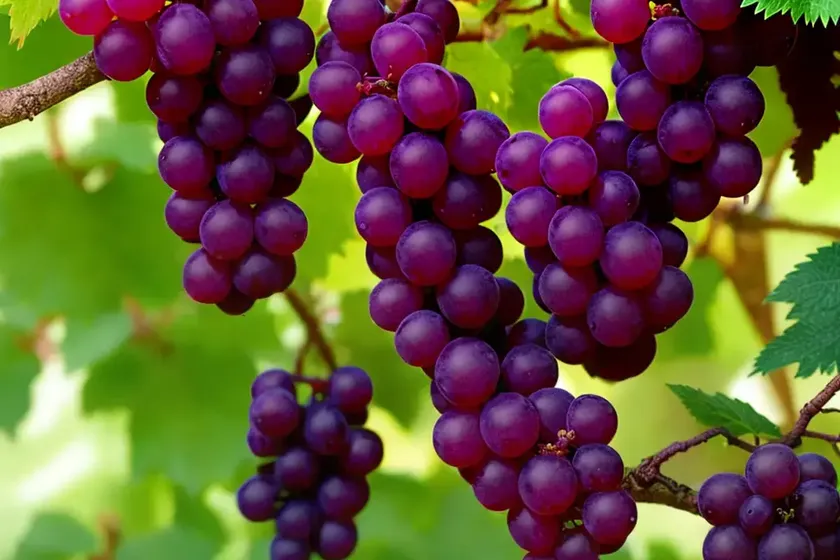
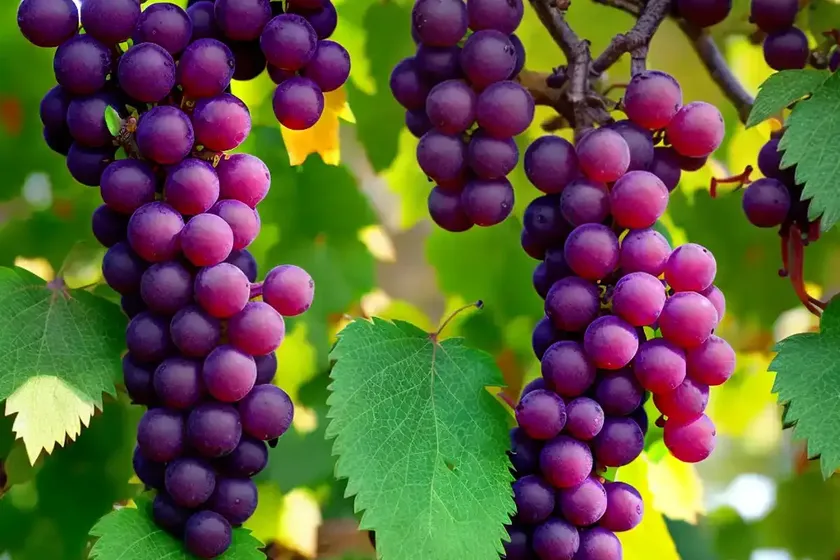
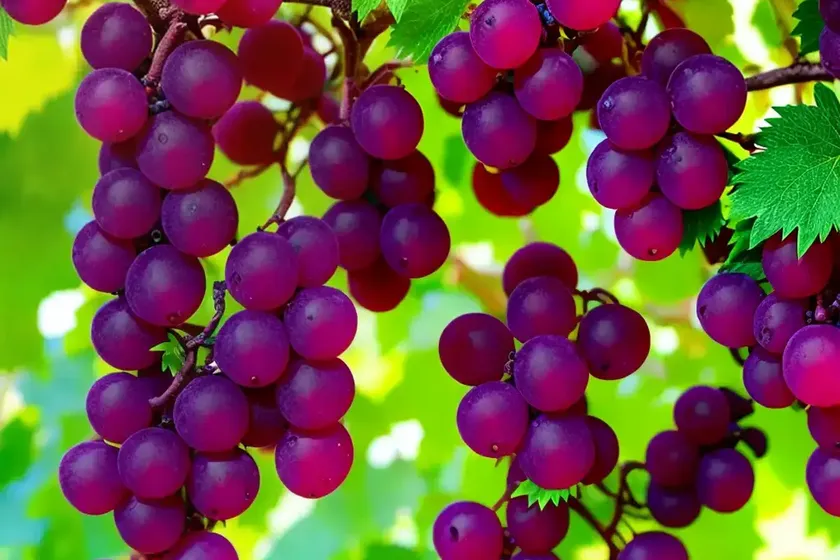
- Its striking pinkish-red coloration adds an enchanting allure to vineyards and landscapes.
- The grape’s aromatic characteristics make it a prized ingredient for creating flavorful wines and culinary delights.
Links to External Resources
For further in-depth exploration of Catawba grape cultivation, diseases, and research, the following external resources are invaluable assets:
– Catawba Grape Production Guide – Virginia Tech
– Grape Diseases and Their Management in Texas
– Vineyard Establishment – Michigan State University
In conclusion, the Catawba grape, a distinguished member of the Vitis labrusca cultivars, embodies a rich tapestry of cultural, agricultural, and enological significance. From its vibrant uses to the meticulous care it demands, the journey of cultivating and nurturing Catawba grapevines is a rewarding pursuit. Embracing the nuanced art and science of grape cultivation enables enthusiasts and professionals alike to unlock the exceptional potential of this esteemed grape variety.
Disclaimer: The content provided in this comprehensive guide is for informational purposes only and does not substitute professional advice. For specific cultivation and management practices, it is advisable to consult experienced viticulturists and agricultural extension services.


