The Enigmatic Carolina Hemlock (Tsuga caroliniana)
Introduction
The Carolina hemlock, scientifically known as Tsuga caroliniana, is a magnificent evergreen tree native to the southeastern United States. Renowned for its towering height, graceful form, and dense foliage, this coniferous species holds great significance in the region’s ecosystems and landscapes. In this comprehensive guide, we delve into the intricate world of the Carolina hemlock, exploring its growth habits, care requirements, landscape uses, disease prevention, and much more.
Carolina Hemlock Growth Habits
Carolina hemlocks are slow-growing trees that can attain impressive heights, often reaching 40 to 70 feet in ideal conditions. The tree typically maintains a pyramidal form with a slender, straight trunk and a compact crown of lush, dark green needles. As it matures, the bark takes on a striking reddish-brown hue, adding to its visual appeal.
Key Takeaways – Carolina Hemlock (Tsuga caroliniana)
- Scientific Name: Tsuga caroliniana
- Growth Rate: Slow
- Mature Height: 40 to 70 feet
- Form: Pyramidal
- Needle Color: Dark green
- Bark Color: Reddish-brown
Carolina Hemlock Care Guide
Caring for Carolina hemlocks requires a nuanced understanding of their specific needs, encompassing factors such as water, sunlight, soil, and fertilizer. By providing the optimal conditions, enthusiasts can ensure the tree’s vitality and longevity, creating a thriving environment for this majestic species to flourish.
Water
Carolina hemlocks display a preference for moist, well-drained soil, especially during their initial establishment. Adequate watering, particularly in the early stages of growth, is essential to facilitate robust root development and overall tree health. While they do not tolerate waterlogged conditions, maintaining consistent soil moisture is crucial to sustaining their vigor.
Sunlight
In terms of sunlight requirements, Carolina hemlocks exhibit a preference for partial shade to partial sun, especially during their juvenile phase. As they mature, they become more tolerant of full sun, although providing some protection from intense afternoon sunlight is beneficial, particularly in warmer regions.
Fertilizer
When it comes to fertilization, Carolina hemlocks benefit from a balanced, slow-release fertilizer applied during the growing season. This helps provide the essential nutrients for their sustained growth and development, contributing to the lush, vibrant foliage characteristic of healthy specimens.
Soil
Carolina hemlocks thrive in well-drained, slightly acidic soils with a pH range of 5.5 to 6.5. It is vital to ensure that the soil is loose and fertile, allowing for proper aeration and root penetration. Additionally, applying a layer of organic mulch around the base of the tree can help retain soil moisture and insulate the root system.
Carolina Hemlock Disease Prevention
Carolina hemlocks are susceptible to certain pests and diseases, making proactive prevention and management strategies crucial. By familiarizing oneself with potential threats and adopting appropriate preventive measures, enthusiasts can safeguard their trees from debilitating infestations and infections.
Common Diseases
Carolina hemlocks are particularly vulnerable to infestations by the hemlock woolly adelgid, an invasive insect species that poses a significant threat to their survival. Additionally, they are susceptible to fungal diseases such as needle rust, which can compromise the tree’s overall health and vitality if left unchecked.
Disease Diagnosis
Effective disease management begins with accurate diagnosis. By closely monitoring the tree for signs of discoloration, wilting, unusual growths, or pest activity, individuals can promptly identify potential issues and take remedial action before the problem escalates.
Common Pests
Aside from the hemlock woolly adelgid, Carolina hemlocks may also face threats from other pests such as mites, scales, and caterpillars. Regular inspection of the foliage and stems is essential for early detection and intervention, preventing pest populations from causing significant harm.
Carolina Hemlock Landscape Uses
The stately beauty and graceful form of the Carolina hemlock make it a prized addition to diverse landscapes, ranging from naturalistic woodland settings to ornamental gardens and public parks. Its versatility as a shade tree, specimen plant, or screen makes it a valuable asset in enhancing the aesthetic and ecological value of various outdoor spaces.
Botanist’s Tips
- When landscaping with Carolina hemlocks, consider their ultimate size and spatial requirements to ensure adequate room for their growth and development.
- The dense foliage of Carolina hemlocks serves as an excellent privacy screen, effectively delineating spaces and providing a sense of seclusion.
Fun Facts
- Carolina hemlocks are a vital part of their native ecosystems, providing habitat and food for a diverse array of wildlife, including birds, mammals, and insects.
- The wood of Carolina hemlocks possesses exceptional strength and durability, making it prized for various construction and woodworking applications.
Propagation
Carolina hemlocks can be propagated through methods such as seed sowing and stem cuttings, albeit with varying degrees of complexity and success. Propagation from seeds involves stratification to break dormancy, followed by careful sowing and nurturing of the seedlings. Stem cuttings offer an alternative approach, allowing for the cloning and expansion of specific genetic traits.
Container Popularity
The compact size and elegant form of Carolina hemlocks make them well-suited for container cultivation, enabling their integration into a wide range of urban and confined settings. When grown in containers, they exhibit excellent adaptability, provided that their specific care requirements are diligently met.
Container Common Diseases
Container-grown Carolina hemlocks may be susceptible to issues such as root rot and nutrient deficiencies, stemming from inadequate drainage or imbalanced soil composition. Routine monitoring and addressing any signs of distress are crucial for maintaining the health and vigor of container specimens.
Disease Diagnosis
Vigilant observation of container-grown Carolina hemlocks is essential, as the restricted root environment can predispose them to various stressors and disease triggers. Early detection and targeted interventions can help mitigate potential problems and preserve the tree’s well-being.
Carolina Hemlock Pruning Techniques
Pruning is an essential aspect of Carolina hemlock care, serving both aesthetic and practical purposes. With thoughtful and judicious pruning, enthusiasts can shape the tree’s form, promote healthy growth patterns, and remove any damaged or diseased portions, contributing to its overall vitality.
Pruning Guidelines
- Prune Carolina hemlocks during their dormant season to minimize stress and encourage efficient healing of pruning wounds.
- Limit pruning to the removal of dead, damaged, or overcrowded branches, maintaining the tree’s natural form and structural integrity.
Carolina Hemlock Winter Care
As the winter season approaches, providing adequate protection for Carolina hemlocks is vital to shield them from harsh weather conditions and potential stressors. By implementing appropriate care measures, individuals can help ensure the tree’s resilience and robustness during the colder months.
Winter Hardiness
Carolina hemlocks manifest good cold hardiness, able to withstand the rigors of winter to a considerable extent. However, in regions experiencing severe winter conditions, supplemental protection such as burlap wraps or anti-desiccant sprays can offer valuable insulation against frost and wind damage.
Tsuga caroliniana Water Requirements
Watering plays a crucial role in sustaining the health and vigor of Tsuga caroliniana, particularly during its establishment phase. Providing consistent moisture, while avoiding waterlogging, is essential to support robust root development and overall tree vitality.
Soil Preferences
Tsuga caroliniana thrives in well-drained, slightly acidic soils with a pH range of 5.5 to 6.5. Ensuring proper soil structure, fertility, and aeration is instrumental in creating an optimum growing environment for this magnificent species.
Tsuga caroliniana Shade Tolerance
Tsuga caroliniana exhibits good shade tolerance, making it well-suited for planting in partial shade to partial sun conditions, particularly during its juvenile phase. As the tree matures, it can adapt to more exposure to sunlight, although some protection from intense afternoon sun may be beneficial.
Tsuga caroliniana Disease Prevention
Effective disease prevention strategies are imperative in safeguarding Tsuga caroliniana from potential threats such as the hemlock woolly adelgid and needle rust. Proactive measures and vigilant monitoring are essential components of a comprehensive disease prevention program.
Tsuga caroliniana Timber Uses
The timber of Tsuga caroliniana boasts excellent properties, characterized by strength, durability, and ease of working. This makes it highly sought after for various construction, woodworking, and crafting applications, reflecting its value in the realm of natural resources.
Tsuga caroliniana Leaf Identification
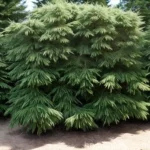
The narrow, flat needles of Tsuga caroliniana are arranged spirally along the stems, exhibiting a distinct dark green hue. Their unique appearance and arrangement contribute to the tree’s overall visual allure, distinguishing it as a remarkable botanical specimen.
Tsuga caroliniana Wildlife Interactions
Tsuga caroliniana plays a vital role in supporting diverse wildlife, providing habitat and sustenance for a multitude of species, including birds, mammals, and insects. Its presence in natural ecosystems enriches biodiversity and ecological balance, highlighting its significance in the broader ecological context.
Tsuga caroliniana Photos
Capturing the timeless beauty and captivating essence of Tsuga caroliniana through photography offers a means of preserving and appreciating its intrinsic charm and botanical splendor. Photographs showcasing its various growth stages, foliage, and habitat interactions serve to evoke a deeper understanding and connection with this remarkable species.
Tsuga caroliniana Pruning Schedule
Adhering to a well-defined pruning schedule is essential in maintaining the health, form, and structural integrity of Tsuga caroliniana. Pruning during its dormant season, while avoiding excessive removal of live foliage, promotes balanced growth and vitality.
Tsuga caroliniana Deer Resistance
Tsuga caroliniana exhibits moderate resistance to deer browsing, making it relatively less susceptible to damage from deer feeding. Nonetheless, providing supplemental protection, particularly in areas with high deer populations, can help safeguard the tree from potential browsing and physical harm.
Tsuga caroliniana Landscape Design Ideas
Incorporating Tsuga caroliniana into landscape designs offers a myriad of possibilities, ranging from accentuating garden beds and borders to creating woodland settings and privacy screens. Its graceful form, lush foliage, and adaptable nature make it a versatile and valuable addition to diverse outdoor environments.
Tsuga caroliniana Pruning Guidelines
Pruning Tsuga caroliniana necessitates a thoughtful and deliberate approach, focusing on the removal of dead, damaged, or congested branches while retaining its natural form and aesthetic appeal. Adhering to proper pruning techniques ensures the tree’s continued vigor and visual allure.
Tsuga caroliniana Tree Planting Instructions
When planting Tsuga caroliniana, it is essential to consider factors such as the soil type, drainage, and location to provide an optimal growing environment. Additionally, ensuring proper spacing and adequate care following planting contributes to the tree’s successful establishment and long-term health.
Tsuga caroliniana Shade Tree Options
Due to its shade tolerance and graceful stature, Tsuga caroliniana serves as an excellent choice for shading and enhancing outdoor spaces, offering cooling benefits and aesthetic appeal. Incorporating it into landscape designs introduces a natural and enduring element to outdoor environments.
Tsuga caroliniana Winter Care
Providing winter care for Tsuga caroliniana involves measures such as mulching, watering, and protection from harsh weather conditions to safeguard its vitality and resilience during the colder months. Implementing appropriate care practices promotes the tree’s ability to withstand winter stresses effectively.