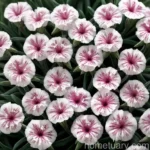
Plant Scientist’s Ultimate Guide to Carnation (Dianthus ‘Pixie Star’)
Carnation, known scientifically as Dianthus ‘Pixie Star’, is a beautiful and popular flowering plant that captivates gardeners and florists alike. In this comprehensive guide, we will explore the various facets of this captivating plant, from its culture and uses to its diseases and pests. Whether you are a seasoned horticulturist or a budding plant enthusiast, this guide will provide you with invaluable insights into the world of carnations.
What is Carnation (Dianthus ‘Pixie Star’)?
Carnation, a member of the Dianthus genus, is a perennial plant that is cherished for its charming, ruffled blooms in an array of vibrant colors. ‘Pixie Star’ is a delightful variety of carnation that is particularly esteemed for its striking star-shaped flowers and captivating fragrance. This dainty but enduring plant adds a touch of elegance to gardens, bouquets, and floral arrangements, making it a beloved choice for both indoor and outdoor cultivation.
Key Takeaways – Carnation (Dianthus ‘Pixie Star’)
Before delving into the specifics of cultivating and caring for carnations, let’s explore the key takeaways associated with this enchanting plant:
- Carnation Culture
- Carnations thrive in well-drained soil with good air circulation.
-
They are best suited to temperate climates with moderate moisture levels.
-
Uses
- Carnations are versatile and can be used as cut flowers, in landscaping, or as potted plants.
-
They are popular choices for bouquets, corsages, and other floral arrangements.
-
Water
-
Carnations require regular watering, ensuring that the soil is moist but not waterlogged.
-
Sunlight
-
They prefer full sun exposure, although they can tolerate partial shade in hotter climates.
-
Fertilizer
-
Applying a balanced fertilizer during the growing season promotes healthy growth and prolific flowering.
-
Soil
-
Well-drained, slightly alkaline soil is optimal for cultivating healthy carnations.
-
Pruning
-
Regular deadheading and light pruning can encourage continuous blooming and maintain plant vigor.
-
Propagation
-
Carnations can be propagated through seeds, cuttings, or division.
-
Container Popularity
-
Carnations are well-suited for container gardening, allowing flexibility in placement and care.
-
Container Common Diseases
-
Container-grown carnations may be susceptible to specific diseases due to environmental factors.
-
Disease Diagnosis
-
Vigilant monitoring can help identify and address diseases promptly, ensuring plant health.
-
Common Pests
-
Carnations can be vulnerable to pests such as aphids, spider mites, and thrips.
-
Botanist’s Tips
-
Professional insights will aid in optimizing carnation cultivation and addressing potential challenges.
-
Fun Facts
-
Discover intriguing and lesser-known aspects of carnations that add to their allure.
-
Links to External Resources
- Further expand your knowledge with reputable sources on carnations and Dianthus ‘Pixie Star’.
Now, let’s delve into each of these key takeaways in more detail to unravel the captivating world of carnations.
Carnation Culture
Cultivating healthy and vibrant carnations requires an understanding of their specific cultural requirements. Let’s explore the essential cultural considerations for nurturing these enchanting blooms.
Characteristics of Carnation (Dianthus ‘Pixie Star’)
Dianthus ‘Pixie Star’, a delightful variety of carnation, boasts the following key characteristics:
- Striking star-shaped flowers with captivating colors and patterns.
- Compact and bushy growth habit, making it ideal for container gardening.
- Appealing fragrance that enhances its desirability for bouquets and floral arrangements.
Optimal Growing Conditions
Carnations thrive in certain environmental conditions that cater to their specific needs. Here are the critical factors to consider when creating an ideal environment for carnations:
-
Temperature: Carnations prefer moderate temperatures, typically thriving in the range of 50-65°F (10-18°C).
-
Moisture: Adequate moisture is essential for carnations, but they are prone to root rot in waterlogged soil. Well-drained soil is crucial to prevent excessive moisture levels around the roots.
-
Air Circulation: Good air circulation helps prevent fungal diseases, making it important to avoid overcrowding and provide adequate spacing between plants.
-
Light: Carnations thrive in full sun, although they can tolerate partial shade in regions with intense sunlight and heat.
Soil Requirements
Choosing the right soil for carnations is vital to support their growth and overall health. Here are the soil characteristics suitable for carnations:
-
Drainage: Well-drained soil is essential to prevent waterlogging and root rot, which can be detrimental to carnations.
-
Texture: A loamy or sandy soil texture with good aeration is beneficial for healthy root development and overall plant vigor.
-
pH Level: Slightly alkaline soil with a pH range of 6.75-7.5 is ideal for carnations, ensuring optimal nutrient uptake.
By understanding and catering to these cultural requirements, gardeners can lay the foundation for successful carnation cultivation and blooming.
Uses of Carnation (Dianthus ‘Pixie Star’)
Carnations have a wide range of uses, from adorning gardens to enhancing bouquets and floral arrangements. Understanding the versatility of carnations can inspire various creative and practical applications for these enchanting blooms.
Garden Ornament
Carnations, including the exquisite ‘Pixie Star’ variety, add a touch of charm and elegance to gardens and landscapes. Their vibrant blooms and compact growth habit make them ideal for various garden settings, including:
-
Flower Beds: Planting carnations in flower beds and borders adds color and visual interest to the landscape.
-
Rock Gardens: Their dainty yet resilient nature makes carnations suitable for rock gardens, creating a pop of color amidst the rocky terrain.
-
Edging Plants: Carnations can serve as edging plants along pathways or garden borders, defining spaces with their delightful blooms.
Cut Flowers
Carnations are esteemed as cut flowers due to their longevity and captivating appearance. They are popular choices for a variety of floral arrangements and decorative displays, offering enduring beauty and fragrance. The following are common uses of carnations as cut flowers:
-
Bouquets: Carnations feature prominently in mixed bouquets, complementing other flower varieties with their diverse colors and shapes.
-
Corsages: Their enduring nature makes carnations ideal for corsages, ensuring that they retain their freshness and beauty throughout special occasions.
-
Floral Arrangements: Carnations are versatile components of floral arrangements, lending their charm to diverse design styles and themes.
Potted Plants
The compact growth habit and captivating blooms of carnations, including ‘Pixie Star’, make them appealing choices for potted plants. Their versatility extends to various practical and aesthetic uses, such as:
-
Indoor Décor: Potted carnations enliven indoor spaces, adding a pop of color and fragrance to homes and offices.
-
Gifting: Carnations in decorative pots make thoughtful and enduring gifts, conveying sentiments of appreciation and joy.
-
Table Centerpieces: Potted carnations adorn table settings and centerpieces, infusing elegance and charm into gatherings and events.
By recognizing the diverse uses of carnations, gardeners and floral enthusiasts can explore creative avenues for incorporating these enchanting blooms into their lives and surroundings.
Watering Carnation (Dianthus ‘Pixie Star’)
Proper watering is essential for the health and vitality of carnations, ensuring that they receive the moisture they need without succumbing to water-related issues. Understanding the watering requirements and techniques for carnations is crucial for maintaining their vigor and promoting prolific flowering.
Watering Guidelines
To gauge when and how much to water carnations, consider the following guidelines and factors that influence their watering needs:
-
Soil Moisture: Carnations prefer consistently moist soil, but they are susceptible to root rot in waterlogged conditions. It is essential to strike a balance by allowing the soil to dry slightly between waterings to prevent waterlogged roots.
-
Environmental Factors: Outdoor carnations may require more frequent watering during hot and dry periods, while indoor or container-grown plants may have different moisture needs based on indoor climate conditions.
-
Container Size: Potted carnations have limited soil volume and may require more frequent watering than those planted directly in the ground, as containers tend to dry out faster.
Watering Techniques
Employing specific watering techniques can help ensure that carnations receive the moisture they need while minimizing the risk of overwatering. Consider the following techniques for watering carnations effectively:
-
Deep Watering: To promote healthy root development, water the soil thoroughly, allowing the water to penetrate the root zone.
-
Avoiding Wet Foliage: Direct the water towards the base of the plant to prevent prolonged moisture on the foliage, which can contribute to fungal diseases.
-
Morning Watering: Watering in the morning allows excess moisture to evaporate during the day, reducing the risk of fungal issues that can arise from overnight dampness.
Signs of Water Stress
Understanding the signs of water stress in carnations can inform watering practices and help prevent detrimental effects of both overwatering and underwatering. Look out for the following indicators of water stress:
-
Wilting: Both underwatered and overwatered carnations may wilt, although overwatered plants often exhibit soggy, limp foliage.
-
Yellowing Leaves: Overwatered carnations may display yellowing leaves due to root suffocation from excessive moisture.
-
Fungus Issues: Overly wet soil and foliage can lead to fungal diseases, manifesting as spots or discoloration on the leaves.
By maintaining vigilance and adjusting watering practices based on the specific needs of carnations, gardeners can ensure optimal moisture levels that support healthy growth and abundant flowering.
Sunlight Requirements for Carnation (Dianthus ‘Pixie Star’)
Sunlight plays a crucial role in the growth and blooming of carnations, influencing their overall vigor and the quality of their flowers. Understanding the sunlight requirements and considerations for carnations is essential for harnessing the full potential of these exquisite blooms.
Sun Exposure
Carnations, including the captivating ‘Pixie Star’ variety, have specific preferences for sun exposure, which can directly impact their growth and flowering. Consider the following factors related to sun exposure for carnations:
-
Full Sun: Carnations thrive when exposed to full sun, typically defined as at least six hours of direct sunlight per day. Adequate sunlight promotes sturdy growth and prolific flowering.
-
Partial Shade: In regions with intense heat and sunlight, carnations may benefit from partial shade during the hottest part of the day to prevent stress and sun damage.
-
Indoor Cultivation: Indoor-grown carnations require ample sunlight, typically achieved through placement near sunny windows or supplemental lighting to mimic natural light conditions.
Sunlight Considerations
Incorporating specific considerations related to sunlight can enhance carnation cultivation and maximize their potential for healthy growth and blooming. These considerations include:
-
Sun Intensity: Carnations benefit from consistent and moderately intense sunlight to fuel their photosynthesis and promote robust growth.
-
Sun Patterns: Observing the sun patterns in the garden or outdoor area can help identify the best locations for planting carnations to ensure they receive the optimal amount of sunlight.
-
Adjusting for Climate: In regions with extreme temperatures, adjustments in sun exposure may be necessary to protect carnations from heat stress and sunburn.
By accounting for the sunlight needs of carnations, gardeners can create an environment that supports their health and vitality, leading to abundant and vibrant blooms.
Fertilizing Carnation (Dianthus ‘Pixie Star’)
Fertilization plays a pivotal role in sustaining the health and vigor of carnations, including the captivating ‘Pixie Star’ variety. Understanding the fertilization requirements and techniques for carnations is essential for promoting robust growth and profuse flowering.
Fertilizer Selection
Choosing the right type of fertilizer and understanding its composition is crucial for providing carnations with the nutrients they need for vitality and blooming. Consider the following aspects of fertilizer selection:
-
Balanced Fertilizer: A balanced fertilizer with equal or near-equal proportions of nitrogen, phosphorus, and potassium (N-P-K) supports overall plant health and flowering.
-
Slow-Release Formulas: Slow-release fertilizers provide a steady supply of nutrients over an extended period, reducing the risk of fertilizer burn and ensuring consistent nourishment for the plants.
-
Liquid vs. Granular Fertilizers: Liquid fertilizers offer rapid nutrient uptake, while granular fertilizers provide a longer-lasting effect. The choice depends on the specific needs of the carnations and the preferences of the gardener.
Application Guidelines
Applying fertilizer at the right time and in the correct manner is essential for maximizing its effectiveness and preventing potential issues related to overfertilization. Consider the following guidelines for fertilizing carnations:
-
Timing: Apply fertilizer to carnations in early spring as new growth emerges, and again in midsummer to support flowering and overall plant vigor.
-
Even Distribution: Ensure that the fertilizer is evenly distributed around the base of the plants to promote uniform nutrient uptake.
-
Avoiding Direct Contact: Prevent direct contact between the fertilizer and the foliage to minimize the risk of leaf burn and other adverse effects.
Signs of Nutrient Deficiency
Recognizing the signs of nutrient deficiency in carnations can inform fertilization practices and help address specific nutrient deficiencies as needed. Look out for the following indicators of nutrient deficiencies:
-
Yellowing Leaves: Nitrogen deficiency often presents as yellowing or pale green leaves, signaling the need for a balanced fertilizer with sufficient nitrogen content.
-
Stunted Growth: Phosphorus deficiency can lead to stunted growth and delayed flowering, necessitating the application of a fertilizer with adequate phosphorus levels.
-
Poor Blooming: Potassium deficiency may manifest as reduced flowering and overall plant vigor, indicating the need for a fertilizer with an appropriate potassium content.
By adhering to proper fertilization practices and remaining attentive to the nutrient needs of carnations, gardeners can nurture vibrant and healthy plants with abundant blooms.
Soil Requirements for Carnation (Dianthus ‘Pixie Star’)
Carnations, including the enchanting ‘Pixie Star’ variety, thrive in well-drained and nutrient-rich soil, which serves as the foundation for their growth and flowering. Understanding the soil requirements and considerations for carnations is essential for establishing a conducive growing environment.
Optimal Soil Characteristics
The ideal soil for carnations exhibits specific characteristics that cater to their cultural and nutritional needs. Here are the key soil characteristics that support healthy carnation growth:
-
Drainage: Well-drained soil is crucial for preventing waterlogging, which can lead to root rot and other moisture-related issues. Amending compacted or poorly draining soil is essential to improve drainage for carnations.
-
Nutrient Content: Carnations benefit from soil with a balanced nutrient content, providing essential elements for robust growth and profuse flowering. Incorporating organic matter and balanced fertilization helps maintain soil fertility.
-
Texture: A loamy or sandy soil texture with good aeration is beneficial for carnations, promoting healthy root development and overall plant vigor.
-
pH Level: Carnations thrive in slightly alkaline soil with a pH range between 6.75 and 7.5, which facilitates optimal nutrient uptake and overall plant health.
Soil Preparation
Preparing the soil before planting carnations lays the groundwork for successful cultivation and blooming. Consider the following soil preparation steps for carnations:
-
Amending Soil: Incorporate organic matter such as compost or well-rotted manure to improve soil structure and fertility, enhancing its suitability for carnations.
-
Testing pH: Conduct a soil pH test to determine the acidity or alkalinity of the soil, adjusting it as needed to fall within the optimal range for carnations.
-
Improving Drainage: Address poor drainage issues by amending the soil with coarse sand or organic matter to enhance its drainage capabilities.
Container Considerations
For container-grown carnations, specific considerations related to soil selection and management are essential to ensure healthy growth and blooming. Ensure the following when cultivating carnations in containers:
-
Well-Drained Mix: Use a well-drained potting mix with ample aeration to prevent waterlogging and create an optimal environment for root development.
-
Nutrient Supply: Incorporate slow-release fertilizers into the potting mix to provide a steady supply of nutrients for container-grown carnations.
-
Size and Drainage: Select containers with adequate drainage holes to facilitate water drainage, preventing waterlogged soil and root suffocation.
By adhering to soil preparation and management practices that cater to the specific needs of carnations, gardeners can create an environment that nurtures the growth and blooming of these captivating plants.
Pruning Carnation (Dianthus ‘Pixie Star’)
Pruning plays a crucial role in maintaining the health and vigor of carnations, ensuring prolonged blooming and a tidy growth habit. Understanding the timing and techniques for pruning carnations is essential for promoting continuous flowering and overall plant vitality.
Pruning Objectives
The primary objectives of pruning carnations, including the charming ‘Pixie Star’ variety, include the following benefits that contribute to their health and appearance:
-
Deadheading: Removing spent flowers promotes continuous blooming by preventing seed formation and redirecting energy towards new flower production.
-
Maintaining Shape: Light pruning helps maintain a compact and bushy growth habit, preventing leggy or overgrown plants.
-
Removing Diseased Parts: Pruning diseased or damaged foliage and stems helps prevent the spread of diseases and enhances overall plant health.
Pruning Techniques
Applying specific pruning techniques at the right time ensures that carnations benefit from effective and targeted pruning practices. Consider the following techniques for pruning carnations:
-
Deadheading: Regular removal of spent blooms and associated stem portions encourages the generation of new flower buds and extends the blooming period.
-
Light Pruning: Trimming back leggy or overgrown stems and removing excess foliage promotes a balanced and tidy growth habit, encouraging robust flowering.
-
Sanitization: Sterilize pruning tools before and after pruning to prevent the spread of diseases, particularly when addressing infected plant parts.
Timing of Pruning
Understanding the optimal timing for pruning carnations is essential for maximizing the benefits of pruning and promoting healthy growth and blooming. Consider the following timing guidelines for pruning carnations:
-
Regular Deadheading: Remove spent flowers as soon as they fade, ensuring that the plant channels its energy towards new flower production.
-
Midsummer Pruning: Light pruning in midsummer after the initial flush of flowering helps rejuvenate the plant for a second round of blooming.
-
Fall Cleanup: Remove any dead or diseased foliage in the fall to maintain plant cleanliness and prevent overwintering pests and diseases.
By embracing strategic pruning practices and adhering to proper timing, gardeners can optimize the blooming potential and overall appearance of carnations, creating tidy and vigorous plants.
Propagation of Carnation (Dianthus ‘Pixie Star’)
Propagating carnations, whether through seeds, cuttings, or division, offers an exciting opportunity to expand the collection of these captivating plants. Understanding the various propagation methods and techniques for carnations is essential for successfully propagating new plants with the desired characteristics.
Seed Propagation
Growing carnations from seeds allows for the introduction of new varieties and cultivars, granting the flexibility to select unique traits and colors. Consider the following steps for propagating carnations from seeds:
- Seed Starting Mix: