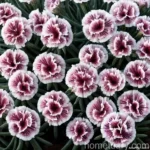
The Allure of Carnations: A Comprehensive Guide to Planting and Caring for Dianthus caryophyllus ‘Vienna Mischung’
Carnations are charming and popular, and for good reason. They are beloved for their beauty, long-lasting nature, and sweet fragrance. As a plant scientist, I am thrilled to present this in-depth guide to the captivating and versatile Dianthus caryophyllus, specifically focusing on the ‘Vienna Mischung’ variety. Throughout this guide, we will explore various aspects of carnation care and cultivation, including cultural practices, uses, diseases, pests, and propagation techniques.
What is a Carnation?
Carnation (Dianthus caryophyllus) is a species of Dianthus, a genus of about 300 species of flowering plants in the family Caryophyllaceae. These plants are native to the Mediterranean region and are renowned for their frilly, colorful flowers that exude a delightful clove-like scent. The ‘Vienna Mischung’ variety, in particular, is a colorful blend of different carnation flower types, boasting a captivating mix of hues that make it a sought-after choice for floral arrangements and garden displays.
Key Takeaways – Carnation (Dianthus caryophyllus ‘Vienna Mischung’)
Before delving into the specific aspects of caring for the ‘Vienna Mischung’ carnation, let’s briefly review some key takeaways:
- Botanical Name: Dianthus caryophyllus ‘Vienna Mischung’
- Water: Moderate watering; avoid waterlogged conditions
- Sunlight: Full sun to partial shade
- Fertilizer: Balanced liquid fertilizer during active growth
- Soil: Well-draining, moderately fertile soil
- Pruning: Deadhead spent flowers to promote continuous blooming
- Propagation: Can be propagated from seed, division, or cuttings
- Container: Suitable for container gardening
- Popularity: Widely popular in floral arrangements and landscapes
- Common Diseases: Watch for Fusarium wilt and other fungal diseases
- Common Pests: Keep an eye out for aphids and spider mites
- Fun Facts: The carnation is the birth flower for January, and its symbolic meanings include love, fascination, and distinction
With these takeaways in mind, let’s move on to a more detailed exploration of the care and cultivation of the ‘Vienna Mischung’ carnation.
Culture
Uses
Carnations have an array of uses, ranging from decorative purposes to cultural symbols. Some common uses include:
- Floral Decor: Carnations are popular cut flowers, adorning vases, bouquets, and floral arrangements due to their long-lasting nature.
- Symbolism: They are often used in symbolic contexts, representing love, fascination, distinction, and motherly love. Each color of carnation carries a different meaning, offering versatility in floral symbolism.
- Culinary Applications: Certain varieties of carnations, especially those with a clove-like scent, are used in culinary creations such as syrups and desserts.
- Medicinal Purposes: In traditional medicine, carnations have been used for their purported medicinal properties, including anti-inflammatory and soothing effects.
Water
Proper watering is essential for the well-being of carnations. They prefer moderate watering, ensuring that the soil remains moist but not waterlogged. Overly wet conditions can lead to root rot and other problems.
It is crucial to water the plants at the base to keep the foliage dry, thereby reducing the risk of fungal diseases. During hot and dry periods, regular watering is crucial to keep the soil consistently moist. However, excessive watering should be avoided, especially during the winter months when the plant is relatively dormant.
Sunlight
Carnations thrive in full sun to partial shade, making them versatile for various garden settings. When grown in regions with intense heat, providing some afternoon shade can prevent the flowers from wilting excessively. On the other hand, in cooler climates, a sunnier location can help promote robust growth and prolific flowering.
Fertilizer
During the active growing season, carnations benefit from regular feeding with a balanced liquid fertilizer. This can help promote healthy foliage, abundant blooms, and overall vigor. However, it is essential to follow the manufacturer’s recommendations or specific guidelines to prevent over-fertilization, which can lead to excessive foliage growth at the expense of flowering.
Soil
The ideal soil for carnations is well-draining and moderately fertile. A neutral to slightly alkaline soil pH is preferable, typically ranging from 6.0 to 7.5. Consider amending the soil with organic matter such as compost or well-rotted manure to improve its structure and fertility.
It is important to avoid overly compacted or water-retentive soils, as they can lead to root rot and other issues. Regularly inspect the soil to ensure it has good drainage, and consider raised beds or containers if natural drainage is insufficient.
Pruning
Regular pruning and deadheading are crucial for maintaining the health and appearance of carnations. Deadheading, or removing faded flowers, encourages the plant to produce new blooms, extending the flowering period and overall floral display. This practice also prevents the plant from expending energy on seed production, redirecting its resources toward new growth and blossoms.
Pruning can also involve the removal of dead or diseased foliage, ensuring that the plant remains free from potential sources of infection and pest infestation. By keeping the plant tidy and well-maintained, you can promote a lush, healthy appearance.
Propagation
Carnations can be propagated through various methods, offering flexibility for gardeners and enthusiasts. The following are common propagation techniques for Dianthus caryophyllus ‘Vienna Mischung’:
Seed Propagation
- Sowing: Start seeds indoors in early spring, and transplant seedlings outdoors after the last frost date. Ideally, maintain a temperature of around 70°F (21°C) for successful germination.
- Direct Sowing: For regions with mild winters, direct sow seeds in the fall for spring blooms. Prepare the soil well and ensure adequate moisture for germination.
Division
- Spring Division: In early spring, divide established clumps of carnations. Carefully separate the rooted sections, ensuring that each division has adequate roots for successful transplantation.
Cuttings
- Stem Cuttings: Take 3- to 4-inch (7- to 10-cm) stem cuttings from healthy, non-flowering shoots. Remove lower leaves, dip the cut ends in a rooting hormone, and plant them in a well-draining propagation medium. Keep the cuttings consistently moist and provide bottom heat for optimal rooting.
Container Popularity
Carnations are favored for container gardening due to their manageable size, colorful blooms, and adaptability to pots and planters. When selecting containers for carnations, prioritize those with adequate drainage holes to prevent waterlogging. Additionally, choose a well-draining potting mix that supports healthy root development and overall plant growth.
Container-grown carnations can serve as stunning focal points on patios, balconies, and other outdoor spaces. They can also be brought indoors for temporary displays, adding a touch of elegance and fragrance to interior settings.
Common Diseases
Carnations are susceptible to several diseases, with fungal infections being particularly prevalent. It is essential to be vigilant and proactive in managing these potential threats.
Disease Diagnosis
- Fusarium Wilt: This fungal disease can cause wilting, yellowing of foliage, and overall decline. Affected plants may exhibit stunted growth and eventual death. Upon excavation, the roots may show discoloration and damage.
- Phytophthora Root Rot: A water-borne pathogen, Phytophthora can lead to root rot and subsequent wilting and yellowing of the plant. It is crucial to address soil drainage issues to prevent this disease.
- Botrytis Blight: Commonly known as gray mold, this fungal disease can cause brownish-gray lesions on foliage, stems, and flowers. It thrives in moist conditions and can spread rapidly in crowded or humid environments.
- Leaf Spot: Various fungal pathogens can cause leaf spot on carnations, resulting in circular lesions with distinctive margins. Over time, the affected foliage may yellow and drop prematurely.
Common Pests
Carnations can also fall victim to certain pests, requiring appropriate management strategies to minimize damage.
- Aphids: These tiny, sap-sucking insects can cluster on the tender new growth of carnations, causing distortion and stunted growth. Regular monitoring and the introduction of natural predators can help control aphid populations.
- Spider Mites: These minuscule arachnids can inflict damage by piercing plant cells and sucking out the contents, leading to yellowing and speckling of the foliage. Increasing humidity and applying insecticidal soap can aid in managing spider mite infestations.
Botanist’s Tips
In order to maintain healthy carnations and mitigate the risk of diseases and pests, consider the following tips:
- Cultural Practices: Maintain adequate spacing between plants to promote air circulation and reduce the risk of fungal diseases. Avoid overhead watering to prevent excess moisture on foliage, which can encourage disease development.
- Monitor Regularly: Regularly inspect plants for signs of disease and pest infestation. Early detection can facilitate prompt intervention and minimize the impact of potential problems.
- Prudent Watering: Implement a watering regimen that prioritizes soil moisture management while minimizing foliage wetness. This can reduce the risk of fungal diseases while ensuring the plant’s hydration needs are met.
Fun Facts
To further appreciate the allure and charm of carnations, here are some intriguing and delightful fun facts:
- The carnation is the birth flower for January, symbolizing love, fascination, and distinction. It is also associated with motherly love and has been featured in various cultural and festive contexts.
- Notably, carnations are available in numerous color variations, with each shade carrying its own unique symbolism. For instance, red carnations convey love and admiration, while pink ones often symbolize gratitude and appreciation.
- Certain cultivars of carnations emit a delightful, clove-like fragrance, adding an extra dimension of allure to their aesthetic appeal. This fragrance has contributed to the use of carnations in perfumery and aromatherapy.
- Carnations have been hybridized to produce a wide array of forms, including double-flowered varieties and those with distinctive fringed or picotee edges.
Links to External Resources
For further exploration of the enchanting world of carnations and comprehensive insights into their cultivation, uses, and symbolism, consider the following external resources:
- The American Carnation Society: This society provides valuable information on carnation cultivation, varieties, and exhibitions, offering a wealth of resources for enthusiasts and growers.
- The Royal Horticultural Society – Carnations: The RHS website presents a detailed overview of carnations, including growing guides, cultivar profiles, and practical advice for successful cultivation.
- University of Florida IFAS Extension – Carnations: This extension publication offers practical guidance on growing and caring for carnations, with a focus on prevalent varieties and suitable cultural practices.
Conclusion
In conclusion, the ‘Vienna Mischung’ carnation, a captivating and varied cultivar of Dianthus caryophyllus, offers a plethora of ornamental and horticultural possibilities. From its diverse uses in floral arrangements to its symbolic significance and historical appeal, the carnation continues to charm and captivate enthusiasts and connoisseurs alike.
By embracing the insights shared in this guide, individuals can embark on a rewarding journey of cultivating, caring for, and enjoying the many splendors of the ‘Vienna Mischung’ carnation. Whether adorning gardens, containers, or bouquets, this beloved flower remains a timeless emblem of love, beauty, and distinction, perpetuating its enduring appeal across diverse settings and cultures.
Remember, the knowledge and appreciation of a plant like the carnation not only enrich our lives but also contribute to the preservation and celebration of nature’s inherent beauty and intrigue.
As a plant scientist, I am honored to share the wonders of the ‘Vienna Mischung’ carnation and hope that this comprehensive guide enriches your understanding and admiration of this beloved flowering plant.
In the spirit of horticultural exploration and appreciation, may the allure of carnations continue to inspire and delight, enhancing our shared landscape and our personal spaces with its exquisite colors, scents, and timeless symbolism.