Carex Testacea ‘Prairie Fire’ (New Zealand Hair Sedge)
Plants form an integral part of our natural environment, adding beauty and vitality to landscapes, gardens, and outdoor spaces. In this blog post, we’ll.
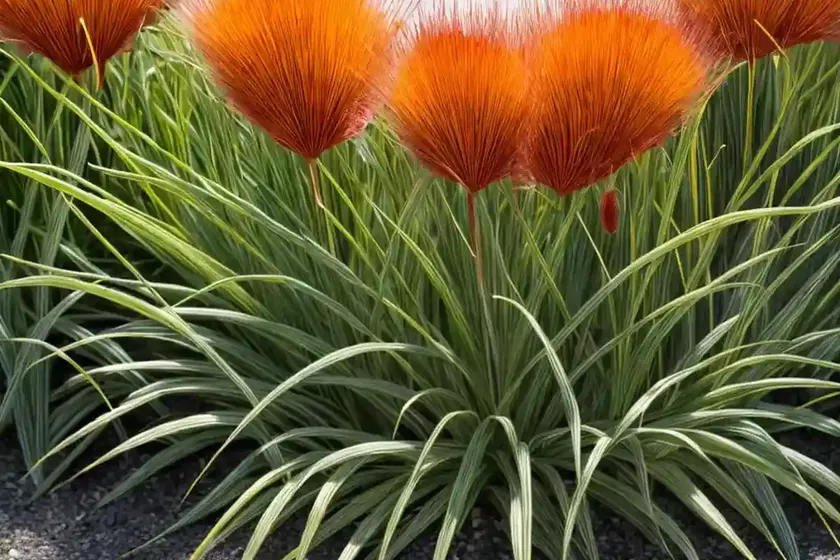

Plants form an integral part of our natural environment, adding beauty and vitality to landscapes, gardens, and outdoor spaces. In this blog post, we’ll delve into the fascinating world of Carex testacea ‘Prairie Fire,’ commonly known as New Zealand Hair Sedge. We’ll explore this plant’s characteristics, care requirements, propagation techniques, common diseases, pests, and much more. By the end of this comprehensive guide, you’ll have a deep understanding of how to care for and cultivate this stunning ornamental grass.
What is Carex testacea ‘Prairie Fire’?
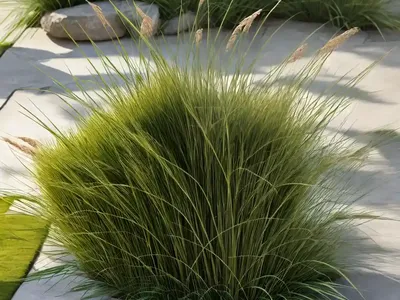
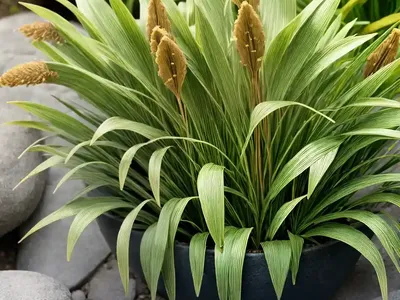
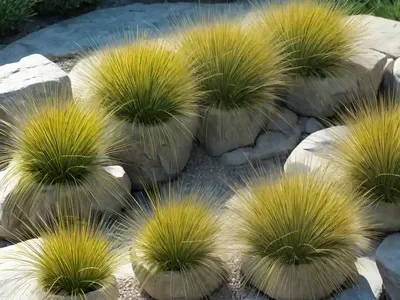
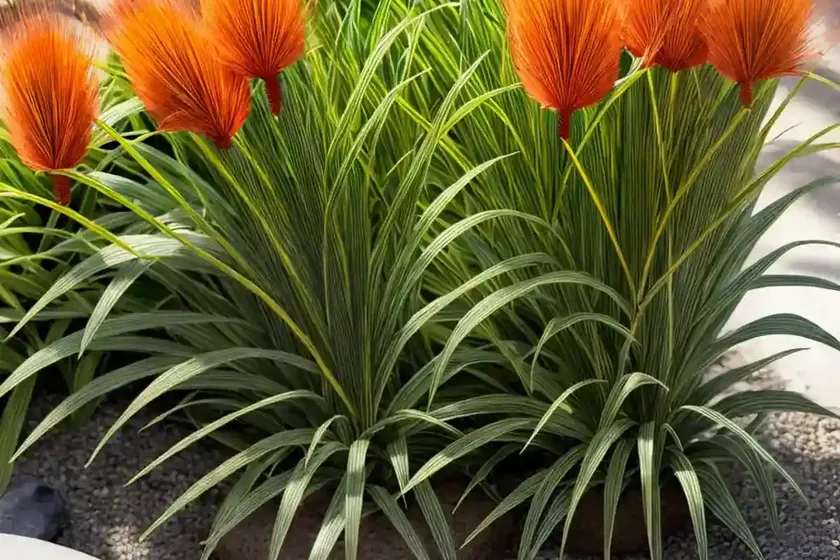
Carex testacea ‘Prairie Fire,’ also known as New Zealand Hair Sedge, is a distinctive ornamental grass that belongs to the Carex genus. Originating from New Zealand, this striking plant is renowned for its graceful, arching, bronze-red foliage, making it a popular choice for adding color and texture to gardens and landscapes.
Carex testacea ‘Prairie Fire’ Characteristics
- Foliage: The foliage of Carex testacea ‘Prairie Fire’ is its defining feature. It consists of arching, fine-textured leaves that emerge in a bronzy-green shade, gradually transitioning to a captivating bronzy-orange as the season progresses. This color evolution adds visual interest to outdoor spaces and makes Carex testacea ‘Prairie Fire’ a standout species in any garden.
- Height: This ornamental grass typically reaches a height of around 12 to 18 inches, with its flower spikes extending slightly higher. The compact stature of Carex testacea ‘Prairie Fire’ makes it a versatile plant suitable for various garden settings.
- Flower Spikes: In late spring to early summer, Carex testacea ‘Prairie Fire’ produces slender, brown flower spikes that rise above the foliage, adding an additional dimension to its aesthetic appeal.
Key Takeaways – Carex testacea ‘Prairie Fire’ (New Zealand Hair Sedge)
Before we delve into the specific care requirements and maintenance guidelines for Carex testacea ‘Prairie Fire,’ let’s highlight some key takeaways about this captivating ornamental grass.
Culture
– Hardiness Zones: Carex testacea ‘Prairie Fire’ thrives in hardiness zones 6 to 9, making it suitable for a wide range of temperate climates.
– Watering Needs: This plant prefers consistent moisture levels, so it’s essential to provide regular watering, especially during dry periods.
– Soil Requirements: Well-drained soil is crucial for the healthy growth of Carex testacea ‘Prairie Fire,’ ensuring that excess water doesn’t accumulate around its roots.
– Sunlight Preferences: While it tolerates partial shade, this ornamental grass exhibits the best coloration when grown in full sun or light shade.
Uses
– Landscape Design: Carex testacea ‘Prairie Fire’ is a versatile plant that adds visual interest to borders, rock gardens, and mixed perennial beds. Its unique foliage coloration makes it an ideal choice for creating striking contrasts within garden settings.
– Container Gardening: Due to its compact size and ornamental foliage, Carex testacea ‘Prairie Fire’ can be successfully grown in containers, enhancing patios, terraces, and other outdoor spaces.
Propagation
– Propagation Techniques: This plant can be propagated through division, allowing gardeners to expand their stock of Carex testacea ‘Prairie Fire’ and introduce it to new areas of the garden.
Common Diseases
– Disease Prevention: Proper cultural practices, including adequate spacing and air circulation, can help prevent issues such as crown rot and foliar diseases in Carex testacea ‘Prairie Fire.’
Common Pests
– Pest Control: While generally resistant to pests, occasional monitoring for aphids and other common garden pests is recommended to maintain the plant’s health and vigor.
The following sections will delve deeper into each of these key takeaways, providing comprehensive insights into the care and cultivation of Carex testacea ‘Prairie Fire’.
Culture
Water
Carex testacea ‘Prairie Fire’ thrives in moist soil conditions, so consistent watering is essential for the plant’s well-being. While it prefers moist environments, it’s important to avoid waterlogged or soggy soil, as this can lead to root rot and other issues. During dry periods, regular watering is crucial to maintain adequate moisture levels and support the plant’s healthy growth. Applying a layer of organic mulch around the base of the plant can help retain soil moisture and reduce the frequency of watering, particularly during hot and dry weather.
Sunlight
In terms of sunlight preferences, Carex testacea ‘Prairie Fire’ exhibits the best coloration when grown in full sun or light shade. When planted in full sun, the bronzy-orange hues of its foliage are intensified, creating a stunning display in garden settings. However, it can also tolerate partial shade, making it a versatile choice for various light conditions. When selecting a location for planting, consider the amount of sunlight the area receives throughout the day to ensure that the plant’s light requirements are met.
Fertilizer
Carex testacea ‘Prairie Fire’ generally thrives without the need for regular fertilization. However, applying a balanced, slow-release fertilizer in spring can support its growth and overall health. When choosing a fertilizer, opt for a formula specifically designed for ornamental grasses or general-purpose garden fertilizers. Following the application instructions on the fertilizer packaging will help avoid over-fertilization and potential damage to the plant. Incorporating organic matter into the soil during planting and as a topdressing in subsequent years can also provide the plant with essential nutrients and contribute to soil fertility.
Soil
Well-drained soil is crucial for the successful cultivation of Carex testacea ‘Prairie Fire.’ It thrives in a range of soil types, including loamy, sandy, and clay soils, as long as they have good drainage properties. Prior to planting, amend the soil with organic matter, such as compost or well-rotted manure, to improve its structure and fertility. This preparation helps create an optimal growing environment for the plant, supporting its root development and overall vigor. Regularly monitor the soil moisture levels to ensure that excessive water retention and poor drainage are addressed promptly, as these conditions can negatively impact the health of the plant.
Pruning
Carex testacea ‘Prairie Fire’ generally requires minimal pruning, as its foliage maintains an attractive appearance throughout the growing season. However, removing any dead, damaged, or discolored leaves as needed can help maintain the plant’s aesthetic appeal and overall health. Additionally, cutting back the previous year’s growth in late winter or early spring before new growth emerges can rejuvenate the plant and promote vigorous, fresh foliage. Use clean, sharp pruners to make precise cuts, and ensure that the plant’s natural form and structure are preserved during the pruning process. By practicing regular maintenance and selective pruning, you can keep Carex testacea ‘Prairie Fire’ looking its best throughout the year.
Propagation
Propagation of Carex testacea ‘Prairie Fire’ is primarily achieved through division, a relatively straightforward method that allows gardeners to create new plants from established specimens. Here’s a basic guide to propagating this ornamental grass through division:
Division Technique
- Timing: The best time to divide Carex testacea ‘Prairie Fire’ is in early spring before new growth begins or in early autumn after the plant has finished flowering. These periods provide optimal conditions for successful establishment and growth of the divided sections.
- Preparation: Prepare the new planting site in advance by amending the soil and ensuring that it is well-drained and suitable for the plant’s requirements.
- Digging: Carefully dig up the established clump of Carex testacea ‘Prairie Fire,’ ensuring that the root system remains intact.
- Division: Using a sharp, clean knife or garden spade, divide the clump into smaller sections, each containing a portion of the roots and foliage.
- Replanting: Plant the divided sections in their new locations, ensuring that they are positioned at the same depth as they were originally growing. Water the newly divided plants thoroughly to promote root establishment and reduce transplant shock.
By employing these propagation techniques, gardeners can expand their collection of Carex testacea ‘Prairie Fire’ and introduce it to new areas of the garden, enhancing the overall visual impact of their landscapes.
Container Popularity
Carex testacea ‘Prairie Fire’ is well-suited for container gardening, offering a compact form and eye-catching foliage that adds visual interest to outdoor spaces. Its versatility and adaptability make it an excellent choice for container plantings in various settings, including patios, balconies, and terraces. When choosing containers for this ornamental grass, select pots with adequate drainage holes to prevent waterlogging and ensure the health of the plant’s root system. Additionally, using a high-quality potting mix specifically formulated for ornamental grasses and outdoor plantings can provide the necessary nutrients and growing environment for the plant to thrive. With proper care and maintenance, Carex testacea ‘Prairie Fire’ can elevate the aesthetic appeal of container gardens, serving as a focal point or complementing other plants in mixed arrangements.
Container Gardening Tips
- Container Selection: Choose containers that complement the visual characteristics of Carex testacea ‘Prairie Fire,’ such as earthy tones or neutral colors that highlight the plant’s foliage.
- Drainage: Ensure that the chosen containers have sufficient drainage holes to prevent water accumulation, as excessive moisture can negatively affect the health of the plant.
- Potting Mix: Use a well-draining potting mix tailored for outdoor container plantings, providing the plant with essential nutrients and supporting healthy root development.
- Watering: Monitor the moisture levels in the container and water the plant as needed, adjusting the frequency based on environmental conditions and seasonal changes.
By implementing these container gardening tips, gardeners can successfully cultivate Carex testacea ‘Prairie Fire’ in containers, enriching their outdoor spaces with the captivating beauty of this ornamental grass.
Common Diseases
Disease Prevention
Carex testacea ‘Prairie Fire’ is generally resilient against major disease issues when provided with suitable growing conditions and proper care. However, certain cultural practices can help prevent potential diseases and maintain the plant’s health and vigor. Here are some disease prevention tips to safeguard Carex testacea ‘Prairie Fire’ from common issues:
- Adequate Spacing: Plant Carex testacea ‘Prairie Fire’ with sufficient spacing between individuals to ensure good air circulation, which can reduce the risk of foliar diseases.
- Healthy Soil: Maintain well-drained, fertile soil that promotes strong root development and overall plant resilience against potential diseases.
- Sanitation: Remove and dispose of any dead or decaying foliage, as well as any plant debris around the base of the plant, to minimize the risk of disease development and infestation.
By incorporating these disease prevention measures into your gardening practices, you can help safeguard the health and vitality of Carex testacea ‘Prairie Fire,’ allowing it to thrive in your garden with minimal risk of disease issues.
Common Pests
Pest Control
While Carex testacea ‘Prairie Fire’ is generally resistant to pest infestations, periodic monitoring for common garden pests can help maintain the plant’s well-being and prevent potential issues. Here are some key pest control measures for keeping this ornamental grass free from common pests:
- Aphids: Keep an eye out for aphids, particularly during periods of new growth, and employ natural pest control methods such as insecticidal soaps or horticultural oils if infestations occur.
- Regular Inspection: Routinely inspect the foliage and stems of Carex testacea ‘Prairie Fire’ for any signs of pest activity, addressing issues promptly to prevent damage to the plant.
By staying proactive and vigilant in pest monitoring and control, gardeners can ensure that Carex testacea ‘Prairie Fire’ remains healthy, vibrant, and free from detrimental pest infestations.
Botanist’s Tips
Soil Moisture
- Carex testacea ‘Prairie Fire’ prefers consistent soil moisture to support its growth and foliage coloration. Regular monitoring of soil moisture levels and providing supplemental watering during dry periods can help maintain ideal conditions for the plant.
Aesthetic Pairings
- Consider incorporating Carex testacea ‘Prairie Fire’ alongside plants with contrasting foliage colors and textures to create visually captivating combinations in garden borders or container plantings.
Seasonal Changes
- Observe the seasonal changes in foliage coloration and growth habits of Carex testacea ‘Prairie Fire,’ noting any variations across different times of the year and using this information to inform garden design and landscaping decisions.
Fun Facts
- Architectural Appeal: The graceful, arching foliage of Carex testacea ‘Prairie Fire’ adds a dynamic, architectural element to landscapes, making it a versatile choice for modern and contemporary garden designs.
- Wildlife Attractant: While not a primary wildlife food source, the dense foliage of Carex testacea ‘Prairie Fire’ can provide cover and nesting habitat for small animals and birds, contributing to ecological diversity in garden settings.
Links to External Resources
Here are some additional resources for further information on Carex testacea ‘Prairie Fire’ and related topics:
- Royal Horticultural Society – Carex testacea ‘Prairie Fire’
- University of California Agriculture and Natural Resources – Ornamental Grasses
- Missouri Botanical Garden – Ornamental Grasses for Missouri Landscapes
These resources offer valuable insights and guidance for gardeners interested in cultivating Carex testacea ‘Prairie Fire’ and exploring the diverse world of ornamental grasses.
Conclusion
Carex testacea ‘Prairie Fire’ is a captivating ornamental grass that brings a wealth of visual interest and aesthetic appeal to gardens, landscapes, and outdoor spaces. Its distinctive foliage coloration, compact size, and adaptability make it a valuable addition to diverse garden settings, offering versatility in both design and maintenance. By understanding its cultural requirements, propagation techniques, disease and pest management, and other key aspects of care, gardeners can cultivate and enjoy the striking beauty of Carex testacea ‘Prairie Fire’ while enhancing the overall charm of their outdoor environments.
Whether utilized as a standalone feature, combined with other plants in container gardens, or incorporated into landscape designs, Carex testacea ‘Prairie Fire’ boasts a unique and enduring charm that enriches the natural beauty of our surroundings. With its graceful form, changing foliage colors, and minimal maintenance needs, this ornamental grass stands as a testament to the diverse and captivating nature of plant life, captivating the hearts and minds of gardeners and nature enthusiasts alike.