Carex Tumulicola (Foothill Sedge)
As a plant scientist and enthusiast, I am excited to share with you the wonders of Carex Tumulicola, commonly known as Foothill Sedge. This beautiful.

As a plant scientist and enthusiast, I am excited to share with you the wonders of Carex Tumulicola, commonly known as Foothill Sedge. This beautiful ornamental grass is renowned for its versatile uses in landscaping, its low maintenance requirements, and its ability to thrive in various environmental conditions. In this comprehensive guide, we will explore the cultivation, care, and potential uses of Carex Tumulicola, delving into its unique characteristics, ideal growing conditions, and strategies for maintaining its health and vitality.
What is Carex Tumulicola (Foothill Sedge)?
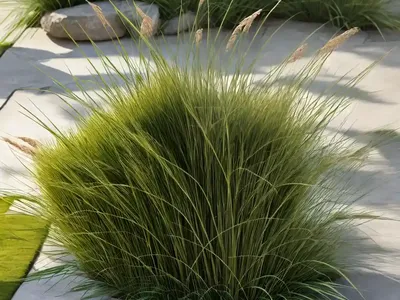
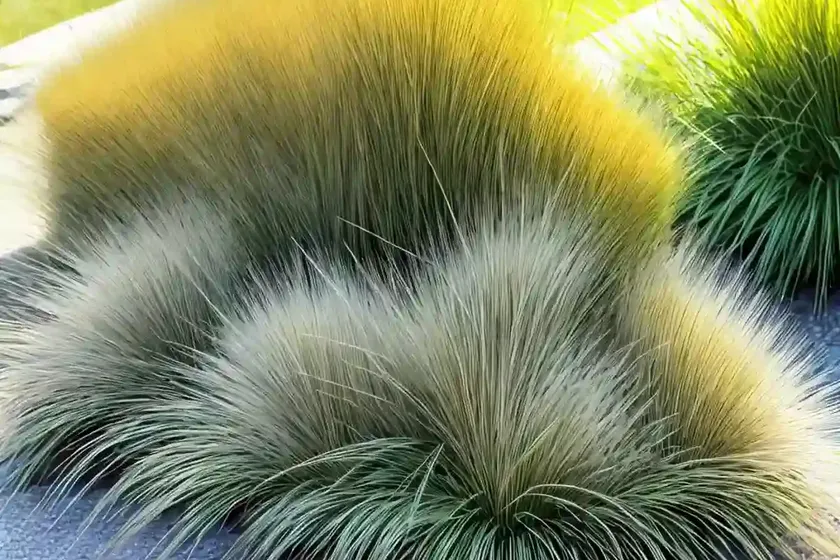
Carex Tumulicola, a member of the sedge family (Cyperaceae), is a perennial grass-like plant native to California, particularly the foothills of the Sierra Nevada and coastal ranges. It is characterized by its fine-textured, arching foliage and forms dense clumps that offer an attractive and visually appealing groundcover. Foothill Sedge is a valuable addition to naturalistic and eco-friendly landscaping due to its ability to create visually striking displays while requiring minimal maintenance.
Key Takeaways – Carex Tumulicola (Foothill Sedge)
Here are key takeaways for Carex Tumulicola, which will guide our exploration of this plant’s cultivation and care:
- Cultivation: Understanding the ideal conditions for growing Foothill Sedge
- Plant Characteristics: Exploring the unique features of Carex Tumulicola
- Maintenance Guide: Strategies for maintaining the health and vitality of this ornamental grass
- Landscaping Uses: Exploring the various ways Foothill Sedge can be utilized in landscaping
- Pests and Diseases: Identifying common issues and effective management strategies
- Container Gardening: Tips for growing Carex Tumulicola in containers
By delving into these key aspects, we will gain a comprehensive understanding of Carex Tumulicola and how to ensure its successful cultivation and care.
Cultivation: Understanding the Ideal Growing Conditions
Proper cultivation of Carex Tumulicola is essential to ensure its optimal growth and development. To cultivate Foothill Sedge successfully, it is crucial to consider the following factors:
1. Water
Carex Tumulicola is well-adapted to a variety of moisture levels, demonstrating a degree of drought tolerance once established. However, it thrives in moist, well-drained soils, making it suitable for areas with regular irrigation or naturally higher moisture levels. When cultivating Foothill Sedge, it is important to ensure that the soil remains consistently moist, especially during the establishment phase.
2. Sunlight
In terms of sunlight requirements, Carex Tumulicola exhibits remarkable versatility. While it prefers partial shade or filtered sunlight, it can also tolerate full sun in cooler coastal environments. When grown in regions with intense sun exposure, providing some shade during the hottest parts of the day can help maintain the plant’s vigor and prevent leaf scorch.
3. Soil
Foothill Sedge thrives in a range of soil types, including loamy, sandy, and clay soils. It is essential to ensure that the soil is well-drained, as excessive water retention can lead to root rot and other moisture-related issues. Additionally, incorporating organic matter into the soil can enhance its fertility and improve its water retention capacity, promoting the healthy growth of Carex Tumulicola.
Plant Characteristics: Exploring the Unique Features of Carex Tumulicola
Carex Tumulicola is celebrated for its distinct characteristics, which contribute to its appeal as an ornamental grass. Understanding these features will provide valuable insight into the plant’s behavior and requirements, allowing for better care and maintenance.
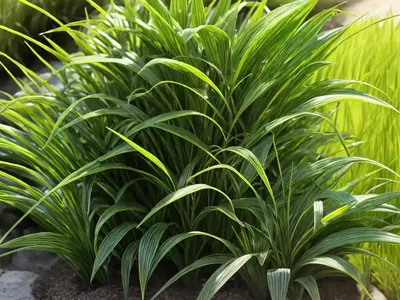
- Fine-Textured Foliage: Foothill Sedge is prized for its delicate, fine-textured foliage, which forms dense clumps that create a lush and visually appealing groundcover.
- Arching Growth Habit: The arching growth habit of Carex Tumulicola adds an elegant and graceful quality to its appearance, making it an attractive addition to landscaping designs.
- Native Habitat: As a native Californian species, Foothill Sedge is well-suited to the region’s climate and environmental conditions, showcasing its adaptability and resilience.
Maintenance Guide: Strategies for Ensuring the Health and Vitality of Foothill Sedge
Maintaining the health and vitality of Carex Tumulicola involves implementing a proactive care regimen that supports its growth and overall well-being. By following these strategies, gardeners can ensure that Foothill Sedge thrives and remains an asset in their landscape designs.
- Pruning Techniques: Regular pruning can help rejuvenate the plant and prevent the accumulation of dead or decaying foliage. Carex Tumulicola can be pruned back in late winter or early spring to renew its growth and maintain its attractive appearance.
- Watering Requirements: While Foothill Sedge exhibits a degree of drought tolerance, consistent moisture is essential, especially during the establishment phase and in warmer, drier climates. Regular watering, particularly during dry periods, will promote healthy growth and prevent stress-related issues.
- Fertilization: Minimal fertilization is generally required for Carex Tumulicola. However, applying a balanced, slow-release fertilizer in early spring can provide the necessary nutrients to support its growth without promoting excessive vegetative development.
Landscaping Uses: Exploring the Versatility of Carex Tumulicola
Foothill Sedge offers a wide range of landscaping applications, making it a valuable addition to diverse outdoor environments. Its ornamental qualities, adaptability, and low maintenance requirements contribute to its widespread use in landscaping designs.
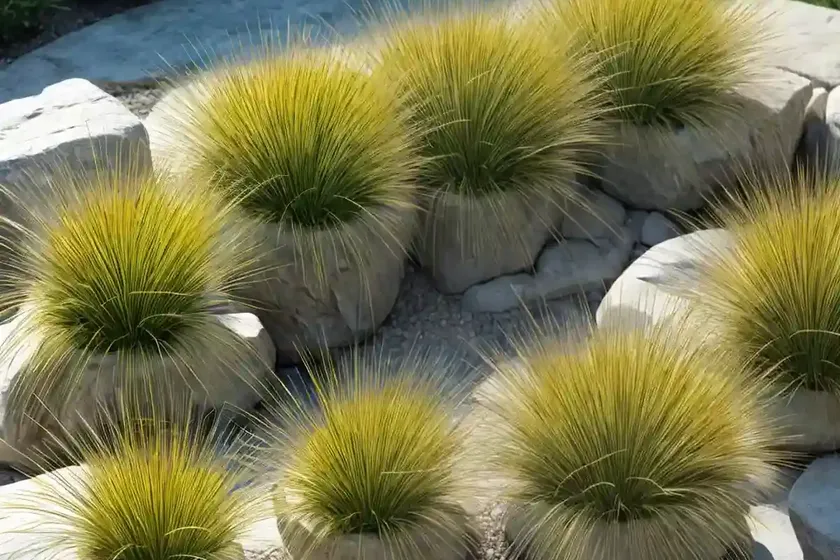
- Groundcover: Carex Tumulicola’s dense clumping habit and fine-textured foliage make it well-suited for use as a groundcover in various settings, including naturalistic landscapes and garden borders.
- Erosion Control: Due to its root structure and dense growth habit, Foothill Sedge can effectively prevent soil erosion, making it an excellent choice for stabilizing slopes and embankments.
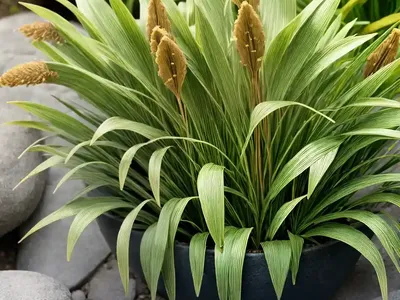
- Container Gardening: Its adaptability to container cultivation allows for creative and versatile use in potted arrangements, adding texture and visual interest to outdoor spaces, patios, and garden areas.
Pests and Diseases: Identifying Common Issues and Effective Management Strategies
While Carex Tumulicola is generally resistant to pests and diseases, it is important to remain vigilant for any potential issues that may arise. By recognizing common problems and implementing effective management strategies, gardeners can maintain the health and vitality of Foothill Sedge.
Common Diseases
- Anthracnose: This fungal disease can cause leaf spots, blighting, and dieback in Carex Tumulicola. To manage anthracnose, it is important to remove and destroy affected plant material and promote good air circulation to prevent the spread of the fungus.
Common Pests
- Aphids: These small, sap-sucking insects can infest Foothill Sedge, causing distorted growth and yellowing of foliage. Control measures include spraying the plant with a strong stream of water to dislodge aphids and introducing natural predators such as ladybugs to the garden.
Container Gardening: Tips for Growing Carex Tumulicola in Containers
The adaptability of Carex Tumulicola to container cultivation opens up a myriad of possibilities for incorporating this ornamental grass into outdoor and indoor spaces. When growing Foothill Sedge in containers, there are essential considerations to ensure its successful development and long-term health.
- Container Selection: Choose a container with adequate drainage holes to prevent waterlogging while allowing excess moisture to escape. Select a size that accommodates the plant’s root system and provides room for growth.
- Potting Mix: Use a well-draining potting mix that provides good aeration and water retention. Incorporating organic matter can enhance the fertility of the soil and support the healthy growth of Carex Tumulicola.
- Watering: Containers may require more frequent watering, especially during hot and dry periods. It is important to monitor the moisture level and adjust the watering frequency to maintain ideal soil conditions for Foothill Sedge.
Botanist’s Tips for Successfully Growing Carex Tumulicola
To ensure the successful cultivation and care of Carex Tumulicola, the following tips from botanists and horticultural experts can be invaluable:
- Native Habitat: Consider the natural habitat of Foothill Sedge to guide its cultivation, mimicking the environmental conditions that promote its optimal growth and development.
- Mulching: Applying a layer of organic mulch around the base of the plant can help conserve soil moisture, suppress weed growth, and insulate the roots, contributing to the overall health of Carex Tumulicola.
- Companion Planting: Selecting companion plants that complement the unique characteristics of Foothill Sedge can enhance the visual appeal and ecological balance of the garden.
Fun Facts About Carex Tumulicola
- Wildlife Habitat: Carex Tumulicola provides valuable habitat and food sources for native wildlife, making it an asset in wildlife-friendly gardens and naturalistic landscapes.
- Erosion Control: Due to its root structure and dense growth habit, Foothill Sedge is an effective erosion control plant, contributing to the preservation of soil integrity in various outdoor environments.
- Landscape Design: Its versatile uses in landscaping, including as a groundcover, edging plant, or accent feature, make Carex Tumulicola a highly versatile and valuable addition to outdoor spaces.
Links to External Resources
For further information on the cultivation and care of Carex Tumulicola, explore the following external resources:
- California Native Plant Society – Carex Tumulicola
- UC Master Gardener Program – Foothill Sedge
- Calscape – Carex Tumulicola
- The Theodore Payne Foundation – Foothill Sedge Planting Guide
By utilizing these external resources, you can gain valuable insights, tips, and recommendations from experts in the field of native plant cultivation and horticulture.
In conclusion, Carex Tumulicola, or Foothill Sedge, is a remarkable ornamental grass with a myriad of practical and aesthetic uses in landscaping. Its adaptability, low maintenance requirements, and contributions to ecological balance make it a valuable addition to diverse outdoor environments. By understanding its cultivation needs, unique characteristics, and effective maintenance strategies, gardeners can harness the full potential of Carex Tumulicola in their landscape designs, creating visually stunning and environmentally conscious outdoor spaces. Whether used as a groundcover, erosion control plant, or container specimen, Foothill Sedge exemplifies the beauty and functionality of native flora in garden and landscape settings.
This comprehensive guide provides an in-depth exploration of the cultivation and care of Carex Tumulicola, addressing key aspects such as its ideal growing conditions, unique characteristics, maintenance strategies, and landscaping uses. Moreover, it emphasizes effective ways to address common pests and diseases, as well as practical tips for growing Foothill Sedge in containers. Additionally, it offers fun facts about this ornamental grass and provides links to external resources for further exploration.