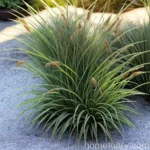
Carex oshimensis ‘Everillo’ (Japanese Sedge): A Complete Plant Care Guide
Carex oshimensis ‘Everillo’, commonly known as Japanese Sedge, is a striking ornamental grass that is prized for its vibrant golden foliage. This versatile plant is a popular choice for adding color and texture to gardens, landscaping, and container arrangements. In this comprehensive care guide, we will explore the various aspects of growing and maintaining Carex oshimensis ‘Everillo’, from its cultural requirements to its uses, propagation, and common diseases and pests.
What is Carex oshimensis ‘Everillo’?
Carex oshimensis ‘Everillo’ is a cultivar of Carex oshimensis, a species of perennial sedge native to Japan. It belongs to the Cyperaceae family and is valued for its arching, slender leaves that emerge in vivid shades of lime green, gradually transitioning to bright golden-yellow as they mature. The foliage of ‘Everillo’ adds a pop of color to garden beds, borders, and containers, making it a sought-after plant for both amateur gardeners and landscaping professionals.
Key Takeaways – Carex oshimensis ‘Everillo’ (Japanese Sedge)
Before delving into the specifics of caring for Carex oshimensis ‘Everillo’, let’s outline the key takeaways that will be covered in this comprehensive guide.
- Plant Name: Carex oshimensis ‘Everillo’ (Japanese Sedge)
- Cultural Requirements: Water, Sunlight, Fertilizer, Soil, Pruning
- Uses: Landscape, Container, Groundcover, Border
- Propagation: Division, Seeds
- Popularity: Common Uses, Landscaping Trends
- Common Diseases: Diagnosis, Prevention, Treatment
- Common Pests: Identification, Control
Now, let’s delve into the detailed aspects of caring for Japanese Sedge, covering each of the outlined sections thoroughly.
Culture
Successfully growing and maintaining Carex oshimensis ‘Everillo’ necessitates an understanding of its cultural requirements. From water and sunlight preferences to soil and fertilizer needs, providing the right conditions is crucial for the optimal development of this ornamental grass.
Water
Watering Tips for Growing Carex oshimensis ‘Everillo’:
- Carex oshimensis ‘Everillo’ thrives in consistently moist soil, making regular watering essential, especially during hot and dry periods.
- When establishing new plants, ensure that the root zone remains evenly moist but not waterlogged to encourage healthy root development.
- Mulching around the base of the plant can help retain soil moisture and reduce the frequency of watering, particularly in warmer climates.
Sunlight
Sunlight Needs of Carex oshimensis ‘Everillo’:
- Japanese Sedge prefers partial shade to full shade, making it an excellent choice for woodland gardens, shady landscapes, and areas with filtered sunlight.
- While it can tolerate some morning sun, prolonged exposure to intense sunlight may cause the foliage to scorch, leading to a decline in its vibrant coloration and overall health.
- By planting Carex oshimensis ‘Everillo’ in locations that receive dappled sunlight or gentle morning light, you can ensure that it retains its striking golden hue.
Fertilizer
Fertilizer Recommendations for Carex oshimensis ‘Everillo’:
- Japanese Sedge generally does not have high fertilizer requirements and can thrive in moderately fertile soils.
- Applying a balanced, slow-release fertilizer in spring can support healthy growth and vibrant foliage color, but be cautious not to over-fertilize, as excessive nutrients can lead to lush but floppy growth.
Soil
Best Soil for Japanese Sedge:
- Carex oshimensis ‘Everillo’ grows best in well-draining, humus-rich soils with a slightly acidic to neutral pH.
- Amending heavy clay soils with organic matter such as compost or peat moss can improve drainage and fertility, creating an ideal growing environment for this ornamental grass.
Uses
Japanese Sedge is valued for its versatility and can be utilized in various landscape settings as well as in container arrangements. Understanding its potential uses allows for creative incorporation into different garden designs and horticultural projects.
Landscape
In garden and landscape design, Carex oshimensis ‘Everillo’ serves multiple purposes, including:
- Groundcover: Its low, mounding growth habit and vibrant foliage make it an excellent choice for groundcover applications, especially in shaded areas where other plants may struggle.
- Border Plant: The striking golden-yellow leaves of ‘Everillo’ make it an eye-catching choice for border plantings, adding a bright contrast and defining garden edges.
- Shady Landscapes: Its preference for partial to full shade makes it an ideal option for shaded landscapes, where it provides visual interest and color in areas with limited sunlight.
Container
The compact nature and ornamental appeal of Japanese Sedge lend themselves well to container gardening, offering opportunities for creativity and versatility in outdoor and indoor plant arrangements.
- Container Arrangements: ‘Everillo’ can be paired with other shade-tolerant plants and utilized in mixed container arrangements, adding a vibrant pop of color to shaded patios, balconies, and entryways.
- Modern Designs: Its distinctive foliage texture and bright coloration make it a popular choice for modern and contemporary container designs, where it can be showcased as a focal point or used to provide contrast with other plantings.
Pruning
Maintaining the attractive appearance of Carex oshimensis ‘Everillo’ involves periodic pruning and maintenance to manage its growth and rejuvenate the plant.
Pruning Techniques for Carex oshimensis ‘Everillo’:
- Deadleaf Removal: Regularly removing dead or yellowed leaves helps to enhance the overall appearance of the plant and allows air circulation to minimize the risk of diseases.
- Division: Every few years, dividing established clumps of Carex oshimensis ‘Everillo’ can rejuvenate the plant, promote healthy growth, and control its spread, making it an effective pruning method for managing its size and vigor.
Propagation
Expanding your collection of Japanese Sedge or sharing it with fellow gardeners can be achieved through propagation methods such as division and growing from seeds.
Division
Propagation Methods for Carex oshimensis ‘Everillo’:
- Division: In early spring or early fall, dividing mature clumps of ‘Everillo’ can be an effective way to propagate the plant. Carefully separate the clump into smaller sections, each containing healthy roots and shoots, and replant them in prepared soil to establish new plants.
Growing from Seeds
- Seeds: While Carex oshimensis ‘Everillo’ can produce seeds, they may not come true to the parent plant’s characteristics, as it is often propagated vegetatively through division to maintain its desirable traits.
Popularity
Carex oshimensis ‘Everillo’ has gained popularity among gardeners and landscapers due to its striking features and versatile uses in various horticultural settings.
Container Gardening with Carex oshimensis ‘Everillo’:
- As a plant for containers, ‘Everillo’ offers an excellent choice, providing a pop of color and texture in shaded patios, balconies, and outdoor living spaces, where it can be paired with complementary plants to create visually appealing displays.
Companion Plants for Japanese Sedge:
- In landscaping scenarios, Carex oshimensis ‘Everillo’ complements other shade-tolerant perennials and foliage plants such as ferns, hostas, and heucheras, contributing to diverse and visually intriguing plantings.
The widespread recognition of Japanese Sedge in the gardening community reflects its appeal and adaptability, inspiring creative uses in both traditional and contemporary gardening practices.
Common Diseases
While Carex oshimensis ‘Everillo’ is relatively resistant to pests and diseases, it is essential to be aware of potential issues and implement preventive strategies to safeguard the health of the plant.
Disease Diagnosis
Understanding the symptoms and characteristics of common diseases that can affect Japanese Sedge is crucial for timely intervention and effective management.
Common Problems with Carex oshimensis ‘Everillo’:
- Leaf Spot: Fungal diseases such as leaf spot may occasionally affect the foliage of ‘Everillo’, resulting in the development of dark spots or lesions on the leaves. Ensure good air circulation and avoid overhead watering to reduce the risk of fungal diseases.
Disease Prevention and Treatment
Disease and Pest Control for Japanese Sedge:
- To prevent and manage diseases, practice good sanitation by removing and disposing of any infected plant debris, and avoid overhead irrigation to minimize moisture on the foliage, which can contribute to fungal issues.
By staying vigilant and promptly addressing any signs of disease, you can maintain the health and visual appeal of Carex oshimensis ‘Everillo’ in the landscape.
Common Pests
Japanese Sedge is generally resistant to many common garden pests, but it is still susceptible to occasional pest infestations that may require attention and management.
Common Pests
Identifying and Controlling Pests for Carex oshimensis ‘Everillo’:
- Aphids: In some instances, aphids may infest the foliage of ‘Everillo’, sucking sap from the plant and causing distortion or yellowing of the leaves. Hose down the affected plants with a strong jet of water to dislodge the aphids or consider using insecticidal soap as a control measure.
While Japanese Sedge is relatively pest-resistant, it is important to monitor for any signs of pest activity and take appropriate measures to minimize their impact.
Botanist’s Tips
For enthusiasts and horticultural professionals seeking to optimize the growth and visual appeal of Carex oshimensis ‘Everillo’, the following botanist’s tips provide valuable insights and recommendations.
Fun Facts
- Seasonal Color Changes: The foliage of ‘Everillo’ exhibits color variations throughout the seasons, with its bright golden-yellow leaves intensifying in color during cooler temperatures and often developing a green tinge in the heat of summer.
- Wildlife Attraction: Japanese Sedge is known to attract beneficial insects such as pollinators, making it a valuable addition to wildlife-friendly gardens.
Links to External Resources
To further enhance your knowledge of Japanese Sedge and its cultivation, the following external resources provide valuable information and insights:
By exploring these reputable sources, you can gain a deeper understanding of the characteristics, care requirements, and landscaping potential of Carex oshimensis ‘Everillo’.
In summary, Carex oshimensis ‘Everillo’ (Japanese Sedge) is a captivating ornamental grass with distinctive foliage that enriches garden landscapes, container gardens, and various horticultural settings. By providing the appropriate cultural care, recognizing potential diseases and pests, and harnessing its uses in creative landscaping designs, you can fully embrace the beauty and elegance of this versatile plant.
Whether utilized as a groundcover, border plant, or container specimen, ‘Everillo’ stands as a testament to the enduring appeal and practicality of ornamental grasses in modern garden designs. With its bright and cheerful demeanor, Carex oshimensis ‘Everillo’ continues to captivate plant enthusiasts and inspire new possibilities in horticulture and landscaping.
Keywords: Carex oshimensis ‘Everillo’ characteristics, Japanese Sedge planting tips, How to grow Carex oshimensis ‘Everillo’, Carex oshimensis ‘Everillo’ care guide, Japanese Sedge varieties, Carex oshimensis ‘Everillo’ maintenance, Growing Japanese Sedge in containers, Care requirements for Carex oshimensis ‘Everillo’, Best soil for Japanese Sedge, Sunlight needs of Carex oshimensis ‘Everillo’, Watering tips for growing Carex oshimensis ‘Everillo’, Disease and pest control for Japanese Sedge, Propagation methods for Carex oshimensis ‘Everillo’, Companion plants for Japanese Sedge, Pruning techniques for Carex oshimensis ‘Everillo’, Winter care for Japanese Sedge, Fertilizer recommendations for Carex oshimensis ‘Everillo’, Common problems with Carex oshimensis ‘Everillo’, Japanese Sedge vs other ornamental grasses, Medicinal uses of Carex oshimensis ‘Everillo’, Wildlife attraction of Japanese Sedge, Drought tolerance of Carex oshimensis ‘Everillo’, Shade tolerance of Japanese Sedge, Growing Carex oshimensis ‘Everillo’ from seeds, Landscaping ideas with Japanese Sedge, Container gardening with Carex oshimensis ‘Everillo’, Seasonal color changes of Japanese Sedge, Carex oshimensis ‘Everillo’ as a groundcover, Companion plants for Carex oshimensis ‘Everillo’, Native habitat of Japanese Sedge, Growing Carex oshimensis ‘Everillo’ in wet areas, Naturalizing Japanese Sedge in the garden, Carex oshimensis ‘Everillo’ for erosion control, Foliage texture of Japanese Sedge, Carex oshimensis ‘Everillo’ as a border plant, Japanese Sedge in rock gardens, Carex oshimensis ‘Everillo’ in shady landscapes, Japanese Sedge in bog gardens, Carex oshimensis ‘Everillo’ for container arrangements, Native alternatives to Japanese Sedge, Low-maintenance qualities of Carex oshimensis ‘Everillo’, Color combinations with Japanese Sedge, Carex oshimensis ‘Everillo’ as an edging plant, Japanese Sedge for rain gardens, Carex oshimensis ‘Everillo’ for wetland restoration, Drought-tolerant landscaping with Japanese Sedge, Carex oshimensis ‘Everillo’ for slope stabilization, Water conservation with Japanese Sedge, Carex oshimensis ‘Everillo’ in modern garden designs, Japanese Sedge for coastal landscapes