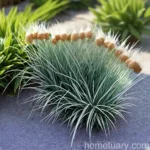
Carex ‘Ice Dance’ (Japanese Sedge)
Plants play a vital role in adding beauty and tranquility to our environment. Their presence brings life to any space, and each type of plant offers unique features that contribute to the overall aesthetics and functionality of a garden or landscape. In this comprehensive guide, we will delve into the world of Carex ‘Ice Dance’ (Japanese Sedge), exploring its characteristics, care requirements, uses, and much more. Whether you are a seasoned gardener or just beginning your journey into the world of plants, this guide will provide valuable insights into how to care for and make the most of this delightful ornamental grass.
What is Carex ‘Ice Dance’ (Japanese Sedge)?
Carex ‘Ice Dance’, commonly known as Japanese Sedge, is a versatile and low-maintenance ornamental grass that adds elegance and visual interest to various outdoor settings. With its graceful arching foliage and attractive variegated leaves, this evergreen perennial plant has become a popular choice for gardeners and landscapers seeking to incorporate texture, color, and structure into their designs.
The botanical name for Japanese Sedge, Carex, reflects its classification as a member of the sedge family, Cyperaceae. This genus encompasses a diverse group of plants, many of which are known for their adaptability to different growing conditions and their ability to thrive in a variety of landscapes.
The ‘Ice Dance’ cultivar of Carex features striking glossy foliage that is dark green with distinctive white margins, creating a bright and eye-catching display. This particular variety is highly regarded for its resilience and ability to retain its attractive appearance throughout the year, making it a valuable addition to gardens, borders, and containers.
Key Takeaways – Carex ‘Ice Dance’ (Japanese Sedge)
Before diving into the specifics of caring for Carex ‘Ice Dance’, let’s summarize some key takeaways about this delightful plant:
- Plant Name: Carex ‘Ice Dance’ (Japanese Sedge)
- Common Name: Japanese Sedge
- Family: Cyperaceae
- Foliage: Evergreen, arching, variegated
- Uses: Ground cover, landscaping, borders, containers
- Hardiness: Thrives in various climates, adaptable
- Maintenance: Low-maintenance, requires minimal care
- Growth Habit: Clumping, non-invasive
- Sunlight: Partial shade to full shade
- Water Requirements: Regular moisture, well-draining soil
- Height: Typically reaches 12-18 inches in height
- Propagation: Easily propagated through division
- Diseases: Generally resistant to diseases
- Pests: Rarely affected by pests
- Companion Plants: Well-suited for companion planting
Now that we have an overview of the essential characteristics of Carex ‘Ice Dance’, let’s delve into the details of how to care for this charming ornamental grass.
Culture
Understanding the cultural requirements of Carex ‘Ice Dance’ is crucial for ensuring its optimal growth and development. By considering factors such as water, sunlight, soil, and fertilizer, you can create an environment that allows this plant to thrive and showcase its unique beauty.
Uses
Japanese Sedge, with its versatile and attractive characteristics, serves various purposes in outdoor settings. Here are some common uses of Carex ‘Ice Dance’ in landscaping and gardening:
-
Ground Cover: The dense and clumping nature of Carex ‘Ice Dance’ makes it an excellent choice for ground cover in shaded areas. Its elegant foliage spreads out to form a lush carpet, enhancing the visual appeal of the space.
-
Landscaping: Japanese Sedge adds texture, color, and structure to landscapes, making it a valuable component of borders, woodland gardens, and other designed areas.
-
Borders and Edging: The uniform growth habit and evergreen foliage of Carex ‘Ice Dance’ make it well-suited for defining borders and edging, creating neat and well-maintained boundaries.
-
Container Planting: This sedge is an ideal candidate for container gardening, where it can bring its distinctive charm to patios, balconies, and other outdoor living spaces.
With its adaptability and aesthetic appeal, Carex ‘Ice Dance’ offers multiple possibilities for enhancing the visual impact of gardens and landscapes.
Water
Appropriate watering is essential for the health and vigor of Carex ‘Ice Dance’. While this sedge is relatively tolerant of different moisture levels, maintaining regular moisture is crucial, especially during the establishment phase and in dry periods.
-
Establishment: Newly planted Carex ‘Ice Dance’ should be watered consistently to promote root development and ensure successful establishment. Providing ample moisture in the initial stages helps the plant adapt to its new environment and sets the foundation for future growth.
-
Regular Moisture: Once established, Japanese Sedge benefits from regular watering, especially during dry spells or prolonged periods of heat. While it can tolerate short periods of drought, consistent moisture levels support its overall health and appearance.
-
Drainage: Ensuring well-draining soil is critical to prevent waterlogging, which can lead to root rot and other issues. Adequate drainage promotes a healthy root system and enhances the plant’s resilience to environmental stress.
Sunlight
Carex ‘Ice Dance’ thrives in partial to full shade, making it well-suited for shaded and woodland settings. The variegated foliage of this sedge adds brightness and visual interest to shady areas, transforming dim corners into vibrant spots within the landscape.
-
Partial Shade: This sedge performs admirably in partial shade, where it receives dappled sunlight or indirect light for a portion of the day. Partially shaded locations are often ideal for bringing out the best in the variegated foliage of Carex ‘Ice Dance’, intensifying the contrast between the green and white hues.
-
Full Shade: Japanese Sedge also flourishes in full shade, where it can thrive in areas with limited direct sunlight. Its adaptability to low-light conditions makes it a valuable addition to gardens and landscapes seeking to utilize shaded spaces effectively.
-
Considerations: While Carex ‘Ice Dance’ is well-suited for shade, it is essential to ensure that the chosen planting location provides the right balance of moisture and light. Shadier environments often require careful attention to soil moisture and the potential impact of surrounding trees on the plant’s growth.
Fertilizer
Japanese Sedge typically has low fertilizer requirements, and excessive feeding can lead to imbalanced growth or diminished aesthetic appeal. However, providing some nutritional support can benefit the overall health and vigor of Carex ‘Ice Dance’.
-
Organic Matter: Incorporating organic matter into the soil during planting can enhance the nutrient content and structure of the soil, promoting healthy growth and aiding in the establishment of the sedge.
-
Slow-Release Fertilizer: If desired or if growth appears to be sluggish, applying a low-dose, slow-release fertilizer in spring can provide a gentle boost to the plant without inducing excessive growth.
-
Minimal Feeding: Avoid over-fertilization, as an excess of nutrients can lead to rapid, soft growth that is more susceptible to damage and diseases. Japanese Sedge generally thrives in moderately fertile soil without the need for frequent feeding.
By maintaining a balanced approach to fertilization, you can support the well-being of Carex ‘Ice Dance’ without inadvertently compromising its natural growth habits and characteristics.
Soil
The right soil conditions play a pivotal role in the success of Japanese Sedge. Carex ‘Ice Dance’ thrives in well-draining, moisture-retentive soil with a neutral to slightly acidic pH. Understanding the soil requirements of this ornamental grass is crucial for creating an environment conducive to its healthy growth.
-
Texture: Loamy or humus-rich soils that offer good drainage while retaining moisture are well-suited for Carex ‘Ice Dance’. The slightly damp but not waterlogged nature of the soil ensures that the sedge receives adequate moisture without the risk of standing water.
-
pH Level: A pH range of 6.0 to 7.0 is generally ideal for Japanese Sedge, and maintaining a neutral to slightly acidic soil environment supports its nutrient uptake and overall well-being.
-
Amendments: Incorporating organic matter, such as compost or well-rotted manure, can enhance the soil structure and fertility, contributing to the long-term health of the plant. Amending the soil at the time of planting provides a nutrient-rich foundation for the sedge to establish itself.
-
Mulching: Applying a layer of organic mulch around the base of the plant helps conserve soil moisture, suppress weeds, and protect the roots from temperature fluctuations. Mulching also contributes to the overall health of the soil and the plant.
Pruning
Pruning requirements for Carex ‘Ice Dance’ are minimal, as this sedge is largely self-maintaining and retains its neat and tidy appearance without extensive intervention. However, some light pruning and maintenance tasks can help keep the plant looking its best and prevent the accumulation of dead or damaged foliage.
-
Dead Foliage Removal: Regularly removing any spent or damaged foliage from the plant can help maintain a tidy and attractive appearance. Trimming back discolored or withered leaves promotes fresh growth and prevents the sedge from becoming visually cluttered.
-
Rejuvenation: Periodic rejuvenation pruning, usually performed in late winter or early spring, can invigorate the plant and encourage healthy regrowth. Carefully trimming back the plant to remove old or tired foliage can stimulate the emergence of new, vibrant growth.
-
Pruning Frequency: While Carex ‘Ice Dance’ does not require frequent pruning, occasional tidying up can help manage the plant’s appearance and maintain its vigor over time.
By incorporating gentle pruning practices into your care routine, you can ensure that Japanese Sedge continues to present its best features and remains a captivating element within your garden or landscape.
Propagation
Propagating Carex ‘Ice Dance’ is a straightforward process that allows you to expand your collection of these charming ornamental grasses or share them with fellow gardening enthusiasts. Division is the primary method used for propagating Japanese Sedge, and its clumping growth habit makes this process relatively simple.
-
Time for Propagation: Early spring, before the growing season begins, is an ideal time for dividing and propagating Carex ‘Ice Dance’. The mild temperatures and increased growth activity provide the best conditions for successful establishment of new divisions.
-
Division Process: To propagate Japanese Sedge through division, carefully dig up the established plant and separate the clumps into smaller sections, ensuring that each division has a healthy root system and several new shoots. Replant the divisions in a suitable location, amend the soil as needed, and provide adequate moisture to aid in their establishment.
-
Maintenance of Divisions: Newly divided plants benefit from regular moisture and a bit of extra care as they settle into their new growing environment. Monitoring their progress and ensuring their needs are met contribute to successful establishment and future growth.
By mastering the art of division and propagation, you can multiply the presence of Carex ‘Ice Dance’ within your garden or share the joy of cultivating this delightful sedge with others.
Container Popularity
Japanese Sedge is well-suited for growing in containers, offering a wealth of possibilities for incorporating its charm into various outdoor spaces. The adaptability and low-maintenance nature of Carex ‘Ice Dance’ make it a popular choice for container gardening, where it thrives in a controlled environment while adding a touch of elegance to patios, decks, and other designated areas.
-
Container Selection: Choose containers that provide good drainage and ample space for the roots to develop. Lightweight materials, such as fiberglass or resin, are practical options for large containers, while smaller pots made of clay or ceramic can showcase the sedge in more confined spaces.
-
Potting Mix: Utilize a well-draining potting mix suitable for ornamental grasses and amend it with organic matter to further enhance its moisture retention and nutrient content.
-
Positioning: Place the container in a location that receives the appropriate amount of shade, as Japanese Sedge is well-suited for partial to full shade conditions. Ensuring that the sedge has access to adequate moisture and the right quality of light is essential for its success in a container.
-
Maintenance: Container-grown Carex ‘Ice Dance’ may require more frequent watering, especially during warm and dry periods. Monitoring the soil moisture and providing supplementary watering as needed help maintain the plant’s health and appearance.
By harnessing the potential of container gardening, you can integrate the beauty of Carex ‘Ice Dance’ into diverse outdoor settings, enlivening spaces with its graceful presence and variegated foliage.
Common Diseases
Carex ‘Ice Dance’ typically exhibits good resistance to diseases, thanks to its robust nature and adaptability. However, being aware of potential issues and promptly addressing any signs of disease can safeguard the health and vitality of this ornamental grass.
While Japanese Sedge is generally resilient, it may occasionally encounter certain diseases, including:
-
Anthracnose: This fungal disease can lead to the development of dark lesions on the foliage of Carex ‘Ice Dance’. Maintaining good air circulation and keeping the plant free from debris can help prevent the occurrence and spread of anthracnose.
-
Leaf Spot: Various types of leaf spot may affect the foliage of Japanese Sedge, causing discoloration and weakening the plant if left unchecked. Managing excess moisture and maintaining a clean growing environment can reduce the risk of leaf spot infections.
-
Root Rot: Prolonged periods of excessively wet conditions can create a conducive environment for root rot, a condition caused by waterlogged soil and root-dwelling pathogens. Ensuring proper drainage and avoiding overwatering can mitigate the risk of root rot and protect the plant’s root system.
Vigilance, proper care practices, and prompt intervention are vital for minimizing the impact of diseases on Carex ‘Ice Dance’ and preserving its robust and vibrant appearance.
Disease Diagnosis
Diagnosing potential diseases affecting Japanese Sedge involves keen observation, understanding characteristic symptoms, and taking appropriate measures to address the issue. If you notice any abnormal changes in the foliage or growth of Carex ‘Ice Dance’, consider the following steps to identify and address potential diseases:
-
Visual Inspection: Thoroughly examine the foliage, stems, and base of the plant for any signs of discoloration, lesions, or unusual spots. Pay attention to changes in texture and overall appearance, as these can indicate underlying issues.
-
Symptom Identification: Note any specific symptoms such as leaf discoloration, wilting, or abnormal growth patterns. Collecting visual and descriptive information about the symptoms provides useful details for accurate diagnosis.
-
Research and Consultation: Utilize reputable resources, such as gardening guides and online plant disease databases, to compare observed symptoms with known diseases that may affect Carex ‘Ice Dance’. Seek advice from experienced gardeners or plant professionals to gain insights into potential conditions.
-
Treatment Options: Once the disease is identified, research appropriate treatment options and interventions to address the specific issue. Consult with local gardening experts or extension services for tailored recommendations and guidance on managing plant diseases.
By being proactive in disease diagnosis and promptly addressing any issues that arise, you can protect the health and vitality of Carex ‘Ice Dance’ and ensure its continued well-being.
Common Pests
Carex ‘Ice Dance’ is generally resistant to pest infestations, reflecting its natural resilience and adaptability. While this ornamental grass is rarely troubled by pests, occasional vigilance and preventive measures can help maintain its pristine appearance and overall health.
The potential pests that may occasionally affect Japanese Sedge include:
-
Aphids: These small, sap-sucking insects can infest the foliage of Carex ‘Ice Dance’, causing distortion and discoloration. Regularly monitoring the plant and promptly addressing any signs of aphid infestation can prevent significant damage.
-
Slugs and Snails: These mollusks may occasionally feed on the foliage of Japanese Sedge, leading to ragged or damaged leaves. Implementing slug and snail control measures, such as barriers and traps, can help minimize their impact on the plant.
-
Carex Applicable Pests: Other common pests that are usually described Interchangeably include deer, not because they eat the plant but mainly because of habitat and damage. This type of deer damage will show up in differently torn and ripped fronds. They are easily detectable not by their eating the plant but by the general habitat destruction. They often pass through thorny bushes and may change bedding areas but are generally in the area as just part of life, so the plant doesn’t need special protection.
By keeping an eye out for potential pest activity and implementing appropriate preventive strategies, you can safeguard the pristine appearance and growth of Carex ‘Ice Dance’ against any pest-related challenges.
Botanist’s Tips
To enhance your success in growing and caring for Carex ‘Ice Dance’ and other ornamental grasses, consider the following tips and recommendations from botanists and experienced gardeners:
-
Site Selection: Choose planting locations that align with the preferred growing conditions of Japanese Sedge, providing the right balance of shade, moisture, and soil quality.
-
Mulching Benefits: Apply a layer of organic mulch around the base of the plant to conserve moisture, suppress weeds, and protect the roots from temperature fluctuations. Mulching contributes to the overall health and vigor of the sedge.
-
Regular Inspection: Regularly inspect the foliage and overall condition of Carex ‘Ice Dance’ to detect any signs of disease, pests, or environmental stress. Prompt intervention can address issues before they escalate.
-
Healthy Planting Practices: Ensure proper planting techniques, including amending the soil with organic matter, providing adequate moisture during establishment, and minimizing stress during the initial stages of growth.
-
Division Maintenance: After dividing and propagating Japanese Sedge, monitor the progress of the new divisions and provide additional care as needed to support their successful establishment and growth.
-
Consistent Care: Maintain consistent care practices, including watering, mulching, and light pruning, to support the well-being and aesthetic appeal of Carex ‘Ice Dance’ throughout the year.
By integrating these botanist-endorsed tips into your care routine, you can cultivate a thriving and enchanting display of Japanese Sedge, fostering its continued beauty and vibrancy within your garden or landscape.
Fun Facts
As you delved into the world of ornamental grasses and Carex ‘Ice Dance’ in particular, here are some intriguing and delightful fun facts to deepen your appreciation for this charming plant:
-
Versatile Foliage: The variegated leaves of Carex ‘Ice Dance’ exhibit a remarkable mix of dark green and bright white, creating a striking and elegant display that enlivens shaded areas and container plantings.
-
Year-Round Attractiveness: Japanese Sedge retains its attractive appearance throughout the year, providing consistent visual appeal and structural interest in gardens and landscapes, even during the winter months.
-
Low-Maintenance Elegance: Carex ‘Ice Dance’ is renowned for its low-maintenance nature, requiring minimal care and attention while contributing to the beauty and functionality of outdoor spaces.
-
Wildlife-Friendly: While Carex ‘Ice Dance’ is not a primary food source, it provides shelter and habitat for small insects and wildlife, adding ecological value to the garden ecosystem.
-
Aesthetic Complement: Japanese Sedge serves as a versatile and eye-catching companion plant, harmonizing with a variety of other ornamental grasses, perennials, and shrubs to create captivating garden compositions.
-
Winter Interest: Even in colder climates, Japanese Sedge offers enduring interest