Carex Flacca ‘Blue Zinger’ (Blue Sedge)
Plants are an essential part of our environment, and they bring an unparalleled aesthetic appeal to our surroundings. In this guide, we are diving into the.
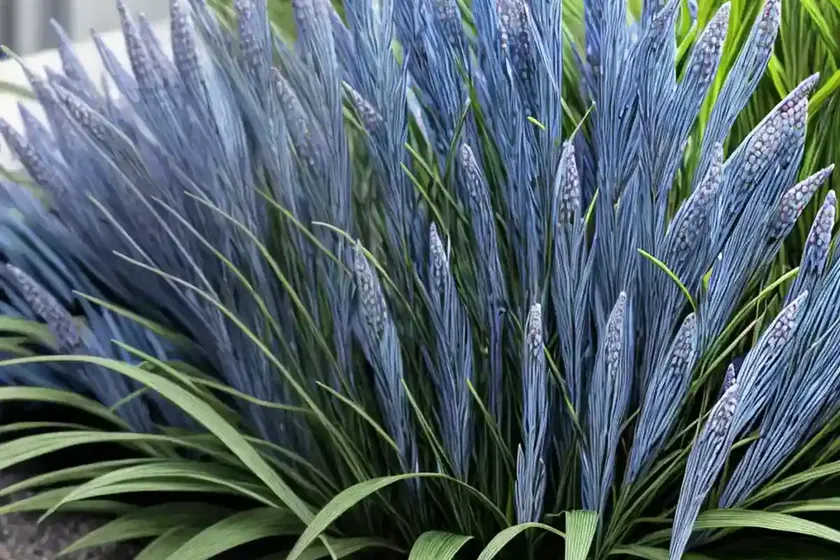
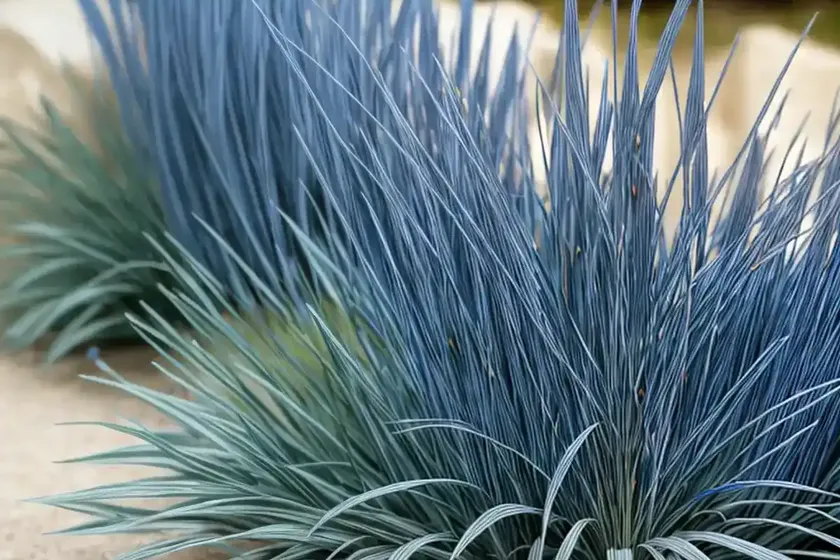
Plants are an essential part of our environment, and they bring an unparalleled aesthetic appeal to our surroundings. In this guide, we are diving into the fascinating world of the Carex flacca ‘Blue Zinger,’ commonly known as Blue Sedge. We will explore its characteristics, care requirements, maintenance tips, and much more. So, let’s embark on this green journey and unravel the beauty and mystique of the Blue Zinger.
What is Carex flacca ‘Blue Zinger’ (Blue Sedge)?
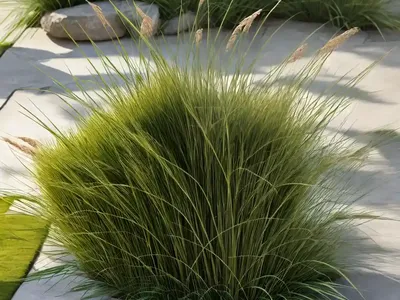
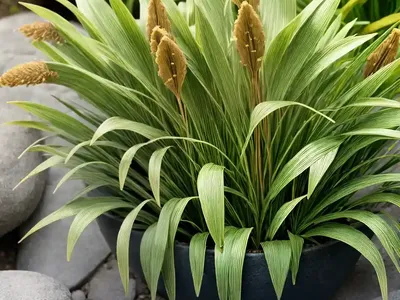
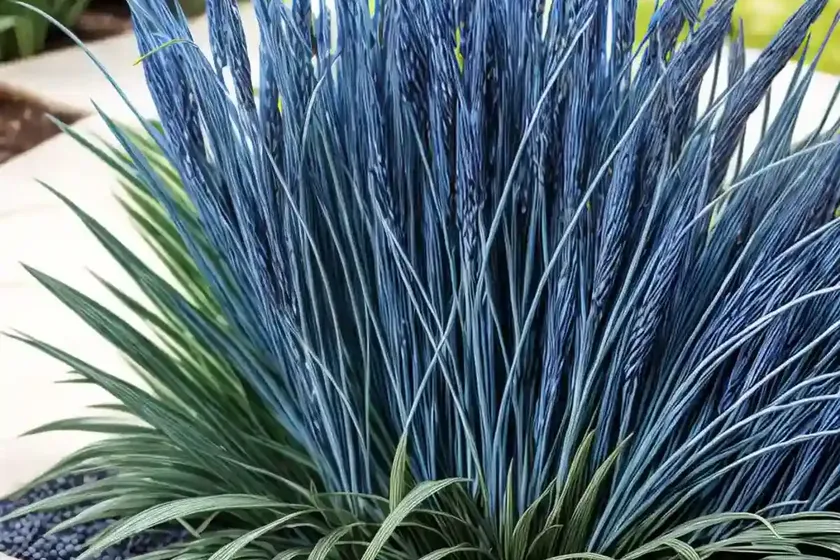
Carex flacca ‘Blue Zinger,’ commonly referred to as Blue Sedge, is a remarkable ornamental grass renowned for its striking blue-green foliage. This perennial grass belongs to the Carex genus and is prized for its captivating color variations and low-maintenance nature. The Blue Sedge is native to Europe and thrives in various garden settings, making it a popular choice among landscape enthusiasts.
This ornamental grass is valued for its versatility, as it can thrive in a range of conditions, from shaded areas to moist soils. These adaptable traits make the Blue Zinger a sought-after plant for landscaping, container gardening, and erosion control purposes. Its graceful appearance and minimal care requirements make it an ideal choice for both novice and experienced gardeners.
Key Takeaways – Carex flacca ‘Blue Zinger’ (Blue Sedge)
Before delving into the intricate details of caring for the Blue Zinger, let’s outline the key takeaways that will guide us through this comprehensive plant care guide.
Carex flacca Blue Zinger characteristics
- Unique blue-green foliage
- Adaptable to various growing conditions
- Low-maintenance and ornamental
- Suitable for landscaping and container gardening
Blue Sedge plant care guide
- Water requirements
- Sunlight preferences
- Soil preferences
- Pruning techniques
- Disease resistance
How to grow Carex flacca Blue Zinger
- Propagation methods
- Planting tips
- Maintenance practices
- Winter care guidelines
Blue Zinger Carex flacca planting tips
- Landscaping ideas
- Color variations
- Companion plants
With these key takeaways in mind, let’s explore the intricacies of caring for the mesmerizing Carex flacca ‘Blue Zinger.’
Culture
The culture of Carex flacca ‘Blue Zinger’ encompasses various aspects, including its care requirements, maintenance practices, and its suitability for different gardening scenarios.
Uses
The Blue Zinger holds a prominent place in horticulture due to its multifaceted uses:
- Landscaping: Blue Zinger is often used to add a pop of color and texture to both residential and commercial landscapes. Its vibrant blue-green foliage creates a captivating visual impact and can be utilized as a groundcover or border plant.
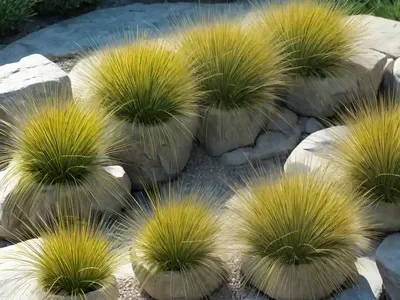
- Container Gardening: Due to its adaptability to container environments, Blue Zinger serves as an excellent choice for container gardening, allowing individuals to incorporate this ornamental grass into their patios, balconies, or indoor spaces.
- Erosion Control: Its strong root system and resilient nature make the Blue Zinger an effective erosion control plant, particularly in areas with soil stabilization needs.
Water
When it comes to watering the Blue Zinger, it is essential to strike a balance to ensure its optimal growth. Here are some key points to consider regarding its water requirements:
- Well-Draining Soil: Blue Zinger thrives in moist but well-draining soils. Overly saturated or waterlogged conditions should be avoided as they can lead to root rot and other moisture-related issues.
- Regular Watering: During the active growing season, consistent watering is essential, particularly for newly established plants. However, once the Blue Zinger is fully established, it displays a good tolerance to short periods of drought.
Sunlight
The sunlight preferences of Blue Zinger play a crucial role in determining its overall health and vigor. Understanding its sunlight requirements is instrumental in providing the ideal growing conditions for this ornamental grass:
- Partial Shade to Full Sun: Blue Zinger exhibits a versatile nature in terms of sunlight exposure. It can thrive in partial shade to full sun, making it suitable for a wide range of garden settings, from understory plantings to open sunlit areas.
Fertilizer
Fertilization contributes to the overall well-being of the Blue Zinger, aiding in its nutrition and growth. When incorporating fertilizers into the care routine for this ornamental grass, consider the following guidelines:
- Balanced Fertilizer: Applying a balanced, slow-release fertilizer in the spring can help promote healthy growth and vibrant foliage. However, it is crucial to avoid excessive fertilization, which can lead to lush and floppy growth.
Soil
The soil preferences of Carex flacca ‘Blue Zinger’ play a pivotal role in its success and longevity. Understanding its soil requirements is imperative for creating an optimal growing environment:
- Moist, Well-Draining Soil: Blue Zinger thrives in consistently moist soils with good drainage. A mix of organic matter and loamy soil provides an ideal growing medium for this ornamental grass, ensuring adequate moisture retention without waterlogging.
Pruning
Pruning is a key aspect of maintaining the aesthetics and health of Blue Zinger:
- Seasonal Trimming: Regular removal of any damaged or discolored foliage is recommended. Additionally, dividing the plant every few years can help rejuvenate its growth and prevent overcrowding.
Propagation
Understanding the propagation methods for Blue Zinger enables gardeners to expand their plant collection and share this captivating ornamental grass with others:
- Division: Propagation through division is a common and effective method for multiplying Blue Zinger. During the early spring or fall, carefully divide the clumps and replant the divisions in desired areas.
Container Popularity
The adaptability of Carex flacca ‘Blue Zinger’ to container gardening environments adds to its popularity among gardening enthusiasts:
- Container Size: Select a spacious container to accommodate the spreading nature of Blue Zinger. A deep container with adequate drainage holes is ideal to support its growth and development.
Container Common Diseases
While Blue Zinger is relatively resistant to diseases, certain issues may arise in container settings:
- Root Rot: Overwatering and waterlogged conditions in containers can lead to root rot, affecting the overall health of the plant. Proper drainage and appropriate watering practices help mitigate this issue.
Disease Diagnosis
Monitoring the health of Blue Zinger is essential to identify and address any potential diseases or stress factors:
- Foliage Inspection: Regularly inspect the foliage for discoloration, lesions, or unusual patterns. Early detection allows for prompt intervention and disease management, if necessary.
Common Pests
While Blue Zinger is relatively pest-resistant, some common pests may occasionally pose a threat to its well-being:
- Aphids: Keep an eye out for aphids, particularly during the growing season, and use appropriate control measures if infestations are observed.
- Spider Mites: These tiny pests can inflict damage on the foliage of Blue Zinger. Regularly inspect the undersides of the leaves for any signs of spider mite activity.
Botanist’s Tips
Equipping oneself with insights from botanists can greatly enrich the understanding and care of Blue Zinger:
- Native Habitat: Exploring its native habitat in Europe provides valuable context for understanding its adaptability and preferred growing conditions.
- Companion Planting: Incorporating Blue Zinger alongside compatible companion plants enhances the visual appeal and ecological benefits of the garden.
Fun Facts
Dive into the intriguing world of Blue Zinger with these captivating fun facts:
- Wildlife Attraction: Blue Zinger serves as a delightful attraction for pollinators, including butterflies and bees, enriching the garden’s biological diversity.
- Low-Maintenance Elegance: Its remarkable ornamental value is coupled with minimal care requirements, making it an ideal choice for low-maintenance landscapes and gardens.
Equipped with this comprehensive understanding of the culture, care requirements, and fascinating traits of Carex flacca ‘Blue Zinger,’ we can confidently cultivate and appreciate the beauty of this ornamental grass.
Blue Sedge – A Versatile Ornamental Grass
Carex flacca ‘Blue Zinger,’ also known as Blue Sedge, stands out as a versatile and visually captivating addition to gardens and landscapes. Through its adaptability to various growing conditions, appealing color variations, and low-maintenance nature, Blue Zinger has established itself as a highly regarded ornamental grass in horticulture.
As we’ve explored its characteristics, cultural requirements, and various care aspects, we’ve gained valuable insights into creating an optimal environment for the thriving of Blue Zinger. Whether used as a groundcover, container feature, erosion control plant, or ornamental accent, this resilient and elegant grass contributes to the vibrancy and allure of diverse garden settings.
In the next section, we will delve into additional insights, best practices, and practical tips for cultivating and nurturing Carex flacca ‘Blue Zinger’ in various gardening scenarios.
Links to External Resources
To further expand your knowledge and appreciation for Carex flacca ‘Blue Zinger’ and ornamental grasses in general, here are some valuable external resources that offer in-depth insights and practical guidance:
- American Horticultural Society
- Royal Horticultural Society
- Missouri Botanical Garden
- University Extension Offices
- The Morton Arboretum
- Garden Design Magazine
- Plant Care Guides from The Sill
- Gardening Know How
These resources offer a wealth of knowledge on plant care, landscaping, and horticultural practices, empowering enthusiasts and professionals alike to deepen their understanding and appreciation for the captivating world of ornamental grasses, including Carex flacca ‘Blue Zinger.’
In this comprehensive plant care guide, we’ve explored the remarkable attributes, care requirements, and cultivation practices for the captivating Carex flacca ‘Blue Zinger’ (Blue Sedge). I hope this guide has provided you with valuable insights and practical tips for incorporating this ornamental grass into your garden, adding a touch of elegance and natural beauty to your outdoor spaces. Whether creating a small container arrangement or designing a sprawling landscape, Blue Zinger’s adaptability and visual allure make a delightful addition to diverse gardening endeavors.