Carex Grayi (Mace Sedge)
Plants are an essential component of our ecosystem, providing us with food, oxygen, and a beautiful landscape. Among these botanical wonders is the Carex.
Introduction
Plants are an essential component of our ecosystem, providing us with food, oxygen, and a beautiful landscape. Among these botanical wonders is the Carex grayi, commonly known as Mace Sedge. This versatile and visually appealing plant has a range of uses and is relatively easy to care for. In this comprehensive guide, we will explore everything from its cultural requirements to its propagation methods, common diseases, and much more.
What is Carex grayi (Mace Sedge)?
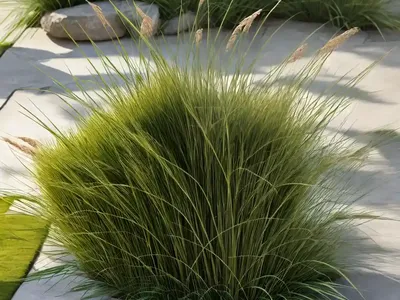
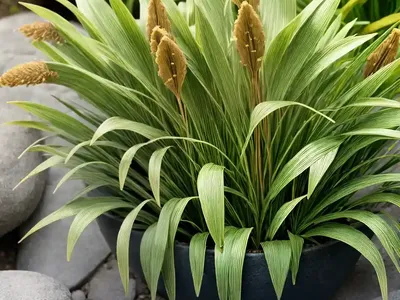
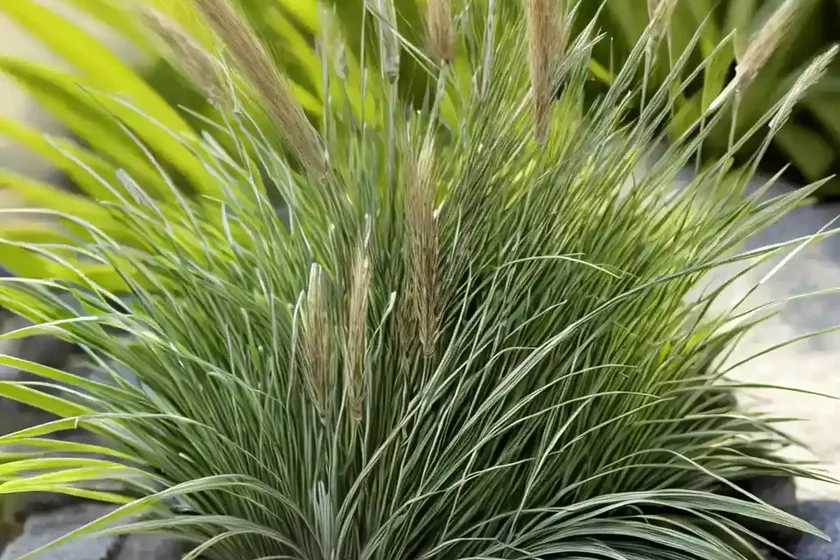
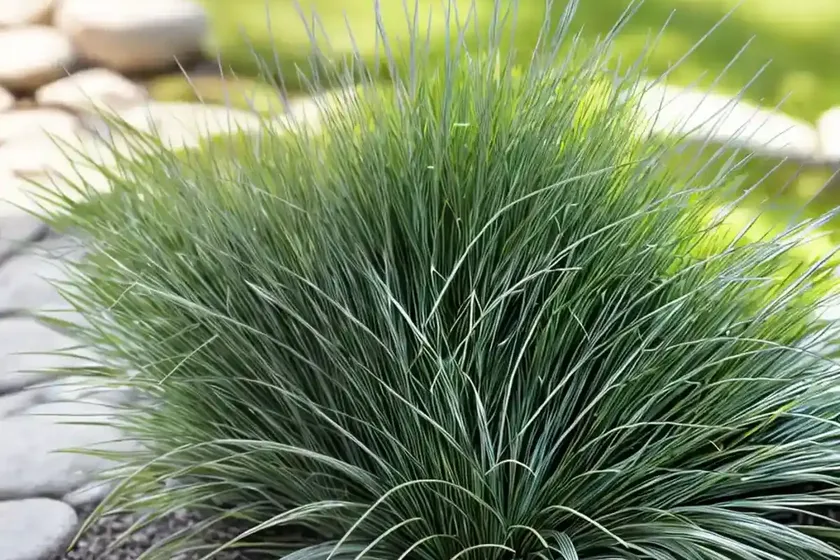
Carex grayi is a species of sedge in the family Cyperaceae. It is native to North America and is commonly found in wet woodlands, along stream banks, and in other moist habitats. The plant is characterized by its slender, arching leaves and distinctive mace-like seed heads, which give it the common name “Mace Sedge.”
Key Takeaways – Carex grayi (Mace Sedge)
- Scientific Name: Carex grayi
- Common Name: Mace Sedge
- Family: Cyperaceae
- Native Habitat: North America
- Growth Habit: Clump-forming
- Foliage: Slender, arching leaves
- Seeds: Mace-like seed heads
- Hardiness Zones: 4-8
Culture
Uses
Carex grayi is a versatile plant with several valuable uses in landscaping and horticulture. Some of its common uses include:
– Ornamental Plant: Mace Sedge is often used ornamentally in gardens, landscaping, and naturalized areas due to its attractive seed heads and graceful foliage.
– Ground Cover: It can be used as a ground cover in shady or woodland gardens, providing a lush and low-maintenance carpet of foliage.
– Erosion Control: The dense, fibrous root system of Carex grayi makes it effective for controlling soil erosion along stream banks and slopes.
– Wildlife Habitat: The plant provides food and habitat for various wildlife, including birds and small mammals.
Water
Mace Sedge is a moisture-loving plant and thrives in consistently moist to wet soil. Adequate watering is crucial, especially during periods of drought or in containers, where the soil tends to dry out more quickly.
Sunlight
In its native habitat, Carex grayi is typically found in partially shaded to fully shaded locations. It prefers dappled sunlight or filtered shade, making it an excellent choice for woodland and shade gardens.
Fertilizer
Unlike many flowering ornamentals, Mace Sedge does not have high fertilizer requirements. A balanced, slow-release fertilizer applied in spring can help support its growth and overall health.
Soil
The ideal soil for Carex grayi is moist, well-draining, and rich in organic matter. It thrives in slightly acidic to neutral soils and can tolerate periodic inundation in wetland or boggy conditions.
Pruning
Pruning requirements for Carex grayi are minimal. Dead or damaged foliage can be removed as needed to maintain the plant’s aesthetic appeal. In late winter or early spring, the entire plant can be cut back to the ground to encourage fresh new growth.
Propagation
Mace Sedge can be propagated through several methods, including division, seed sowing, and rhizome cuttings.
Division
Division is the most common method of propagation, typically carried out in early spring. Here’s how you can propagate Carex grayi through division:
1. Dig up a mature clump of Carex grayi, ensuring that the root ball remains intact.
2. Use a sharp, sterile tool to divide the clump into smaller sections, each containing both roots and foliage.
3. Replant the divisions in suitable locations, ensuring they are adequately watered until established.
Seed Sowing
Harvested seeds from the plant’s mace-like seed heads can be sown in a prepared seedbed during the spring. Keep the seedbed consistently moist, and the seeds should germinate within a few weeks.
Rhizome Cuttings
Rhizome cuttings, taken from healthy and established plants, can be potted in a suitable growing medium and kept consistently moist until new growth emerges.
Container Popularity
Mace Sedge is a popular choice for container gardening, particularly in shady or woodland-themed arrangements. Its graceful form and low-maintenance nature make it an ideal candidate for container cultivation.
Container
When planting Carex grayi in containers, consider the following:
– Container Size: Choose a container that provides ample space for the plant’s roots to spread. A wide, shallow container works well.
– Drainage: Ensure the container has adequate drainage holes to prevent waterlogging, which can be detrimental to the plant’s health.
Common Diseases
While Carex grayi is relatively resistant to most diseases, it may occasionally encounter issues related to rot, leaf spots, and fungal infections in conditions of excessive moisture and poor air circulation.
Disease Diagnosis
Here are some symptoms that may indicate disease issues in Mace Sedge:
– Yellowing or Browning Foliage: This could indicate root rot or fungal infections.
– Spots on Leaves: Leaf spots may be indicative of fungal infections or bacterial diseases.
– Stunted Growth: If the plant shows stunted growth despite appropriate care, it may point to underlying disease issues.
Common Pests
Mace Sedge is generally resistant to most pests, but it may occasionally attract slugs, snails, and certain caterpillar species. These pests can be managed through organic control methods or targeted applications of insecticidal soaps.
Botanist’s Tips
To ensure the optimal growth and health of Carex grayi, consider the following tips:
– Mulching: Applying a layer of organic mulch around the base of the plant helps conserve soil moisture and suppress weeds.
– Companion Planting: Pairing Mace Sedge with shade-loving companion plants, such as hostas and ferns, can create visually appealing and harmonious garden displays.
– Seasonal Maintenance: Regularly inspect the plant for dead or yellowing foliage, and remove as needed to maintain its vigor and aesthetic appeal.
Fun Facts
- Carex grayi is sometimes referred to as the “Morning Star Sedge” due to the star-like shape of its seed heads.
- The genus name “Carex” is derived from the Latin word “cāro,” meaning “sedge.”
Links to External Resources
For additional information on Carex grayi and related topics, consider exploring the following resources:
– North Carolina State University Extension: Carex grayi
– The Missouri Botanical Garden: Carex grayi
In conclusion, Carex grayi, or Mace Sedge, is a remarkable plant with aesthetic, ecological, and practical value. Its adaptability to various growing conditions, low maintenance requirements, and attractive features make it a desirable addition to gardens, landscapes, and naturalized areas. By understanding its cultural needs, propagation methods, and potential challenges, enthusiasts and horticulturists can successfully cultivate and appreciate the unique qualities of this native sedge. Whether used as an ornamental accent, a ground cover, or an erosion-controlling species, Carex grayi continues to captivate with its beauty and botanical significance.
References:
- North Carolina State University Extension: Carex grayi. (n.d.). Retrieved from https://plants.ces.ncsu.edu/plants/carex-grayi/
- The Missouri Botanical Garden: Carex grayi. (n.d.). Retrieved from http://www.missouribotanicalgarden.org/PlantFinder/PlantFinderDetails.aspx?kempercode=b563