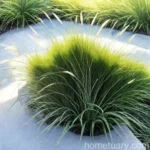
Carex flacca (Blue Sedge): A Comprehensive Guide
What is Carex flacca (Blue Sedge)?
Carex flacca, commonly known as Blue Sedge, is a versatile and attractive perennial grass-like plant that belongs to the Cyperaceae family. It is native to Europe and can be found growing in a variety of habitats, including woodlands, meadows, and along riverbanks. Blue Sedge is well-known for its striking blue-green foliage and its adaptability to different growing conditions. This plant is a popular choice for landscaping due to its low maintenance requirements and its ability to thrive in various environments.
In this comprehensive guide, we will delve into the key characteristics, cultivation tips, uses, maintenance practices, and common health issues related to Carex flacca. Whether you are a seasoned gardener or a novice plant enthusiast, this guide aims to provide valuable insights into the world of Blue Sedge and how to cultivate and care for it effectively.
Key Takeaways – Carex flacca (Blue Sedge)
Before we explore the specifics of caring for Carex flacca, let’s briefly outline some vital takeaways related to this plant:
- Botanical Name: Carex flacca
- Common Name: Blue Sedge
- Plant Type: Perennial
- Family: Cyperaceae
- Native Habitat: Europe
- Foliage Color: Blue-green
- Growth Habit: Clumping
- Hardiness Zones: 4-9
- Mature Height: 12-18 inches
- Sunlight: Full sun to partial shade
- Soil Preferences: Well-drained, moderately fertile
- Watering Needs: Average to moist
- Uses: Ground cover, landscaping, erosion control
Now that we have an overview of the basic details, let’s explore the various aspects of caring for Carex flacca in detail.
Culture
Uses
-
Landscaping: Blue Sedge is a popular choice for landscaping due to its attractive blue-green foliage and adaptability to different environments. It can be used as a ground cover, in rock gardens, or along borders to add texture and visual interest to outdoor spaces.
-
Erosion Control: The clumping nature of Carex flacca makes it an excellent choice for controlling soil erosion on slopes and embankments. Its root system helps stabilize the soil, making it a valuable addition to erosion-prone areas.
-
Water Features: Blue Sedge can be planted along the edges of water features such as ponds or streams, adding a natural and aesthetically pleasing touch to the landscape.
-
Wildlife Habitats: This plant can also contribute to creating wildlife-friendly habitats, providing cover and nesting opportunities for small creatures.
-
Low-maintenance Landscapes: Due to its minimal maintenance requirements, Carex flacca is ideal for creating low-maintenance landscapes, particularly in areas where traditional turfgrass may struggle to thrive.
Water
Carex flacca thrives in soil that is consistently moist but well-drained. While it tolerates periodic dry spells, it generally prefers soil that does not dry out completely. When established, Blue Sedge exhibits good drought tolerance, making it a suitable choice for landscaping in regions with sporadic rainfall.
Watering Guidelines:
- Established Plants: Water deeply when the soil feels dry to the touch, ensuring that the water reaches the root zone.
- Container-grown Plants: Check the soil moisture regularly and water when the top inch of the soil becomes dry.
- Avoid Waterlogged Soil: While Carex flacca appreciates moist conditions, it is crucial to prevent waterlogging, which can lead to root rot and other issues.
Sunlight
Carex flacca is adaptable in terms of sunlight requirements, thriving in full sun to partial shade. When grown in full sun, its foliage may exhibit a more intense blue coloration, while partial shade can help prevent the leaves from scorching in hot climates.
Sunlight Preferences:
- Full Sun: 6-8 hours of direct sunlight per day
- Partial Shade: Filtered sunlight or 3-6 hours of direct sunlight per day
Fertilizer
Carex flacca typically does not have high fertilizer requirements, especially when planted in nutrient-rich soil. However, a light application of balanced fertilizer in early spring can provide a nutrient boost to support healthy growth and color intensity.
Fertilization Tips:
- Balanced Formula: Use a balanced, slow-release fertilizer to avoid the risk of over-fertilization.
- Early Spring Application: Apply fertilizer when new growth emerges in early spring, ensuring that it is well-incorporated into the soil around the plant’s root zone.
Soil
Blue Sedge thrives in well-drained, moderately fertile soil. It can adapt to various soil types, including clay, loam, and sandy soils, as long as they do not become waterlogged. Slightly acidic to neutral pH levels are generally ideal for optimal growth.
Soil Requirements:
- Moisture-retentive: Soil should retain moisture without becoming waterlogged.
- Well-drained: Good drainage is essential to prevent waterlogging, especially in heavy clay soils.
- pH Level: Slightly acidic to neutral (pH 6.0-7.5)
Pruning
Pruning requirements for Carex flacca are minimal, and it generally does not require frequent pruning for maintenance. However, removing any dead or damaged foliage can help maintain a neat appearance and promote overall plant health. Typically, pruning may be performed in early spring to trim away any winter-damaged leaves.
Pruning Guidelines:
- Remove Dead Foliage: Trim away any dry or browned foliage to encourage fresh growth and maintain the plant’s appearance.
- Minimal Maintenance: Blue Sedge’s clumping growth habit generally does not require extensive pruning, making it a low-maintenance landscaping option.
Propagation
Carex flacca can be propagated through division, making it possible to expand your plant collection or share specimens with fellow gardening enthusiasts. The best time for division is in early spring or fall, when the plant is not actively growing. Dividing the clumps helps rejuvenate the plant and encourage vigorous growth.
Propagation Steps:
- Prepare the Division Site: Choose a healthy, established plant with strong growth to divide.
- Lift the Clump: Carefully lift the clump from the ground, taking care not to damage the roots.
- Separate the Sections: Gently separate the clump into smaller sections, ensuring that each division has an adequate number of stems and roots.
- Replant the Divisions: Plant the divided sections in suitable locations, ensuring that they are adequately watered and monitored for establishment.
Container Popularity
While Blue Sedge is often grown in outdoor landscapes, it is also well-suited for container gardening. Its compact growth habit and attractive foliage make it a popular choice for adding texture and color to container arrangements. When grown in containers, it is essential to ensure adequate drainage to prevent waterlogging and maintain optimal soil moisture levels.
Container Gardening Tips:
- Select Well-draining Containers: Choose containers with drainage holes to prevent water accumulation.
- Quality Potting Mix: Use a high-quality, well-draining potting mix suitable for ornamental grasses and perennials.
- Regular Watering: Monitor the soil moisture and water the plant as needed to keep the soil consistently moist but not waterlogged.
Common Diseases
While Carex flacca is generally resistant to most common plant diseases, it can occasionally encounter issues such as leaf spot or crown rot, particularly in conditions of poor air circulation or overly wet soil. However, practicing good cultural care and maintaining a healthy growing environment can help mitigate the risk of disease.
Disease Prevention:
- Air Circulation: Ensure adequate spacing between plants to promote air circulation and reduce the risk of fungal diseases.
- Avoid Overwatering: Prevent soil from becoming waterlogged, as excessively wet conditions can contribute to disease development.
Disease Diagnosis
If you notice any signs of disease on your Carex flacca plants, such as leaf discoloration, spotting, or wilting, it is essential to promptly diagnose the issue to implement effective treatment measures. Some common diagnostic steps include inspecting the foliage for visual symptoms, checking the soil moisture levels, and assessing the overall growing conditions.
Diagnostic Guidelines:
- Visual Inspection: Examine the foliage for signs of discoloration, spotting, or unusual patterns.
- Soil Assessment: Check the soil moisture and drainage to rule out issues related to waterlogged conditions.
- Environmental Factors: Evaluate any recent changes in growing conditions or environmental stressors that may be impacting the plant’s health.
Common Pests
While Carex flacca is relatively resistant to pests, it can occasionally attract certain insects such as aphids or slugs, particularly in humid or damp conditions. Vigilant monitoring and early intervention can help mitigate pest infestations and protect the plant’s health.
Pest Management:
- Handpick Pests: Regularly inspect the plant for pests and manually remove any visible insects.
- Natural Predators: Encourage beneficial predators such as ladybugs or lacewings to help control aphid populations.
Botanist’s Tips
As a plant scientist with a passion for ornamental grasses and perennials, I’ve compiled a set of insightful tips to help you successfully grow and maintain Carex flacca in your garden or landscape. These tips are based on my experience working with a diverse range of plant species and my in-depth knowledge of plant biology and horticulture.
Botanist’s Tips for Growing Carex flacca:
- Selective Planting Locations: Choose planting locations with suitable soil drainage and adequate sunlight exposure to promote healthy growth and vibrant foliage coloration.
- Optimal Watering Practices: Maintain consistent soil moisture levels, avoiding prolonged dry periods or waterlogged conditions to support the plant’s vitality.
- Fertilization Moderation: Exercise restraint in fertilization, as excessive nutrients can lead to overly lush growth and potentially diminish the plant’s natural beauty.
- Pruning with Precision: Practice selective pruning to remove any dead or damaged foliage while preserving the plant’s attractive clumping form.
- Vigilance against Pests: Monitor the plant regularly for signs of pest activity and intervene promptly to prevent potential infestations.
Fun Facts
Let’s delve into some intriguing and lesser-known facts about Carex flacca (Blue Sedge) to deepen our appreciation for this remarkable plant species.
- Symbolism and Folklore: In folklore and traditional symbolism, Blue Sedge is associated with concepts such as resilience, adaptability, and harmony, making it a meaningful addition to gardens and landscapes.
- Historical Uses: In various cultural traditions, Carex species have been utilized for crafting simple baskets and mats due to their fibrous nature and pliable stems.
- Wildlife Interaction: Blue Sedge can serve as a valuable habitat plant, attracting and supporting a diverse array of small wildlife, including insects, birds, and small mammals.
Links to External Resources
To further enrich your understanding of Carex flacca and its cultivation, consider exploring the following external resources:
- Royal Horticultural Society – Carex flacca
- Missouri Botanical Garden – Carex flacca
- University of Wisconsin-Madison – Blue Sedge Fact Sheet
- North Carolina State University – Carex flacca in the Landscape
- The American Horticultural Society – Ornamental Grasses for the Garden
By exploring these resources, you can gain valuable insights from reputable botanical institutions and gardening experts, further enhancing your knowledge of Carex flacca and its horticultural significance.
As we conclude this comprehensive guide to Carex flacca (Blue Sedge), I hope you have gained a deeper understanding of the captivating attributes and cultivation practices associated with this unique plant species. Whether you are considering incorporating Blue Sedge into your landscape design or are simply eager to expand your botanical knowledge, embracing the world of Carex flacca offers a rich tapestry of aesthetic, ecological, and horticultural rewards. Happy gardening and may your encounters with Blue Sedge be filled with beauty and inspiration!