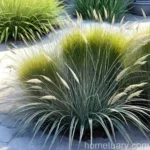
Sedge (Carex ciliatomarginata ‘Treasure Island’): A Plant Scientist’s Comprehensive Guide
As a plant scientist with a passion for exploring the diverse world of flora, I am thrilled to delve into the fascinating realm of sedge – more specifically, the captivating Carex ciliatomarginata ‘Treasure Island’. In this comprehensive guide, we will explore the cultural significance, uses, care, propagation techniques, common diseases, and much more, pertaining to this ornamental sedge. By the end of this exploration, you will not only have a deeper understanding of this unique plant but also gain insights into its role in landscaping, environmental benefits, and gardening practices.
What is Plant Sedge (Carex ciliatomarginata ‘Treasure Island’)?
Key Takeaways – Sedge (Carex ciliatomarginata ‘Treasure Island’):
- Scientific Name: Carex ciliatomarginata ‘Treasure Island’
- Common Name: Sedge
- Plant Type: Perennial
- Height: 12–18 inches
- Spread: 18–24 inches
- Hardiness Zone: 5–9
- Exposure: Partial to full shade
- Water Needs: Medium to wet
- Soil Type: Moist, well-drained
- Landscape Uses: Ground cover, containers, borders, and edging
- Features: Decorative foliage with green and gold variegation
- Attributes: Low maintenance, adaptable, and suitable for various garden settings
Culture
Uses
Sedges, including Carex ciliatomarginata ‘Treasure Island’, are valued for their versatile uses in landscapes and gardens. These ornamental grasses offer aesthetic appeal, functional benefits, and ecological value, making them valuable additions to diverse environments.
Landscape Uses
- Ground Cover: Sedges like Carex ciliatomarginata ‘Treasure Island’ are prized for their ability to form dense, low-growing mats, effectively covering the ground while adding visual interest to the landscape.
- Containers: Due to their compact growth habit and striking foliage, these sedges make excellent choices for container plantings, adding texture and color to patios, decks, and outdoor living spaces.
- Borders and Edging: The fine-textured foliage of Carex ciliatomarginata ‘Treasure Island’ lends itself well to border plantings and edging, providing a soft and elegant delineation within garden beds.
Ecological Importance
- Wildlife Gardens: Sedges contribute to the ecological integrity of wildlife habitats by providing shelter for small animals, including birds and insects.
- Rain Gardens: With their ability to tolerate moist conditions, sedges are well-suited for rain gardens, where they assist in managing water runoff and promoting biodiversity.
- Lowlime Deflection: In coastal areas, sedges play a crucial role in combating soil erosion and stabilizing shoreline ecosystems, making them essential components of coastal gardens.
Water
Being a water-wise and adaptable plant, Carex ciliatomarginata ‘Treasure Island’ displays a moderate to wet water requirement. In naturally moist environments, such as rain gardens or alongside water features, it thrives without excessive irrigation. However, in drier conditions or during periods of drought, providing supplemental watering aids in sustaining its vigor and aesthetic appeal. When establishing this sedge, ensuring consistent soil moisture, without waterlogged conditions, is paramount for promoting healthy growth.
Sunlight
Carex ciliatomarginata ‘Treasure Island’ flourishes in partial to full shade, showcasing its adaptability to various light conditions. In warm climates or areas with intense afternoon sun, providing dappled light or shade during the hottest part of the day is beneficial for preventing leaf scorch and maintaining the plant’s vitality. However, in cooler regions, this sedge exhibits resilience in thriving under filtered sunlight, creating enchanting displays in shaded settings.
Fertilizer
Unlike high-maintenance ornamental plants, sedges like Carex ciliatomarginata ‘Treasure Island’ have modest nutritional requirements, often thriving without regular fertilization. However, to support optimal growth and vibrant foliage, applying a balanced, slow-release fertilizer in spring can provide an additional boost. Choosing a fertilizer with a formulation such as 10-10-10 or similar, ensures the provision of essential nutrients without inducing excessive vegetative growth.
Soil
Well-drained, moist soils offer an ideal growing medium for Carex ciliatomarginata ‘Treasure Island’. These sedges prefer humus-rich, slightly acidic to neutral soils, providing them with adequate moisture retention while preventing waterlogging. Incorporating organic matter, such as compost or peat, into the planting area fosters soil structure conducive to root development and overall plant health. Additionally, ensuring proper drainage, especially in heavy clay soils, is crucial for preventing root rot and other moisture-related issues.
Pruning
One of the appealing attributes of Carex ciliatomarginata ‘Treasure Island’ is its minimal pruning requirements, owing to its compact and neat growth habit. As the foliage may appear slightly tattered after winter, removing any damaged or discolored leaves rejuvenates the plant’s appearance. This maintenance activity can be performed in early spring before new growth emerges, promoting a tidy and healthy sedge display.
Propagation
Division
Carex ciliatomarginata ‘Treasure Island’ readily lends itself to propagation through division, making it an accessible and economical option for expanding its presence in the garden. Dividing established clumps in early spring, before active growth commences, allows the divided sections to acclimate and establish new roots before the onset of intense summer conditions. Dividing the plant every 2–3 years rejuvenates its vigor, enhances its appearance, and prevents overcrowding, thereby promoting its longevity and performance in the landscape.
Seed Propagation
While sedges are primarily propagated through division, certain species, including Carex ciliatomarginata, can be grown from seed. Collecting mature seeds in late spring and sowing them in a well-prepared seed-starting mix promotes the germination and subsequent growth of new plants. As the germination process can vary among species, following specific guidelines for seed stratification and optimal growing conditions ensures successful propagation from seed, offering a rewarding method for expanding sedge populations in the garden.
Container Popularity
The charming Carex ciliatomarginata ‘Treasure Island’ has gained widespread popularity as a container plant, adorning outdoor living spaces and garden enclaves with its stunning foliage and adaptability to container culture. Whether displayed as a standalone specimen or combined with complementary plants in mixed containers, this sedge contributes to the creation of captivating and low-maintenance displays. Moreover, its suitability for shaded areas makes it an excellent choice for enhancing the aesthetic appeal of shaded patios, balconies, and other outdoor settings.
Common Diseases
Disease Diagnosis
When cultivating Carex ciliatomarginata ‘Treasure Island’ or related sedges, being mindful of potential disease issues and promptly diagnosing symptoms is crucial for preserving the plant’s health and appearance. Several common diseases that may affect sedges include:
- Anthracnose: Characterized by the development of brown to black blotches on the foliage, often accompanied by leaf deformation and dieback.
- Rust: Manifesting as orange to reddish-brown pustules on leaf surfaces, rust infections can lead to aesthetic decline and reduced vigor.
- Leaf Spot: Identified by the appearance of circular, dark lesions on the leaves, frequently surrounded by a yellow halo, indicating the presence of a fungal pathogen.
Common Pests
Botanist’s Tips
Fun Facts
As we journey through the captivating realm of Carex ciliatomarginata ‘Treasure Island’ and the diverse family of sedges, let’s take a moment to explore some fascinating and lesser-known facts about these remarkable plants:
- Ancient Uses: Throughout history, certain species of sedges were used for weaving, basketry, and thatching, reflecting the utilitarian value of these plants in various cultures.
- Ecological Role: Sedges play a vital role in wetland ecosystems and riparian areas, where their dense root systems aid in stabilizing soils, mitigating erosion, and supporting diverse wildlife communities.
- Cultural Significance: In some cultures, sedges hold symbolic significance, representing resilience, adaptability, and the ability to thrive in challenging conditions, offering profound insights into the resilience of nature itself.
Links to External Resources
To further enrich your knowledge and appreciation of Carex ciliatomarginata ‘Treasure Island’, as well as the broader realm of sedges and ornamental grasses, I recommend exploring the following external resources:
- American Society of Landscape Architects: Sedge Landscaping Ideas
- The Royal Horticultural Society: Caring for Sedges
- University of Florida IFAS Extension: Using Sedges in the Landscape
In conclusion, the allure of Carex ciliatomarginata ‘Treasure Island’ extends beyond its captivating foliage to encompass its adaptability, ecological value, and versatile uses in landscapes and gardens. By embracing the recommendations and insights shared in this guide, you can develop a deeper appreciation for sedges and their role in sustainable and aesthetically enriching horticultural practices. Whether employed as ground covers, container specimens, or components of wildlife-friendly landscapes, sedges, including Carex ciliatomarginata ‘Treasure Island’, offer invaluable contributions to the beauty and ecological integrity of diverse garden settings.