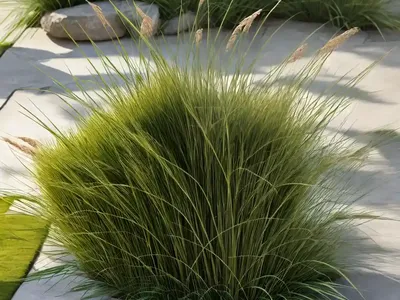
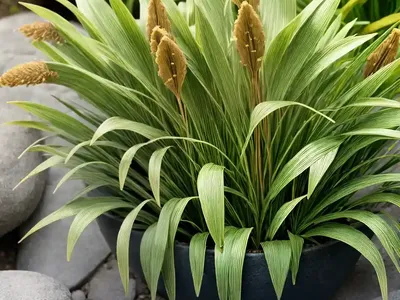
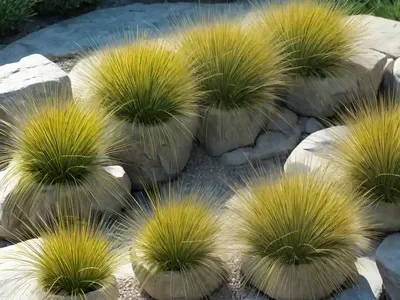
Carex Crinita (Fringed Sedge)
Carex crinita, better known as Fringed Sedge, is a graceful and versatile ornamental grass known for its unique and beautiful foliage. It is native to.
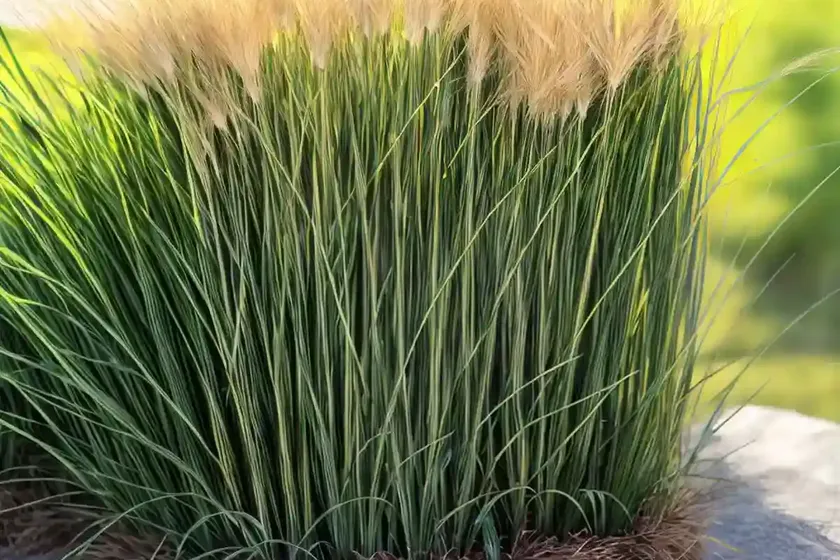
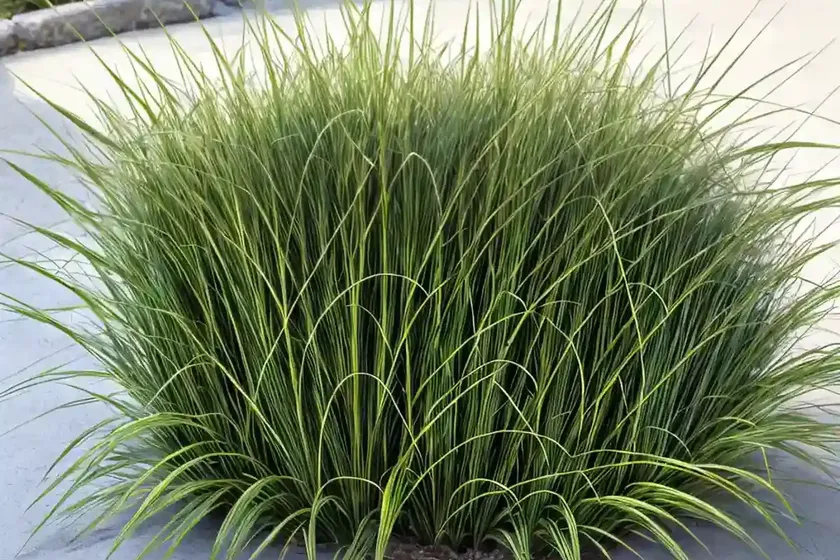
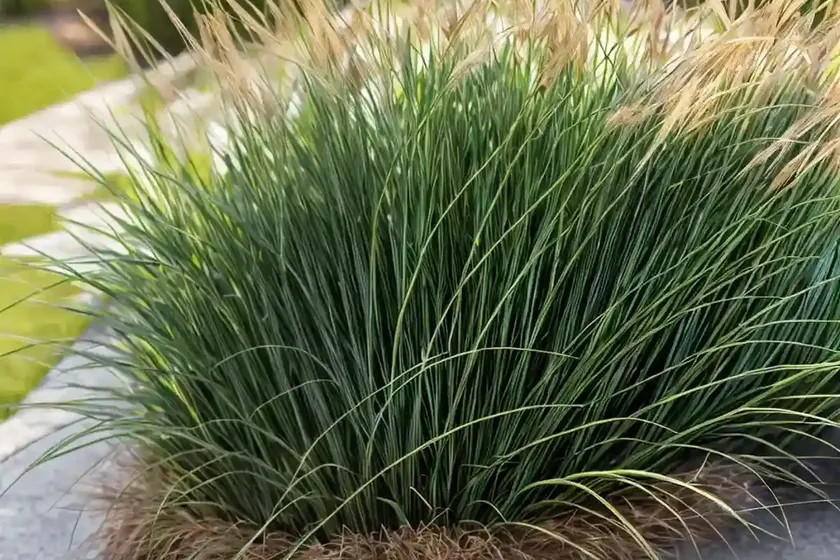
Carex crinita, better known as Fringed Sedge, is a graceful and versatile ornamental grass known for its unique and beautiful foliage. It is native to North America and is a popular choice for wetland restoration, rain gardens, and landscape design. Its delicate appearance and adaptability make it a favorite among gardeners and landscape architects alike.
In this guide, we will explore the various aspects of caring for Carex crinita, from its cultural requirements to its uses in different settings. Whether you are a seasoned gardener or a beginner looking to enhance your green space with this elegant sedge, this comprehensive resource will provide you with the knowledge and tips you need to cultivate and enjoy the beauty of Carex crinita in your garden.
What is Carex crinita (Fringed Sedge)?
Carex crinita, commonly known as Fringed Sedge, is a perennial plant belonging to the Carex genus within the Cyperaceae family. It is native to eastern North America, where it thrives in a variety of moist to wet habitats, including wetlands, marshes, and stream banks. Fringed Sedge is characterized by its narrow, arching leaves and its dense, feathery clusters of flowers, which add texture and visual interest to garden landscapes.
Carex crinita Description
- Scientific Name: Carex crinita
- Common Name: Fringed Sedge
- Family: Cyperaceae
- Native Habitat: Eastern North America
- Foliage: Narrow, arching leaves
- Flowers: Feathery clusters
- Growth Habit: Clump-forming
With its graceful appearance and adaptability to various growing conditions, Carex crinita is a highly versatile plant that can be used to enhance a wide range of garden settings, from naturalistic wetland plantings to formal border arrangements.
Key Takeaways – Carex crinita (Fringed Sedge)
Before delving into the specifics of caring for Carex crinita, let’s take a look at the key takeaways that will guide you in understanding and nurturing this beautiful sedge.
Culture
- Hardiness: Zones 3-8
- Watering: Moist to wet soil
- Sunlight: Part shade to full shade
- Soil: Rich, organic, well-drained
- Uses: Wetland restoration, rain gardens, landscape design
Uses
- Wetland Restoration: Carex crinita is an ideal choice for restoring and stabilizing wetland ecosystems due to its ability to thrive in moist to wet soil conditions.
- Rain Gardens: Its tolerance for consistently moist soil makes Fringed Sedge a valuable addition to rain gardens where excess water is managed effectively.
- Landscape Design: The graceful foliage and ethereal flowers of Carex crinita offer a unique aesthetic appeal to landscape designs, especially in shaded areas and around water features.
Water
- Needs: Moist to wet soil
- Management: Regular watering, especially during dry periods
- Drainage: Ensure adequate drainage to prevent waterlogging, especially in clay soils
Sunlight
- Preference: Part shade to full shade
- Tolerance: Can tolerate moderate sunlight but thrives in shaded conditions
- Site Selection: Choose locations with indirect or filtered light for optimal growth
Fertilizer
- Requirement: Minimal fertilization needed
- Organic Matter: Incorporate compost or organic mulch to enrich the soil
- Avoid Excess: Avoid excessive nitrogen fertilizers to prevent lush growth that may affect the plant’s natural form
Soil
- Type: Rich, organic, well-drained
- Texture: Sandy loam to loamy soil
- Acidity: Slightly acidic to neutral pH (6.0-7.0)
- Amendments: Incorporate organic matter to improve soil structure and fertility
Pruning
- Maintenance: Minimal pruning required
- Grooming: Remove dead or damaged foliage as needed
- Spring Clean-Up: Cut back old growth in early spring to rejuvenate the plant
Propagation
- Methods: Division, seed propagation
- Division: Divide mature clumps in early spring
- Seeds: Sow fresh seeds in fall or early spring for propagation
Container Popularity
- Suitability: Well-suited for container gardening
- Considerations: Use large containers with adequate drainage
- Watering: Requires consistent moisture in container settings
Common Diseases
- Pests Insect Pests: Sedges are generally resistant to major insect pests
- Disease Resistance: Generally disease-free with proper cultural practices
- Fungal Issues: Monitor for fungal diseases in excessively wet conditions
Disease Diagnosis
- Symptoms: Yellowing, browning, or lesions on foliage
- Examination: Check for signs of fungal growth or insect infestation
- Treatment: Improve cultural conditions and consider targeted fungicide or insecticidal treatments if necessary
Common Pests
- Insect Pests: Aphids, mealybugs, and scale insects
- Prevention: Monitor for pests regularly and use horticultural oils or insecticidal soaps as necessary
- Integrated Pest Management: Implement cultural and biological controls to manage pest populations
Growing Carex crinita
Fringed Sedge Care Tips
Caring for Carex crinita requires attention to its specific cultural requirements and a keen understanding of its growth habits and environmental preferences. By following these care tips, you can ensure the health and vitality of your Fringed Sedge plants.
Carex crinita Plant Care
- Watering: Keep the soil consistently moist to wet, especially during periods of minimal rainfall. Avoid waterlogging and ensure proper drainage to prevent root rot.
- Sunlight: Plant Carex crinita in part shade to full shade conditions, especially in regions with hot summers. Filtered light is ideal for maintaining the plant’s vigor and appearance.
- Soil: Provide rich, organic, and well-drained soil that mimics the plant’s natural habitat. Incorporate compost or organic mulch to improve soil fertility and structure.
- Fertilization: Minimal fertilization is required for Carex crinita. Focus on soil amendment with organic matter rather than regular applications of synthetic fertilizers.
- Pruning: Conduct minimal pruning to remove dead or damaged foliage. Cut back old growth in early spring to encourage new growth and maintain the plant’s shape.
Fringed Sedge Characteristics
- Texture: Fine, arching foliage
- Height: Typically grows 2-3 feet tall
- Spread: Forms clumps 18-24 inches wide
- Flowers: Feathery, light brown seed heads
- Foliage Color: Green to yellow-green
- Growth Rate: Moderate to fast
- Growth Habit: Clump-forming
Best Conditions for Carex crinita
- Moisture: Thrives in consistently moist to wet soil
- Shade: Prefers part shade to full shade
- Soil Quality: Requires rich, organic, and well-drained soil
- Climate: Hardy in zones 3-8
How to Propagate Fringed Sedge
- Division: Divide mature clumps in early spring to create new plants
- Seeds: Sow fresh seeds in fall or early spring, and provide consistent moisture for germination
Carex crinita Watering Needs
- Moisture: Requires consistently moist to wet soil
- Management: Monitor soil moisture and water as needed, especially during dry periods
- Avoid Waterlogging: Ensure proper drainage to prevent waterlogged conditions
Fringed Sedge Soil Requirements
- Type: Rich, organic, well-drained soil
- Texture: Sandy loam to loamy soil
- Fertility: Amend with organic matter to improve soil fertility and structure
- pH: Slightly acidic to neutral pH (6.0-7.0)
Carex crinita Light Preferences
- Shade Tolerance: Thrives in shaded conditions
- Light Requirement: Plant in part shade to full shade for optimal growth
- Filtered Light: Choose sites with indirect or filtered light when planting Fringed Sedge
Fringed Sedge Maintenance
- Pruning: Minimal pruning required
- Grooming: Remove dead or damaged foliage as needed
- Spring Cleanup: Cut back old growth in early spring for rejuvenation
Carex crinita Pests and Diseases
- Insect Pests: Monitor for aphids, mealybugs, and scale insects
- Disease Resistance: Generally disease-free with proper care
- Fungal Issues: Watch for fungal diseases in excessively wet conditions
Botanist’s Tips
As a plant scientist with a deep appreciation for the ecological and ornamental value of Carex crinita, I offer the following tips to enhance your experience in growing and caring for Fringed Sedge in your garden:
- Naturalistic Plantings: Incorporating Carex crinita in naturalistic settings, such as wetland restorations and woodland gardens, allows the plant to thrive in its native habitat and contributes to ecosystem biodiversity.
- Companion Planting: Pair Carex crinita with other shade-loving perennials and ornamental grasses to create visually appealing combinations that thrive in similar environmental conditions.
- Wildlife Support: The dense foliage and seeds of Fringed Sedge provide habitat and food for small wildlife, making it a valuable addition to wildlife-friendly gardens.
- Erosion Control: Utilize the clumping nature of Carex crinita to stabilize soil in erosion-prone areas and create natural groundcover that minimizes soil erosion.
- Educational Value: Incorporate Carex crinita in educational gardens and nature reserves to showcase the ecological significance of native plant species and their role in sustaining local ecosystems.
Fun Facts
In addition to its ornamental and ecological significance, Carex crinita possesses several intriguing qualities and historical uses that make it a fascinating plant to study and appreciate:
- Ethnobotanical Uses: Historically, indigenous communities utilized Fringed Sedge for weaving mats, baskets, and other traditional crafts due to the strength and flexibility of its foliage.
- Habitat Indicator: The presence of Carex crinita often indicates healthy and ecologically diverse wetland habitats, making it a valuable tool for ecological assessments and conservation efforts.
- Wildlife Attraction: The seeds of Fringed Sedge attract a variety of bird species, contributing to the biodiversity and ecological balance of wetland and woodland ecosystems.
- Cultural Significance: The graceful form and adaptability of Carex crinita have inspired its use in art and literature as a symbol of resilience, adaptability, and natural beauty.
Links to External Resources
To further enrich your understanding of Carex crinita and explore additional insights into its cultivation and ecological significance, I recommend exploring the following external resources:
- The Xerces Society – Fringed Sedge Fact Sheet
- Lady Bird Johnson Wildflower Center – Carex crinita
- USDA Plants Database – Carex crinita
- Missouri Botanical Garden – Carex crinita
By accessing these reputable sources, you can gain a deeper understanding of the ecological importance, cultural significance, and horticultural value of Carex crinita, thereby enhancing your ability to incorporate and nurture this beautiful sedge in your garden landscape.
In conclusion, Carex crinita (Fringed Sedge) is a captivating native plant with a wealth of ornamental, ecological, and cultural benefits. By adhering to its specific care requirements, appreciating its unique characteristics, and utilizing it in various garden settings, you can harness the full potential of this versatile sedge to enhance the beauty and ecological sustainability of your green spaces.
The information in this blog post is intended for educational and informational purposes only. It aims to provide general guidance on the cultivation and care of Carex crinita (Fringed Sedge) and does not replace personalized professional advice. Always consult with local horticultural experts or extension services for specific recommendations based on your geographical region and growing conditions.