Cape Primrose (Streptocarpus)
In the world of indoor gardening, the Cape primrose, scientifically known as Streptocarpus, is celebrated for its elegant and colorful blooms, making it a.
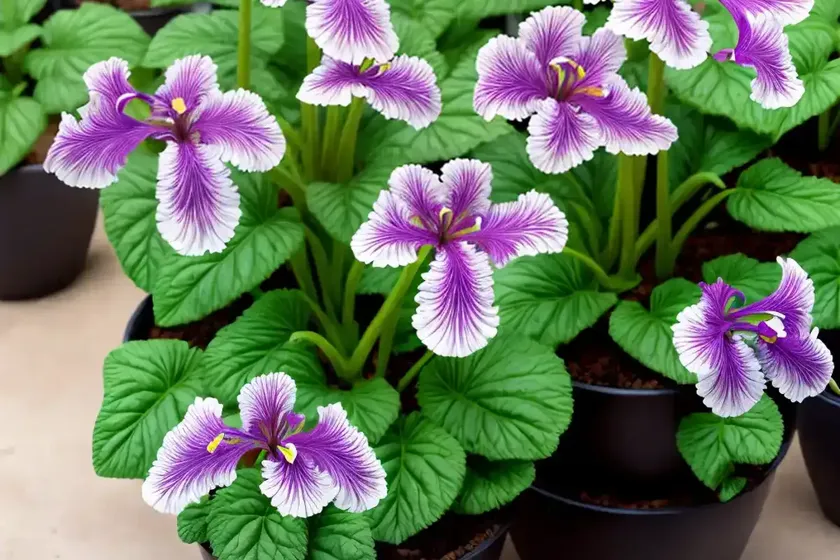
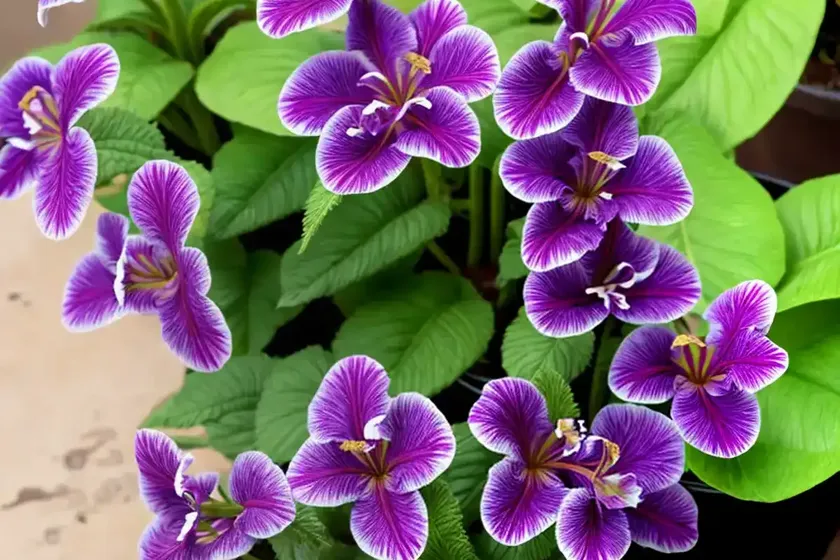
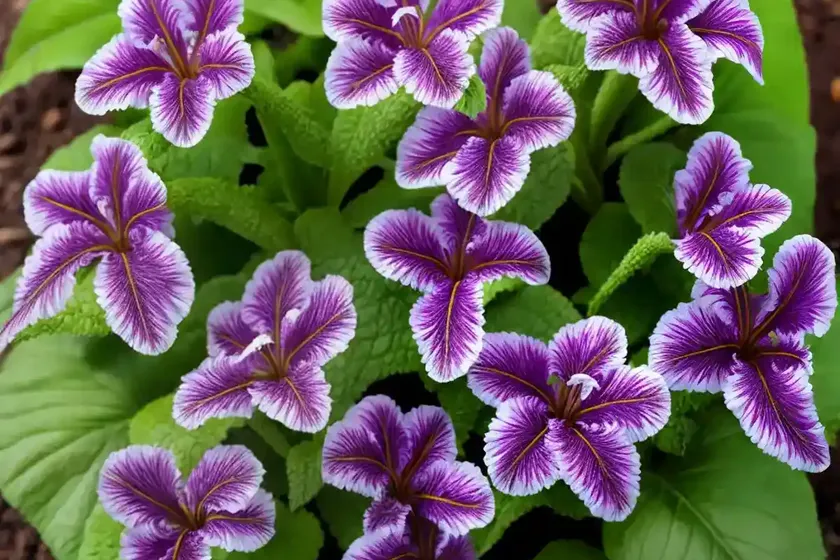
In the world of indoor gardening, the Cape primrose, scientifically known as Streptocarpus, is celebrated for its elegant and colorful blooms, making it a beloved choice for plant enthusiasts. This comprehensive guide will delve into the cultivation and care of Cape primroses, covering essential topics such as its cultural significance, ideal growing conditions, propagation techniques, pest and disease management, and much more. Whether you are a novice gardener or an experienced horticulturist, this guide will equip you with the knowledge and skills to help these beautiful plants thrive and flourish.
What is Cape Primrose (Streptocarpus)?
Cape primrose, a member of the Gesneriaceae family, is a genus of flowering plants comprising approximately 150 species, primarily indigenous to southern and eastern Africa. These plants are characterized by their lush foliage and stunning, trumpet-shaped flowers, which come in a wide array of hues including shades of blue, violet, pink, and white. Renowned for their adaptability to indoor environments, Streptocarpus species have gained popularity as houseplants, with their vibrant blooms brightening up living spaces and adding a touch of natural beauty.
Key Takeaways – Cape Primrose (Streptocarpus)
Culture
Cape primroses are revered for their captivating flowers and are widely cultivated for their ornamental appeal, especially in indoor settings. The cultivation of these plants encompasses several crucial factors, such as water, sunlight, fertilizer, soil quality, pruning, propagation, and the container in which they are grown. Let’s explore each of these essential aspects in detail.
Uses
- Ornamental Houseplant: Cape primroses are cherished as decorative indoor plants, enhancing the aesthetic appeal of homes, offices, and other indoor spaces.
- Floral Arrangements: The blooms of Streptocarpus species are often used in floral arrangements, adding a touch of elegance and color to bouquets and displays.
- Bonsai Art: Some enthusiasts cultivate Cape primroses as part of their bonsai collection, leveraging the plant’s compact size and appealing foliage to create stunning miniature landscapes.
Water
- Cape primroses thrive in moderately moist soil, making regular but not excessive watering crucial for their well-being.
- Use room-temperature water when irrigating these plants, as excessively cold or warm water can shock the roots and lead to stress.
- It is important to allow the soil to dry slightly between waterings to prevent waterlogged conditions, which can be detrimental to the plant’s root system.
Sunlight
- Ideal for areas with bright, indirect light, such as near east or west-facing windows, with protection from direct midday sun to avoid leaf scorching.
- Suitable for shaded areas where natural light is limited, making them versatile choices for various indoor environments.
Fertilizer
- Application of a balanced liquid fertilizer (with equal nitrogen, phosphorus, and potassium levels) every two to three weeks during the growing season (spring and summer) is recommended.
- Use a diluted fertilizer solution to avoid nutrient buildup in the soil, which can lead to root damage and other complications.
Soil
- Well-draining potting soil with a slightly acidic to neutral pH (6.0-7.0) is ideal for Cape primroses, providing the necessary aeration and moisture retention for healthy root growth.
- Incorporating organic matter, such as peat moss or coconut coir, into the soil can enhance its quality by improving moisture retention and nutrient availability.
Pruning
- Regular removal of spent flowers and yellowing or damaged leaves promotes the plant’s vigor and aesthetics.
- When performing pruning, use sanitized pruning shears to prevent the spread of diseases and minimize stress on the plant.
Propagation
- Cape primroses can be propagated through division or leaf cuttings, offering opportunities to expand your plant collection or share them with fellow gardening enthusiasts.
- Leaf cuttings, in particular, can be a rewarding method to propagate new plants, as they allow for the production of multiple offspring from a single leaf.
Container
- Choose well-draining pots or containers with drainage holes to prevent waterlogging and maintain proper soil moisture levels.
- Consider using containers with a diameter slightly larger than the plant’s root ball, allowing for adequate root expansion and growth.
Popularity
Streptocarpus plants have experienced a surge in popularity among indoor gardening enthusiasts and floral enthusiasts, garnering attention for their stunning flowers and adaptability to indoor conditions.
Common Diseases
While Cape primroses are generally resilient plants, they can be susceptible to certain diseases and pests. Understanding how to diagnose and manage these issues is essential for maintaining the health and vitality of your plants.
Disease Diagnosis
Leaf Spot Disease
- Symptoms: Small, dark spots on the leaves, sometimes surrounded by a yellow halo. Over time, these spots can increase in size and lead to leaf yellowing and wilting.
- Management: Remove and discard affected leaves, ensure proper air circulation, and avoid overhead watering to minimize moisture on the foliage. Consider applying a fungicidal treatment if the disease persists.
Root Rot
- Symptoms: Wilted foliage, yellowing leaves, and a foul odor emanating from the soil. The roots may appear dark, mushy, or have a rotten smell.
- Management: Reduce watering frequency, ensure proper drainage, and consider repotting the plant with fresh, well-draining soil. Prune off any affected roots before repotting.
Botrytis Blight
- Symptoms: Grayish mold on the leaves and flowers, often accompanied by a soft, water-soaked appearance. Infected tissues may eventually turn brown and lead to plant deterioration.
- Management: Remove and discard affected plant parts, improve air circulation, and avoid overhead watering. In severe cases, consider applying a fungicidal treatment.
Common Pests
Aphids
- These tiny, sap-sucking insects can cluster on the undersides of leaves and along the stems, causing stunted growth and distorted foliage.
- Management: Rinse the plant with a steady stream of water to dislodge the aphids, or apply insecticidal soap to control their population.
Spider Mites
- These minuscule pests can cause stippling and webbing on the foliage, leading to leaf discoloration and diminished plant vigor.
- Management: Increase humidity levels, particularly during dry periods, and apply neem oil or insecticidal soap to eliminate spider mites.
Mealybugs
- These white, cottony insects often congregate in leaf axils and along the stems, sapping the plant’s juices and causing stunted growth.
- Management: Remove mealybugs by hand, use a cotton swab dipped in rubbing alcohol to dab and kill individual insects, and apply insecticidal soap for larger infestations.
Botanist’s Tips
- Humidity Control: Maintain adequate humidity levels, particularly during the plant’s active growth period, to support healthy foliage and flower development.
- Gentle Watering: When watering Cape primroses, use a gentle, steady stream of water to minimize soil disturbance and prevent damage to delicate foliage.
- Disease Prevention: Regularly monitor your plants for signs of diseases and pests, taking proactive measures to maintain their overall health and vigor.
Fun Facts
- The genus name Streptocarpus is derived from the Greek words “streptos” and “karpos,” meaning twisted and fruit, referring to the plant’s distinctive seed capsules.
- Cape primroses are known for their long blooming period, with some varieties producing flowers for several months at a time.
- Certain Streptocarpus species, such as S. rexii, are native to rocky habitats in South Africa, where they thrive in crevices and rocky outcrops.
Links to External Resources
The following are valuable resources for further information on Cape primroses and Streptocarpus cultivation:
- American Gesneriad Society: https://www.americangesneriadsociety.org/
- The Gesneriad Reference Web: https://www.gesneriads.info/
- Streptocarpus and African Violets Forum: https://streptocarpus-afvi.net/forum/
In conclusion, the cultivation and care of Cape primroses offer a rewarding and enriching experience for plant enthusiasts, with their captivating blooms and vibrant foliage adding beauty and serenity to indoor spaces. By paying attention to the plant’s water, sunlight, fertilizer, soil, pruning, propagation, and container needs, as well as being vigilant in managing potential pests and diseases, you can cultivate healthy and flourishing Streptocarpus plants. Whether you are a beginner or an experienced gardener, the charm and allure of Cape primroses make them an excellent addition to any indoor plant collection.
Note: The information provided in this guide is based on general practices and recommendations for Cape primrose (Streptocarpus) care. It is important to consider specific environmental conditions and individual plant requirements when tending to your own Cape primrose. Always consult with local gardening experts and resources for tailored advice on caring for your plants.


