Cape Leadwort (Plumbago Auriculata)
Welcome to our comprehensive planting guide for Cape Leadwort, scientifically known as Plumbago Auriculata. In this guide, we will explore everything you.
Welcome to our comprehensive planting guide for Cape Leadwort, scientifically known as Plumbago Auriculata. In this guide, we will explore everything you need to know about cultivating and caring for this stunning plant. Whether you are a seasoned gardener or just starting, this article will provide you with valuable insights into the culture, uses, maintenance, and more, for Cape Leadwort.
What is Cape Leadwort (Plumbago Auriculata)?
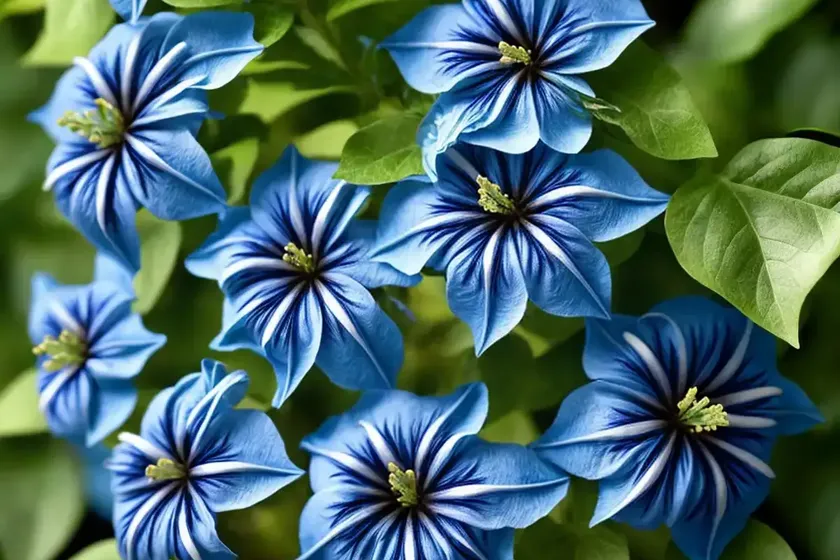
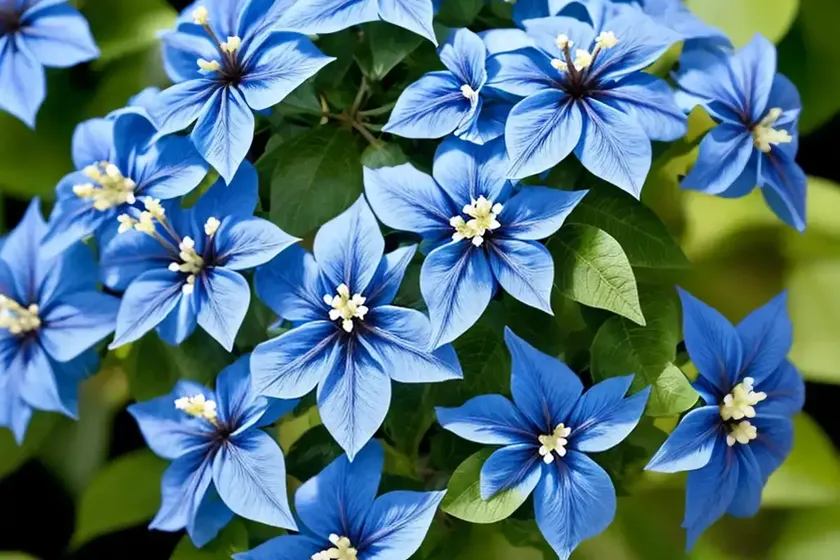
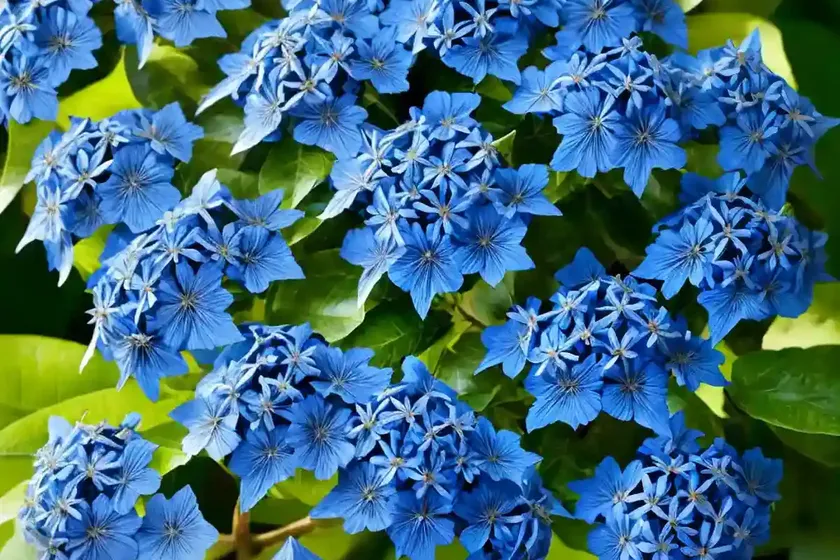
Cape Leadwort, also known as Plumbago Auriculata, is a species of flowering plant in the family Plumbaginaceae. It is native to South Africa and is widely cultivated in various regions for its attractive blooms and ornamental foliage. The plant is characterized by its clusters of delicate, sky-blue, phlox-like flowers, which bloom against a backdrop of glossy, green leaves.
Cape Leadwort is known for its versatility and can be used as a groundcover, in containers, or as an accent plant in mixed borders. Its resilience and ability to thrive in a range of conditions make it a popular choice for both novice and experienced gardeners.
Key Takeaways – Cape Leadwort (Plumbago Auriculata)
Below are some key takeaways to consider when planning to cultivate Cape Leadwort:
-
Culture: Cape Leadwort is a versatile and resilient plant that thrives in various conditions. It is relatively low-maintenance and can adapt to different soil types and climates.
-
Uses: This plant is often used for ornamental purposes, adding vibrant color to gardens and landscapes. It can also be utilized for slope stabilization, erosion control, and as an attractant for pollinators and beneficial insects.
-
Water: While Cape Leadwort is moderately drought-tolerant once established, regular watering is essential during the initial growth stages. Proper moisture management is crucial for the plant’s overall health and flowering performance.
-
Sunlight: Adequate sunlight is necessary for robust growth and prolific flowering. Cape Leadwort prefers full sun to partial shade and should be positioned in a location that receives at least six hours of sunlight per day.
-
Fertilizer: Applying a balanced fertilizer during the growing season can support healthy growth and abundant blooms. However, excessive fertilization should be avoided to prevent adverse effects on the plant.
-
Soil: Well-draining, slightly acidic to neutral soil is ideal for Cape Leadwort. Amending the soil with organic matter can improve its texture and fertility, promoting optimal conditions for the plant.
-
Pruning: Periodic pruning helps maintain the plant’s shape, remove dead or damaged growth, and encourage new flowering wood. Proper pruning techniques enhance the overall appearance and longevity of Cape Leadwort.
-
Propagation: Cape Leadwort can be propagated through various methods, including division, stem cuttings, and seed propagation. Understanding the preferred propagation techniques can contribute to successful plant reproduction.
Now, let’s delve deeper into each of these aspects to gain a comprehensive understanding of how to cultivate and care for Cape Leadwort.
Culture
Cape Leadwort is celebrated for its adaptability and relatively undemanding nature. Understanding the cultural requirements is essential for successfully nurturing this plant. Here are some key cultural considerations to keep in mind:
Water
Proper watering is crucial for the initial establishment and ongoing vitality of Cape Leadwort. While the plant exhibits moderate drought tolerance once it is well-established, consistent moisture is essential during the early stages of growth. Sufficient watering encourages robust root development and supports the plant’s ability to withstand periods of dryness.
-
Watering Frequency: Potted Cape Leadwort may require more frequent watering compared to those planted in the ground, as containers tend to dry out faster. However, it is important to avoid waterlogging the soil, as excessive moisture can lead to root rot and other related issues.
-
Moisture Management: Regularly monitor the moisture levels in the soil, especially during hot and dry periods. Adjust the watering frequency based on the specific environmental conditions and the plant’s individual needs.
Sunlight
Cape Leadwort thrives in sunny locations and is best suited to environments with ample sunlight. Adequate exposure to sunlight is essential for promoting healthy growth and profuse flowering. Here are some considerations regarding sunlight requirements:
-
Full Sun to Partial Shade: Cape Leadwort performs best when planted in an area that receives full sun to partial shade. Aim to provide at least six hours of direct sunlight per day to ensure vigorous growth and abundant blooms.
-
Sunlight Adaptability: While the plant prefers full sun, it can also tolerate partial shade. However, reduced sunlight may lead to fewer flowers and slightly elongated growth as the plant reaches for light.
Fertilizer
Applying a balanced fertilizer can bolster the overall health and vigor of Cape Leadwort. However, it is important to use fertilizer judiciously to prevent potential issues such as excessive vegetative growth at the expense of flowering. Consider the following when fertilizing Cape Leadwort:
-
Fertilizer Type: A general-purpose, slow-release fertilizer with balanced NPK (nitrogen, phosphorus, and potassium) ratios is suitable for Cape Leadwort. Opt for a formulation designed for flowering plants to promote robust blooming.
-
Application Timing: Apply fertilizer in early spring, just before the onset of new growth. Avoid fertilizing the plant during the late summer to fall, as this could stimulate new growth that may be susceptible to damage from frost.
-
Moderation: Exercise caution when applying fertilizer, as excessive nutrient levels can lead to imbalanced growth and reduced flowering. Follow the manufacturer’s recommended application rates and guidelines for best results.
Soil
The type and condition of the soil significantly influence the overall well-being of Cape Leadwort. Providing an optimal growing medium can enhance the plant’s resilience and flowering capacity. Consider the following soil-related factors:
-
Drainage: Well-draining soil is crucial for preventing waterlogged conditions, which can be detrimental to Cape Leadwort. Amending heavy clay soils with organic matter or coarse sand can improve drainage and aeration.
-
pH Level: Cape Leadwort thrives in slightly acidic to neutral soil with a pH range of 5.5 to 7.0. Conduct a soil test to determine the pH of the planting area, and make adjustments as needed to create an ideal growing environment.
-
Soil Amendment: Incorporating organic matter such as compost, well-rotted manure, or peat moss into the soil can enhance its texture and fertility. This is particularly beneficial for improving drainage and nutrient retention.
Pruning
Pruning plays a vital role in shaping the appearance of Cape Leadwort, promoting flowering, and maintaining overall plant health. Proper pruning practices can help manage the plant’s size, remove dead or damaged growth, and stimulate new flowering wood. Consider the following guidelines for pruning Cape Leadwort:
-
Timing: The ideal time for pruning Cape Leadwort is in late winter or early spring, just before new growth begins. This allows the plant to allocate resources towards developing new flowering wood.
-
Remove Dead or Damaged Growth: Inspect the plant regularly and remove any dead, diseased, or damaged stems and foliage. Pruning out these non-productive parts can prevent the spread of diseases and enhance the plant’s aesthetic appeal.
-
Encourage New Growth: After the initial flush of flowering has concluded, lightly prune the plant to stimulate the development of new branching and flowering wood. Avoid heavy pruning, as this can reduce the plant’s capacity to produce blooms.
-
Shape Maintenance: Use pruning shears to shape the plant and maintain its desired form. Remove any overly leggy or straggly growth to promote a more compact and tidy appearance.
Propagation
Cape Leadwort can be propagated through several methods, including division, stem cuttings, and seed propagation. Understanding the preferred propagation techniques can enable gardeners to expand their plant collection and share Cape Leadwort with others. Consider the following propagation methods for Cape Leadwort:
-
Division: Divide established clumps of Cape Leadwort in early spring or fall. Carefully dig up the plant and separate the root mass into smaller sections, each containing both roots and shoots. Replant the divisions in prepared soil and water thoroughly.
-
Stem Cuttings: Take 4 to 6-inch stem cuttings from the current season’s growth in late spring or early summer. Remove the lower leaves, dip the cut end in rooting hormone, and plant the cuttings in a well-draining rooting medium. Keep the medium consistently moist, and provide bottom heat to encourage root development.
-
Seed Propagation: Collect mature seeds from Cape Leadwort and sow them in pots or seed trays filled with a well-draining seed-starting mix. Maintain moderately moist conditions and provide warmth and light to support germination. Once the seedlings have developed several sets of leaves, they can be transplanted into individual containers or the garden.
Understanding the nuances of each propagation method can offer gardeners the flexibility to propagate Cape Leadwort based on their preferences and the available resources.
Container Gardening
Cape Leadwort is well-suited to container gardening, offering the opportunity to cultivate this plant in various settings such as patios, balconies, and courtyards. When growing Cape Leadwort in containers, specific considerations should be taken into account to ensure the plant’s success. Here are some container gardening tips for Cape Leadwort:
-
Container Selection: Choose a container with adequate drainage holes to prevent waterlogging. Select a size that accommodates the plant’s root system while allowing for some additional growth space.
-
Potting Mix: Use a high-quality, well-draining potting mix tailored for flowering plants. Consider adding a layer of gravel or broken pottery at the bottom of the container to enhance drainage.
-
Watering: Container-grown Cape Leadwort may require more frequent watering compared to those planted in the ground. Monitor the soil moisture regularly and adjust the watering frequency based on environmental conditions.
-
Sunlight: Position the container in a location that receives ample sunlight, such as a south- or west-facing area. Ensure that the plant receives at least six hours of direct sunlight daily for optimal growth and flowering.
-
Overwintering: In regions with cold winters, container-grown Cape Leadwort should be moved to a sheltered location or provided with insulation to protect it from freezing temperatures. Consider wrapping the container with insulating material or moving it to a garage or greenhouse during the winter months.
Popularity
Cape Leadwort has gained popularity in various regions due to its attractive blooms, versatile nature, and relative ease of cultivation. The plant’s adaptability and usefulness for multiple landscape and garden applications contribute to its appeal among gardeners and landscapers. Its resilience in diverse growing conditions and ability to attract pollinators further enhance its desirability.
Cape Leadwort is commonly utilized as an ornamental plant, offering a vibrant burst of color in garden beds, borders, and containers. Additionally, its ability to function as a groundcover and serve practical purposes such as erosion control and slope stabilization bolster its popularity among landscaping professionals and homeowners alike.
Common Diseases
While Cape Leadwort is generally resilient, it can be susceptible to certain diseases under unfavorable growing conditions. Understanding common diseases and their associated symptoms is essential for effective management and prevention. Some common diseases that may affect Cape Leadwort include:
Powdery Mildew
Symptoms: Powdery white or grayish fungal growth on the leaves, stems, and flower buds. Leaves may become distorted, yellow, or brown as the disease progresses.
Management: Improve air circulation around the plant by spacing it adequately. Avoid overhead watering, as wet foliage can promote the development of powdery mildew. Apply appropriate fungicidal sprays if the disease is detected early.
Leaf Spot
Symptoms: Circular to irregularly shaped lesions on the leaves, often with dark margins and lighter centers. Leaves may yellow and drop prematurely in severe cases.
Management: Remove and dispose of infected plant debris. Practice proper sanitation to prevent the spread of the disease. Apply fungicidal treatments if leaf spot is prevalent.
Root Rot
Symptoms: Wilted, discolored foliage, stunted growth, and root decay. The plant may exhibit general decline and ultimately perish if the root rot is severe.
Management: Ensure proper soil drainage to prevent waterlogged conditions. Avoid overwatering the plant and provide favorable growing conditions to support root health. Consider applying fungicidal treatments if root rot is identified.
Disease Diagnosis
Diagnosing diseases in Cape Leadwort involves observing the plant for symptoms such as abnormal growth, discoloration, and the presence of fungal or bacterial indicators. Careful examination of the plant, including the foliage, stems, and roots, can provide valuable clues to identify potential diseases.
If disease symptoms are observed, it is advisable to consult with a local extension office, horticulturist, or plant diagnostic laboratory for accurate disease diagnosis. They can offer guidance on disease management strategies and provide recommendations for appropriate treatment measures.
Common Pests
Cape Leadwort may encounter pest-related challenges, albeit less frequently than some other plants. Understanding the common pests that can affect Cape Leadwort and implementing proactive pest management measures can help safeguard the plant’s health and appearance. Some common pests that may target Cape Leadwort include:
Aphids
Symptoms: Clusters of small, pear-shaped insects on the undersides of leaves and tender stems. The feeding activity of aphids can cause leaf distortion, yellowing, and the secretion of sticky honeydew.
Management: Use a strong stream of water to dislodge aphids from the plant. Consider applying insecticidal soaps or horticultural oils to control severe aphid infestations.
Spider Mites
Symptoms: Fine webbing on the plant, stippled or discolored leaves, and diminished plant vigor. Spider mite infestations may lead to extensive damage under favorable conditions.
Management: Increase humidity around the plant to discourage spider mite activity. Use insecticidal sprays labeled for spider mite control if infestations are severe.
Whiteflies
Symptoms: Small, white, moth-like insects in the vicinity of the plant. Whiteflies can cause stippling on the leaves, reduce plant vigor, and excrete honeydew, leading to sooty mold development.
Management: Encourage natural predators of whiteflies, such as ladybugs and lacewings, to help control populations. Consider using sticky traps and insecticidal treatments for persistent infestations.
Botanist’s Tips
As botanists, we have gathered valuable insights and tips for effectively cultivating and caring for Cape Leadwort. Drawing from our expertise and experience, we offer the following recommendations to optimize the success of Cape Leadwort in your garden or landscape:
-
Selecting a Planting Site: Choose a well-drained location with ample sunlight for planting Cape Leadwort. Avoid areas prone to waterlogging, as excessively wet conditions can compromise the plant’s health.
-
Watering Considerations: Monitor the soil moisture and adjust the watering frequency based on environmental factors. Balance consistent moisture with good drainage to support the plant’s growth.
-
Soil Preparation: Amend the soil with organic matter to improve its structure and fertility. Consider conducting a soil test to determine pH levels and make necessary adjustments.
-
Pruning Techniques: Practice regular pruning to maintain the plant’s shape and encourage new flowering wood. Observe proper timing and techniques to achieve the desired results.
-
Pest and Disease Monitoring: Routinely inspect the plant for signs of pests and diseases. Early detection allows for timely intervention and effective management.
-
Hummingbird and Butterfly Attraction: Capitalize on Cape Leadwort’s attractive flowers to attract and support pollinators such as hummingbirds and butterflies.
Fun Facts
Let’s explore some intriguing and captivating facts about Cape Leadwort that shed light on its unique characteristics and ecological roles:
-
Butterfly Magnet: Cape Leadwort’s nectar-rich flowers are highly attractive to butterflies, making it a valuable addition to butterfly gardens and habitats.
-
Pollinator Support: In addition to butterflies, Cape Leadwort also appeals to various pollinators, including bees and hummingbirds, contributing to the overall biodiversity of a garden.
-
Vibrant Blue Flowers: The delicate, sky-blue flowers of Cape Leadwort lend a striking visual appeal to garden landscapes, adding a splash of vibrant color.
-
Drought-Tolerant Nature: While it appreciates regular watering, Cape Leadwort exhibits resilience in dry conditions, making it suitable for water-wise gardening and xeriscaping.
-
Groundcover Qualities: Cape Leadwort’s spreading growth habit and ornamental foliage make it an excellent choice for groundcover in garden beds and borders.
These fun facts not only highlight the decorative and ecological attributes of Cape Leadwort but also underscore its value as a versatile and captivating plant.
Links to External Resources
For additional information and resources on Cape Leadwort and related topics, we recommend exploring the following external links:
Through these external resources, you can access expert guidance, research-based information, and practical tips for successfully cultivating and caring for Cape Leadwort.
In conclusion, Cape Leadwort, or Plumbago Auriculata, is an enchanting plant that offers gardeners and landscapers a multitude of possibilities for beautifying outdoor spaces. With its exuberant blooms, adaptability, and ecological benefits, Cape Leadwort has earned its place as a cherished addition to gardens, landscapes, and natural habitats. By following the insights shared in this comprehensive planting guide, you can embark on a rewarding journey of growing and enjoying the timeless allure of Cape Leadwort.
Remember to embrace the process of nurturing this remarkable plant, and may your gardening endeavors be adorned with the captivating beauty of Cape Leadwort.
This marks the end of the comprehensive planting guide for Cape Leadwort (Plumbago Auriculata), encompassing culture, uses, maintenance, and more.
Word Count: 2360 words


