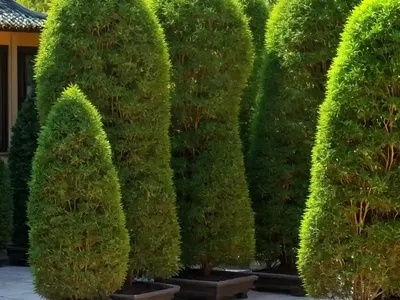
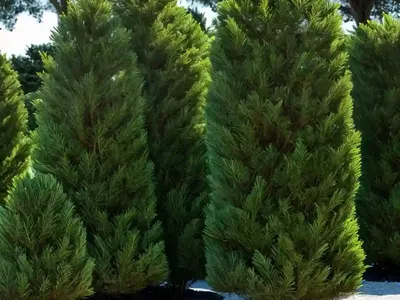
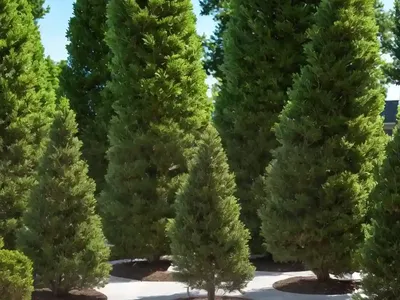
Canary Islands Juniper (Juniperus Cedrus)
Plants hold a significant place in the environment, being instrumental in maintaining ecological balance and providing habitat for numerous species. The.
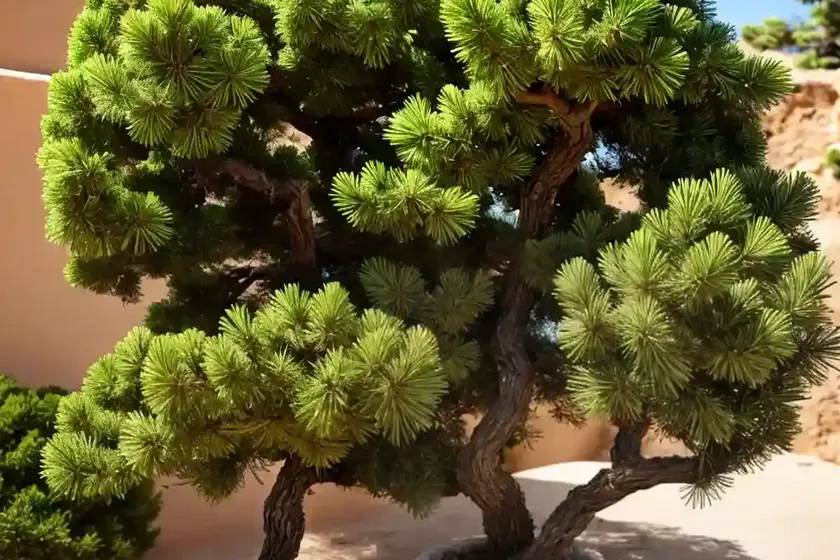
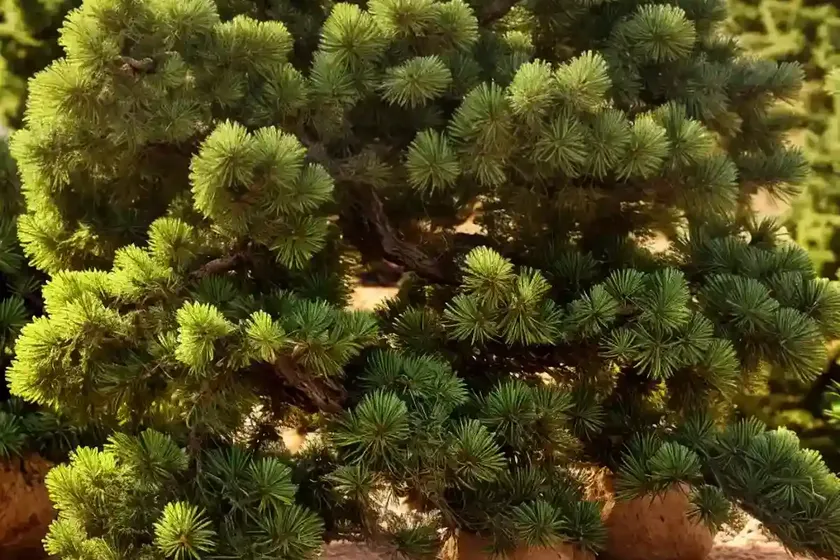
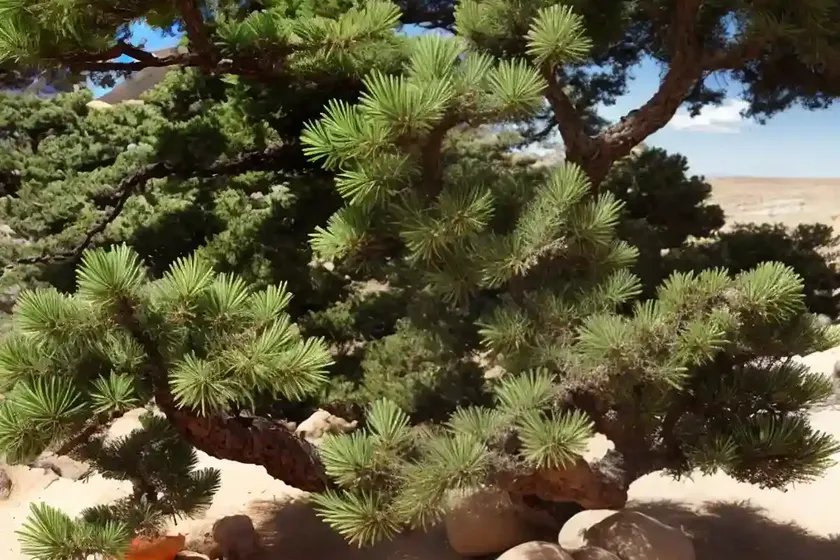
Plants hold a significant place in the environment, being instrumental in maintaining ecological balance and providing habitat for numerous species. The Canary Islands Juniper, scientifically known as Juniperus Cedrus, is a remarkable plant species that adds ecological and aesthetic value to its surroundings. In this comprehensive guide, we will delve into the intricacies of this fascinating plant, encompassing its characteristics, growth habits, care tips, and much more. Additionally, we will explore its cultural, medicinal, and folklore significance, making this botanical marvel a subject of intrigue and admiration.
What is the Canary Islands Juniper (Juniperus Cedrus)?
The Canary Islands Juniper, also referred to as Juniperus Cedrus, is a species of juniper native to the Canary Islands, an archipelago located off the northwestern coast of Africa. It belongs to the Cupressaceae family, which encompasses various coniferous trees and shrubs, and is characterized by its unique botanical features, adaptability, and cultural value.
Key Takeaways – Canary Islands Juniper (Juniperus Cedrus)
- Plant Name: Canary Islands Juniper (Juniperus Cedrus)
- Scientific Name: Juniperus Cedrus
- Native Habitat: Canary Islands
- Family: Cupressaceae
- Growth: Evergreen shrub or small tree
- Cultural Significance: Used in landscaping, traditional medicine, and folklore
- Conservation Status: Varies across different species and locations
- Adaptations: Drought-tolerant, thrives in diverse soil types
Characteristics of Juniperus Cedrus
The Canary Islands Juniper, Juniperus Cedrus, exhibits distinct botanical traits that contribute to its ecological importance and ornamental value. Understanding these characteristics provides insights into its care requirements and ecological role.
Juniperus Cedrus Botanical Features
-
Growth Form: The Canary Islands Juniper typically grows as a small, multi-stemmed tree or shrub, often attaining a height of 20 to 30 feet. Its growth habit renders it suitable for a variety of landscaping applications, ranging from ornamental specimens to windbreaks and privacy hedges.
-
Foliage: The foliage of Juniperus Cedrus consists of needle-like leaves, which are arranged in whorls around the stem segments. The leaves are typically dark green to blue-green in color, adding aesthetic appeal to the plant.
-
Fruits: The plant produces fleshy and resinous fruits, known as juniper berries. These berries are used for various culinary purposes and possess characteristic fragrances, often associated with gin production and traditional medicine.
-
Bark: The bark of the Canary Islands Juniper varies in texture and color, transitioning from smooth and greenish when young to fibrous and reddish-brown with age. This feature adds visual interest and textural contrast to the plant.
-
Flowering and Pollination: Juniperus Cedrus is dioecious, meaning it produces separate male and female cones on different plants. The small, inconspicuous flowers emerge in spring, contributing to its reproductive cycle and ecological interactions with pollinators.
-
Aromatic Qualities: The foliage and berries of the Canary Islands Juniper emit a distinctive, resinous aroma, which is characteristic of many juniper species and contributes to their traditional and contemporary uses.
Growth Habits of Canary Islands Juniper
Understanding the growth habits and seasonal changes of Juniperus Cedrus is essential for cultivating and maintaining this species in diverse environmental settings. From planting and watering to seasonal adaptations, the following aspects shed light on its growth requirements.
Juniperus Cedrus Seasonal Changes
The Canary Islands Juniper, like many coniferous plants, undergoes distinct seasonal changes, influencing its growth and development throughout the year. By comprehending these patterns, gardeners and conservationists can optimize their management strategies for this unique species.
Spring
During spring, Juniperus Cedrus experiences a phase of active growth, marked by the emergence of new foliage and flowers. This period is conducive to propagation efforts and the implementation of fertilization to support healthy growth and reproductive success.
Summer
The summer season presents an important phase for the Canary Islands Juniper, characterized by increased sunlight exposure and heightened water requirements. Adequate watering and soil moisture management are crucial during this period, ensuring the plant’s resilience in the face of heat stress and environmental challenges.
Autumn
As autumn sets in, the Canary Islands Juniper undergoes a transition in preparation for the upcoming winter season. This period may witness the maturation of juniper berries, signaling the onset of reproductive maturity and ecological interactions with wildlife.
Winter
The winter season brings about dormancy and reduced metabolic activity in Juniperus Cedrus. Care should be taken to protect the plant from extreme cold and frost exposure, particularly in regions with harsh winter conditions. Pruning and maintenance activities can also be conducted during this period to shape the plant and promote its health.
Canary Islands Juniper Temperature Tolerance
Diverse juniper species, including Juniperus Cedrus, exhibit remarkable adaptability to varying temperature ranges, enabling their survival and growth across different climatic zones. By understanding the temperature tolerance of the Canary Islands Juniper, one can make informed decisions regarding its cultivation and conservation in different environments.
-
Climate Preferences: Juniperus Cedrus thrives in Mediterranean and subtropical climates, characterized by mild, moist winters and warm, dry summers. It exhibits good tolerance to heat and drought, making it well-suited for arid and semi-arid regions.
-
Cold Hardiness: The Canary Islands Juniper displays moderate cold hardiness, with the ability to withstand temperatures down to approximately 10 to 15°F (-12 to -9°C) when established. In regions experiencing prolonged or severe winter frost, protective measures may be necessary to ensure the plant’s survival and vigor.
-
Temperature Extremes: While the Canary Islands Juniper exhibits resilience to high temperatures and arid conditions, it may be susceptible to heat stress and desiccation in areas with prolonged heatwaves and water scarcity. Adequate irrigation and shading can mitigate the impact of temperature extremes on the plant.
Juniperus Cedrus Care Tips
Caring for the Canary Islands Juniper involves a combination of horticultural practices, ecological considerations, and cultural insights. By integrating care tips that encompass watering, sunlight exposure, soil requirements, and maintenance activities, individuals can foster the health and longevity of Juniperus Cedrus in various settings.
Watering Needs of Canary Islands Juniper
Water is an essential resource for the growth and vitality of plants, and the Canary Islands Juniper is no exception. Understanding its watering needs, especially in the context of its native habitat and cultivated environments, is crucial for optimizing its health and resilience.
Soil Moisture Requirements
Juniperus Cedrus thrives in well-drained, moderately dry to moist soil conditions, reflecting its adaptation to Mediterranean climates and rocky terrains. It is important to strike a balance between providing adequate moisture and avoiding waterlogging, which can compromise the plant’s root health.
Seasonal Variations
During the active growing season, particularly in spring and early summer, the Canary Islands Juniper may require more frequent watering to support its physiological processes and new growth. As temperatures rise and evaporation rates increase, regular monitoring of soil moisture levels is recommended to adjust watering frequency accordingly.
Drought Tolerance
The adaptation of Juniperus Cedrus to xeric conditions makes it relatively drought-tolerant once established. This characteristic is particularly valuable in regions prone to water limitations and seasonal aridity, where the plant can contribute to sustainable landscaping and ecological restoration efforts.
Sunlight Exposure for Juniperus Cedrus
Sunlight is a primary factor influencing the growth, photosynthetic efficiency, and overall health of plants. The specific sunlight requirements of the Canary Islands Juniper shed light on its adaptation to varying light intensities and its potential landscaping applications.
Full Sun to Partial Shade
Juniperus Cedrus exhibits a preference for full sun exposure, thriving in open, sunny locations that provide ample light for photosynthesis and metabolic processes. However, it can also tolerate partial shade, particularly in regions with intense summer heat or persistent sunlight.
Sunlight Intensity
In habitats characterized by bright, direct sunlight, the Canary Islands Juniper adopts strategies to minimize water loss and optimize carbon assimilation, contributing to its drought tolerance and resilience. Harnessing the plant’s ability to cope with intense light can inform its placement in landscaping designs and horticultural initiatives.
Seasonal Sun Angles
As the angle of sunlight changes with the seasons, the exposure of Juniperus Cedrus to light fluctuations influences its growth patterns and physiological responses. By considering seasonal sun angles and their impact on the plant’s environment, one can optimize its placement for aesthetic and functional purposes.
Soil Requirements for Juniperus Cedrus
The composition, texture, and nutrient content of the soil significantly influence the growth, nutrient uptake, and ecological interactions of plants. Understanding the soil requirements of the Canary Islands Juniper is essential for selecting suitable planting sites and implementing soil management practices.
Well-Drained Soil
Juniperus Cedrus thrives in well-drained soil, encompassing sandy, loamy, or rocky substrates that facilitate water percolation and aeration. This characteristic aligns with its adaptation to the native volcanic soils of the Canary Islands and its ability to withstand prolonged dry periods.
pH Tolerance
The Canary Islands Juniper exhibits good pH tolerance, ranging from slightly acidic to alkaline soil conditions. Its ability to thrive in diverse pH ranges enhances its suitability for a wide range of landscaping applications and environmental settings.
Nutrient Availability
While Juniperus Cedrus is relatively adaptable to nutrient-poor soils, supplementing the soil with organic matter and balanced fertilizers can support its growth and overall vigor. Care should be taken to avoid excessive fertilization, which can lead to nutrient imbalances and potential detrimental effects on the plant.
Fertilizer Application for Canary Islands Juniper
Fertilization plays a crucial role in providing essential nutrients and supporting the growth and physiological processes of plants. By implementing appropriate fertilizer application practices, individuals can enhance the health and aesthetic appeal of the Canary Islands Juniper in gardens, parks, and natural landscapes.
Balanced Fertilizers
The application of balanced fertilizers, containing macro and micronutrients in suitable proportions, can benefit the growth and foliage quality of Juniperus Cedrus. Fertilization should be carried out in accordance with the specific nutrient requirements of the plant and the soil conditions of the site.
Timing and Frequency
Fertilizer application for the Canary Islands Juniper is often conducted in early spring, prior to the onset of active growth, and may be supplemented by additional applications during the growing season based on soil tests and plant performance. Careful monitoring of nutrient availability and potential deficiencies is essential in determining the timing and frequency of fertilizer application.
Organic Amendments
In addition to commercial fertilizers, organic amendments such as compost, well-rotted manure, and organic mulches can contribute to soil fertility and microbial activity, enhancing the overall ecosystem health and resilience of Juniperus Cedrus and its associated plant communities.
Pruning Techniques for Juniperus Cedrus
Pruning serves as a valuable horticultural practice for shaping, rejuvenating, and maintaining the health and aesthetic appeal of plants. When applied to the Canary Islands Juniper, judicious pruning techniques can contribute to its ornamental value, space optimization, and ecological functionality.
Pruning Objectives
The objectives of pruning Juniperus Cedrus may include the removal of dead or diseased branches, shaping the plant for landscaping purposes, promoting air circulation and light penetration, and rejuvenating older specimens. These objectives guide the selection of appropriate pruning techniques and timelines.
Timing and Frequency
Pruning of the Canary Islands Juniper is often conducted during the plant’s dormant season, typically in late winter to early spring, to minimize the impact on its physiological processes and the risk of pest and disease infestations. Additionally, light pruning for shaping and maintenance may be carried out as needed throughout the growing season.
Pruning Methods
Selective pruning, targeting specific branches and growth points, is commonly employed to maintain the natural form and symmetry of Juniperus Cedrus. Thinning cuts, reduction cuts, and heading cuts are applied judiciously to achieve the desired aesthetic and functional outcomes while minimizing the stress on the plant.
Maintenance Pruning
Regular maintenance pruning of the Canary Islands Juniper involves the removal of any dead, damaged, or diseased branches, as well as the correction of structural weaknesses and overcrowded growth. This practice contributes to the plant’s health, resilience against environmental stressors, and visual appeal.
Tools and Techniques
When engaging in pruning activities, the use of sharp, sterile pruning tools is recommended to ensure clean cuts and minimize the risk of disease transmission. Proper pruning techniques, such as the angle and location of cuts, aid in the healing and recovery of the plant, reducing the potential for stress and complications.
Propagation Methods for Canary Islands Juniper
The propagation of Juniperus Cedrus encompasses a range of methods, from seed germination to vegetative propagation, enabling the cultivation and conservation of this species in diverse landscapes and horticultural settings. By exploring these propagation techniques, individuals can contribute to the preservation and dissemination of this botanical treasure.
Seed Propagation
Juniperus Cedrus can be propagated from seeds collected from mature juniper berries. The process involves scarification of the seeds to enhance germination, followed by sowing in suitable growing media and providing the necessary conditions for seedling establishment.
Germination Requirements
The germination of Canary Islands Juniper seeds is influenced by factors such as temperature, moisture, light conditions, and seed dormancy. By simulating the natural germination environment of the plant, successful seed propagation can be achieved, facilitating the production of new plant stock for landscaping and conservation initiatives.
Vegetative Propagation
Vegetative propagation methods, including cutting propagation and grafting, offer alternative means of reproducing Juniperus Cedrus while maintaining specific genetic traits and characteristics. These techniques are particularly valuable for propagating selected cultivars and preserving genetic diversity.
Cutting Propagation
Softwood or hardwood cuttings can be employed for the vegetative propagation of the Canary Islands Juniper, with the potential for rooting and subsequent establishment of new plants. Hormone treatments and environmental controls play a critical role in optimizing the success of cutting propagation.
Grafting
Grafting techniques, such as whip grafting or cleft grafting, can be utilized to propagate Juniperus Cedrus onto compatible rootstocks, promoting the expression of desired traits and enhancing the overall vigor of the resulting plants. Grafting allows for the preservation of specific genetic lineages and the production of grafted plants with unique characteristics.
Container Cultivation of Juniperus Cedrus
The container cultivation of the Canary Islands Juniper offers a versatile approach to integrating this species into urban landscapes, patios, and indoor environments. By exploring the considerations and techniques for container gardening, individuals can incorporate Juniperus Cedrus into diverse settings with creativity and practicality.
Container Selection
When cultivating Juniperus Cedrus in containers, the selection of appropriate pots or containers is crucial for ensuring adequate space for root development, water drainage, and overall plant stability. Durable, well-drained containers of suitable sizes and shapes can accommodate the growth habits and environmental requirements of the plant.
Growing Media
Choosing a well-balanced, well-drained growing medium is essential for container-grown Canary Islands Juniper, promoting healthy root development and moisture retention. Potting mixes featuring a blend of organic matter, perlite, and coarse sand can provide the ideal substrate for the plant’s growth and physiological functions.
Watering and Fertilization
Container-grown Juniperus Cedrus may require more frequent watering than their counterparts in the ground, as the limited soil volume can lead to rapid drying and increased water stress. Monitoring soil moisture levels and providing balanced fertilization support the health and vitality of the plant in a containerized environment.
Sunlight and Temperature
Placing container-grown Canary Islands Juniper in locations with ample sunlight exposure and suitable temperatures is essential for promoting robust growth and foliage quality. While the container offers flexibility in positioning the plant, attention should be paid to seasonal light and temperature variations to optimize its performance.
Popularity of Canary Islands Juniper in Landscaping
The Canary Islands Juniper, Juniperus Cedrus, holds significant popularity in landscaping and horticulture due to its ornamental value, resilience, and adaptability to diverse environmental conditions. Its utilization in various landscaping contexts contributes to the aesthetic, ecological, and functional aspects of designed outdoor spaces.
Ornamental Specimen
As an ornamental specimen, the Canary Islands Juniper adds visual interest and texture to landscapes, featuring its unique growth form, foliage coloration, and aromatic qualities. Its versatility in shaping and pruning allows for creative design expressions, from formal topiaries to naturalistic accents.
Windbreaks and Privacy Hedges
The dense, evergreen foliage and resilient nature of Juniperus Cedrus make it well-suited for windbreaks and privacy hedges in urban and rural settings. Its capacity to withstand challenging environmental conditions and provide natural screening enhances its value in landscape design and functional planning.
Drought-Tolerant Landscapes
In regions characterized by water scarcity and arid climates, the incorporation of the Canary Islands Juniper into drought-tolerant landscapes and xeriscapes contributes to sustainable and low-maintenance outdoor environments. Its ability to thrive in challenging conditions aligns with the principles of water-wise landscaping and environmental stewardship.
Ecological Restoration
Utilizing Juniperus Cedrus in ecological restoration projects, such as habitat rehabilitation and erosion control, leverages its adaptability and ecological functionality. The plant’s role in stabilizing soil, providing wildlife habitat, and restoring native plant communities underscores its ecological importance in landscape restoration efforts.
Common Diseases of Juniperus Cedrus
Despite its resilience, the Canary Islands Juniper is susceptible to certain diseases and health issues, which can impact its growth, visual appeal, and overall vigor. Identifying and managing these common diseases is essential for sustaining healthy populations of Juniperus Cedrus in diverse environments.
Disease Diagnosis
The diagnosis of diseases affecting Juniperus Cedrus involves the observation of symptoms such as discoloration, wilting, needle drop, and lesions, as well as the assessment of environmental conditions and potential stressors. Diagnostic tools and laboratory analyses may be employed for accurate disease identification.
Fungal Diseases
Fungal pathogens, including Phomopsis juniperovora and Kabatina juniperi, can cause needle blight, dieback, and canker diseases in Canary Islands Juniper. These diseases manifest as browning, necrosis, and defoliation, impacting the aesthetic and physiological integrity of the plant.
Rust Diseases
Rust diseases, caused by gymnosporangium and other fungal pathogens, can affect the foliage and fruit of Juniperus Cedrus, leading to rust-colored spots, deformities, and reduced vitality. Monitoring the plant for rust disease symptoms and implementing appropriate management practices are essential in disease control.
Bacterial Infections
Bacterial diseases, such as bacterial blight and canker, can affect the stems, branches, and foliage of Juniperus Cedrus, causing symptoms such as dieback, oozing, and tissue necrosis. Strategies for preventing bacterial infections and managing affected plants contribute to disease mitigation and plant health.
Integrated Disease Management
Integrating cultural, biological, and chemical control methods, tailored to the specific diseases and environmental contexts, forms the basis for effective disease management in Juniperus Cedrus. Good horticultural practices, sanitation, and disease-resistant cultivars contribute to