Juniperus Communis ‘Repanda’ (Common Juniper)
Juniperus communis ‘Repanda’, commonly known as Common Juniper, is a low-growing evergreen shrub that belongs to the Cupressaceae family. This resilient.
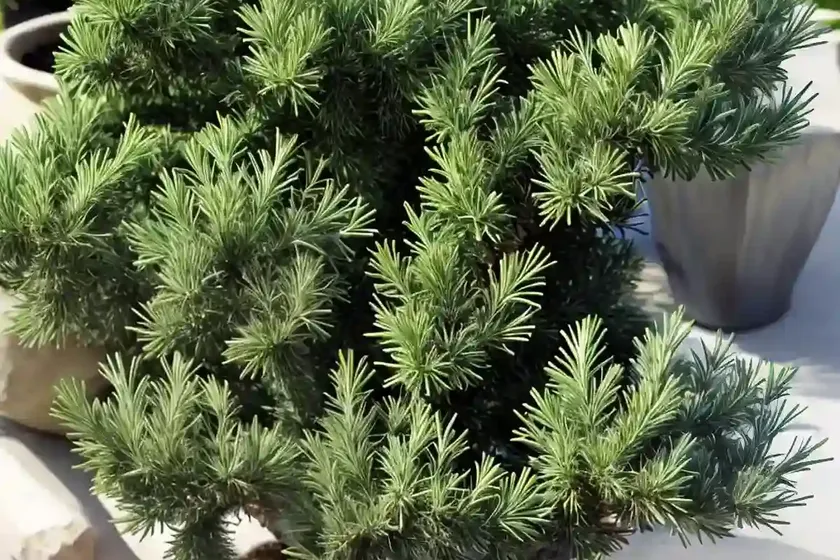
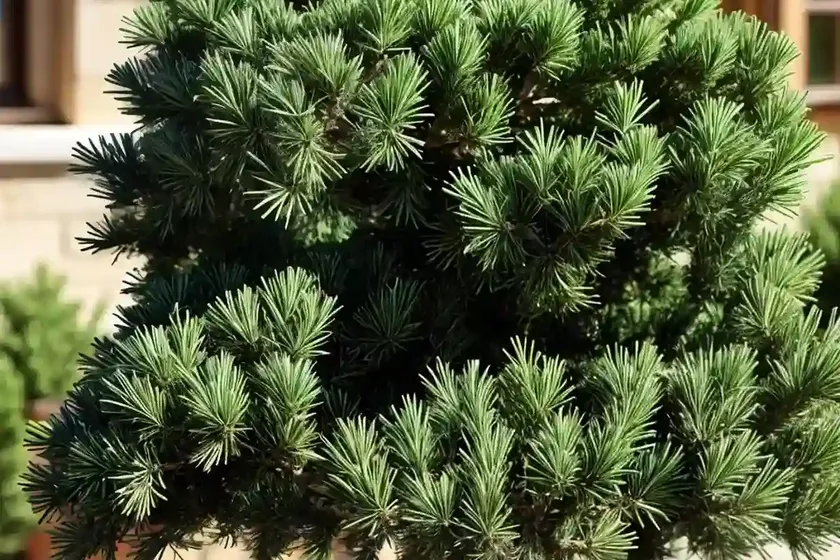
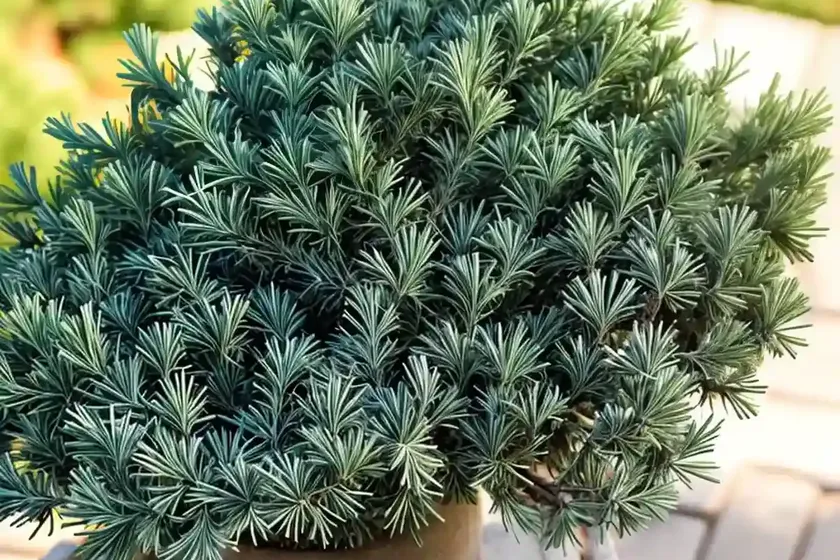
Juniperus communis ‘Repanda’, commonly known as Common Juniper, is a low-growing evergreen shrub that belongs to the Cupressaceae family. This resilient plant is known for its versatility and has become a popular choice for gardeners due to its ease of maintenance and various landscape uses. In this comprehensive care guide, we will explore the characteristics, cultivation, landscaping uses, maintenance tips, and much more for Juniperus communis ‘Repanda’.
What is Juniperus communis ‘Repanda’?
Juniperus communis ‘Repanda’ is a cultivar of the Common Juniper (Juniperus communis), a species widely distributed across the northern hemisphere. ‘Repanda’ is a low-growing, prostrate variety, forming a dense mat of foliage that makes it an excellent ground cover plant. Its spreading and trailing growth habit, coupled with its evergreen foliage, adds texture and color to various garden settings.
Key Takeaways – Juniperus communis ‘Repanda’
Before delving into the care guide for Juniperus communis ‘Repanda’, let’s highlight some key takeaways about this versatile evergreen:
- Plant Name: Juniperus communis ‘Repanda’ (Common Juniper)
- Family: Cupressaceae
- Type: Evergreen shrub
- Growth Habitat: Low-growing, trailing, prostrate
- Foliage Color: Dark green
- Uses: Ground cover, landscaping, erosion control, container planting
Now, let’s explore the essential aspects of caring for Juniperus communis ‘Repanda’ to help you optimize its growth and showcase its beauty in your garden.
Culture
Juniperus communis ‘Repanda’ is a hardy plant with a wide range of cultural adaptability. Understanding its cultural requirements is essential for promoting its health and vigor.
Uses
The versatile nature of Juniperus communis ‘Repanda’ lends itself to various landscaping and garden applications. Here are some common uses of this evergreen shrub:
- Ground Cover: Due to its low-growing and spreading habit, ‘Repanda’ is an excellent choice for ground cover in both residential and commercial landscapes.
- Erosion Control: Its dense foliage and strong root system make it effective for stabilizing soil on slopes and preventing erosion.
- Container Planting: ‘Repanda’ can be featured in containers and troughs to add texture and greenery to patios, decks, and other outdoor spaces.
Water and Sunlight:
Water
Juniperus communis ‘Repanda’ is known for its excellent drought tolerance once established. However, proper watering is crucial, especially during its establishment phase. Here are some guidelines for watering ‘Repanda’:
- Establishment Phase: Ensure adequate watering during the first year after planting to promote a healthy root system.
- Mature Plants: Once established, ‘Repanda’ generally thrives in drier conditions. Allow the soil to dry slightly between watering sessions to prevent waterlogged conditions.
Sunlight
As an evergreen plant, Juniperus communis ‘Repanda’ thrives in full sun to partial shade. When selecting a planting location, consider the following sunlight requirements:
- Full Sun: Ideally, ‘Repanda’ should be planted in a location that receives at least 6 hours of direct sunlight each day for optimal growth and density.
- Partial Shade: While it prefers full sun, ‘Repanda’ can tolerate some degree of shade, making it suitable for areas with dappled sunlight or light shading.
Fertilizer and Soil:
Fertilizer
Juniperus communis ‘Repanda’ is known for its minimal fertilizer requirements. However, providing essential nutrients during its initial growth stages can support healthy development. Consider the following fertilizer guidelines:
- Early Spring: Apply a balanced slow-release fertilizer in early spring to encourage new growth and overall vitality.
- Minimal Fertilization: Avoid excessive fertilization, as ‘Repanda’ thrives in nutrient-poor soils typical of its natural habitat.
Soil
The Common Juniper ‘Repanda’ has adaptable soil preferences, making it suitable for various soil types. When considering soil conditions for this evergreen, keep the following factors in mind:
- Drainage: Well-draining soil is crucial to prevent waterlogging, especially in areas with higher rainfall or irrigation frequency.
- pH Levels: ‘Repanda’ tolerates a wide pH range, from slightly acidic to slightly alkaline, making it resilient in diverse soil conditions.
Pruning and Propagation:
Pruning
Regular pruning is essential for maintaining the desired shape and density of Juniperus communis ‘Repanda’. Follow these pruning techniques to promote its overall health and appearance:
- Timing: Prune ‘Repanda’ in late winter to early spring before the onset of new growth.
- Selective Pruning: Remove any dead, damaged, or overgrown foliage to maintain a tidy and dense habit.
Propagation
Propagating Common Juniper ‘Repanda’ can be achieved through various methods, including:
- Cuttings: Stem cuttings taken in late spring or early summer can be propagated to produce new ‘Repanda’ plants.
- Layering: Air layering or ground layering techniques can also be utilized to encourage root development and new plant formation.
Container Planting and Popularity:
Container Planting
Juniperus communis ‘Repanda’ adapts well to container planting, making it a versatile choice for adding greenery to outdoor spaces. When cultivating ‘Repanda’ in containers, consider the following tips:
- Container Size: Choose a spacious container that accommodates the spreading nature of ‘Repanda’ and allows room for root development.
- Drainage: Ensure proper drainage by using containers with drainage holes to prevent waterlogging, especially in rainy climates.
Popularity
The adaptable nature, low maintenance requirements, and aesthetic appeal of Juniperus communis ‘Repanda’ have contributed to its popularity among gardeners and landscapers. Its widespread use in various garden settings has enhanced its reputation as a go-to choice for ground cover and landscaping projects.
Common Diseases and Pests
While Juniperus communis ‘Repanda’ is generally robust, it is vulnerable to certain diseases and pests that can impact its growth and appearance. Understanding these potential issues is crucial for implementing effective management strategies.
Common Diseases
The following are common diseases that may affect Common Juniper ‘Repanda’:
- Tip Blight: Caused by fungal pathogens, tip blight can lead to the browning and dieback of foliage.
- Rust Diseases: Certain rust fungi can infect ‘Repanda’, causing discoloration and deformation of the foliage.
Disease Diagnosis
In diagnosing and addressing diseases in Juniperus communis ‘Repanda’, the following steps are recommended:
- Visual Inspection: Regularly inspect the foliage for any signs of discoloration, spotting, or abnormal growth.
- Consultation: Seek guidance from local horticultural experts or plant health professionals to accurately identify and address any disease issues.
Common Pests
Several pests may pose a threat to Common Juniper ‘Repanda’, including:
- Juniper Scale: These small insects can cause yellowing and premature dropping of foliage, leading to aesthetic and health concerns.
- Spider Mites: Infestations of spider mites can result in webbing and stippling on the foliage, impacting the overall vitality of ‘Repanda’.
Botanist’s Tips and Fun Facts:
Botanist’s Tips
Aspiring to cultivate Juniperus communis ‘Repanda’ successfully? Consider the following tips from botanists and horticultural experts:
- Suitable Companion Plants: Pair ‘Repanda’ with drought-tolerant and sun-loving plants for harmonious landscape designs.
- Adequate Air Circulation: Ensure proper spacing between ‘Repanda’ plants to promote good air circulation and reduce the risk of certain diseases.
Fun Facts
Delving into the fascinating world of Common Juniper ‘Repanda’, here are some intriguing fun facts about this resilient evergreen:
- Historical Significance: Juniperus communis has a rich history, with its berries being used for culinary and medicinal purposes for centuries.
- Wildlife Attractant: ‘Repanda’ can provide shelter and foraging opportunities for various wildlife species, adding ecological value to its presence in garden settings.
Links to External Resources:
For further information about Juniperus communis ‘Repanda’ and related topics, consider exploring the following external resources:
- Royal Horticultural Society – https://www.rhs.org.uk
- University of Florida IFAS Extension – https://sfyl.ifas.ufl.edu
- Missouri Botanical Garden – http://www.missouribotanicalgarden.org
In conclusion, Juniperus communis ‘Repanda’ (Common Juniper) stands out as a valuable addition to landscapes and gardens, offering a myriad of benefits ranging from erosion control to wildlife habitat support. By understanding its cultivation requirements and potential challenges, gardeners can harness the full potential of this resilient evergreen and create captivating outdoor spaces that showcase the beauty and versatility of ‘Repanda’.