Canadian Hemlock (Tsuga canadensis ‘Golden Splendor’) – A Comprehensive Plant Guide
Plants are an integral part of our world, providing us with essential oxygen, food, and a beautiful natural environment, among other benefits. Canadian Hemlock, scientifically known as Tsuga canadensis ‘Golden Splendor,’ is a stunning and versatile plant that has gained popularity for its ornamental features and practical uses in landscaping. In this comprehensive guide, we will explore the various aspects of Canadian Hemlock, from its cultivation and care to its landscape uses and maintenance. Whether you are a gardening enthusiast, landscape professional, or simply someone who appreciates the beauty of plants, this guide will provide you with valuable insights into the world of Canadian Hemlock.
What is Canadian Hemlock (Tsuga canadensis ‘Golden Splendor’)?
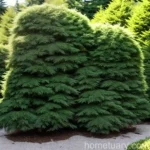
Canadian hemlock, a member of the Pinaceae family, is a coniferous tree native to eastern North America. It is known for its graceful, weeping form, soft needles, and attractive cones, making it a popular choice for ornamental landscaping. The ‘Golden Splendor’ variety is particularly prized for its golden foliage, adding a vibrant touch to any garden or landscape.
Key Takeaways – Canadian Hemlock (Tsuga canadensis ‘Golden Splendor’)
Before delving deeper into the various aspects of Canadian Hemlock, let’s highlight some key takeaways about this distinctive plant:
- Plant Name: Canadian Hemlock (Tsuga canadensis ‘Golden Splendor’)
- USDA Hardiness Zones: 3 to 7
- Mature Height: 10 to 15 feet
- Mature Spread: 6 to 8 feet
- Growth Rate: Slow to medium
- Foliage: Golden to yellow-green
- Sun Exposure: Partial shade to full shade
- Soil: Moist, well-drained, acidic soil
- Uses: Ornamental landscaping, privacy screening, and specimen planting
Now, let’s explore the various aspects of Canadian Hemlock, ranging from its cultural requirements to its maintenance and common pests and diseases.
Culture
Understanding the cultural requirements of Canadian Hemlock is crucial for its successful growth and development. Here’s a detailed breakdown of the essential cultural aspects to consider when cultivating this captivating plant.
Water
Canadian Hemlock generally prefers moist soil conditions, especially during its initial establishment phase. However, it is essential to strike a balance, as excessively wet soil can lead to root rot and other issues. Regular watering, especially during dry seasons, is necessary to maintain optimal moisture levels for the plant.
Sunlight
In terms of sunlight requirements, Canadian Hemlock thrives in partial shade to full shade conditions. It is well-suited for shaded areas and woodland settings where the dappled sunlight filters through the tree canopy. When selecting a planting site, it is important to consider the natural light conditions to ensure the plant’s well-being.
Fertilizer
While Canadian Hemlock is not heavy feeder, it can benefit from occasional fertilization to promote healthy growth. A balanced, slow-release fertilizer applied in spring can provide the necessary nutrients for the plant. It is important to follow the recommended dosage and application guidelines to prevent over-fertilization, which can harm the plant.
Soil
The soil is a critical factor in the successful cultivation of Canadian Hemlock. It thrives in moist, well-drained, and acidic soil with a pH range between 4.5 and 6.0. It is important to avoid compacted or waterlogged soil, as it can inhibit root development and lead to various problems. Amending the soil with organic matter can improve its structure and moisture retention capacity, creating an ideal growing environment for the plant.
Pruning
Pruning is an essential aspect of Canadian Hemlock maintenance, particularly for shaping and controlling the plant’s size. It is best to prune the plant lightly in late winter or early spring to remove any dead, diseased, or overgrown branches. Topping or shearing the plant should be avoided, as it can compromise the natural form and health of the hemlock.
Uses
Canadian Hemlock (Tsuga canadensis ‘Golden Splendor’) offers a wide range of uses in landscaping and horticulture, making it a valuable addition to gardens, parks, and natural areas. Understanding its practical applications can help individuals and professionals make informed decisions when incorporating this plant into various settings.
Landscape Ornamentation
One of the primary uses of Canadian Hemlock is ornamental landscaping. Its elegant, weeping form and golden foliage make it an eye-catching specimen plant, adding visual interest and vibrancy to any garden or landscape. Whether used as a focal point in a mixed border or as a standalone feature, the ‘Golden Splendor’ variety can enhance the aesthetic appeal of outdoor spaces.
Privacy Screening
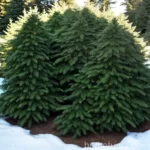
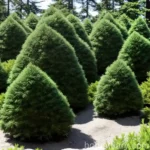
Due to its dense, evergreen foliage and graceful habit, Canadian Hemlock is often utilized for privacy screening and natural fencing. When planted in a row or grouping, it forms a lush, green barrier that provides privacy and seclusion, particularly in urban and suburban environments. Its tolerance for partial to full shade makes it a versatile choice for shaded areas where other screening plants may struggle.
Specimen Planting
As a striking and distinctive plant, Canadian Hemlock is well-suited for specimen planting, allowing it to stand out and shine in a landscape. Whether planted as a singular focal point or in small groupings, the ‘Golden Splendor’ variety can create captivating visual focal points that draw attention and admiration. Its golden foliage provides a unique color contrast and adds a touch of elegance to the surroundings.
Propagation
Propagation is the process of reproducing plants, either sexually or asexually, to create new individuals. When it comes to Canadian Hemlock, several propagation methods can be employed to multiply the plant and expand its presence. Understanding the different propagation techniques is valuable for both home gardeners and commercial nurseries looking to propagate this sought-after variety.
-
Seed Propagation: Growing Canadian Hemlock from seeds is a viable propagation method, although it requires patience and time due to the slow germination and growth rate of the plant. Collecting mature cones in late summer or early fall, extracting the seeds, and sowing them in well-prepared seed beds can initiate the propagation process. It is important to provide the necessary moisture, light, and protection to support the seedlings’ development.
-
Cutting Propagation: Utilizing stem cuttings to propagate Canadian Hemlock can expedite the production of new plants with characteristics identical to the parent. Softwood cuttings taken in early summer or hardwood cuttings taken in late winter can both be used for propagation. Proper rooting hormone application, moisture control, and environmental conditions are essential for successful rooting and establishment of the cuttings.
-
Layering: Layering involves encouraging roots to form on a branch while it is still attached to the parent plant, resulting in a new individual that can be separated and transplanted. Air layering and simple layering are two common methods used for propagating Canadian Hemlock. Both techniques involve inducing the branch to produce roots within a specified period, after which the rooted section can be separated and potted or planted.
Container Popularity
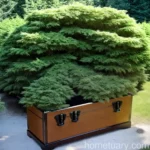
The ‘Golden Splendor’ variety of Canadian Hemlock has gained significant popularity as a container plant, particularly for those seeking to add color and texture to outdoor living spaces, patios, and smaller gardens. Its compact size, ornamental foliage, and adaptability to container cultivation make it an appealing choice for container gardening enthusiasts and urban gardeners.
Benefits of Container Cultivation
-
Space Optimization: Canadian Hemlock can thrive in containers, allowing individuals with limited outdoor space to enjoy the beauty of this plant. Its small to medium size makes it well-suited for container cultivation, whether on balconies, terraces, or in courtyards.
-
Seasonal Flexibility: Containers offer the flexibility to move the plant to different locations based on seasonal sunlight and weather conditions. During extreme heat or cold, the plant can be relocated to ensure its well-being and continued growth.
-
Decorative Appeal: The ‘Golden Splendor’ variety’s golden foliage adds a touch of elegance and visual interest to outdoor living areas. Its weeping form and vibrant color make it a charming addition to container gardens, enhancing the overall aesthetics.
-
Privacy Enhancement: When strategically placed, container-grown Canadian Hemlock can serve as a decorative privacy screening element on patios, decks, and balconies, providing a degree of seclusion and natural beauty.
Container Considerations
When cultivating Canadian Hemlock in containers, certain considerations and practices can contribute to the plant’s health and vitality. These include:
-
Container Size: Select a container that provides ample space for the plant’s root system to grow and develop. A larger container can accommodate the plant’s growth and minimize the need for frequent repotting.
-
Drainage: Ensure that the container has adequate drainage holes to prevent waterlogging, which can lead to root rot and other issues. In addition, using a well-draining potting mix is essential for maintaining optimal soil moisture levels.
-
Watering and Maintenance: Container-grown plants may require more frequent watering, particularly during hot and dry periods. Regular monitoring of soil moisture and providing appropriate care can promote healthy growth and minimize stress on the plant.
-
Overwintering: In regions with harsh winter conditions, protective measures may be necessary to overwinter container-grown Canadian Hemlock. This can include insulating the container, providing wind protection, and minimizing moisture fluctuations during the dormant period.
Common Diseases
While Canadian Hemlock is generally resistant to many diseases, there are certain issues that can affect its health and vigor. Being aware of the common diseases and their associated symptoms is valuable for preventive management and timely intervention to protect the plant.
Needle Blight
Various species of fungi can cause needle blight in Canadian Hemlock, leading to discoloration, browning, and premature shedding of needles. Needle blight diseases, such as Rhizosphaera needle cast and Phomopsis needle blight, can weaken the plant and impact its aesthetic appeal. Implementing proper cultural practices and considering fungicidal treatments when necessary can help manage and prevent needle blight issues.
Root Rot
Excessive soil moisture and poor drainage can contribute to the development of root rot in Canadian Hemlock. When the roots are compromised by fungal pathogens, the plant’s overall health declines, leading to stunted growth, wilting, and eventual demise. Maintaining well-drained soil conditions, proper watering practices, and avoiding overwatering can mitigate the risk of root rot and related problems.
Rust Diseases
Certain rust fungi can affect Canadian Hemlock, causing conspicuous orange to yellowish spore-producing structures on the needles and other plant parts. Rust diseases can weaken the plant and detract from its visual appeal. Implementing good sanitation practices, removing infected plant material, and considering fungicidal treatments can help manage rust diseases and minimize their impact on the plant.
Tip Blight
Caused by fungal pathogens, tip blight can affect the new growth of Canadian Hemlock, leading to browning, dieback, and distortion of the tips. This can result in a less attractive appearance and reduced vitality of the plant. Properly spacing the plants to facilitate airflow, maintaining balanced soil moisture, and employing fungicidal treatments when necessary can help manage and prevent tip blight issues.
Disease Diagnosis
Diagnosing diseases in Canadian Hemlock requires careful observation of the plant’s symptoms, as well as an understanding of the common diseases that can affect it. When faced with potential disease issues, it is essential to accurately identify the problem and take appropriate measures to address it effectively. Here are some diagnostic steps to consider:
-
Symptom Observation: Carefully examine the plant for any abnormal changes in foliage color, texture, or structure. Look for signs of wilting, browning, discoloration, lesions, or abnormal growth patterns.
-
Environmental Assessment: Consider the environmental conditions, such as soil moisture, drainage, light exposure, and air circulation, which can influence disease development. Identify any factors that may contribute to disease susceptibility.
-
Pathogen Identification: When possible, determine the potential pathogens causing the observed symptoms. This may involve consulting with a plant pathologist or utilizing diagnostic resources to narrow down the likely culprits.
-
Cultural and Management Practices: Review the plant’s cultural practices, such as watering, fertilization, and pruning, to identify any practices that may contribute to disease development. Implement corrective measures as needed.
-
Sample Submission (if necessary): In cases where a definitive diagnosis is challenging, consider submitting plant samples to a diagnostic laboratory for professional analysis and identification of the underlying disease.
Proper disease diagnosis is crucial for implementing targeted management strategies and safeguarding the health of Canadian Hemlock.
Common Pests
While Canadian Hemlock is relatively resistant to pest infestations, certain insects can pose a threat to the plant’s well-being. Understanding the common pests and their associated symptoms is instrumental in early detection and effective pest management.
Hemlock Woolly Adelgid
The hemlock woolly adelgid is a notorious pest that targets and infests hemlock trees, including Canadian Hemlock. These tiny, aphid-like insects feed on the plant’s sap, causing needle yellowing, premature needle drop, and overall decline in tree health. Implementing measures to control and manage hemlock woolly adelgid populations is crucial for protecting the plant.
Spruce Spider Mite
Spruce spider mites are small arachnids that can affect various coniferous trees, including Canadian Hemlock. Their feeding activity can cause stippling, discoloration, and defoliation of the plant’s needles, leading to diminished aesthetic appeal and vigor. Monitoring for mite presence and considering appropriate control measures can help mitigate their impact on the plant.
Sawfly Larvae
Certain species of sawfly larvae can feed on the foliage of Canadian Hemlock, causing visible damage and defoliation. While adult sawflies resemble bees, the larvae are caterpillar-like and can consume significant portions of the plant’s needles. Vigilant monitoring and timely intervention can help manage sawfly larvae infestations and minimize their effects on the plant.
Bagworms
Bagworms are another potential pest that can target Canadian Hemlock, particularly in their larval stage. These caterpillar-like insects construct protective bags from plant material and silk, residing within these structures as they feed on the foliage. Early detection and manual removal of bagworms can help prevent extensive damage to the plant.
Botanist’s Tips
For those interested in cultivating and caring for Canadian Hemlock, incorporating botanist’s tips and best practices can enhance the plant’s health, vigor, and overall performance. Here are some valuable tips from botanists and horticulture experts:
-
Site Selection: Choose a planting site that offers partial to full shade and well-drained, acidic soil to create an ideal growing environment for Canadian Hemlock.
-
Moisture Management: Pay close attention to soil moisture levels, particularly during the plant’s establishment phase and dry periods, to ensure adequate moisture without waterlogging.
-
Pruning Practices: When pruning Canadian Hemlock, focus on removing dead, damaged, or diseased branches while preserving the plant’s natural form and structure. Avoid heavy shearing or topping.
-
Fertilization: Apply a balanced, slow-release fertilizer in spring to provide essential nutrients for the plant’s growth and development, following the recommended dosage and application guidelines.
-
Pest Monitoring: Regularly monitor the plant for signs of pest infestations such as hemlock woolly adelgid and spider mites, implementing appropriate control measures when necessary to protect the plant.
-
Disease Prevention: Implement cultural practices to minimize the risk of common diseases such as needle blight and root rot, including proper sanitation, good air circulation, and selective plant placement.
Implementing these tips can contribute to the successful cultivation and maintenance of Canadian Hemlock, ensuring its longevity and visual allure.
Fun Facts
Exploring the intriguing and noteworthy aspects of Canadian Hemlock can offer a deeper appreciation for this remarkable plant. Here are some fun facts about Canadian Hemlock (Tsuga canadensis ‘Golden Splendor’):
-
Weeping Form: The graceful, weeping form of Canadian Hemlock makes it a captivating addition to gardens and landscapes, adding a touch of elegance and charm.
-
Golden Foliage: The ‘Golden Splendor’ variety is prized for its vibrant golden foliage, which stands out in shaded settings and complements other plants in mixed borders.
-
Wildlife Habitat: Canadian Hemlock provides valuable habitat and cover for various wildlife species, contributing to the biodiversity and ecological significance of natural areas.
-
Longevity: With proper care and maintenance, Canadian Hemlock can live for several decades, becoming a beloved feature in the landscape for generations to come.
-
Historical Significance: Hemlock trees have been revered for their timber and cultural importance, featuring in traditional crafts, construction, and folklore.
These fun facts highlight the distinctive attributes and contributions of Canadian Hemlock, underscoring its status as a cherished plant species.
Links to External Resources
For further information and resources related to Canadian Hemlock (Tsuga canadensis ‘Golden Splendor’) and its cultivation, care, and landscape uses, consider exploring the following external links:
- American Conifer Society – Tsuga canadensis
- University of Connecticut Plant Database – Tsuga canadensis
- Royal Horticultural Society – Canadian Hemlock
These resources offer valuable insights, guidance, and perspectives on Canadian Hemlock, catering to both enthusiasts and professionals seeking authoritative information.
In conclusion, Canadian Hemlock (Tsuga canadensis ‘Golden Splendor’) stands as a versatile and enchanting plant, offering aesthetic beauty, practical uses, and ecological significance. By understanding its cultural requirements, maintenance practices, and landscape uses, individuals can harness the full potential of this plant in diverse settings. Whether adorning a shaded garden, serving as a privacy screen, or enriching natural habitats, Canadian Hemlock continues to captivate and inspire plant enthusiasts and nature lovers alike.