All About Canadian Hemlock (Tsuga canadensis ‘Geneva’)
Welcome to the ultimate guide to Canadian Hemlock, specifically the Tsuga canadensis ‘Geneva’ variety. In this comprehensive article, we will dive deep into every aspect of this beautiful and versatile plant, providing you with all the information you need to understand, cultivate, and care for Canadian Hemlock in your garden or landscape.
What is Canadian Hemlock (Tsuga canadensis ‘Geneva’)?
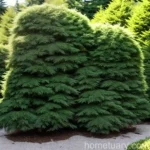
Canadian Hemlock (Tsuga canadensis), native to the eastern United States and Canada, is a graceful conifer with delicate, horizontal branches and fine-textured needles. The ‘Geneva’ cultivar is a popular selection known for its compact form and beautiful foliage.
Key Takeaways – Canadian Hemlock (Tsuga canadensis ‘Geneva’)
Before we delve into the details of cultivating and caring for Tsuga canadensis ‘Geneva’, let’s take a look at the key takeaways that we will explore in this guide:
- Culture
- Uses
- Water
- Sunlight
- Fertilizer
- Soil
- Pruning
- Propagation
- Container Popularity
- Container Common Diseases
- Disease Diagnosis
- Common Pests
- Botanist’s Tips
- Fun Facts
- Links to External Resources
Now let’s delve deeper into each of these aspects to gain a comprehensive understanding of Canadian Hemlock and its ‘Geneva’ variety.
Culture of Canadian Hemlock (Tsuga canadensis ‘Geneva’)
Cultivating Canadian Hemlock is an incredibly rewarding experience, and understanding its cultural requirements is essential for its successful growth and development.
Water
Canadian Hemlock generally prefers consistently moist, well-draining soil. It is important to ensure sufficient watering, especially during dry periods, to maintain optimal moisture levels in the root zone. However, it’s equally important to avoid waterlogged conditions, which can lead to root rot.
Sunlight
In terms of sunlight, Canadian Hemlock thrives in partial shade to full shade conditions. It is well-suited for planting in woodland areas or in locations with filtered sunlight. While it can tolerate some sun, especially in cooler climates, providing it with shade during the hottest part of the day is beneficial for its overall health and appearance.
Fertilizer
When it comes to fertilization, Canadian Hemlock generally benefits from an application of a balanced, slow-release fertilizer in early spring. Care should be taken to avoid over-fertilizing, as this can lead to excessive foliage growth, which may compromise the plant’s natural form and density.
Soil
The ideal soil for Canadian Hemlock is rich, moist, and well-draining. It thrives in slightly acidic to neutral soil, with a pH range ideally between 5.5 and 6.5. Incorporating organic matter into the soil at the time of planting can help improve its structure and fertility, creating an optimal growing environment for the Hemlock.
Pruning
Pruning is generally minimal for Canadian Hemlock, particularly the ‘Geneva’ variety, which naturally maintains a compact and dense form. However, regular inspection for dead or damaged branches and selective pruning to maintain its shape may be necessary. Pruning should ideally be carried out in early spring before new growth begins.
Uses of Canadian Hemlock (Tsuga canadensis ‘Geneva’)
Canadian Hemlock, with its graceful form and lush foliage, serves several practical and aesthetic purposes in garden and landscape settings.
Landscape Specimen
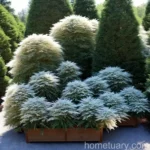
The ‘Geneva’ cultivar of Canadian Hemlock is often used as a standout specimen plant in shaded gardens and woodland landscapes. Its compact and dense growth habit makes it an excellent choice for adding texture and visual interest to shaded areas.
Hedge or Screen
Given its natural density and elegant appearance, Canadian Hemlock, including the ‘Geneva’ variety, can be utilized as a hedge or screen plant, providing a beautiful and effective natural barrier.
Container Planting
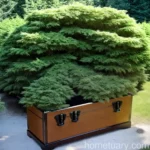
Canadian Hemlock, especially the ‘Geneva’ cultivar, can thrive in containers, making it a versatile choice for patios, decks, or small urban spaces. Its lush greenery adds a touch of natural beauty to any outdoor setting.
Wildlife Habitat
The dense foliage of Canadian Hemlock provides valuable cover and nesting sites for various wildlife species. In addition to its ornamental value, it contributes to the ecological diversity of the landscape.
Propagation of Canadian Hemlock (Tsuga canadensis ‘Geneva’)
While Canadian Hemlock can be propagated from seeds, the ‘Geneva’ variety is often propagated through vegetative means to maintain its desirable characteristics.
Propagation Methods
Cuttings: Softwood cuttings taken in late spring or early summer can be successfully rooted to propagate the ‘Geneva’ cultivar. Providing bottom heat and a high level of humidity can improve the success rate of cutting propagation.
Layering: Air layering is another effective method for propagating Canadian Hemlock. By girdling and applying rooting hormone to a lower branch, it is possible to encourage the development of roots at the point of the wound, leading to the formation of a new plant.
Container Popularity of Canadian Hemlock (Tsuga canadensis ‘Geneva’)
The compact and attractive nature of the ‘Geneva’ cultivar makes it a popular choice for container planting. It adds a touch of elegance and natural beauty to outdoor living spaces, patios, and balconies. Furthermore, its adaptability to container culture allows gardeners with limited space to enjoy the beauty of Canadian Hemlock.
Container Requirements
When planting Canadian Hemlock in containers, it is essential to choose a large enough pot to accommodate its root system and provide stability. A well-draining potting mix designed for container plants is recommended, and regular watering is crucial to maintain adequate soil moisture.
Maintenance
Monitoring the moisture levels in the potting mix and providing occasional fertilization during the growing season are essential for the health and vigor of Canadian Hemlock in containers. Pruning may also be necessary to control its growth and maintain its shape, especially as it matures in the container.
Common Diseases of Canadian Hemlock (Tsuga canadensis ‘Geneva’)
While Canadian Hemlock is relatively resilient, it can be susceptible to certain diseases that impact its overall health and appearance.
Disease Diagnosis
Needle Cast Diseases: Various fungal pathogens can cause needle cast diseases, leading to the browning and premature shedding of needles. Proper diagnosis of the specific fungal pathogen responsible for the symptoms is crucial for effective disease management.
Root Rot: Excessive soil moisture and poor drainage can lead to the development of root rot, which can manifest as wilting, yellowing foliage, and decline in the overall health of the plant. Timely diagnosis and appropriate measures are essential for mitigating the effects of root rot.
Canopy Dieback: Environmental stressors, such as drought or excessive heat, can contribute to canopy dieback in Canadian Hemlock. Identifying the underlying cause of the decline in the plant’s canopy health is essential for implementing targeted interventions.
Disease Prevention and Management
Cultural Practices: Maintaining optimal cultural conditions, including proper watering, soil drainage, and adequate spacing between plants, can help prevent the development of common diseases in Canadian Hemlock.
Fungicidal Treatments: In the case of severe fungal infections, applying appropriate fungicidal treatments following proper diagnosis can help manage and prevent the spread of disease.
Common Pests Affecting Canadian Hemlock (Tsuga canadensis ‘Geneva’)
Canadian Hemlock is generally resilient to many pests, but certain insects can still pose a threat to its health and vitality.
Pest Identification
Adelgids: Woolly adelgids are small, aphid-like insects that can feed on the sap of Canadian Hemlock, leading to stunted growth and the development of twig dieback. Recognizing the presence of woolly adelgids is crucial for implementing targeted pest management strategies.
Mites: Spider mites can infest Canadian Hemlock, especially in dry or dusty conditions, causing stippling and discoloration of the needles. Careful inspection of the foliage can help identify early signs of mite infestation.
Scale Insects: Scale insects can affect the vigor of Canadian Hemlock by feeding on its sap and secreting a sticky substance known as honeydew. Detecting the presence of scale insects is important for initiating appropriate pest control measures.
Pest Control Strategies
Horticultural Oils: Applying horticultural oils during the dormant season can effectively smother overwintering pests, such as mites and scale insects, helping to reduce their populations.
Natural Predators: Encouraging the presence of natural predators, such as ladybugs and lacewings, can help control aphid and mite populations, contributing to natural pest management in the garden.
Botanist’s Tips for Growing Canadian Hemlock (Tsuga canadensis ‘Geneva’)
Here are some valuable tips from botanists to guide you in successfully cultivating and caring for Canadian Hemlock, particularly the ‘Geneva’ variety:
-
Optimal Soil Moisture: Maintaining consistently moist, well-draining soil is essential for the health and vigor of Canadian Hemlock, especially during the establishment phase.
-
Shade and Protection: Providing partial to full shade and protection from strong winds can help Canadian Hemlock thrive and maintain its lush appearance.
-
Pest Monitoring: Regular monitoring for signs of pests and diseases can allow for early intervention, minimizing potential damage to the plant.
-
Proper Pruning: Minimal and selective pruning, especially in early spring, can help maintain the natural form and density of the ‘Geneva’ cultivar.
-
Mulching: Applying a layer of organic mulch around the base of the plant can help conserve soil moisture and regulate soil temperature, benefitting the root system of Canadian Hemlock.
-
Winter Protection: In colder climates, providing winter protection, such as burlap screens or windbreaks, can help shield Canadian Hemlock from harsh winter conditions.
Fun Facts About Canadian Hemlock (Tsuga canadensis ‘Geneva’)
Before we conclude our in-depth exploration of Canadian Hemlock, let’s take a moment to appreciate some fascinating and lesser-known facts about this remarkable plant:
-
Ancient Tree Species: Canadian Hemlock is considered one of the oldest tree species, with fossil records dating back over 150 million years.
-
Traditional Medicine: Certain Native American tribes utilized various parts of the Canadian Hemlock tree for medicinal purposes, harnessing its natural properties for healing ailments.
-
Symbolic Significance: In some cultures, Canadian Hemlock symbolizes protection and resilience, making it a significant tree in folklore and traditions.
-
Winter Appeal: Its rich, dark green foliage provides a stunning contrast to the winter landscape, adding elegance and beauty to cold-season gardens.
-
Environmental Benefits: Beyond its ornamental value, Canadian Hemlock contributes to ecological stability by providing habitat and shelter for diverse wildlife species.
-
Artistic Inspiration: The elegant form and delicate foliage of Canadian Hemlock have inspired artists, poets, and gardeners alike, appearing in various forms of art and creative expressions.
Links to External Resources
To further expand your knowledge and understanding of Canadian Hemlock, we’ve curated a selection of trusted external resources for your reference:
-
American Conifer Society: An organization dedicated to the appreciation and conservation of conifers, including Canadian Hemlock.
-
University of Florida IFAS Extension: A valuable resource for horticultural information, including articles and publications on conifer cultivation and care.
-
Royal Horticultural Society: Access a wealth of gardening advice, plant profiles, and resources to support your Canadian Hemlock cultivation endeavors.
-
The Canadian Encyclopedia: Explore the historical and cultural significance of Canadian Hemlock in Canada, offering insights into its role in the country’s natural heritage.
-
North American Native Plant Society: An organization dedicated to the promotion and preservation of North American native plants, including Canadian Hemlock.
By leveraging these external resources, you can access comprehensive information and expertise on Canadian Hemlock, enriching your journey of plant exploration and horticultural knowledge.
In conclusion, Canadian Hemlock, particularly the ‘Geneva’ variety, holds a special place in the realm of ornamental plants, offering timeless beauty, ecological value, and versatile uses in garden and landscape settings. By embracing its cultural requirements, understanding its propagation and care, and appreciating its unique attributes, you can cultivate Canadian Hemlock with confidence and experience the enduring allure of this remarkable conifer.
I hope this guide has provided you with valuable insights and practical knowledge to embark on your Canadian Hemlock gardening endeavors. Whether you’re seeking to enhance your shaded garden, create natural privacy screens, or simply immerse yourself in the splendor of this iconic tree, Canadian Hemlock awaits as a captivating and rewarding addition to your horticultural journey. Happy gardening!