Rice-Paper Plant (Tetrapanax papyrifer): A Comprehensive Guide to Cultivation and Care
Plants have always held a certain fascination for humans – from their aesthetic appeal to their ecological significance. The rice-paper plant (Tetrapanax papyrifer) is one such botanical wonder that has captured the attention of gardeners, botanists, and nature enthusiasts alike. In this comprehensive guide, we will delve into the various aspects of the rice-paper plant, from its cultural significance to its growth requirements, and provide practical advice on its cultivation and care.
What is the Rice-Paper Plant (Tetrapanax papyrifer)?
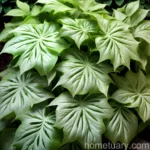
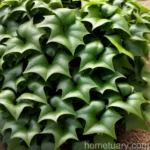
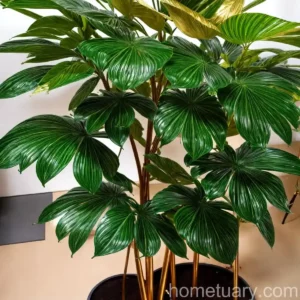
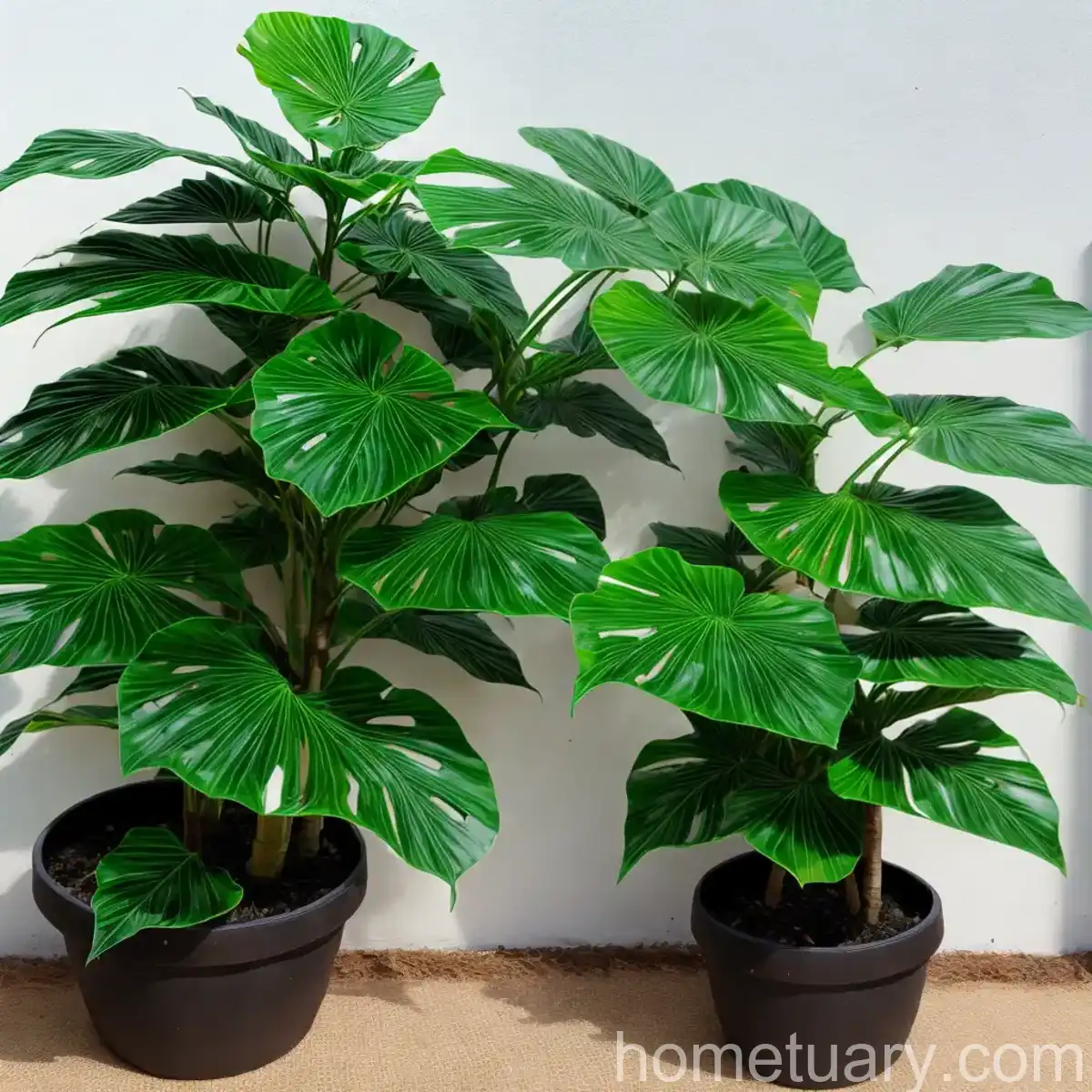
The rice-paper plant, scientifically known as Tetrapanax papyrifer, is a large, fast-growing shrub native to southern China and Taiwan. It belongs to the family Araliaceae and is characterized by its striking, deeply lobed leaves and impressive stature, often reaching heights of 10 to 15 feet (3 to 4.5 meters). The plant derives its common name from the traditional use of its pith to make rice paper in its native regions.
The rice-paper plant has gained popularity not only for its ornamental value but also for its cultural and ecological significance. Its large, palmate leaves and robust growth habit make it a prominent feature in gardens and landscapes, while its ecological benefits, such as air purification and wildlife attraction, further contribute to its appeal.
Key Takeaways – Rice-Paper Plant (Tetrapanax papyrifer)
Before diving into the specifics of cultivating and caring for the rice-paper plant, it is essential to understand some key takeaways that will guide our exploration of this fascinating botanical specimen.
Culture
- Scientific Name: Tetrapanax papyrifer
- Common Name: Rice-paper plant
- Family: Araliaceae
- Native Region: Southern China and Taiwan
Uses
- Ornamental landscaping
- Traditional paper-making
- Medicinal properties in traditional medicine
- Symbolic and cultural significance
Water
- Moderate to high water requirements
- Avoid waterlogged soil
Sunlight
- Prefers partial to full sun
- Tolerant of some shade
Fertilizer
- Regular feeding during the growing season
- Balanced, slow-release fertilizer
Soil
- Well-draining, rich soil
- Tolerant of various soil types
Pruning
- Prune to shape and control size
- Remove dead or damaged foliage
Propagation
- By seed
- Through division
- Root cuttings
Container Popularity
- Well-suited for large containers
- Ideal for tropical and subtropical gardens
Common Diseases
- Leaf spot
- Root rot
- Powdery mildew
Disease Diagnosis
- Visual inspection
- Consultation with a plant pathologist
- Soil and tissue testing
Common Pests
- Aphids
- Scale insects
- Spider mites
Botanist’s Tips
- Regular monitoring for pests and diseases
- Protect from frost in cooler climates
- Consider its potential invasiveness in suitable regions
Fun Facts
- The pith of Tetrapanax papyrifer has been historically used for making traditional rice paper in Asia.
- The plant’s large leaves and tropical appearance make it a striking addition to gardens and landscapes.
- It is considered an architecturally bold and aesthetically pleasing plant.
In the subsequent sections, we will address each of these key takeaways in detail, offering insights into the care and cultivation of the rice-paper plant to ensure its successful growth and maintenance.
Rice-Paper Plant Care
Caring for the rice-paper plant (Tetrapanax papyrifer) involves understanding its specific requirements in terms of water, sunlight, soil, and maintenance practices. By catering to these needs, you can ensure the optimal growth and vigor of this striking botanical specimen.
Tetrapanax papyrifer Growing Tips
Water
Proper watering is crucial for the health and vitality of the rice-paper plant. While it appreciates consistently moist soil, it is important to avoid waterlogging, which can lead to root rot and other issues.
-
Watering Frequency: Regular watering, especially during dry periods, is essential for the rice-paper plant. However, it is equally important to allow the soil to partially dry out between waterings to prevent waterlogged conditions.
-
Watering Method: Water the plant directly at the base to ensure that the root system receives an adequate amount of moisture. Avoid overhead watering, especially late in the day, to minimize the risk of fungal diseases.
-
Signs of Overwatering: Yellowing or wilting foliage, accompanied by soggy soil, may indicate overwatering. Adjust the watering regimen accordingly to prevent potential damage to the plant.
Sunlight
The rice-paper plant thrives in bright, indirect light or partial to full sun. It can tolerate some shade, especially during the hottest part of the day, but full sun exposure typically promotes robust growth and lush foliage.
-
Sunlight Requirements: Aim to provide the rice-paper plant with 4 to 6 hours of direct sunlight per day. In hotter climates, partial shade during the peak sun hours can prevent leaf scorching.
-
Indoor Care: When grown indoors, ensure that the plant receives ample light near a south- or west-facing window. Supplemental fluorescent or grow lights can be beneficial, especially during the winter months.
-
Outdoor Care: In outdoor settings, select a location with sufficient sunlight, preferably sheltered from strong winds, to prevent damage to the large leaves.
Fertilizer
Appropriate fertilization contributes to the rice-paper plant’s overall health and vigor. A balanced, slow-release fertilizer applied during the growing season can help sustain its growth and foliage abundance.
-
Fertilizer Type: Choose a general-purpose, balanced fertilizer with equal parts nitrogen, phosphorus, and potassium (N-P-K). Slow-release formulations can provide a steady supply of nutrients over an extended period, reducing the frequency of applications.
-
Application Frequency: Feed the rice-paper plant every 4 to 6 weeks during the growing season, typically from spring to early fall. Cease or reduce fertilization during the dormant winter period.
-
Application Method: Apply the fertilizer as directed on the product label, ensuring even distribution and avoiding direct contact with the plant’s foliage to prevent burning.
Soil
The rice-paper plant thrives in well-draining, nutrient-rich soil. While it exhibits some tolerance to various soil types, providing the ideal growing medium can optimize its growth and overall well-being.
-
Soil Composition: Use a well-draining potting mix or amend the existing soil with organic matter, such as compost or peat moss, to enhance its structure and fertility.
-
Acidity and Alkalinity: The plant adapts to a slightly acidic to slightly alkaline soil pH range, typically between 6.0 and 7.5. Periodic soil testing can help monitor and adjust the pH as needed.
-
Moisture Retention: The soil should retain adequate moisture without becoming waterlogged. Mulching the soil surface can help conserve moisture and regulate the temperature around the plant’s root zone.
Rice-Paper Plant Propagation
Propagating the rice-paper plant (Tetrapanax papyrifer) allows you to expand your collection or share this captivating specimen with fellow gardening enthusiasts. The plant can be propagated through several methods, offering flexibility in terms of resource availability and desired propagation outcomes.
-
Seed Propagation: While viable seeds are not always readily available, propagating the rice-paper plant from seeds provides a means of producing genetically diverse offspring. Start seeds indoors in a well-draining, moist potting mix, and maintain consistent moisture and warmth for successful germination.
-
Division: Dividing mature clumps of the rice-paper plant allows you to create new plants and rejuvenate older specimens. Carefully separate the roots and establish each division in its own container or planting site, ensuring that each division has a sufficient root system and foliage to support its growth.
-
Root Cuttings: Propagating the rice-paper plant from root cuttings offers a reliable method for generating new plants. Select healthy, actively growing roots, and cut them into segments of approximately 2 to 4 inches (5 to 10 cm), ensuring that each segment has at least one growth bud. Plant the cuttings in a well-draining rooting medium, maintaining adequate moisture and warmth to promote root development.
Tetrapanax papyrifer Cultivation
Cultivating the rice-paper plant (Tetrapanax papyrifer) involves creating an environment that accommodates its growth requirements and habits while considering its potential invasiveness in suitable regions.
-
Growth Rate: The rice-paper plant is known for its rapid growth, especially in favorable conditions. Regular monitoring and management are essential to prevent it from becoming invasive in climates where it can spread uncontrollably.
-
Winter Care: While the plant is relatively hardy, it may require protection from frost and freezing temperatures, especially in cooler climates. Consider providing winter mulching and temporary cover to shield the plant from cold damage.
-
Companion Planting: Pairing the rice-paper plant with complementary species can enhance the visual appeal and ecological benefits of the garden. Select shade-tolerant or moisture-loving plants as suitable companions for Tetrapanax papyrifer.
-
Landscape Arrangements: Incorporating the rice-paper plant into landscape designs can provide architectural interest and tropical allure. Its large, textured foliage and robust growth habit make it a striking focal point or background element in various garden styles.
Rice-Paper Plant Varieties
The primary species of the rice-paper plant is Tetrapanax papyrifer, known for its impressive foliage and stature. While it is the most commonly cultivated variety, there are some cultivars and selections that offer unique leaf coloration or growth habits.
-
‘Rex’: This cultivar features deeply lobed, palmate leaves with prominent veining and reaches similar heights as the species. The foliage may exhibit variations in color, ranging from vibrant green to reddish-tinged tones.
-
‘Steroidal Giant’: As the name suggests, this cultivar produces exceptionally large leaves, surpassing those of the typical species. It maintains the same growth requirements and habits while offering a more substantial foliage presence.
-
‘Aureus’: Known for its golden-yellow foliage, this cultivar adds a pop of color to the landscape. The variegated leaves provide contrast and visual interest, especially when planted alongside other green-leafed specimens.
Landscaping Ideas
Incorporating the rice-paper plant and its various cultivars into garden landscapes can yield visually captivating and ecologically beneficial arrangements. Consider the following landscaping ideas to showcase the plant’s ornamental appeal and integrate it seamlessly into diverse settings:
-
Tropical Oasis: Create a lush, tropical oasis by featuring the rice-paper plant alongside other bold-leaved species, such as elephant ears (Colocasia), cannas, and bananas. Emphasize a mix of textures and heights to evoke a verdant, tropical ambiance.
-
Architectural Accent: Use the rice-paper plant as a prominent architectural accent in the garden. Plant it in the background of flower beds or against structural elements to amplify its dramatic presence and create a captivating focal point.
-
Mixed Border: Integrate the rice-paper plant into mixed borders, combining it with flowering perennials, ornamental grasses, and other foliage plants. This approach introduces dynamic contrasts and seasonal interest, enriching the overall visual appeal of the planting scheme.
Disease Prevention and Pest Control
The health and vigor of the rice-paper plant (Tetrapanax papyrifer) can be compromised by various diseases and pest infestations. By proactively implementing preventive measures and prompt interventions, you can safeguard the plant’s well-being and minimize the risk of detrimental issues.
Rice-Paper Plant Disease Prevention
Disease prevention strategies are pivotal in maintaining the overall health and appearance of the rice-paper plant. Several common diseases and associated preventive measures are outlined below to facilitate proactive management:
-
Leaf Spot: Maintain good air circulation and avoid overhead watering to minimize leaf spot incidence. Remove and dispose of affected foliage promptly to prevent the spread of the disease.
-
Root Rot: Ensure proper drainage and avoid waterlogging to prevent the development of root rot. Select well-draining soil and containers with drainage holes to promote healthy root conditions.
-
Powdery Mildew: Monitor humidity levels and provide ample air movement to discourage powdery mildew formation. Fungal preventive sprays or treatments may be applied preventively in high-risk environments.
Tetrapanax papyrifer Pest Control
Pest infestations can weaken the rice-paper plant and negatively impact its growth and aesthetics. Vigilant monitoring and targeted control measures can help manage common pests effectively:
-
Aphids: Use a strong stream of water to dislodge aphids from the plant’s foliage. Consider introducing natural predators, such as ladybugs, to assist in aphid control.
-
Scale Insects: Physically remove scale insects from the plant using a soft brush or cotton swab dipped in rubbing alcohol. Monitor closely for any signs of reinfestation and take immediate action if detected.
-
Spider Mites: Regularly inspect the undersides of the rice-paper plant’s leaves for spider mite activity. Mitigate infestations by increasing humidity and utilizing biological control agents, such as predatory mites.
Pruning Techniques and Maintenance
Pruning is an essential aspect of maintaining the rice-paper plant’s form, size, and overall health. By employing proper pruning techniques and adhering to maintenance practices, you can promote a well-groomed and vigorous specimen.
-
Pruning Frequency: Conduct routine pruning as needed to remove dead, damaged, or diseased foliage. Additionally, shape the plant and control its size by selectively pruning unruly or excessive growth.
-
Pruning Method: Use clean, sharp pruning shears to make precise cuts, minimizing the risk of tearing and promoting rapid healing. Disinfect the pruning tools between cuts, especially when dealing with diseased areas, to prevent disease spread.
-
Maintenance Practices: Inspect the rice-paper plant regularly for any signs of pests, diseases, or nutrient deficiencies. Promptly address any issues that arise to maintain the plant’s overall vitality.
Container Gardening with Rice-Paper Plant
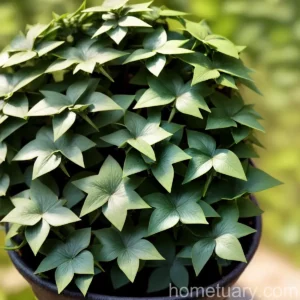
The rice-paper plant (Tetrapanax papyrifer) lends itself well to container gardening, allowing for its cultivation in a controlled environment while showcasing its ornamental features. Consider the following tips and guidelines for successfully growing the plant in containers:
-
Container Selection: Choose large, sturdy containers with sufficient drainage holes to accommodate the plant’s robust growth. Opt for containers made from durable materials, such as fiberglass or concrete, to support the plant’s size.
-
Soil and Potting Mix: Use a well-draining, nutrient-rich potting mix designed for outdoor container plants. Ensure that the soil medium provides adequate aeration and moisture retention to support the plant’s root system.
-
Watering Considerations: Container-grown rice-paper plants may require more frequent watering due to their limited soil volume. Monitor the soil moisture closely and adjust the watering frequency as needed to prevent drought stress or waterlogging.
-
Fertilization: Apply a balanced, slow-release fertilizer to container-grown rice-paper plants during the growing season to supply essential nutrients. Follow the recommended application rates and frequency specified by the fertilizer manufacturer.
-
Overwintering: In regions with cold winters, consider overwintering container-grown rice-paper plants indoors to protect them from frost and freezing temperatures. Choose a bright location with sufficient light, such as a greenhouse or a sunroom, to maintain the plant’s health during the winter months.
Botanist’s Tips for Successful Rice-Paper Plant Care
As a plant scientist with expertise in botanical cultivation and management, I offer the following tips to enhance the success of caring for the rice-paper plant (Tetrapanax papyrifer):
-
Monitor Pest and Disease Pressure: Regularly inspect the plant for signs of pests, diseases, and environmental stress. Early detection enables timely intervention, preventing significant damage to the plant.
-
Cultural Adaptation: Tailor the rice-paper plant’s care regimen to its specific growing environment. Be mindful of variations in climate, soil conditions, and light exposure to provide optimal conditions for the plant’s well-being.
-
Potential Invasiveness: In regions with favorable growing conditions, monitor the rice-paper plant’s growth to prevent potential invasiveness. Consider its tendency to spread aggressively and take appropriate management actions as needed.
-
Protect From Frost: Shield the plant from frost and freezing temperatures, especially in colder climates. Implement protective measures, such as temporary covering and winter mulching, to safeguard the plant from cold damage.
Fun Facts About the Rice-Paper Plant
Discover intriguing and captivating details about the rice-paper plant, shedding light on its cultural, ecological, and aesthetic significance:
-
Historical Paper-Making: The pith of Tetrapanax papyrifer has been historically used for making traditional rice paper in Asia, showcasing the plant’s cultural and utilitarian value.
-
Architectural Boldness: The rice-paper plant is admired for its large leaves and tropical appearance, often described as architecturally bold and aesthetically pleasing, making it an eye-catching addition to gardens and landscapes.
-
Botanical Diversity: This plant species belongs to the diverse family Araliaceae, which includes a wide range of ornamental and medicinal plants, contributing to its botanical significance.
Links to External Resources
Explore additional resources and information about the rice-paper plant (Tetrapanax papyrifer) through reputable sources and authoritative platforms:
- Royal Horticultural Society – Tetrapanax papyrifer cultivation guide
- Missouri Botanical Garden – Rice-paper plant care and propagation
- University of Florida IFAS Extension – Common landscape pests of rice-paper plant
- USDA National Invasive Species Information Center – Rice-paper plant invasiveness assessment
Conclusion
The rice-paper plant (Tetrapanax papyrifer) stands as a remarkable botanical specimen with its bold foliage, cultural significance, and ecological contributions. By understanding and implementing its specific care requirements, from water and sunlight to maintenance and pest control, you can foster the optimal growth and well-being of this captivating plant. Whether incorporated into ornamental landscapes, utilized for traditional practices, or admired for its striking features, the rice-paper plant remains a captivating and culturally rich addition to horticultural and botanical settings.
Through the guidance and insights provided in this comprehensive guide, you can embark on a rewarding journey of cultivating, caring for, and appreciating the rice-paper plant, enhancing your botanical knowledge and horticultural pursuits.
As a plant scientist, I am dedicated to sharing valuable knowledge and practical advice to support your endeavors in botanical cultivation and conservation. By embracing the beauty and significance of plants such as the rice-paper plant, we contribute to the preservation and celebration of nature’s wondrous diversity and cultural heritage.