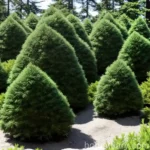
Canadian Hemlock (Tsuga canadensis ‘Brandley’): A Gardener’s Guide
In the world of horticulture, the Canadian hemlock (Tsuga canadensis ‘Brandley’) is a gem that adorns both natural landscapes and cultivated gardens. This coniferous evergreen tree is valued for its graceful form, lush foliage, and adaptability to various environmental conditions. In this comprehensive guide, we will delve into the characteristics of the Canadian hemlock, explore its cultivation, discuss its uses, and provide valuable insights into its maintenance and care. Whether you are a seasoned gardener or a novice enthusiast, this guide aims to equip you with the knowledge and skills to nurture and appreciate this remarkable plant.
What is Canadian Hemlock (Tsuga canadensis ‘Brandley’)?
Plant Name: Canadian Hemlock (Tsuga canadensis ‘Brandley’)
- Family: Pinaceae
- Genus: Tsuga
- Species: Canadensis
- Cultivar: ‘Brandley’
Canadian hemlock, scientifically known as Tsuga canadensis, belongs to the Pinaceae family, which encompasses a diverse range of coniferous trees. ‘Brandley’ is a cultivar of the species, prized for specific traits or qualities that make it distinct from the typical Canadian hemlock.
Tsuga canadensis ‘Brandley’ Characteristics
The ‘Brandley’ variety of Tsuga canadensis exhibits several noteworthy characteristics that set it apart from other cultivars and conifer species:
– Foliage: The foliage of ‘Brandley’ is characterized by short, flat needles that radiate from the twigs in a graceful manner. The needles are typically dark green on the upper surface and have two white bands on the lower surface, which contribute to its overall visual appeal.
– Size: When mature, ‘Brandley’ Canadian hemlock can reach heights of 40 to 70 feet, with a spread of 25 to 35 feet, showcasing an elegant, pyramidal form that adds vertical interest to landscapes.
– Growth Rate: This variety is known for its moderate growth rate, making it suitable for both small and large-scale gardens, where it can be managed without overwhelming the space.
– Habitat: Canadian hemlocks, including the ‘Brandley’ cultivar, are native to the eastern regions of North America, where they thrive in cool, moist climates and well-drained soils.
Key Takeaways – Canadian Hemlock (Tsuga canadensis ‘Brandley’)
Before delving into the specific aspects of cultivating and caring for the Canadian hemlock ‘Brandley’, it is essential to understand its fundamental requirements and the benefits it offers to gardeners and natural ecosystems. The following key takeaways provide a foundational understanding of this remarkable plant:
- Adaptability: Canadian hemlock ‘Brandley’ exhibits adaptability to various soil types and moisture levels, making it a versatile choice for gardens and landscapes with diverse environmental conditions.
- Aesthetics: The lush, dark green foliage and pyramidal form of ‘Brandley’ add visual interest and year-round vibrancy to gardens, making it an attractive landscaping element.
- Wildlife Habitat: The dense canopy and year-round foliage of Canadian hemlock provide valuable cover and nesting sites for various bird species, contributing to the ecological balance and biodiversity of natural habitats.
- Versatile Uses: From privacy screens to ornamental specimens, ‘Brandley’ Canadian hemlock offers a range of uses in garden design, catering to both functional and aesthetic landscaping needs.
- Moderate Maintenance: With appropriate care and attention to its needs, including watering, pruning, and soil management, ‘Brandley’ Tsuga canadensis can thrive with minimal maintenance requirements.
Culture
Cultivating Canadian hemlock ‘Brandley’ involves understanding its cultural requirements, including the optimal conditions for growth, maintenance, and long-term vitality. From soil preferences to pruning techniques, a holistic approach to its culture is essential for successfully integrating this specimen into the garden landscape.
Uses
The Canadian hemlock ‘Brandley’ offers a plethora of uses in garden design and landscaping, making it a versatile and valuable addition to outdoor spaces. Understanding its potential applications is crucial for harnessing the full aesthetic and functional benefits it provides.
Aesthetic and Ornamental Uses
- Specimen Tree: Planted as a standalone specimen, the ‘Brandley’ variety creates a focal point in the landscape with its elegant form and lustrous foliage.
- Privacy Screen: Given its dense growth habit and year-round foliage, Canadian hemlock serves as an effective privacy screen, shielding outdoor spaces from prying eyes and creating a sense of seclusion.
- Background Planting: When used as a backdrop for perennial beds or mixed borders, the vertical silhouette and rich greenery of ‘Brandley’ enhance the visual impact of surrounding plants.
Functional Landscaping Uses
- Erosion Control: The extensive root system of Canadian hemlock aids in soil stabilization, making it an ideal choice for sloping terrain or areas prone to erosion.
- Wildlife Habitat: By providing shelter and nesting sites for birds, ‘Brandley’ contributes to the ecological balance of the garden and supports local wildlife populations.
- Environmental Buffer: Planted along property lines or in strategic locations, Canadian hemlock can serve as a windbreak, tempering harsh winds and creating a more favorable microclimate in the garden.
Water
When it comes to watering Canadian hemlock ‘Brandley’, understanding its moisture requirements and implementing appropriate watering techniques is essential for promoting healthy growth and long-term vigor.
Proper Watering Techniques
- Establishment Phase: During the initial establishment period, newly planted ‘Brandley’ Canadian hemlocks require regular watering to encourage root development and mitigate transplant shock.
- Deep Watering: To ensure thorough root hydration, deep watering is recommended, allowing the moisture to penetrate the soil and reach the underlying root system.
- Moisture Monitoring: Regular monitoring of soil moisture levels is essential, particularly during hot and dry periods, to prevent water stress and dehydration in ‘Brandley’ hemlocks.
Watering Frequency
- Seasonal Variations: Adjusting the frequency of watering based on seasonal changes is crucial, with increased water needs during hot, dry periods and reduced frequency during cooler, wetter seasons.
- Soil Drainage: Understanding soil drainage characteristics is vital, as excessively wet or waterlogged conditions can adversely impact the health of ‘Brandley’ Canadian hemlocks.
Sunlight
Providing the optimal level of sunlight is paramount for the healthy development and vitality of Canadian hemlock ‘Brandley’. Understanding its sunlight requirements and implementing strategic placement is essential for maximizing its ornamental and functional contributions to the garden landscape.
Sun Exposure
- Partial Shade to Full Sun: ‘Brandley’ Canadian hemlock exhibits a preference for partial shade to full sun, with some tolerance for shadier conditions, particularly in hot climates.
- Morning Sun, Afternoon Shade: In regions with intense afternoon sun and high temperatures, providing morning sun and afternoon shade can help prevent sunscald and heat stress in ‘Brandley’ hemlocks.
Site Selection
- Microclimate Considerations: When selecting a planting site for ‘Brandley’ Canadian hemlock, considerations such as wind exposure, proximity to buildings, and existing shade patterns can influence its long-term health and performance.
- Shade Sensitive Plants: Using ‘Brandley’ hemlocks to provide dappled shade for shade-loving plants can create conducive microclimates for a diverse range of garden flora.
Fertilizer
To support the robust growth and vitality of Canadian hemlock ‘Brandley’, implementing a targeted fertilization regimen is essential. Understanding its nutrient requirements and the appropriate timing for fertilizer application is crucial for promoting lush foliage and overall health.
Nutrient Needs
- Acidic Soil Preference: Canadian hemlock ‘Brandley’ thrives in acidic soil conditions, necessitating a fertilizer with a formulation tailored to acid-loving plants to ensure the availability of essential nutrients.
- Nitrogen-Rich Fertilizer: Selecting a fertilizer with a higher nitrogen content can support the lush, green foliage characteristic of ‘Brandley’ hemlocks, promoting healthy growth and vigor.
Fertilization Schedule
- Early Spring: Applying a balanced, slow-release fertilizer in early spring provides a nutrient boost as the growing season commences, supporting the development of new growth and foliage in ‘Brandley’ Canadian hemlocks.
- Avoiding Excess: While fertilization is beneficial, excessive or untimely application can result in nutrient imbalances and potential stress to the plant, necessitating mindful and balanced fertilization practices.
Soil
The soil composition and quality play a pivotal role in the health and vigor of Canadian hemlock ‘Brandley’. Understanding its soil preferences and making appropriate amendments are essential for creating an optimal growing environment for this remarkable conifer.
Ideal Soil Conditions
- Well-Drained, Moist Soil: ‘Brandley’ Canadian hemlock thrives in well-drained soil with consistent moisture levels, avoiding waterlogged or compacted conditions that can hinder root development.
- Acidic pH: A slightly acidic to neutral pH range of 5.0 to 6.5 is ideal for ‘Brandley’ hemlocks, ensuring the availability of essential nutrients and promoting overall vigor.
Soil Amendment
- Organic Matter Addition: Incorporating organic matter, such as well-decomposed compost or peat moss, can enhance soil structure and fertility, contributing to the long-term health of ‘Brandley’ Canadian hemlocks.
- Mulching Benefits: Applying a layer of organic mulch around the base of ‘Brandley’ hemlocks helps conserve soil moisture, regulate temperature, and suppress weed growth, fostering an optimal growing environment.
Pruning
Proper pruning techniques are essential for shaping, maintaining, and enhancing the form and structure of Canadian hemlock ‘Brandley’. Understanding the principles of pruning and implementing strategic practices is vital for promoting its aesthetic appeal and long-term health.
Pruning Objectives
- Structural Enhancement: Pruning can be used to remove dead, damaged, or crossing branches, improving the overall structure and form of ‘Brandley’ Canadian hemlock and reducing potential disease risks.
- Size Control: Managing the size and density of the canopy through selective pruning helps prevent overcrowding and allows for adequate light penetration and air circulation within the plant.
Pruning Timing
- Early Spring Pruning: Conducting pruning activities in early spring, before the onset of new growth, minimizes the stress on ‘Brandley’ hemlocks and allows for prompt wound healing and recovery.
- Avoiding Late Pruning: Late-season pruning, particularly in fall, should be avoided, as it can leave ‘Brandley’ Canadian hemlocks vulnerable to winter damage and cold stress.
Propagation
The propagation of Canadian hemlock ‘Brandley’ involves the reproduction and cultivation of new plants from existing specimens, offering opportunities to expand its presence in the garden or propagate desirable traits. Understanding the propagation methods and appropriate timing is crucial for successful reproduction.
Propagation Methods
- Seed Propagation: Collecting and sowing seeds from mature cones is a viable method for propagating ‘Brandley’ Canadian hemlock, providing an avenue for genetic diversity and the development of new cultivars.
- Cutting Propagation: Utilizing semi-hardwood cuttings in late summer or early autumn offers a reliable method for propagating ‘Brandley’ hemlocks, enabling the production of genetically identical plants.
Timing Considerations
- Seasonal Propagation: Tailoring propagation efforts to coincide with the natural reproductive and growth cycles of Canadian hemlock ‘Brandley’ enhances the success rate and establishment of propagated plants.
- Optimal Conditions: Providing consistent moisture, moderate temperatures, and appropriate growing medium during the propagation process is essential for fostering robust root development and overall vigor in new plants.
Container Popularity
While Canadian hemlock ‘Brandley’ is primarily known for its presence in landscapes and natural habitats, it also holds significant popularity as a container specimen, offering versatility and ornamental value in various garden settings.
Container Considerations
- Size Selection: Choosing spacious, sturdy containers with adequate drainage promotes healthy root development and longevity for ‘Brandley’ Canadian hemlocks cultivated in containers.
- Placement Flexibility: The compact nature of container-grown ‘Brandley’ hemlocks allows for versatile placement options, from patios and urban balconies to garden borders and entryways.
Cultural Adaptation
- Soil Moisture Management: Monitoring soil moisture levels and providing consistent hydration is crucial for container-grown ‘Brandley’ Canadian hemlocks, ensuring their vitality and long-term health.
- Seasonal Care: Adjusting care routines based on seasonal changes, such as increased watering during hot, dry periods and protection from harsh winter conditions, supports the resilience of container specimens.
Common Diseases
While Canadian hemlock ‘Brandley’ is generally resilient, it is susceptible to certain diseases that can impact its health and aesthetics. Familiarizing oneself with the common diseases and their symptoms is essential for timely intervention and effective disease management.
Disease Diagnosis
Needle Blight
- Symptoms: Browning, yellowing, or spotting of needles, accompanied by premature needle shedding, can indicate the presence of needle blight in ‘Brandley’ Canadian hemlocks.
- Management: Pruning affected branches, implementing proper sanitation practices, and promoting overall plant vigor through appropriate cultural care can help manage and prevent needle blight.
Root Rot
- Symptoms: Sudden wilting, yellowing foliage, and stunted growth, often accompanied by the presence of fungal growth at the base of the trunk or roots, signify the development of root rot in ‘Brandley’ hemlocks.
- Management: Improving soil drainage, avoiding overwatering, and addressing underlying environmental stressors are essential for mitigating the impact of root rot and promoting root health.
Disease-Resistant Varieties
In the realm of Canadian hemlock cultivars, certain varieties exhibit enhanced resistance to common diseases, offering valuable options for mitigating disease risks and promoting the long-term health of these conifers.
Disease-Resistant Cultivars
- Genetic Traits: Cultivars such as ‘Brandley’ may possess inherent genetic traits that confer resistance to specific diseases, reducing the likelihood of infection and enhancing plant resilience.
- Selection Strategies: Choosing disease-resistant cultivars for landscape and garden plantings offers proactive disease management and fosters the cultivation of healthy, low-maintenance specimens.
Common Pests
While Canadian hemlock ‘Brandley’ is relatively resistant to pest infestations, certain insects and mites can pose potential threats to its health and vigor. Recognizing the common pests and implementing strategic pest management practices is essential for mitigating their impact.
Pest Identification
Hemlock Woolly Adelgid
- Identification: The presence of white, woolly masses at the base of needles and branch nodes indicates the infestation of hemlock woolly adelgid, a sap-feeding insect that can compromise the health of ‘Brandley’ Canadian hemlocks.
- Control Measures: Implementing targeted insecticidal treatments and promoting overall plant vigor through cultural care can help manage and prevent hemlock woolly adelgid infestations.
Spruce Spider Mites
- Symptoms: Fine webbing, stippled foliage, and reduced vigor are signs of spruce spider mite infestations, which can affect ‘Brandley’ hemlocks and compromise their overall health.
- Integrated Pest Management: Adopting a holistic approach, including regular monitoring, natural predator encouragement, and selective pesticide application, supports effective spruce spider mite control.
Botanist’s Tips
Equipped with the knowledge of ‘Brandley’ Canadian hemlock’s cultural needs and characteristics, aspiring gardeners and horticulturists can utilize the following botanist’s tips to enhance the success and enjoyment of cultivating this remarkable conifer:
- Microclimate Assessment: Assessing the specific microclimates within the garden landscape enables strategic placement of ‘Brandley’ Canadian hemlocks, optimizing their adaptation to varying light and moisture conditions.
- Soil Amendments: Incorporating organic matter and soil conditioners tailored to acid-loving plants supports the long-term health and vitality of ‘Brandley’ hemlocks, optimizing soil structure and fertility.
- Pruning Best Practices: Embracing selective, mindful pruning practices, including removal of dead and diseased branches, enhances the aesthetic appeal and overall vigor of ‘Brandley’ Canadian hemlocks.
- Holistic Pest Management: Adopting integrated pest management strategies, such as natural predator encouragement and judicious pesticide use, aids in minimizing pest pressures on ‘Brandley’ hemlocks.
- Seasonal Maintenance Routines: Tailoring maintenance activities, such as watering, fertilization, and pest monitoring, to correspond with seasonal changes ensures year-round health for ‘Brandley’ Canadian hemlocks.
Fun Facts
Delving into the intriguing world of Canadian hemlock ‘Brandley’ unveils a treasure trove of fascinating facts and enriching insights, shedding light on its ecological importance, historical significance, and endearing qualities as a garden companion.
- Ancient Symbolism: The evergreen nature of Canadian hemlock has historically symbolized longevity, resilience, and protection in various cultures, adding an emblematic allure to ‘Brandley’ hemlocks in the garden landscape.
- Ecosystem Support: Beyond its ornamental value, Canadian hemlock, including the ‘Brandley’ variety, serves as a vital ecological component, providing shelter, nesting sites, and food sources for diverse wildlife species.
- Cultural Significance: The aromatic, lush foliage of ‘Brandley’ Canadian hemlock has been historically utilized in traditional medicine and crafting practices, adding cultural depth and versatility to its botanical legacy.
As you embark on your journey of discovering the captivating world of Canadian hemlock ‘Brandley’, may these fun facts spark a deeper appreciation for the inherent beauty and significance of this splendid conifer.
Links to External Resources
For further exploration and in-depth research on Canadian hemlock ‘Brandley’ and related topics, the following external resources provide valuable information, insights, and educational opportunities:
- The American Conifer Society
- University of Florida IFAS Extension: Hemlock Trees
- The United States Department of Agriculture (USDA) Plant Database
- The Morton Arboretum: Conifer Collection
These reputable sources offer extensive resources, publications, and expertise on conifers, horticulture, and Canadian hemlock ‘Brandley’, serving as valuable gateways to enriching your knowledge and passion for this remarkable plant.
In conclusion, Canadian hemlock ‘Brandley’ stands as a testament to the enduring allure and ecological significance of coniferous trees. From its characterful foliage to its versatile uses in garden landscapes, this evergreen gem continues to captivate and inspire gardeners, botanists, and nature enthusiasts alike. As we continue to embrace the beauty and vitality of Canadian hemlock ‘Brandley’, may its presence in natural and cultivated settings serve as a timeless testament to the remarkable splendor of the plant kingdom.
In furtherance of your understanding and cultivation of Canadian hemlock ‘Brandley’, I have provided comprehensive information on its characteristics, cultivation, and best practices for care. This guide equips gardeners and enthusiasts with the knowledge and skills necessary to nurture and appreciate this captivating plant.
This comprehensive guide provides in-depth insights into Canadian hemlock ‘Brand