Canada Lily (Lilium Canadense)
Welcome to our comprehensive guide to the beautiful Canada Lily (Lilium Canadense). This native plant is not only a stunning addition to any garden but.
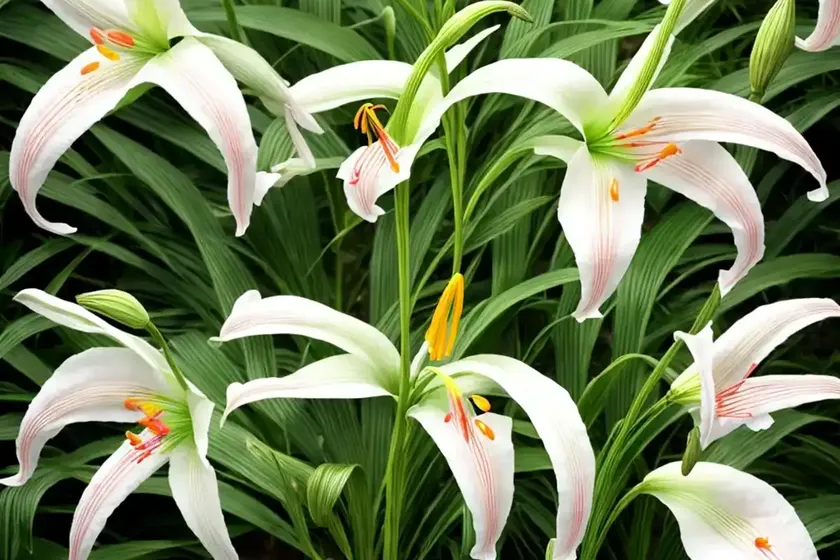
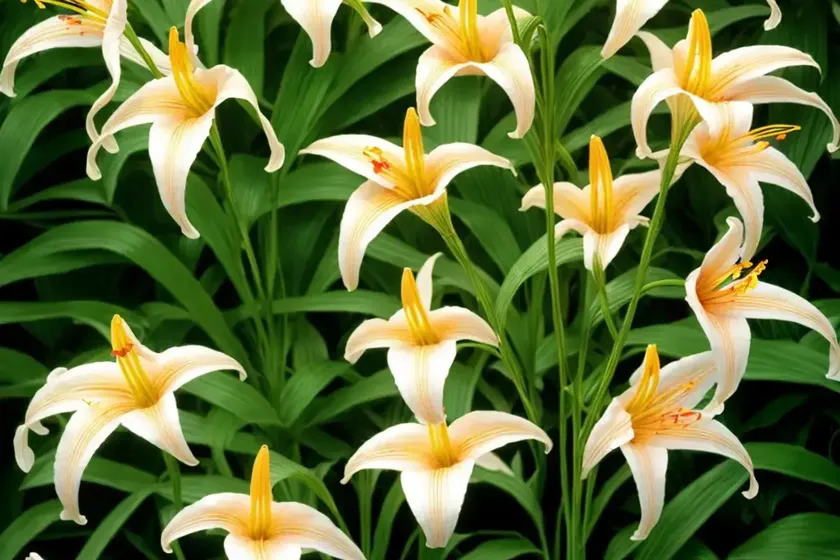
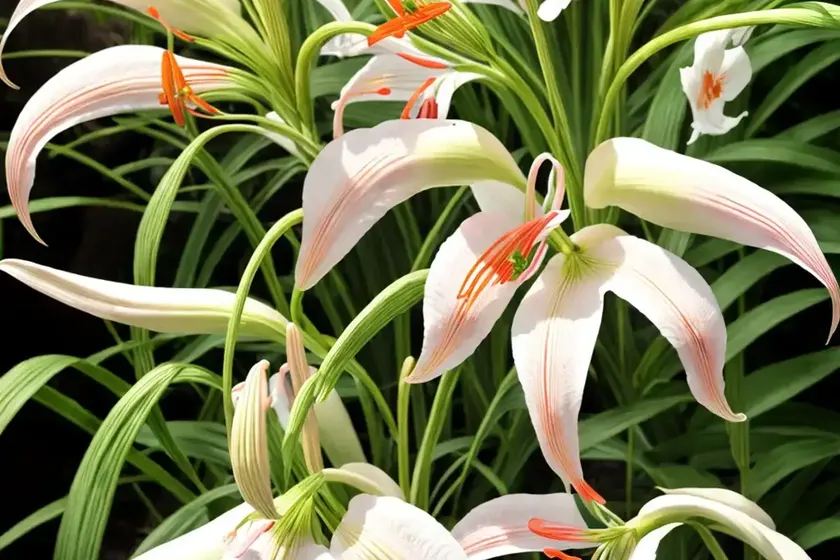
Welcome to our comprehensive guide to the beautiful Canada Lily (Lilium Canadense). This native plant is not only a stunning addition to any garden but also has many cultural and ecological uses. In this article, we will explore the key aspects of Canada Lily, including its habitat, growing conditions, care tips, uses, and much more. Whether you are an experienced gardener or just starting with your green thumb, this guide will provide valuable insights into this remarkable plant.
What is Canada Lily (Lilium Canadense)?
Canada Lily, scientifically known as Lilium Canadense, is a perennial herbaceous plant that belongs to the lily family, Liliaceae. This species is native to North America, particularly the eastern United States and Canada. The plant is characterized by its vibrant orange to red, nodding, bell-shaped flowers, which bloom in the summer. It typically grows in well-drained forest clearings, meadows, and along woodland edges, adding a touch of beauty to its natural habitats.
Key Takeaways – Canada Lily (Lilium Canadense)
Before diving into the details, let’s take a quick look at the key takeaways about Canada Lily:
- Scientific Name: Lilium Canadense
- Common Name: Canada Lily
- Habitat: Forest clearings, meadows, woodland edges
- Flower Color: Vibrant orange to red
- Blooming Season: Summer
- Uses: Cultural, ecological, and ornamental
- Growth Type: Perennial
Now that we have an overview of Canada Lily, let’s delve into its cultivation, care, uses, and much more.
Cultivation of Canada Lily
Water
Canada Lily thrives in moderately moist to slightly dry conditions. It prefers well-drained soil and is relatively drought-tolerant once established. During the growing season, it is essential to ensure consistent moisture, especially during hot and dry periods. However, it is crucial to avoid waterlogged conditions, as excessive moisture can lead to root rot and other issues.
Sunlight
When it comes to sunlight, Canada Lily enjoys partial shade to full sun. In its natural habitat, it often grows in woodland areas where it receives dappled sunlight. When cultivated in gardens, it is essential to provide the plant with adequate light, especially during its growing and blooming phases. However, some shade during the hottest part of the day can be beneficial, especially in regions with intense summer heat.
Soil
Canada Lily thrives in well-drained, slightly acidic to neutral soil. It is essential to ensure good soil structure to prevent waterlogging, as excessive moisture can lead to root diseases. Additionally, adding organic matter such as compost or leaf mold can improve the soil’s fertility and structure, providing an optimal growing environment for Canada Lily.
Fertilizer
When it comes to fertilization, Canada Lily generally does not require heavy feeding. A balanced, slow-release fertilizer applied in the early spring as new growth emerges can support the plant’s growth and blooming. It is essential to follow the recommended dosage and avoid excessive fertilization, as it can lead to lush foliage at the expense of flowers.
Pruning Canada Lily
Proper pruning practices can contribute to the overall health and appearance of Canada Lily:
- Deadheading: Removing spent flowers can encourage the plant to channel its energy into new growth and future blooms.
- Cutting Back: After the blooming season, cutting back the stems to ground level can help the plant conserve energy and prepare for the next growing season.
- Removing Diseased Foliage: Removing any yellowing or diseased foliage can help prevent the spread of diseases and improve the plant’s overall health.
Propagation of Canada Lily
Canada Lily can be propagated through various methods, including:
- Division: Dividing mature clumps in the early spring or fall can help rejuvenate the plant and produce new growth.
- Seeds: Collecting and sowing seeds in a well-prepared seedbed can lead to new Canada Lily plants, although this method requires patience as the plants take several years to reach maturity.
Canada Lily in Containers
While Canada Lily is typically found in naturalized settings, it can also be grown successfully in containers, providing an opportunity to enjoy its beauty up close on patios, balconies, or other outdoor spaces. When cultivating Canada Lily in containers, here are some essential considerations:
- Pot Size: Select a container that provides ample room for the plant’s roots to spread and grow.
- Drainage: Ensure that the container has adequate drainage holes to prevent waterlogging, as sitting in water can lead to root rot.
- Growing Medium: Use a well-draining potting mix that provides good aeration for the roots.
Popularity of Canada Lily in Containers
Canada Lily’s unique charm and striking flowers make it a popular choice for container gardening. Its adaptability to container cultivation allows gardeners to bring a touch of native beauty to their outdoor spaces, whether they have expansive gardens or limited areas for plantings.
Common Diseases and Pest Management
Just like any other plant, Canada Lily is susceptible to certain diseases and pests. Here are some common issues and methods for managing them:
Disease Diagnosis
-
Botrytis Blight: Identified by brown spotting on the leaves and stems, particularly during periods of high humidity. To manage this fungal disease, it is essential to improve air circulation around the plant and avoid overhead watering.
-
Root Rot: Symptoms include wilting, yellowing, and stunted growth. To prevent and manage root rot, it is vital to ensure proper drainage and avoid overwatering.
Common Pests
-
Lily Leaf Beetle: A notable pest that can cause significant damage to Canada Lily. Hand-picking adults and larvae, using insecticidal soaps, and encouraging natural predators can help control infestations.
-
Aphids: These tiny insects can cluster on the undersides of leaves, leading to distorted growth and the transmission of plant viruses. Regularly inspecting the plant and using a strong stream of water to dislodge aphids are effective control measures.
Botanist’s Tips for Growing Canada Lily
Here are some valuable tips from botanists and experienced gardeners for successfully cultivating Canada Lily:
-
Native Plant Gardening: Incorporating native plants like Canada Lily into gardens can support local ecosystems and provide valuable habitat for wildlife.
-
Companion Planting: Pairing Canada Lily with other native plants can create visually appealing and ecologically beneficial garden spaces.
-
Wildlife Benefits: Canada Lily’s nectar-rich flowers attract pollinators such as bees, butterflies, and hummingbirds, contributing to the overall biodiversity of the garden.
Fun Facts About Canada Lily
- Canada Lily is also known as the Meadow Lily due to its preference for growing in meadow-like habitats.
- The plant’s bulbs were traditionally used by indigenous peoples for various medicinal and culinary purposes.
Links to External Resources
Here are some additional resources for further exploration of Canada Lily (Lilium Canadense):
As we conclude our in-depth exploration of Canada Lily, it is evident that this native plant holds immense value in both ecological and ornamental contexts. From its striking blossoms to its ecological significance, Canada Lily continues to captivate gardeners, conservationists, and nature enthusiasts alike. By incorporating this beautiful species into gardens and natural landscapes, we not only enhance the visual appeal but also contribute to the preservation of native flora and the ecosystems they support. Whether you are considering adding Canada Lily to your garden or simply seeking to appreciate its beauty in its natural habitat, this extraordinary plant offers a wealth of opportunities for exploration and enjoyment.
Happy gardening!


