Campanula carpatica ‘White Clips’ (Carpathian Bellflower): A Complete Guide
Campanula carpatica ‘White Clips’, commonly known as the Carpathian Bellflower, is a stunning perennial plant that adds a touch of elegance and beauty to any garden or landscape. With its delicate blossoms and low-growing habit, this plant has gained popularity among gardeners and landscaping enthusiasts. In this comprehensive guide, we will delve into the culture, uses, care requirements, and interesting facts about the Campanula carpatica ‘White Clips’. Let’s explore the mesmerizing world of this charming plant.
What is Campanula carpatica ‘White Clips’?
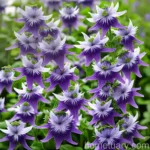
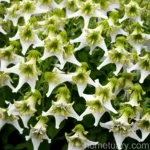
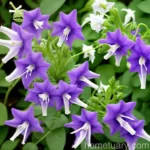
Campanula carpatica ‘White Clips’ is a member of the Campanulaceae family and is native to the Carpathian Mountains in Central and Eastern Europe. This petite perennial plant is cherished for its profusion of delicate, star-shaped, white flowers that bloom profusely during the summer months. The botanical name “Campanula” is derived from the Latin word for “little bell,” a reference to the bell-shaped flowers that are characteristic of plants in this genus. The specific epithet “carpatica” is a nod to its native habitat in the Carpathian Mountains.
The ‘White Clips’ variety is a selection of Campanula carpatica known for its pure white blossoms, adding a touch of elegance and serenity to any garden setting. It forms low mounds of foliage, making it a perfect choice for edging, rock gardens, or cascading over walls.
Key Takeaways – Campanula carpatica ‘White Clips’
Before we dive deeper into the specifics of caring for the Carpathian Bellflower, let’s outline some key takeaways about this enchanting plant.
- Scientific Name: Campanula carpatica ‘White Clips’
- Common Name: Carpathian Bellflower
- Family: Campanulaceae
- Native Habitat: Carpathian Mountains, Central and Eastern Europe
- Characteristics: Low-growing, mounding habit with white, bell-shaped flowers
- Uses: Edging, borders, rock gardens, containers
- Blooming Season: Summer
- Sunlight: Full sun to partial shade
- Watering Needs: Moderate
- Soil Type: Well-draining, fertile soil
- Maintenance: Low to moderate
- Special Features: Wildlife attraction, long-lasting blooms
Now that we’ve captured an overview of Campanula carpatica ‘White Clips’, let’s delve into the specific aspects of its culture and care.
Culture
Cultivating Campanula carpatica ‘White Clips’ requires an understanding of its cultural preferences, including water, sunlight, soil, and fertilizer needs. By providing the optimal growing conditions, you can ensure that this charming plant thrives and graces your garden with its mesmerizing blooms.
Uses
The versatile nature of Campanula carpatica ‘White Clips’ makes it a valuable addition to various garden settings and landscaping designs. Here are some common uses of this delightful plant:
- Edging: Its low, mounding habit and profusion of flowers make it an ideal choice for edging pathways, garden beds, or along borders.
- Rock Gardens: The compact growth and exquisite blossoms of ‘White Clips’ complement the rugged beauty of rock gardens, adding a soft, delicate touch to the landscape.
- Containers: This plant is well-suited for container gardening, where it can spill over the edges of pots, adding a graceful charm to patio or balcony settings.
- Borders: Whether in formal or informal garden borders, the Carpathian Bellflower creates a stunning display of pure white blooms, enhancing the visual appeal of the landscape.
Now, let’s explore the specific care requirements for nurturing Campanula carpatica ‘White Clips’.
Water
Proper watering is essential for the health and vitality of Campanula carpatica ‘White Clips’. While these plants do not thrive in waterlogged conditions, they require consistent moisture to support their growth and blooming. Here are some guidelines for watering the Carpathian Bellflower:
- Consistent Moisture: Provide regular, moderate watering, especially during dry periods, to ensure the soil remains evenly moist but not waterlogged.
- Mulching: Applying a layer of organic mulch around the plants helps in retaining soil moisture and regulates the temperature, benefiting the overall health of the plants.
Sunlight
The ideal balance of sunlight is crucial for the optimal growth and blooming of Campanula carpatica ‘White Clips’. Understanding its sunlight requirements will help in choosing the right planting location and ensuring that the plant flourishes. Here are some guidelines for sunlight exposure:
- Full Sun to Partial Shade: ‘White Clips’ thrives in locations with full sun to partial shade. In cooler climates, it can tolerate more sun, while in warmer regions, providing some shade during the hottest part of the day is beneficial.
Fertilizer
While Campanula carpatica ‘White Clips’ is not particularly heavy feeders, providing a balanced fertilizer can enhance its blooming and overall vigor. Here are some recommendations for fertilizing this lovely perennial:
- Balanced Fertilizer: Use a balanced, all-purpose fertilizer, applying it in early spring as new growth emerges. Follow the manufacturer’s instructions regarding application rates and methods.
Soil
The soil composition plays a significant role in the health and growth of Campanula carpatica ‘White Clips’. It’s essential to understand the soil requirements of this plant to ensure that it thrives in your garden or landscape. Here are some guidelines for soil conditions:
- Well-draining Soil: ‘White Clips’ prefers moist, well-draining soil to prevent waterlogging, which can lead to root rot and other issues.
- Fertile Soil: Amending the soil with organic matter such as compost or well-rotted manure contributes to its fertility and overall health.
Pruning
Pruning is an essential aspect of maintaining the health, appearance, and longevity of Campanula carpatica ‘White Clips’. Understanding the proper techniques for pruning and deadheading will help in promoting continuous blooming and preventing the plant from becoming unkempt.
Deadheading
Removing spent flowers, a practice referred to as deadheading, is beneficial for Campanula carpatica ‘White Clips’ as it encourages the formation of new blooms and prolongs the flowering period. Here’s how to deadhead the Carpathian Bellflower:
- Regular Removal: Periodically remove faded flowers by pinching or cutting them back to a lateral bud or set of leaves. This not only maintains the plant’s appearance but also stimulates the production of new flower buds.
Pruning
Proper pruning helps in shaping the plant, controlling its size, and promoting a dense, compact habit. Here are some tips for pruning Campanula carpatica ‘White Clips’:
- Spring Pruning: In early spring, trim back any damaged or leggy growth to encourage new, healthy growth and shape the plant.
- Rejuvenation Pruning: Every few years, consider rejuvenation pruning by cutting the entire plant back to about 2 inches above the soil level. This helps in revitalizing older plants and promoting vigorous new growth.
Propagation
Propagating Campanula carpatica ‘White Clips’ allows you to expand your plant collection or share this beautiful species with fellow gardening enthusiasts. Understanding the propagation methods and best practices is essential for successfully propagating this charming perennial.
Division
Division is a common and effective method for propagating Campanula carpatica ‘White Clips’, especially when rejuvenating older clumps or creating new plants. Here’s how to propagate this plant through division:
- Spring Division: In early spring, carefully dig up the plant and gently tease apart the root ball into smaller sections, each with healthy roots and shoots.
- Replanting: Plant the divided sections in prepared soil, water them thoroughly, and provide the appropriate care to support their establishment and growth.
Container Popularity
The compact size, abundant blooms, and low-maintenance nature of Campanula carpatica ‘White Clips’ make it a popular choice for container gardening. Whether in individual containers or mixed plantings, this plant adds a touch of elegance to any outdoor space. Here are some reasons for its popularity in containers:
- Size: ‘White Clips’ has a compact growth habit, making it well-suited for small to medium-sized containers.
- Versatility: It complements a wide range of container designs and styles, from traditional terracotta pots to modern planters.
- Low Maintenance: This plant requires minimal care, making it an ideal choice for busy gardeners or those new to container gardening.
Container Common Diseases
While Campanula carpatica ‘White Clips’ generally maintains good health and resists many common diseases, it is essential to be aware of potential issues that can affect plants grown in containers. Here are some common diseases that may impact Carpathian Bellflowers in containers:
- Root Rot: Overwatering or poorly-draining soil can lead to root rot, causing the plant to wilt, decline, or develop yellowing leaves.
- Powdery Mildew: In humid or poorly ventilated conditions, powdery mildew may develop, appearing as a white, powdery coating on the leaves, which can hinder plant growth and blooming.
Disease Diagnosis
Diagnosing and addressing plant diseases promptly are essential for preventing the spread of infections and preserving the health of Campanula carpatica ‘White Clips’. Here are some common signs and symptoms of diseases that may affect this plant:
- Yellowing or Browning Leaves: Discoloration of the foliage can indicate various issues, including nutrient deficiencies, water stress, or disease.
- Wilting: Sudden or persistent wilting of the plant despite adequate moisture may indicate root diseases such as rot or fungal infections.
- Abnormal Growth: Misshapen, stunted, or distorted growth may be attributable to viral infections or environmental stressors.
Common Pests
While Campanula carpatica ‘White Clips’ is relatively resistant to most pests, certain insects may occasionally pose a threat to its health. Identifying and addressing pest issues promptly is crucial for preventing damage and preserving the beauty of this charming plant. Here are some common pests that may affect the Carpathian Bellflower:
- Aphids: These small, soft-bodied insects may gather on the undersides of leaves, sucking plant sap and causing distortion or yellowing of the foliage.
- Slugs and Snails: These pests are particularly attracted to the tender foliage of Campanula carpatica ‘White Clips’, feeding on the leaves and flowers, which can result in visible damage.
Botanist’s Tips
Understanding the unique characteristics and care requirements of Campanula carpatica ‘White Clips’ empowers you to cultivate this plant successfully and enjoy its beauty in your garden or landscape. Here are some expert tips to help you make the most of growing and caring for this delightful perennial:
- Well-draining Soil: Ensure that the planting site or container has well-draining soil to prevent waterlogging, which can lead to root rot and other issues.
- Mulching: Apply a layer of organic mulch around the base of the plant to conserve moisture, regulate soil temperature, and suppress weed growth.
- Regular Deadheading: Make it a habit to deadhead spent flowers regularly to promote continuous blooming and maintain the plant’s appearance.
- Spring Pruning: Perform spring pruning to remove any damaged or leggy growth and encourage the plant to produce new, healthy shoots and blooms.
- Division Opportunity: Consider dividing older clumps of Campanula carpatica ‘White Clips’ in spring to rejuvenate the plants and create new specimens for your garden or to share with others.
Fun Facts
As we explore the unique attributes and care requirements of Campanula carpatica ‘White Clips’, here are some delightful and intriguing facts about this captivating plant:
- Wildlife Attraction: The profusion of blooms on Carpathian Bellflowers attracts pollinators such as bees and butterflies, contributing to the ecological diversity of the garden.
- Long-lasting Blooms: The white, bell-shaped flowers of ‘White Clips’ persist for an extended period, providing weeks of visual delight and enhancing the beauty of the landscape.
- Cultural Significance: In some cultures, Campanula species are associated with positive symbolism, often representing gratitude, humility, or enduring love.
Links to External Resources
For further exploration of Campanula carpatica ‘White Clips’ and related topics, here are some valuable external resources:
- Royal Horticultural Society – Growing Campanula
- University of Vermont Extension – Carpathian Bellflower Fact Sheet
- North Carolina State University Extension – Campanula Diseases
- Missouri Botanical Garden – Campanula carpatica Information
In conclusion, Campanula carpatica ‘White Clips’ (Carpathian Bellflower) is a charming and graceful perennial plant that enriches garden landscapes with its abundant, white blossoms and low-growing, mounding habit. Understanding its culture, care requirements, and unique characteristics equips you to cultivate and appreciate this captivating species in your own garden. Whether planted in rock gardens, containers, or garden borders, the Carpathian Bellflower adds an element of elegance and timeless beauty to any outdoor space. With the proper care and attention, you can enjoy the enduring allure of Campanula carpatica ‘White Clips’ in your garden for many seasons to come.
With its long-lasting blooms and versatile nature, it’s no wonder that the Carpathian Bellflower holds a special place in the hearts of gardening enthusiasts. As you embark on the journey of growing and caring for Campanula carpatica ‘White Clips’, may the tranquility and grace of this exquisite plant bring joy and serenity to your outdoor oasis.