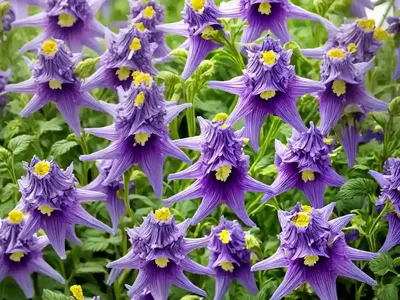
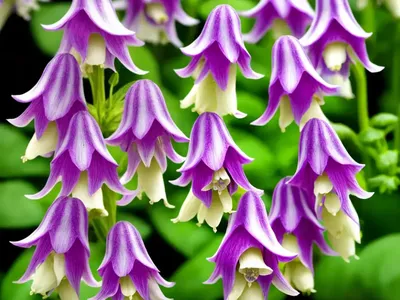
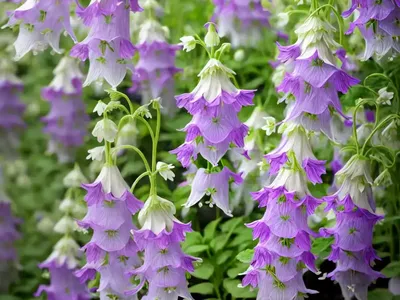
Campanula Carpatica Var. Turbinata ‘Foerster’ (Carpathian Bellflower)
Campanula carpatica var. turbinata ‘Foerster’, commonly known as Carpathian Bellflower, is a charming and versatile perennial plant that belongs to the.
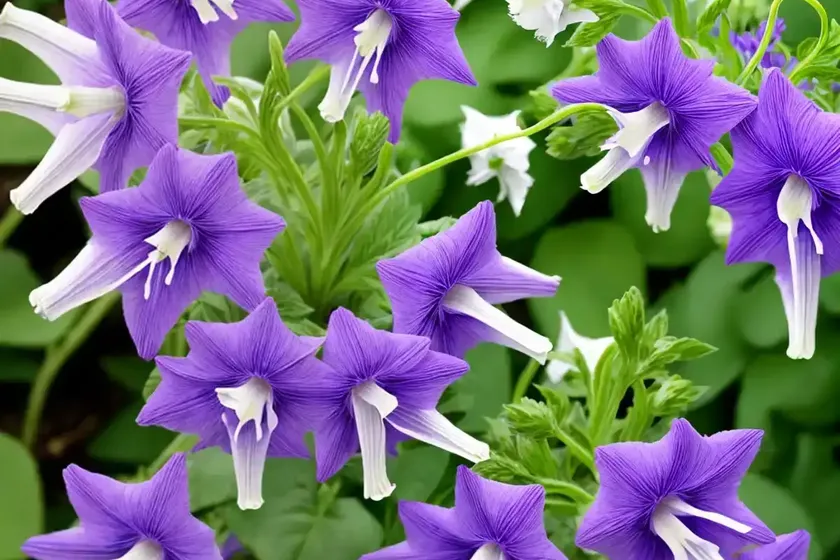
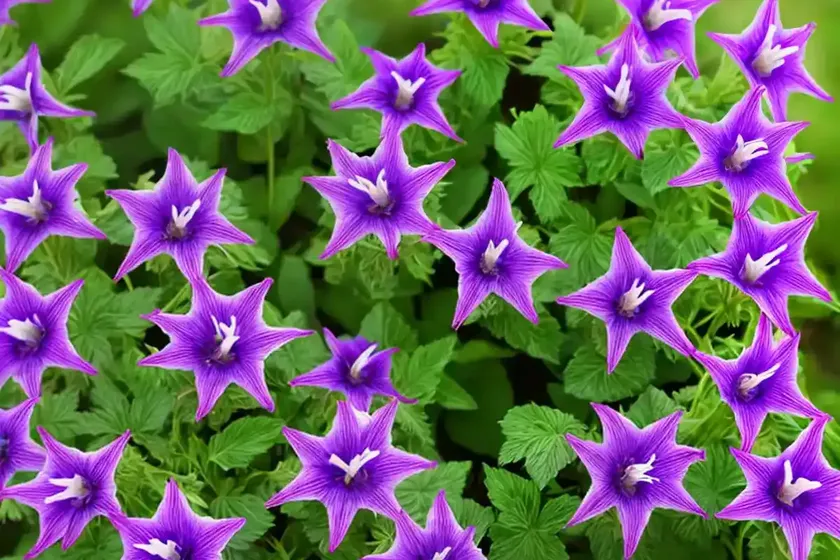
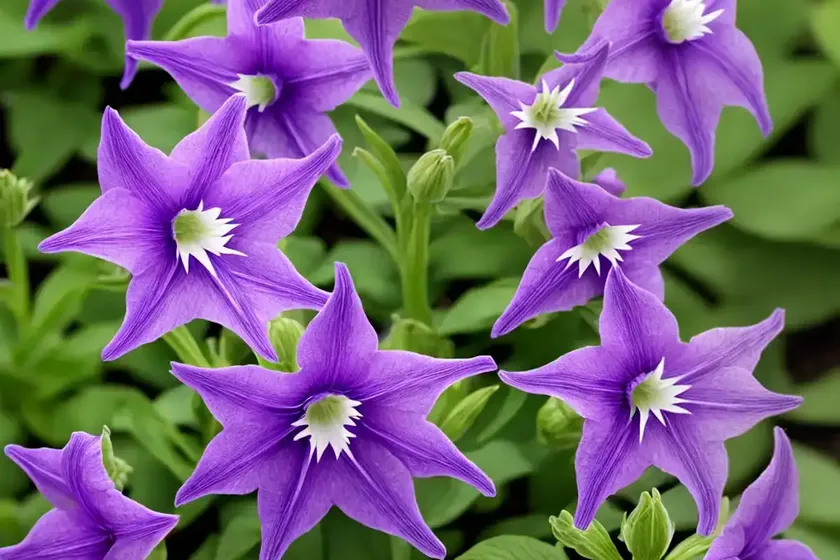
Campanula carpatica var. turbinata ‘Foerster’, commonly known as Carpathian Bellflower, is a charming and versatile perennial plant that belongs to the Campanulaceae family. The Carpathian Bellflower is native to the Carpathian Mountains in Central and Eastern Europe, where it thrives in the rocky alpine meadows. This delightful plant is favored by gardeners for its beautiful bell-shaped flowers and its adaptability to various growing conditions.
In this comprehensive guide, we will explore the cultivation, maintenance, and various aspects of growing Campanula carpatica var. turbinata ‘Foerster’ (Carpathian Bellflower). Whether you are a seasoned gardener or a novice plant enthusiast, this article will equip you with the essential knowledge to nurture and enjoy this exquisite plant in your garden.
Key Takeaways – Campanula carpatica var. turbinata ‘Foerster’ (Carpathian Bellflower)
- Scientific Name: Campanula carpatica var. turbinata ‘Foerster’
- Common Name: Carpathian Bellflower
- Family: Campanulaceae
- Native Region: Carpathian Mountains, Central and Eastern Europe
- Plant Type: Perennial
Culture
The Carpathian Bellflower has a rich cultural significance and has been admired for its beauty and elegance for centuries. In folklore and traditional medicine, this plant holds several symbolic and therapeutic uses. The delicate bell-shaped flowers have historically been associated with themes of gratitude, humility, and timeless beauty.
Uses
The Carpathian Bellflower is primarily grown for ornamental purposes. Its vibrant blooms and low-growing habit make it an excellent choice for borders, rock gardens, and container gardening. The flowers of Campanula carpatica var. turbinata ‘Foerster’ also make captivating additions to cut flower arrangements, bringing a touch of natural beauty into homes and event decorations.
Water
Requirements
The Carpathian Bellflower prefers moderate moisture levels and well-drained soil. It is essential to avoid over-watering, as excessive moisture can lead to root rot and fungal diseases. Water the plant when the top inch of the soil feels dry to the touch. Additionally, providing water in the morning allows excess moisture to evaporate during the day, reducing the risk of fungal issues.
Watering Frequency
- Spring and Summer: Water regularly, ensuring the soil remains consistently moist but not waterlogged.
- Fall and Winter: Reduce watering frequency as the plant enters dormancy. Allow the soil to dry slightly between waterings.
Sunlight
The Carpathian Bellflower thrives in full sun to partial shade. When grown in regions with hot summers, providing partial shade during the peak afternoon hours can help protect the plant from excessive heat and prevent wilting. In cooler climates, full sun exposure is generally beneficial for promoting robust growth and prolific flowering.
Fertilizer
Requirements
To support healthy growth and abundant blooming, it is recommended to fertilize the Carpathian Bellflower during the growing season. A balanced, all-purpose fertilizer can be applied in early spring, following the manufacturer’s recommendations for dilution and frequency.
Application
Apply the fertilizer evenly around the base of the plant, taking care not to allow it to come into direct contact with the leaves or stems. Water the plant after fertilization to ensure that the nutrients are absorbed into the soil.
Soil
Preferences
Campanula carpatica var. turbinata ‘Foerster’ thrives in well-draining, loamy soil with a slightly acidic to neutral pH. The plant is sensitive to waterlogged conditions, so incorporating organic matter such as compost or peat moss into heavy soils can improve drainage and create an optimal growing environment.
Composition
A well-balanced soil mix for the Carpathian Bellflower can consist of equal parts of loam, peat moss, and perlite or coarse sand. This blend provides the necessary nutrients, moisture retention, and aeration for healthy root development.
Pruning
The Carpathian Bellflower benefits from regular deadheading to encourage prolonged flowering and maintain a tidy appearance. Removing spent blooms and any damaged or yellowing leaves also supports the overall vigor and aesthetic appeal of the plant. As the flowering season concludes, a light pruning to remove excessively long or straggly stems can help shape the plant and prepare it for the following growing season.
Propagation
Methods
Campanula carpatica var. turbinata ‘Foerster’ can be propagated through seeds, division, or stem cuttings. Each method offers its unique advantages, allowing gardeners to increase their plant collection and share the beauty of the Carpathian Bellflower with others.
Seed Propagation
- Collect mature seeds from the dried flower heads in late summer or early fall.
- Sow the seeds in well-draining seed starting mix and lightly cover them with a thin layer of soil.
- Maintain consistent moisture and warmth to facilitate germination.
Division
- In early spring or fall, carefully dig up mature plants and separate the root clumps into smaller sections.
- Replant the divisions in prepared soil, ensuring that each section has several healthy shoots and roots.
Stem Cuttings
- Take 3 to 4-inch stem cuttings from the parent plant, ensuring they have at least two pairs of leaves.
- Dip the cut ends in a rooting hormone to encourage root development.
- Plant the cuttings in a well-draining mix and provide gentle bottom warmth to expedite the rooting process.
Container Popularity
The compact growth habit and enchanting blooms of the Carpathian Bellflower make it a beloved choice for container gardening. From window boxes and hanging baskets to decorative planters, this versatile plant thrives in various container types and brings a delightful touch of color and charm to patios, balconies, and outdoor living spaces.
Container Common Diseases
Disease Diagnosis
When grown in containers, Campanula carpatica var. turbinata ‘Foerster’ may be susceptible to certain diseases and pests. Common issues such as powdery mildew, botrytis, and root rot can arise due to excessive moisture, poor air circulation, or inadequate drainage. It is essential to monitor the plant closely and promptly address any signs of disease to prevent spread and ensure the plant’s health.
Common Pests
The Carpathian Bellflower is relatively resistant to pests; however, it may occasionally attract aphids, snails, or slugs. Monitoring the plant regularly and promptly addressing any pest activity can help prevent damage and maintain the plant’s vitality.
Botanist’s Tips
- When selecting a site for planting, choose a location with well-drained soil and adequate sunlight to promote healthy growth and flowering.
- Provide support or a gentle breeze to enhance air circulation around the plants, reducing the risk of fungal diseases.
- Mulch around the base of the Carpathian Bellflower to conserve soil moisture and suppress weed growth while maintaining a neat appearance.
Fun Facts
- The Carpathian Bellflower belongs to the genus Campanula, which derives its name from the Latin word “campana,” meaning bell, in reference to the shape of the flowers.
- Campanula carpatica var. turbinata ‘Foerster’ is known for its attractive mounding habit and an abundance of drooping, bell-shaped flowers in shades of blue, white, or violet.
Links to External Resources
For further information on growing and caring for Campanula carpatica var. turbinata ‘Foerster’ (Carpathian Bellflower), explore the following resources:
1. Royal Horticultural Society – Growing Campanula
2. Missouri Botanical Garden – Plant Finder: Campanula carpatica
3. The Spruce – Growing Bellflowers
4. University of Wisconsin-Extension – Bellflower, Campanula spp.
In conclusion, Campanula carpatica var. turbinata ‘Foerster’ (Carpathian Bellflower) embodies timeless elegance and charm, making it a prized addition to gardens, landscapes, and container displays. With the right care, this resilient and beautiful plant will reward gardeners with an abundance of delicate blooms, capturing the essence of natural grace and enchantment. Whether planted as a solitary specimen or combined with companion plants, the Carpathian Bellflower is sure to captivate all who encounter its ethereal beauty.