Campanula Persicifolia ‘Blue Bloomers’ (Peach-Leaved Bellflower)
The world of plants is diverse and mesmerizing, with each species carrying its unique charm and benefits. In the realm of perennials, the Campanula.
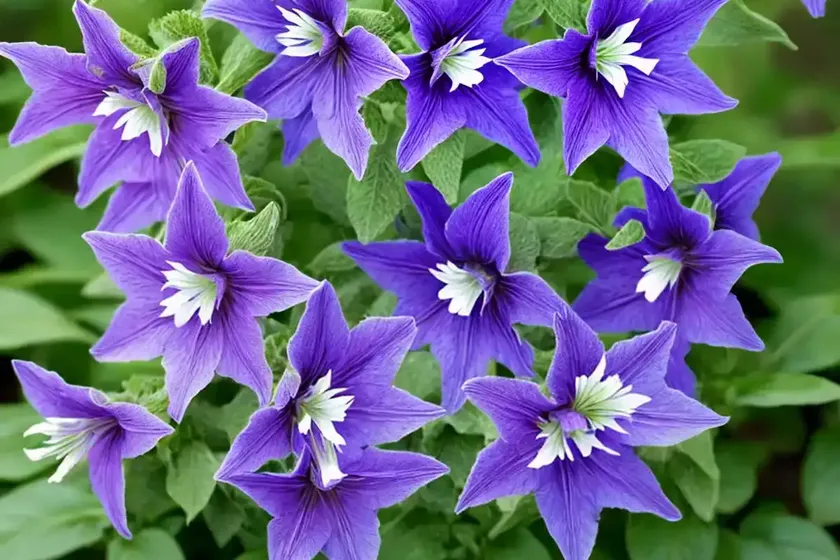
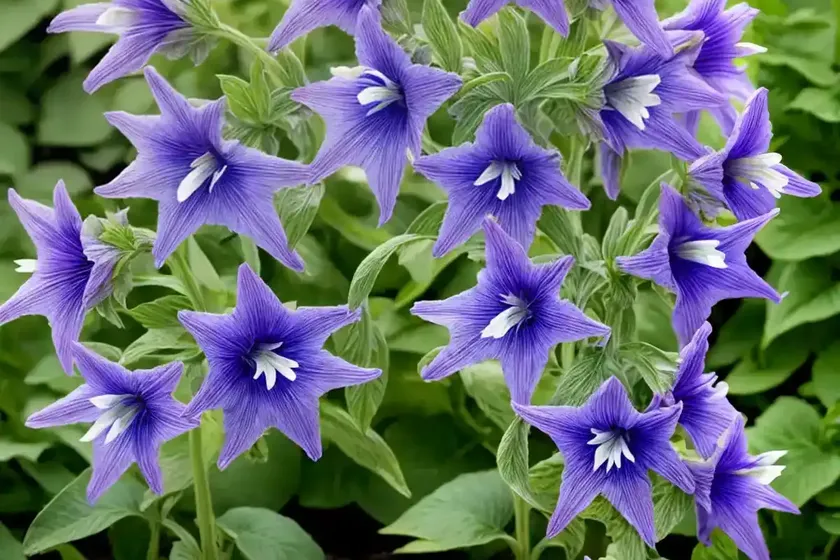
The world of plants is diverse and mesmerizing, with each species carrying its unique charm and benefits. In the realm of perennials, the Campanula persicifolia ‘Blue Bloomers,’ also known as the Peach-Leaved Bellflower, stands out with its delicate, bell-shaped flowers and its versatility in various gardening and landscaping applications. In this in-depth exploration, we will delve into the cultivation, uses, care, and maintenance of this enchanting plant. Through this comprehensive guide, both seasoned gardeners and plant enthusiasts will gain valuable insights into harnessing the full potential of the Campanula persicifolia ‘Blue Bloomers’ to enhance the beauty of their outdoor spaces.
What is Campanula persicifolia ‘Blue Bloomers’?
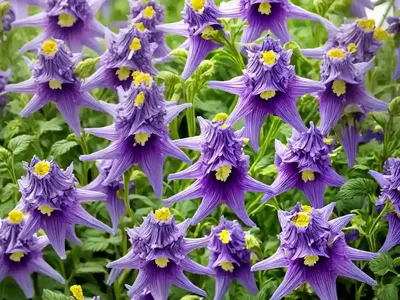
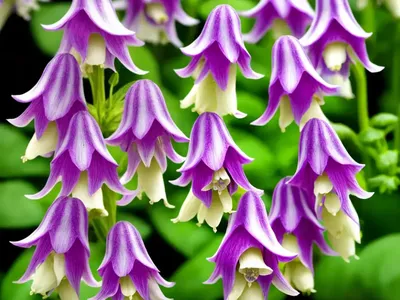
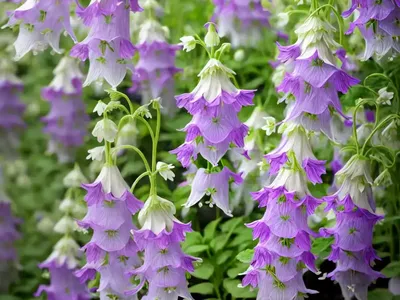
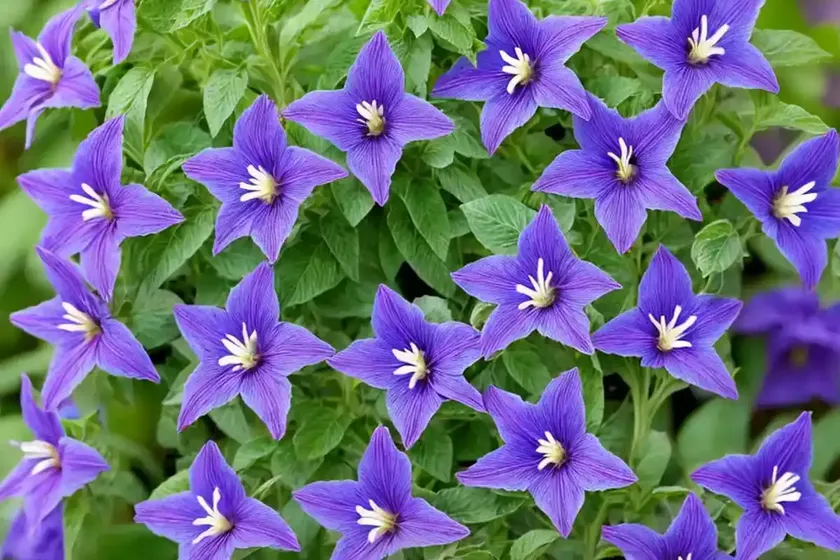
The Campanula persicifolia ‘Blue Bloomers’ or Peach-Leaved Bellflower is a perennial flowering plant known for its striking blue blooms. Belonging to the Campanula genus, this particular variety is cherished among gardeners for its elegant and prolific flowering habit. The plant is characterized by its narrow, lance-shaped leaves and its bell-shaped flowers that form dense clusters atop sturdy, upright stems.
Key Takeaways – Campanula persicifolia ‘Blue Bloomers’
Before delving into the specifics of cultivating and caring for the Campanula persicifolia ‘Blue Bloomers’, let’s glance over the key takeaways to provide a snapshot of the plant’s characteristics and uses.
- Plant Name: Campanula persicifolia ‘Blue Bloomers’ (Peach-Leaved Bellflower)
- Common Names: Blue Bloomers Bellflower, Peach-Leaved Campanula, Blue Bellflower
- Cultivar: Campanula persicifolia
- Color: Blue flowers
- Plant Type: Perennial
- Uses: Garden borders, rock gardens, cut flowers
- Growth Habits: Upright, clump-forming
- Hardiness Zone: 3-7
- Exposure: Full sun to partial shade
- Soil: Well-drained, fertile soil
- Watering: Moderate
- Maintenance: Low to moderate
- Pests and Diseases: Generally pest and disease resistant
Now that we have a brief overview of the Campanula persicifolia ‘Blue Bloomers,’ let’s dive into the various facets of its cultivation, uses, care, and maintenance to unlock the full potential of this captivating perennial plant.
Culture of Campanula persicifolia ‘Blue Bloomers’
Understanding the cultural requirements of the Campanula persicifolia ‘Blue Bloomers’ is pivotal in establishing a healthy and thriving growth environment for this perennial. From sunlight preferences to soil requirements, each aspect of the plant’s cultural needs plays a crucial role in its overall well-being.
Water
Proper watering is essential for the healthy growth and blooming of Campanula persicifolia ‘Blue Bloomers’. While the plant does require consistent moisture, it is important to avoid water stagnation, which can lead to root rot and other moisture-related issues. Here are some key points to consider regarding watering this plant:
- Frequency: Water deeply but infrequently, allowing the soil to partially dry out between waterings.
- Moisture Level: Aim for consistently moist but not waterlogged soil, especially during the active growing season.
- Mulching: Applying a layer of organic mulch around the base of the plant can help in retaining soil moisture and regulating the soil temperature.
Sunlight
The Campanula persicifolia ‘Blue Bloomers’ flourishes in locations with ample sunlight, although it can also tolerate partial shade. When planning the placement of this plant in the garden or landscape, consider the following factors:
- Sun Exposure: Ideally, provide the plant with full sun for at least 6-8 hours per day. However, it can also thrive in partial shade, particularly in regions with hot summers.
- Shade Tolerance: In warmer climates, providing some afternoon shade can prevent excessive heat stress on the plant.
Fertilizer
While the Campanula persicifolia ‘Blue Bloomers’ is not particularly demanding in terms of fertilization, providing some nutrients can enhance its overall vigor and blooming performance. Here are some insights into fertilizing this perennial plant:
- Fertilizer Type: Apply a balanced, all-purpose fertilizer in the spring as new growth emerges.
- Frequency: Fertilize once a year, preferably in early spring, to support healthy growth and abundant flowering.
Soil
A well-drained and fertile soil provides an optimal growth medium for the Campanula persicifolia ‘Blue Bloomers’. When preparing the soil or selecting a planting site, consider the following soil requirements:
- Drainage: Ensure good drainage to prevent waterlogging, as overly moist soil can lead to root diseases.
- pH Level: The plant thrives in slightly acidic to neutral soil, with a pH range of 6.0 to 7.0.
- Soil Amendments: Incorporating organic matter such as compost or well-rotted manure can improve soil structure and fertility.
Pruning Campanula persicifolia ‘Blue Bloomers’
Pruning is an essential aspect of maintaining the health, appearance, and longevity of the Campanula persicifolia ‘Blue Bloomers’. Understanding the timing and techniques for pruning this plant can contribute to its overall vitality.
Pruning Time
Pruning of the Campanula persicifolia ‘Blue Bloomers’ is generally performed after the flowering period to manage the plant’s growth and encourage a compact, tidy appearance. Consider the following timing for pruning this perennial:
- Post-Flowering: Trim back the spent flower stems and any damaged or overgrown foliage after the blooming season to stimulate new growth and potential reblooming.
Pruning Techniques
When pruning the Campanula persicifolia ‘Blue Bloomers’, utilize the following techniques to maintain the plant’s health and aesthetic appeal:
- Deadheading: Remove spent flowers to prevent the plant from expending energy on seed production and encourage the development of new flower buds.
- Stem Trimming: Cut back the flowering stems to a set of healthy leaves or to the base of the plant, promoting bushier growth and potential reblooming.
Propagation of Campanula persicifolia ‘Blue Bloomers’
Propagation methods such as division and seed sowing offer opportunities to expand the presence of Campanula persicifolia ‘Blue Bloomers’ in the garden or landscape. By understanding the techniques for propagating this perennial, enthusiasts can foster new plants and share the beauty of the Peach-Leaved Bellflower.
Division
Dividing established clumps of Campanula persicifolia ‘Blue Bloomers’ allows for the creation of new plants and can help rejuvenate older, overcrowded specimens. Follow these steps for successful division:
- Timing: Divide the plant in early spring or early autumn when the weather is mild and conducive to new root establishment.
- Method: Carefully dig up the plant and use a sharp, clean knife or garden spade to divide the clumps into sections, ensuring each division has viable roots and foliage.
- Transplanting: Plant the divisions in prepared soil, water them thoroughly, and provide appropriate care to support their establishment.
Seed Sowing
Growing Campanula persicifolia ‘Blue Bloomers’ from seeds is a rewarding way to expand the plant’s presence in the garden and can also offer the opportunity to grow new cultivars. Consider the following steps for successful seed sowing:
- Seed Collection: Harvest mature seeds from the plant when the seed pods have dried and started to split, ensuring the seeds are fully developed.
- Sowing Time: Sow the seeds in a prepared seed-starting mix in late winter to early spring or in late summer to early autumn, depending on the climate and local growing conditions.
- Germination Conditions: Maintain moist but not waterlogged soil and provide consistent warmth and indirect light to promote seed germination.
Campanula persicifolia ‘Blue Bloomers’ in Containers
The Campanula persicifolia ‘Blue Bloomers’ adapts well to container cultivation, providing an opportunity to showcase its enchanting blooms in various outdoor settings. When growing this perennial in containers, consider the following aspects to ensure its success and visual impact:
Container Popularity
The versatility and ornamental charm of Campanula persicifolia ‘Blue Bloomers’ make it a popular choice for container gardening, allowing gardeners to adorn patios, balconies, and outdoor living spaces with its vibrant blue blooms. Consider the following points regarding the plant’s popularity in container cultivation:
- Aesthetic Appeal: The upright growth habit and elegant blooms of the Peach-Leaved Bellflower add a touch of sophistication to container arrangements and complement a wide range of companion plants.
- Space Utilization: Cultivating the plant in containers allows for creative placement and positioning, making it an ideal choice for limited garden spaces or areas with specific design requirements.
- Versatility: The portable nature of container-grown Campanula persicifolia ‘Blue Bloomers’ offers flexibility in changing its display location and allows for easy overwintering in regions with harsh climates.
Container Requirements
When selecting containers and preparing the growing medium for the Campanula persicifolia ‘Blue Bloomers’, consider the following requirements to support the plant’s growth and blooming performance:
- Container Size: Opt for spacious, well-draining containers that accommodate the plant’s root system and allow for adequate moisture retention without waterlogging.
- Drainage: Ensure the containers have drainage holes to prevent water accumulation at the root zone and minimize the risk of root rot and other moisture-related issues.
- Potting Mix: Use a high-quality, well-aerated potting mix that provides sufficient nutrients and promotes healthy root development.
Common Diseases of Campanula persicifolia ‘Blue Bloomers’
Despite its overall resilience, the Campanula persicifolia ‘Blue Bloomers’ may occasionally encounter certain diseases that can impact its growth and flowering. Being aware of these common diseases and their symptoms can enable prompt action and effective management strategies to safeguard the plant’s health.
Disease Diagnosis
Identifying potential diseases affecting the Campanula persicifolia ‘Blue Bloomers’ involves recognizing specific symptoms and understanding the causative agents and contributing factors. The following are some common diseases that can affect this perennial plant:
- Powdery Mildew: Symptoms include a powdery white coating on the foliage, typically developing in humid and crowded growing conditions.
- Leaf Spot: Circular, dark spots on the leaves accompanied by leaf yellowing and premature defoliation indicate the presence of this fungal disease.
- Crown Rot: Rotting of the plant’s crown, often resulting from excessive moisture and poor drainage, is a sign of crown rot and may lead to plant decline.
Prevention and Management
Implementing preventive measures and timely interventions can mitigate the impact of common diseases on the Campanula persicifolia ‘Blue Bloomers’ and maintain its health and vitality. Consider the following approaches for disease prevention and management:
- Cultural Practices: Maintain proper spacing between plants, provide good air circulation, and avoid overhead watering to minimize humidity and reduce disease pressure.
- Sanitation: Remove and dispose of any affected plant debris, and ensure proper hygiene to prevent the spread of diseases through contaminated tools and equipment.
- Fungicidal Treatments: If necessary, apply suitable fungicidal sprays or treatments following the manufacturer’s recommendations to manage and control specific fungal diseases.
Common Pests Affecting Campanula persicifolia ‘Blue Bloomers’
In addition to diseases, the Campanula persicifolia ‘Blue Bloomers’ may also be susceptible to certain pests that can impact its growth and overall condition. Identifying these common pests and understanding their habits and potential damage can facilitate proactive pest management strategies.
Pest Identification
Recognizing the signs of pest infestations and understanding the specific pests that may affect the Campanula persicifolia ‘Blue Bloomers’ are essential for implementing targeted pest control measures. The following are some common pests that may pose a threat to this perennial plant:
- Aphids: Small, soft-bodied insects that may congregate on the undersides of leaves and suck plant sap, leading to distorted growth and yellowing foliage.
- Slugs and Snails: These mollusks can feed on the foliage and flowers, leaving characteristic irregular holes and slimy trails, particularly in damp conditions.
- Spider Mites: These tiny arachnids cause stippling and discoloration of the leaves and may spin fine webs, especially in warm and dry environments.
Pest Management
Implementing integrated pest management (IPM) practices and employing targeted control methods can effectively address pest infestations and minimize the damage caused to the Campanula persicifolia ‘Blue Bloomers’. Consider the following approaches for pest management:
- Manual Removal: Handpick and remove pests such as slugs and snails, particularly during the evening or early morning when they are most active.
- Biological Controls: Introduce natural predators and beneficial insects, such as ladybugs and lacewings, to help regulate aphid populations and maintain pest balance.
- Horticultural Oils: Use insecticidal soaps or horticultural oils to manage spider mite infestations and control their population on the plant foliage.
Botanist’s Tips for Campanula persicifolia ‘Blue Bloomers’
Some invaluable tips and recommendations from botanists and plant experts can enhance the successful cultivation and care of the Campanula persicifolia ‘Blue Bloomers’. Drawing from their expertise and insights, consider the following tips to maximize the plant’s performance and ornamental appeal:
- Mulching: Apply a layer of organic mulch, such as shredded bark or compost, around the base of the plant to conserve soil moisture, suppress weeds, and provide insulation.
- Supportive Structures: Install discreet plant supports, such as metal stakes or hoops, to provide vertical and lateral support to the emerging flower stems and prevent lodging.
- Companion Planting: Pair Campanula persicifolia ‘Blue Bloomers’ with complementary companion plants, such as Salvia, Lavandula, or Coreopsis, to create visually appealing and ecologically beneficial garden compositions.
Fun Facts about Campanula persicifolia ‘Blue Bloomers’
Delving into the intriguing and captivating aspects of Campanula persicifolia ‘Blue Bloomers’ reveals some delightful and informative fun facts about this enchanting perennial plant. Explore these fascinating tidbits to gain a deeper appreciation for the Peach-Leaved Bellflower:
- Cultural Significance: The genus name “Campanula” is derived from the Latin word for “little bell,” reflecting the bell-shaped flowers that are characteristic of the plant.
- Pollinator Magnet: The nectar-rich flowers of the Campanula persicifolia ‘Blue Bloomers’ attract various pollinators, including bees, butterflies, and hummingbirds, contributing to the garden’s ecological diversity.
- Herbal Uses: In traditional herbal medicine, certain species of Campanula were believed to possess medicinal properties and were used in herbal remedies for various ailments, although caution should be exercised in using any plant for medicinal purposes.
Links to External Resources
To further enrich the understanding and cultivation of Campanula persicifolia ‘Blue Bloomers’, explore the following external resources, including reputable nurseries, botanical gardens, and educational institutions:
- Royal Horticultural Society (RHS) – The RHS offers comprehensive plant profiles and cultivation guidelines, including information on Campanula persicifolia ‘Blue Bloomers’.
- Missouri Botanical Garden – The garden’s plant finder tool provides detailed information on various Campanula species, including cultivation tips and growing requirements.
- American Horticultural Society – The AHS website features articles, publications, and resources on perennial gardening, with insights relevant to Campanula persicifolia ‘Blue Bloomers’.
Gaining insights from reputable and authoritative sources can deepen one’s knowledge and expertise in growing and appreciating the beauty of Campanula persicifolia ‘Blue Bloomers’. By leveraging the collective wisdom and experiences shared by horticultural organizations and experts, enthusiasts can embark on a rewarding journey of cultivating, nurturing, and celebrating the allure of this captivating perennial plant.
Conclusion
In conclusion, the Campanula persicifolia ‘Blue Bloomers’, or Peach-Leaved Bellflower, stands as a symbol of elegance and resilience in the realm of perennial plants. Its enduring beauty, coupled with its adaptable nature, makes it a delightful addition to a wide range of garden settings, from traditional borders to contemporary container displays. By embracing the cultural insights, practical care tips, and botanical nuances of this perennial, gardeners and plant enthusiasts can elevate their outdoor spaces with the enchanting allure of the Campanula persicifolia ‘Blue Bloomers’, celebrating its vivid blue blooms and the invaluable ecological contributions it brings as a pollinator-friendly plant.
The Peach-Leaved Bellflower, with its delicate and vibrant presence, is a testament to the rich tapestry of plant diversity and the enduring allure of nature’s botanical wonders. Through a deepened understanding of its cultivation, uses, and ecological relevance, the Campanula persicifolia ‘Blue Bloomers’ enriches the horticultural landscape and inspires a profound connection to the captivating world of plants.
References:
- “Campanula persicifolia ‘Blue Bloomers’.” RHS, Royal Horticultural Society, www.rhs.org.uk.
- “Plant Finder.” Missouri Botanical Garden, www.missouribotanicalgarden.org.
- “American Horticultural Society.” AHS, American Horticultural Society, www.ahsgardening.org.
Keywords:
Peach-leaved Bellflower, Campanula persicifolia ‘Blue Bloomers’, Blue Bloomers Bellflower, Perennial Campanula, Bellflower plant, Peach-Leaved Campanula, Blue Bellflower, Campanula persicifolia cultivar, Blue Bloomers plant, Peach-Leaved Bellflower variety, Campanula persicifolia ‘Blue Bloomers’ characteristics, Campanula persicifolia ‘Blue Bloomers’ care, Campanula persicifolia ‘Blue Bloomers’ growing tips, Blue Bloomers perennial flower, Peach-Leaved Bellflower description, Peach-Leaved Bellflower uses, Campanula persicifolia ‘Blue Bloomers’ planting guide, Campanula persicifolia ‘Blue Bloomers’ maintenance, Campanula persicifolia ‘Blue Bloomers’ landscape, Peach-Leaved Bellflower gardening, Blue Bloomers in the garden, Campanula persicifolia ‘Blue Bloomers’ propagation, Blue Bloomers plant care tips, Campanula persicifolia ‘Blue Bloomers’ bloom time, Peach-Leaved Bellflower varieties, Campanula persicifolia ‘Blue Bloomers’ color, Blue Bloomers perennial care, Peach-Leaved Bellflower planting ideas, Campanula persicifolia ‘Blue Bloomers’ medicinal uses, Blue Bloomers gardening tips, Peach-Leaved Bellflower landscape design, Campanula persicifolia ‘Blue Bloomers’