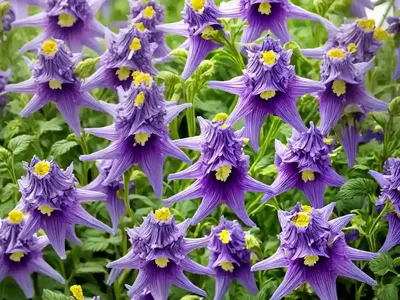
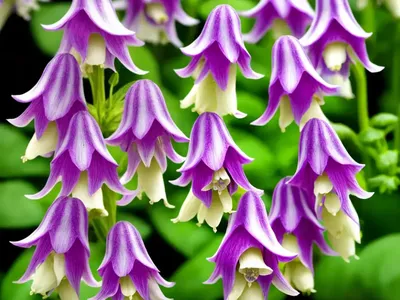
Rover Bellflower (Campanula Rapunculoides)
The world of gardening is filled with an incredible variety of plant species, each with its own unique characteristics and requirements. In this blog post.
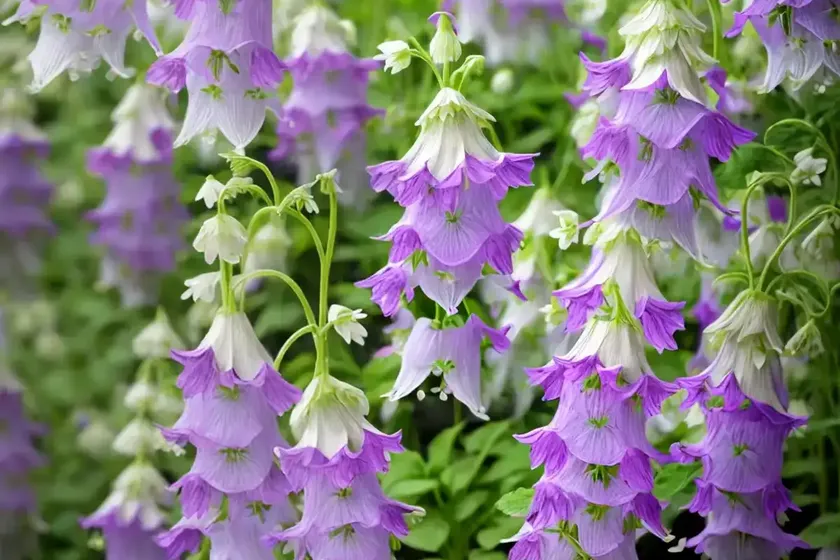

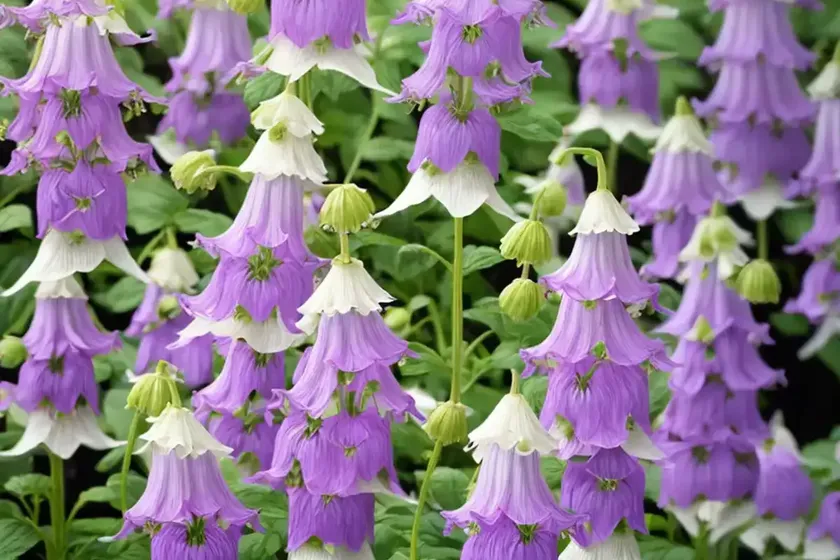
The world of gardening is filled with an incredible variety of plant species, each with its own unique characteristics and requirements. In this blog post, we’ll explore the fascinating world of the Rover Bellflower, scientifically known as Campanula Rapunculoides. This beautiful plant, with its rover-like characteristics, holds immense potential for gardeners and plant enthusiasts alike.
What is the Rover Bellflower (Campanula Rapunculoides)?
Campanula Rapunculoides, commonly known as the Rover Bellflower, is a perennial flowering plant belonging to the Campanulaceae family. This species is native to Europe, Western Asia, and North Africa, and has also been introduced to other regions worldwide.
The Rover Bellflower is known for its delicate, bell-shaped flowers that adorn its slender stems, adding a touch of elegance to any garden landscape. Its rover-like characteristics stem from its ability to spread rapidly and establish itself in various environments, making it a resilient and adaptable plant species.
Key Takeaways – Rover Bellflower (Campanula Rapunculoides)
Before delving deeper into the specifics of Rover Bellflower care and cultivation, let’s highlight some key takeaways about this remarkable plant:
- Botanical Name: Campanula Rapunculoides
- Common Name: Rover Bellflower
- Family: Campanulaceae
- Plant Type: Perennial
- Native Range: Europe, Western Asia, North Africa
- Characteristics: Rapid-spreading, bell-shaped flowers, adaptable
- Growth Habit: Vigorous and resilient
- Uses: Ornamental gardening, herbal medicine, wildlife habitat
Now that we have a general overview of the Rover Bellflower, let’s dive into the specifics of cultivating and caring for this dynamic plant.
Culture
Understanding the cultural requirements of the Rover Bellflower is essential for ensuring its successful growth and development in various garden settings.
Uses
The Rover Bellflower can serve multiple purposes within a garden, showcasing its versatility and practicality:
- Ornamental Garden Plant: Its graceful, bell-shaped flowers make it an attractive addition to flower beds, borders, and rock gardens.
- Medicinal Plant: In traditional herbal medicine, the Rover Bellflower has been used for its potential medicinal properties, which we’ll explore in more detail later in the article.
- Wildlife Habitat: The nectar-rich flowers of Campanula Rapunculoides can attract pollinators such as bees and butterflies, contributing to the biodiversity of the garden ecosystem.
Water
Proper watering is crucial for the health and vigor of the Rover Bellflower. While this plant displays resilience in various conditions, it thrives best with moderate and consistent moisture levels.
- Watering Guidelines:
- Water thoroughly when the top inch of soil feels dry to the touch.
- Avoid overwatering, as excessive moisture can lead to root rot and other fungal issues.
- During periods of drought, provide supplemental watering to support the plant’s growth.
Sunlight
The sunlight requirements of the Rover Bellflower play a significant role in determining its overall health and blooming capabilities.
- Sunlight Preferences:
- Full Sun: Campanula Rapunculoides thrives in full sunlight, especially in cooler climates.
- Partial Shade: In regions with hot summer temperatures, providing partial shade during the hottest parts of the day can benefit the plant.
Fertilizer
Applying appropriate fertilization can enhance the growth and flowering potential of the Rover Bellflower, promoting lush foliage and abundant blooms.
- Fertilization Tips:
- Use a balanced, all-purpose fertilizer in early spring as new growth emerges.
- Avoid excessive nitrogen, as it can lead to lush foliage at the expense of blooming.
- Incorporate organic compost or well-decomposed manure to enrich the soil and provide essential nutrients to the plant.
Soil
The soil quality and composition directly impact the overall performance of the Rover Bellflower, influencing its ability to thrive and spread.
- Soil Requirements:
- Well-Drained Soil: Ensure that the planting site offers good drainage to prevent waterlogging and root suffocation.
- Moisture-Retentive: While good drainage is essential, the soil should also retain sufficient moisture to support healthy growth.
- pH Level: Aim for a slightly acidic to neutral pH range (6.0-7.0) for optimal nutrient uptake by the plant.
Pruning
Pruning is an important aspect of maintaining the health, shape, and vigor of the Rover Bellflower, helping to prevent overcrowding and promoting continuous blooming.
- Pruning Techniques:
- Deadheading: Remove spent flowers to encourage the production of new blooms and prevent self-seeding.
- Thinning: Thin out overcrowded stems to improve air circulation and light penetration, reducing the risk of disease.
Propagation
Understanding the methods of propagating the Rover Bellflower enables gardeners to expand their plant collection and share this delightful species with others.
- Propagation Options:
- Division: Divide established clumps of Campanula Rapunculoides in early spring or fall, replanting the divisions in suitable locations.
- Seed Propagation: Collect and sow fresh seeds in prepared seed beds, providing optimal conditions for germination and seedling growth.
Container Popularity
The versatility of the Rover Bellflower extends to its potential for container gardening, offering an adaptable and elegant option for various outdoor and indoor settings.
- Container Gardening Tips:
- Use well-draining potting mix to ensure proper water drainage in the container.
- Select a container with adequate drainage holes to prevent water accumulation.
- Position the container in a location that meets the sunlight preferences of the plant, adjusting as needed to optimize its growing conditions.
Common Diseases
Despite its resilient nature, the Rover Bellflower is susceptible to certain diseases and fungal issues that can impact its overall health and appearance.
Disease Diagnosis
Recognizing the symptoms of common Rover Bellflower diseases is crucial for implementing timely interventions to mitigate their impact.
- Common Diseases:
- Powdery Mildew: Characterized by the presence of a powdery, white fungal growth on the foliage, particularly during periods of high humidity.
- Crown Rot: Excessive soil moisture and poor drainage can lead to crown rot, causing the plant to wilt and decline.
- Leaf Spot: Circular lesions on the leaves accompanied by yellowing and premature defoliation may indicate a fungal leaf spot infection.
Common Pests
In addition to diseases, certain pests can pose a threat to the health and vitality of the Rover Bellflower, necessitating vigilant pest management strategies.
- Pest Control Measures:
- Aphids: These tiny, sap-sucking insects can congregate on the tender stems and flower buds of Campanula Rapunculoides, leading to distorted growth and decreased vigor.
- Slugs and Snails: These mollusks can feed on the foliage and flowers of the plant, leaving behind characteristic chew marks and slime trails.
- Spider Mites: Infestations of spider mites can cause stippling and discoloration of the foliage, impacting the plant’s photosynthetic capacity.
Botanist’s Tips
As a plant scientist with a passion for exploring the intricacies of plant species, I offer the following tips to enhance your experience with growing and caring for the Rover Bellflower:
- Companion Planting: Consider pairing Campanula Rapunculoides with companion plants that complement its growth habits and aesthetic qualities, such as low-growing ground covers and other perennials with contrasting bloom colors.
- Soil Amenities: Prioritize soil health and fertility by incorporating organic matter and soil amendments to create an optimal growing environment for the Rover Bellflower.
- Observation and Monitoring: Regularly observe the plant for signs of stress, disease, or pest activity, intervening promptly to address any issues that may arise.
Fun Facts
To further foster an appreciation for the unique attributes of the Rover Bellflower, here are some intriguing fun facts about this captivating plant species:
- The name “Rapunculoides” is derived from the Latin word “rapunculus,” which refers to a type of edible plant, alluding to the historical culinary uses of the plant.
- Campanula Rapunculoides has been naturalized in various regions, where it can thrive in diverse habitats ranging from woodland edges to roadside environments.
- In folklore and traditional tales, the Rover Bellflower has been associated with symbolism related to resilience, adaptability, and the beauty of the natural world.
Links to External Resources
For further exploration of the world of Rover Bellflowers and Campanula Rapunculoides, the following external resources offer valuable insights and practical knowledge:
- Royal Horticultural Society – Campanula Rapunculoides
- University of Wisconsin-Madison Extension – Bellflowers for the Home Garden
- Missouri Botanical Garden – Campanula Rapunculoides Plant Profile
- American Society for the Prevention of Cruelty to Plants – Growing Campanula Rapunculoides in Containers
- Garden Organic – The Medicinal Uses of Rover Bellflower
By tapping into the wealth of information available through these resources, you can deepen your understanding of the Rover Bellflower and gain valuable insights into its cultivation, uses, and ecological significance.
In conclusion, the Rover Bellflower (Campanula Rapunculoides) stands out as a resilient, adaptable, and visually captivating plant species that holds immense potential for gardeners, herbalists, and wildlife enthusiasts. Its rover-like characteristics, combined with its ornamental beauty and cultural significance, make it a valuable addition to diverse garden settings and green spaces. Embracing the unique traits and cultivation techniques associated with this enchanting plant allows us to celebrate its intrinsic value and contribute to the rich tapestry of plant diversity in our natural world.