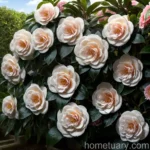
All About Camellia x williamsii ‘Debbie’
Camellia x williamsii ‘Debbie’ is a hybrid variety of Camellia, known for its stunning flowers and evergreen foliage. Whether you are a seasoned gardener or a novice plant enthusiast, ‘Debbie’ is a delightful addition to any garden or landscape. In this extensive guide, we’ll explore the various aspects of caring for Camellia x williamsii ‘Debbie’, including its culture, uses, water and sunlight requirements, fertilizer needs, soil preferences, pruning techniques, propagation, container gardening, common diseases, pests, and much more.
So let’s dive into the enchanting world of Camellia x williamsii ‘Debbie’ and learn how to care for this beautiful plant.
What is Camellia x williamsii ‘Debbie’?
Camellia x williamsii ‘Debbie’ is a cultivar of the Camellia genus, a group of flowering plants that belong to the Theaceae family. This hybrid variety is a cross between Camellia saluenensis and Camellia japonica. Renowned for its striking and voluptuous double flowers, ‘Debbie’ is a popular choice for gardens, parks, and landscapes around the world.
The plant features glossy, dark green foliage that remains on the branches throughout the year, making it an attractive addition to any garden even when not in bloom. The flowers usually bloom in late winter to early spring, adding vibrant color to the surroundings when most other plants are still dormant.
Key Takeaways
Before we delve further into the specifics of Camellia x williamsii ‘Debbie,’ here are some key takeaways to keep in mind:
- Scientific Name: Camellia x williamsii ‘Debbie’
- Common Name: Debbie Camellia
- Plant Type: Evergreen shrub
- Flower Color: Pink
- Mature Height: 6-10 feet
- Mature Spread: 4-6 feet
- Hardiness Zone: 7-9
- Growth Rate: Slow to moderate
Now that we have an overview of this beautiful plant, let’s explore the essential aspects of caring for Camellia x williamsii ‘Debbie’ in detail.
Culture
Cultivating Camellia x williamsii ‘Debbie’ in your garden requires attention to various factors such as water, sunlight, soil, and fertilization. Here’s a comprehensive look at each of these aspects:
Uses
Camellia x williamsii ‘Debbie’ serves multiple purposes in a garden setting, including:
- Ornamental Plant: The stunning, showy blooms make ‘Debbie’ a popular choice as an ornamental shrub.
- Hedging: Due to its dense and evergreen nature, ‘Debbie’ can be used as a hedge to create privacy or define garden spaces.
- Container Plant: This plant can thrive in containers, making it suitable for patios, balconies, or small gardens.
Water
- Watering Requirements: ‘Debbie’ prefers consistently moist, well-draining soil. During the growing season, it’s essential to keep the soil evenly moist but not waterlogged. A 2-3 inch layer of mulch can help retain soil moisture.
- Irrigation: In periods of drought, provide supplemental watering to ensure the plant’s hydration.
Sunlight
- Light Conditions: ‘Debbie’ thrives in partial shade to full shade. It is essential to protect the plant from the harsh afternoon sun, especially in warmer climates, to prevent leaf scorch.
Fertilizer
- Feeding Schedule: Feed Camellia x williamsii ‘Debbie’ with an acid-forming, slow-release fertilizer for acid-loving plants. The application of fertilizer in early spring after the flowering season and again in late summer or early fall can promote healthy growth and prolific blooming.
- Avoid Excess Nitrogen: Refrain from over-fertilizing as it can lead to excessive foliage growth at the expense of flowers.
Soil
- pH Level: It prefers slightly acidic soil with a pH range of around 6.0 to 6.5. Test the soil periodically and amend it with organic matter or sulfur if the pH needs adjustment.
Pruning
Proper pruning is essential for maintaining the health, shape, and blooming capacity of Camellia x williamsii ‘Debbie’. Here are some key points to consider:
- Pruning Season: The best time for pruning ‘Debbie’ is right after the flowering season ends. This allows sufficient time for the new growth to develop and set flower buds for the following year.
- Trimming: Remove dead, diseased, or crossing branches to improve air circulation within the plant.
- Shaping: Lightly shape the plant to maintain a desirable form, but avoid excessive pruning, as it can lead to reduced flowering.
Propagation
For enthusiasts looking to propagate Camellia x williamsii ‘Debbie’, several methods can be employed. These include:
- Stem Cuttings: Propagation through semi-hardwood stem cuttings is a common method. Choose healthy, non-flowering stems and root them in a well-draining potting mix.
- Air Layering: This technique involves inducing roots to form on a stem while it is still attached to the parent plant. Once roots develop, the stem can be separated and potted.
Container Popularity
Camellia x williamsii ‘Debbie’ is popularly grown in containers, making it a versatile choice for various gardening applications. Here are some considerations for container gardening:
- Container Size: Choose a container that provides ample room for the plant’s roots to grow. Ensure it has drainage holes to prevent waterlogging.
- Potting Mix: Use a well-draining, acidic potting mix designed for acid-loving plants.
- Location: Place the container in a partially shaded area, protecting it from harsh sun and strong winds.
Common Diseases
Like any other plant, Camellia x williamsii ‘Debbie’ is susceptible to certain diseases. It’s essential to be aware of these potential issues and take preventive measures to maintain plant health. Common diseases that can affect ‘Debbie’ include:
- Sooty Mold: This fungus appears as a black, powdery substance on the plant’s leaves. It often indicates the presence of insect pests such as aphids or scale insects.
- Leaf Spot: Various fungal pathogens can cause unsightly spots on the leaves. Good air circulation and proper watering practices can help prevent this issue.
Disease Diagnosis
When observing potential disease symptoms on Camellia x williamsii ‘Debbie’, it’s crucial to accurately diagnose the problem before implementing a treatment plan. Here’s how to approach disease diagnosis:
- Visual Inspection: Carefully examine the plant for any unusual spots, discoloration, or mold on the foliage.
- Pest Check: Look for signs of pest infestations, as certain insect pests can contribute to the spread of diseases.
- Consultation: If unsure about a diagnosis, seek guidance from local horticulturists or plant disease specialists.
Common Pests
In addition to diseases, ‘Debbie’ can also be targeted by common garden pests. Vigilance and proactive pest management techniques can help protect the plant from these potential threats. Common pests that may affect Camellia x williamsii ‘Debbie’ include:
- Aphids: These small, soft-bodied insects can cluster on new growth, causing damage to the plant.
- Scale Insects: Scale insects appear as small, immobile bumps on the stems and undersides of leaves. They can weaken the plant by draining its sap.
Botanist’s Tips
To help you care for Camellia x williamsii ‘Debbie’ with expertise and finesse, here are some specialized tips from seasoned botanists and horticultural experts:
- Mulching: Apply a layer of organic mulch around the base of the plant to promote soil moisture retention and provide a favorable environment for beneficial microorganisms.
- Winter Protection: In regions with cold winters, consider providing some protection for ‘Debbie’ during freezing temperatures. Mulching the root zone and covering the plant with burlap can offer insulation.
- Regular Monitoring: Keep a close eye on the plant throughout the year, checking for any signs of stress, disease, or pest activity.
Fun Facts
Now that we’ve covered the essential aspects of caring for Camellia x williamsii ‘Debbie’, let’s conclude with some fun and intriguing facts about this beautiful shrub:
- Cultural Significance: In Japanese culture, Camellia flowers symbolize the spirit of the samurai and are associated with love and devotion.
- Recognized Variety: ‘Debbie’ is a widely recognized and cherished cultivar, known for its outstanding floral display and adaptability to various growing conditions.
- Longevity: With proper care, Camellia x williamsii ‘Debbie’ can live for several decades, becoming a cherished and enduring feature in a garden landscape.
Links to External Resources
For further exploration and in-depth information on Camellia x williamsii ‘Debbie’ and related topics, you may find the following external resources valuable:
-
Royal Horticultural Society – Camellia x williamsii ‘Debbie’
-
North Carolina State University Extension – Camellias in the Landscape
With the insights and guidance provided in this comprehensive guide, you are well-equipped to cultivate and care for Camellia x williamsii ‘Debbie’ with confidence. May your gardening endeavors flourish with the grace and beauty of this remarkable plant!
Happy gardening!
By taking a detailed look at every aspect of Camellia x williamsii ‘Debbie’ – from its culture to its common diseases, and from pruning to propagation – this blog post serves as a one-stop guide for enthusiasts and horticulture professionals alike. Whether you’re nurturing ‘Debbie’ in a garden, incorporating it into landscape designs, or exploring its versatile uses, the information presented here empowers you to foster the health and vigor of this captivating plant.