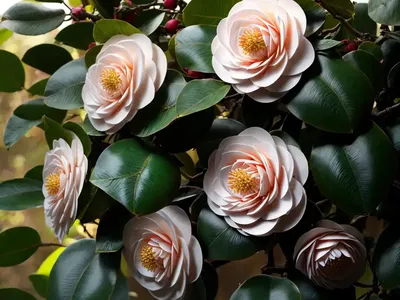
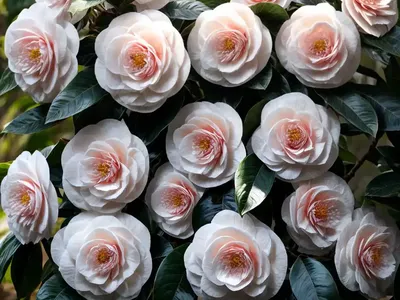
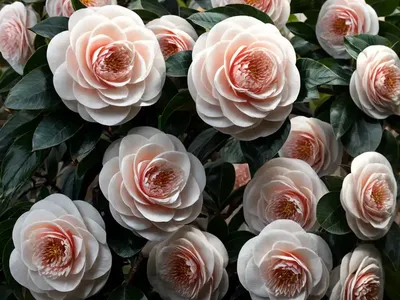
Yellow Camellia (Camellia Petelotii)
Yellow camellia, scientifically known as Camellia Petelotii, is a stunning flowering plant that has gained popularity for its vibrant yellow blooms and its.
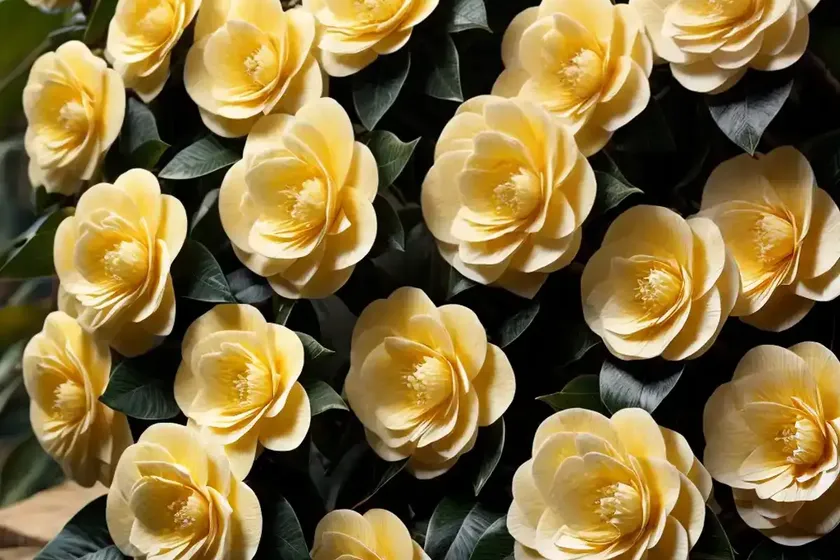
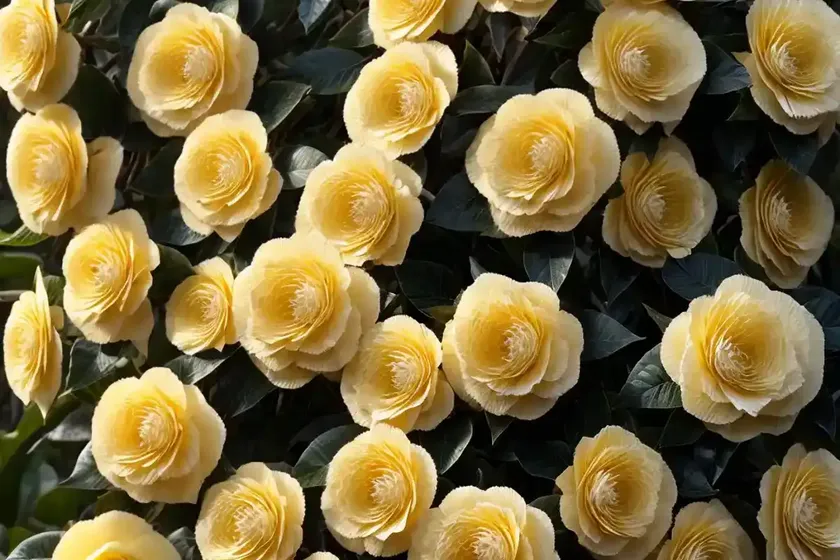
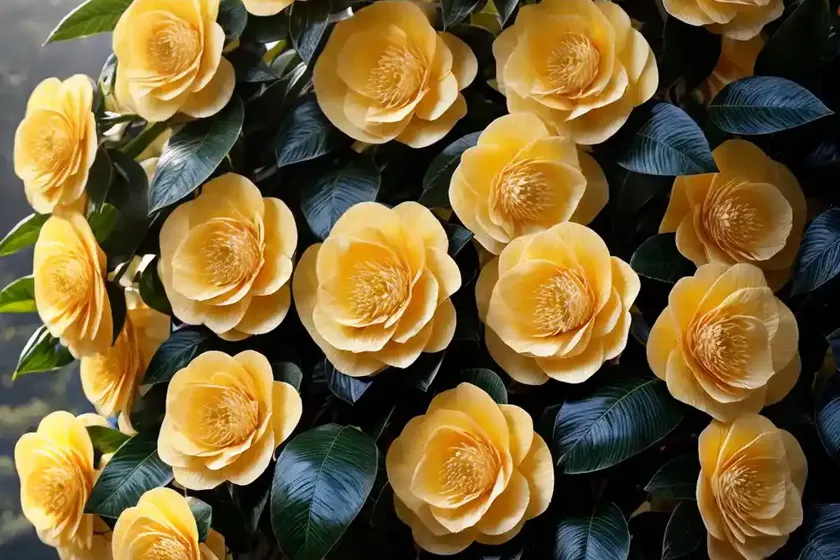
Yellow camellia, scientifically known as Camellia Petelotii, is a stunning flowering plant that has gained popularity for its vibrant yellow blooms and its amazing landscape designing potential. As a plant scientist deeply passionate about plant species, I find the Yellow Camellia to be particularly fascinating due to its growth habits, unique features, and multiple uses. In this comprehensive guide, we will delve into all aspects of this beautiful plant, from its cultivation and maintenance to its significance, history, and much more.
What is Yellow Camellia (Camellia Petelotii)?
Yellow Camellia, or Camellia Petelotii, is a member of the Theaceae family and is native to Vietnam. It is an evergreen shrub that typically grows to a height of 3-4 meters and is well-known for its striking yellow flowers. This species has been cultivated and appreciated for its ornamental value, making it a popular choice for landscaping and gardening projects.
Key Takeaways
Before we dive into the intricate details of Yellow Camellia, here are the key takeaways of this guide:
- Scientific Name: Camellia Petelotii
- Common Name: Yellow Camellia
- Family: Theaceae
- Native: Vietnam
- Growth: Evergreen shrub, 3-4 meters in height
- Flower Color: Vibrant yellow
- Uses: Ornamental, Landscape design, Medicinal
- Significance: Cultural, Symbolic
- Challenges: Prone to specific diseases and pests
- Growth Habits: Unique pruning and fertilization requirements
- Maintenance: Moderate care requirements
- Growing Conditions: Shade tolerance, specific soil preferences
- Propagation: Various methods available
Now, let’s explore each aspect of Yellow Camellia in detail.
Culture
Understanding the cultural requirements of Yellow Camellia is essential for successful cultivation and maintenance. This section will provide insights into the ideal growing conditions for this captivating plant.
Uses
Yellow Camellia holds significant value in various aspects, which include:
- Ornamental Use: The vibrant yellow flowers make it an excellent choice for decorative purposes in gardens, parks, and landscapes.
- Landscape Design: Its striking appearance allows for creative landscaping ideas and focal points in gardens.
- Medicinal Purposes: In traditional medicine, certain parts of the Yellow Camellia plant are believed to possess healing properties.
Water
Proper watering is crucial for the health and vitality of Yellow Camellia. Here are some essential points to consider:
- Water Needs: Moderate water requirements, avoiding waterlogged conditions.
- Establishment Period: Regular watering during the establishment phase to encourage healthy root development.
- Drought Tolerance: Once established, Yellow Camellia showcases good tolerance to short periods of drought.
Sunlight
The sunlight requirements of Yellow Camellia play a pivotal role in its growth and flowering. Understanding its needs in this aspect ensures thriving plant development.
- Shade Tolerance: Yellow Camellia prefers partial shade, especially during the hottest part of the day.
- Morning Sun: Gentle morning sun exposure is beneficial for its growth and blooming.
Fertilizer
Proper nourishment through fertilization is essential for Yellow Camellia’s overall health and flowering performance.
- Fertilization Schedule: An appropriate fertilization schedule during the growing season, using a balanced fertilizer suitable for acid-loving plants.
- Organic Alternatives: Incorporating organic fertilizers for sustained and natural nourishment.
Soil
The soil preferences of Yellow Camellia are crucial for its well-being and longevity. Here’s what you need to know about its preferred soil conditions:
- Acidic Soil: Thrives in well-draining, acidic soil with a pH range of 5.0 to 6.5.
- Organic Matter: Benefits from soil enriched with organic matter, aiding in moisture retention and nutrient availability.
- Soil Amendments: Consider using soil amendments tailored for acid-loving plants.
Pruning
Pruning is an essential aspect of Yellow Camellia’s maintenance, influencing its shape, flowering, and overall health. Understanding the optimal pruning techniques is key to promoting vigorous growth and abundant blooms.
Pruning Techniques
Yellow Camellia pruning techniques involve strategic practices aimed at enhancing its form and promoting flowering. Key points to consider include:
- Timing: Prune after flowering to avoid interfering with the next season’s blooms.
- Deadheading: Removing spent flowers to encourage new growth and prevent seed formation.
- Thinning: Thinning out crowded branches to enhance air circulation and sunlight penetration, promoting overall plant health.
Propagation
The propagation of Yellow Camellia presents various methods through which new plants can be established, offering opportunities for expansion and conservation.
Propagation Methods
Multiple methods can be employed for the successful propagation of Yellow Camellia, including:
- Seeds: Propagation through seeds, although it may take longer to establish flowering plants.
- Cuttings: Utilizing semi-hardwood cuttings or air layering for quicker propagation and retention of desired traits.
- Grafting: Grafting onto suitable rootstocks can be employed for precise replication of specific varieties.
Container Popularity
The versatility of Yellow Camellia makes it an excellent choice for container gardening, enabling its cultivation in various settings and environments.
Container Gardening Benefits
Embracing Yellow Camellia in container gardening offers numerous benefits, including:
- Portability: Flexibility in positioning and moving the plant, especially for optimizing sunlight exposure.
- Climate Adaptability: Suitable for indoor cultivation in colder climates or areas with limited gardening space.
- Aesthetic Value: Enhancing the visual appeal of patios, balconies, and indoor spaces with its striking blooms.
Container Care
Proper care for Yellow Camellia in containers involves considerations such as:
- Pot Size: Selecting appropriately sized containers to accommodate the plant’s growth and root development.
- Drainage: Ensuring adequate drainage to prevent waterlogging, crucial for the plant’s health in container settings.
Common Diseases
As with any plant species, Yellow Camellia is susceptible to specific diseases that can affect its vitality and appearance. Understanding common diseases and their management is essential for proactive plant care.
Disease Diagnosis
Recognizing symptoms and signs of common diseases helps in the early diagnosis and treatment of Yellow Camellia. Common diseases include:
- Leaf Spot: Manifests as circular, dark spots on the leaves, caused by fungal pathogens.
- Root Rot: Resulting from waterlogged soil, leading to root deterioration and plant decline.
- Petal Blight: Affects the flowers, causing browning and decay, often attributed to fungal infections.
Common Pests
Pest management is crucial for maintaining the health and vigor of Yellow Camellia, ensuring that it remains free from damaging infestations.
Pest Management
Key pests that may affect Yellow Camellia include:
- Aphids: Small, sap-feeding insects that can cause leaf distortion and weaken the plant.
- Scale Insects: Often found on the undersides of leaves, these pests can lead to yellowing and weakening of the plant.
- Spider Mites: These microscopic pests can cause stippling on the leaves, resulting in reduced photosynthetic activity.
Botanist’s Tips
Drawing from extensive research and practical experience, here are valuable tips for successful cultivation and maintenance of Yellow Camellia:
- Mulching: Applying a layer of organic mulch helps in moisture retention, weed suppression, and soil insulation.
- Winter Protection: Providing adequate protection during winter by covering the plant or placing it in a sheltered location.
- Regular Monitoring: Vigilant monitoring for signs of diseases, pests, and nutritional deficiencies is crucial for timely interventions.
Fun Facts
Learning interesting and lesser-known facts about Yellow Camellia adds to the fascination and appreciation of this remarkable plant species:
- The yellow coloration of its flowers is relatively rare in the camellia genus, making it a sought-after variety for unique landscapes and gardens.
- In traditional Asian cultures, yellow camellias are often associated with prosperity, positivity, and joy, adding cultural significance to its presence in gardens and ceremonial settings.
Links to External Resources
For further exploration and in-depth understanding of Yellow Camellia, here are some valuable external resources:
- The American Camellia Society: An authoritative source for comprehensive information on different camellia species, cultivation tips, and regional resources.
- Royal Horticultural Society – Camellia Care: An extensive guide to camellia care, encompassing various species and their specific requirements for optimal growth and flowering.
- Missouri Botanical Garden – Camellia Petelotii: Detailed insights into the specific characteristics, cultural requirements, and landscape uses of Camellia Petelotii.
Conclusion
In conclusion, the Yellow Camellia (Camellia Petelotii) stands out as a captivating and versatile plant species with ornamental, cultural, and medicinal significance. Understanding its culture, uses, maintenance requirements, and propagation methods is essential for plant enthusiasts, landscapers, and gardeners looking to integrate this stunning variety into their outdoor spaces. With its vibrant yellow blooms and unique growth habits, Yellow Camellia continues to enchant and inspire, adding a touch of elegance and charm to diverse gardening and landscaping endeavors.
By exploring the comprehensive aspects of Yellow Camellia, we gain a deeper appreciation for its beauty, resilience, and contribution to horticulture, shaping landscapes and cultural traditions with its captivating presence.