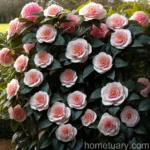
The Beautiful Camellia sasanqua ‘Crimson King’
Welcome to our comprehensive guide to the stunning Camellia sasanqua ‘Crimson King.’ In this article, we will delve into the various aspects of this plant, including its cultural requirements, uses, propagation, maintenance, and much more. Whether you’re an experienced gardener or just starting, this article will provide you with all the essential information you need to successfully nurture and enjoy the Crimson King camellia.
What is Camellia sasanqua ‘Crimson King’?
The Camellia sasanqua ‘Crimson King’ is a gorgeous evergreen shrub that is highly appreciated for its abundant and showy blooms, making it a desirable addition to any garden. It belongs to the Theaceae family and is known for its dark green foliage and stunning crimson red flowers. This cultivar is a hardy plant that adds color and charm to outdoor spaces, particularly during the fall and winter months when few other plants are in bloom. The Camellia sasanqua ‘Crimson King’ typically blooms from late fall to early winter, a time when its vibrant flowers are a sight to behold, brightening up the landscape.

Key Takeaways
Let’s summarize the key takeaways of the Camellia sasanqua ‘Crimson King’:
- Beautiful, evergreen shrub
- Abundant crimson red flowers
- Blooms from late fall to early winter
- Adds color and charm to the garden during the colder months
Culture
Water
The Crimson King camellia thrives in moist but well-drained soil. While it is important to keep the soil consistently moist, it’s equally crucial to ensure that the plant doesn’t sit in waterlogged conditions, which can lead to root rot. During periods of drought, regular watering is essential to maintain the plant’s health and promote optimal growth and flowering.
Sunlight
This cultivar performs best in partial shade to full sun. When planted in a location with ample sunlight, the Crimson King camellia produces an abundance of flowers, adding a vibrant touch to the garden. However, it is essential to protect the plant from harsh afternoon sun, especially in regions with hot summers, as this can cause leaf scorch.
Soil
The ideal soil for the Camellia sasanqua ‘Crimson King’ is well-draining, slightly acidic soil with a pH ranging from 5.0 to 6.5. Amending the soil with organic matter such as peat moss or compost can help improve its texture and drainage, creating a conducive environment for the plant’s roots to flourish.
Fertilizer
Fertilizing the Crimson King camellia is necessary to support healthy growth and prolific flowering. An acidic, slow-release fertilizer specifically formulated for acid-loving plants applied in spring after the blooming period can provide the necessary nutrients for the plant’s development. It is crucial to follow the manufacturer’s instructions for application rates to avoid overfertilization.
Pruning
Pruning the Camellia sasanqua ‘Crimson King’ is essential to maintain its shape, promote air circulation, and encourage new growth. The best time to prune this cultivar is after the flowering period, typically in late winter or early spring, before the new growth emerges. Remove any dead, diseased, or crossing branches, and aim to maintain the plant’s natural form while shaping it to the desired size.
Propagation
Propagating the Crimson King camellia can be achieved through various methods, including:
- Seed Propagation: Growing the plant from seeds, which involves scarifying the seeds and providing the appropriate conditions for germination.
- Cutting Propagation: Taking stem cuttings from a healthy, established plant and rooting them in a suitable growing medium.
- Air Layering: Encouraging roots to develop on a stem while it is still attached to the parent plant before separating it to create a new, independent plant.
Each propagation method has its own set of requirements and challenges, but with the right techniques and care, successful propagation can be achieved.
Container Popularity
The Camellia sasanqua ‘Crimson King’ is a popular choice for container gardening due to its compact growth habit and ornamental value. When grown in containers, this cultivar can be showcased on patios, balconies, or small outdoor spaces, adding a touch of elegance with its vibrant blooms and glossy foliage. Container-grown camellias can also be moved to protected areas during extreme weather conditions, providing them with the necessary care and protection.
Common Diseases
Like many plants, the Crimson King camellia is susceptible to certain diseases that can affect its overall health and appearance. These diseases include:
- Camellia Petal Blight: A fungal disease that causes browning and wilting of flowers.
- Root Rot: Resulting from waterlogged soil conditions, leading to decay and decline of the plant’s roots.
- Leaf Spot: Characterized by dark spots on the plant’s leaves, often caused by fungal pathogens.
Regular monitoring, proper cultural practices, and prompt intervention can help mitigate the impact of these diseases and prevent their spread.
Disease Diagnosis
Diagnosing and identifying diseases affecting the Crimson King camellia involves careful observation of the plant’s symptoms and, when necessary, seeking professional advice. Many plant diseases manifest in similar ways, making it essential to accurately identify the specific issue at hand to determine the most effective course of action.
Common Pests
Various pests can pose a threat to the health and vitality of the Camellia sasanqua ‘Crimson King.’ These may include:
- Aphids: Small, sap-sucking insects that can cause distortion and discoloration of the plant’s leaves.
- Scale Insects: Pests that attach themselves to the plant and feed on its sap, often causing yellowing and weakening of the foliage.
- Spider Mites: Tiny arachnids that can cause stippling and webbing on the plant’s leaves, leading to reduced vigor.
Implementing integrated pest management strategies, such as regular monitoring, natural predators, and targeted treatments when necessary, can help control pest populations and minimize their impact on the plant.
Botanist’s Tips
Here are some expert tips to ensure the successful cultivation and care of the Camellia sasanqua ‘Crimson King’:
- Mulching: Apply a layer of organic mulch around the base of the plant to conserve moisture, suppress weeds, and insulate the roots.
- Winter Protection: In colder climates, provide winter protection by covering the plant with a breathable fabric or relocating container-grown camellias to a sheltered area during extreme cold spells.
- Regular Inspections: Periodically inspect the plant for any signs of pests, diseases, or nutrient deficiencies, addressing any issues promptly to maintain its health and vigor.
Fun Facts
- The Crimson King camellia is named for its rich, crimson red flowers that capture the attention of all who behold them.
- Camellias are native to eastern and southern Asia, where they are highly valued for their ornamental and cultural significance.
- The genus Camellia is named after the Jesuit botanist Georg Kamel, who contributed to its introduction to the Western world.
Links to External Resources
For further information, resources, and products related to the Camellia sasanqua ‘Crimson King,’ we recommend exploring the following links:
- American Camellia Society
- Royal Horticultural Society – Camellia Care Guide
- University of Georgia – Growing Camellias in the Landscape
We hope you found this guide insightful and valuable in your journey of discovering and nurturing the exquisite Camellia sasanqua ‘Crimson King.’ Whether you’re a novice gardener or an experienced enthusiast, the allure of this captivating plant is sure to enrich your outdoor spaces and bring joy throughout the seasons. Thank you for joining us in exploring the beauty and charm of the Crimson King camellia!
Keywords: Camellia sasanqua Crimson King, Crimson King camellia, Camellia sasanqua variety Crimson King, Crimson King sasanqua camellia, Crimson King camellia shrub, Camellia sasanqua plant Crimson King, Crimson King sasanqua camellia flowers, Camellia sasanqua Crimson King care, Crimson King camellia pruning tips, Crimson King sasanqua camellia disease resistance, Camellia sasanqua variety Crimson King characteristics, Crimson King camellia planting guide, Camellia sasanqua Crimson King landscape uses, Crimson King sasanqua camellia growth habits, Camellia sasanqua Crimson King maintenance, Crimson King camellia soil requirements, Crimson King sasanqua camellia sun exposure, Camellia sasanqua variety Crimson King watering needs, Crimson King camellia fertilizing tips, Crimson King sasanqua camellia companion plants, Camellia sasanqua Crimson King container gardening, Crimson King camellia pests and diseases, Crimson King sasanqua camellia winter care, Camellia sasanqua Crimson King propagation methods, Crimson King camellia pruning techniques, Camellia sasanqua variety Crimson King bloom time, Crimson King sasanqua camellia fragrance, Crimson King camellia flower colors, Camellia sasanqua Crimson King plant size, Crimson King sasanqua camellia evergreen foliage, Camellia sasanqua Crimson King landscaping ideas, Crimson King camellia shade tolerance, Camellia sasanqua variety Crimson King fall color, Crimson King sasanqua camellia pollinator-friendly, Crimson King camellia attracts wildlife, Camellia sasanqua Crimson King drought tolerance, Crimson King sasanqua camellia deer resistance, Crimson King camellia wind resistance, Camellia sasanqua Crimson King soil pH preferences, Crimson King camellia water-wise gardening, Camellia sasanqua variety Crimson King pruning schedule, Crimson King sasanqua camellia container care, Crimson King camellia border planting, Camellia sasanqua Crimson King focal point in the garden, Crimson King sasanqua camellia hedge plant, Camellia sasanqua Crimson King naturalize in woodland areas, Crimson King camellia low maintenance plant, Camellia sasanqua variety Crimson King wildlife garden, Crimson King sasanqua camellia medicinal uses, Crimson King camellia historical significance