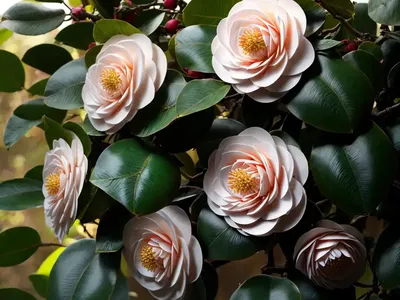
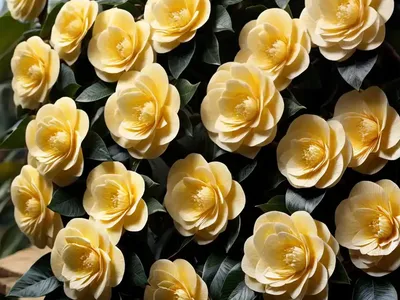
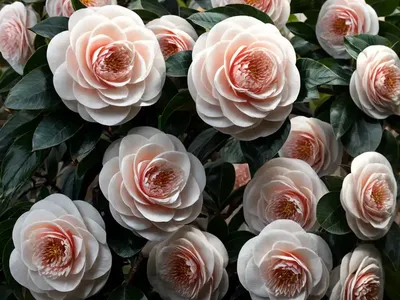
Camellia Japonica (Camellia Japonica)
Camellia japonica, commonly known as Japanese camellia, is a stunning and versatile species of flowering plants that has been cherished for centuries. Its.
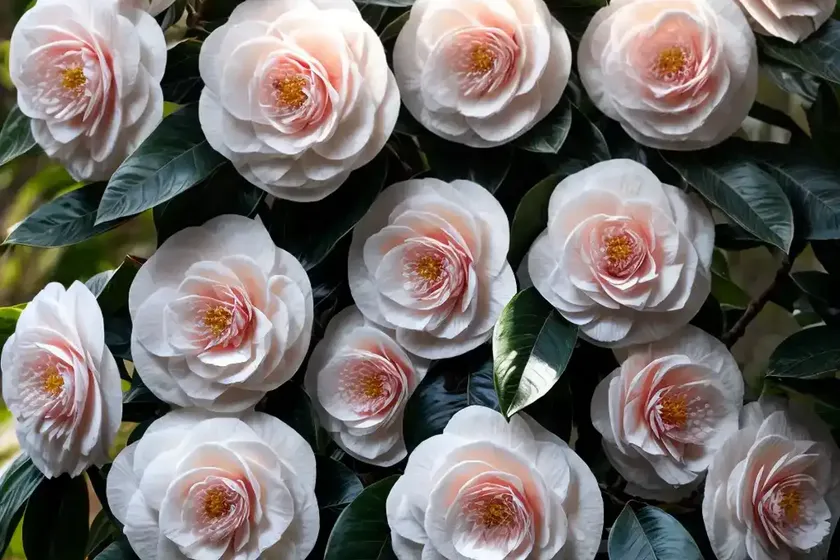
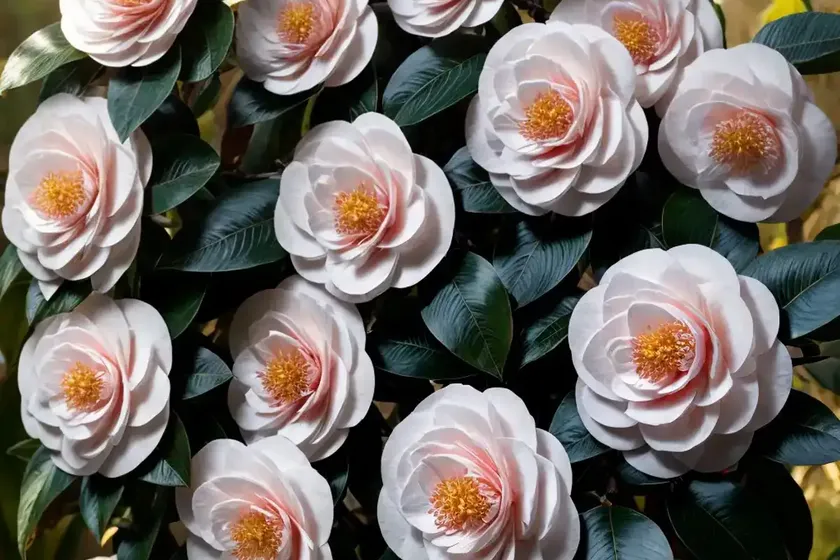
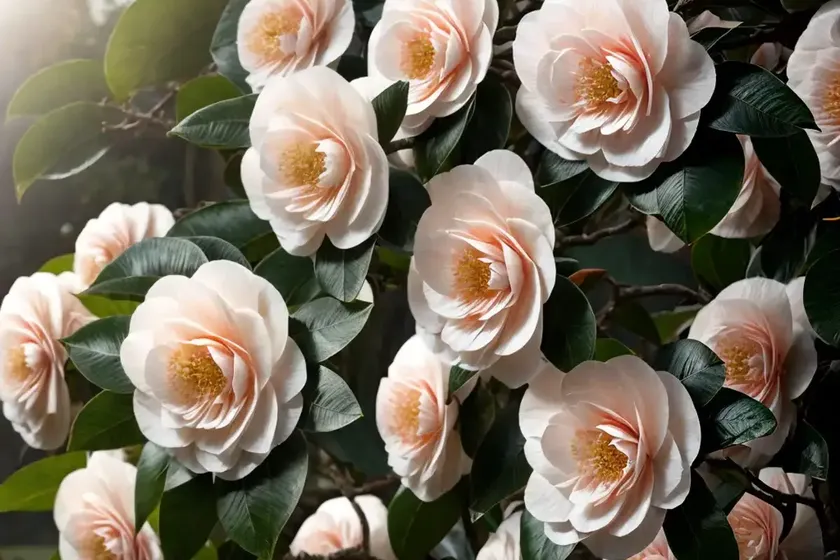
Camellia japonica, commonly known as Japanese camellia, is a stunning and versatile species of flowering plants that has been cherished for centuries. Its elegant blooms, glossy foliage, and adaptability make it a beloved choice for gardeners and landscape enthusiasts. In this comprehensive guide, we will dive deep into the world of Camellia japonica, exploring its culture, uses, care requirements, propagation methods, common diseases and pests, and more. Whether you’re a seasoned horticulturist or a novice plant enthusiast, this guide will equip you with valuable insights to cultivate and appreciate the beauty of Camellia japonica.
What is Camellia Japonica?
Camellia japonica belongs to the Theaceae family and is native to the evergreen forests of East Asia, primarily in China, Japan, and Korea. This species is renowned for its ornamental value, prized for its exquisite flowers and lustrous foliage. The plant typically grows as a dense, upright shrub, reaching heights of 6 to 12 feet, though certain cultivars can attain greater stature.
The distinctive leaves of Camellia japonica are glossy, dark green, and broadly lanceolate, providing an elegant backdrop for the stunning blooms. The flowers, which appear in late winter to early spring depending on the cultivar and regional climate, are quite diverse in color and form, ranging from pure white to deep crimson, and encompassing semi-double, double, and formal double shapes.
Key Takeaways – Camellia Japonica
Before delving into the specifics of cultivating and caring for Camellia japonica, let’s distill some key takeaways to guide us through this exploration:
- Scientific Name: Camellia japonica
- Family: Theaceae
- Common Names: Japanese camellia, Tsubaki (in Japanese)
- Uses: Ornamental, traditional medicine (in some cultures)
- Water: Regular watering to maintain consistent moisture levels
- Sunlight: Partial shade to dappled sunlight
- Fertilizer: Balanced, acidic fertilizer during the growing season
- Soil: Well-draining, acidic soil rich in organic matter
- Pruning: Minimal pruning, primarily for shaping and maintenance
- Propagation: From seeds, cuttings, or grafting
- Container Popularity: Highly suitable for containers and large pots
- Common Diseases: Includes petal blight, root rot, and leaf gall
- Common Pests: Tea scale, aphids, and spider mites
Now that we have a snapshot of the essential characteristics of Camellia japonica, let’s embark on a detailed exploration of its culture, care requirements, uses, and much more.
Culture
Understanding the cultural requirements of Camellia japonica is instrumental in ensuring its optimal growth and flowering. From water and sunlight to soil and fertilizer, providing the right cultural conditions is essential for nurturing healthy and vibrant plants.
Water
Like many ornamental shrubs, Camellia japonica thrives on consistent moisture levels. While it is crucial to avoid waterlogging, these plants should not be allowed to completely dry out either. As a general guideline, aim to keep the soil evenly moist, particularly during the growing season and when the plants are setting buds and blooming.
During periods of hot weather, it may be necessary to increase the frequency of watering, especially for potted specimens or plants in well-draining soil that may dry out faster. Using mulch around the base of the plant can help in retaining soil moisture and regulating temperature, thus reducing the frequency of watering.
Sunlight
In their natural habitat, Camellia japonica is typically found in the understory of forests, where they benefit from filtered light and dappled shade. To replicate these conditions in a garden or landscape setting, it is advisable to position the plants in partial shade.
Avoid exposing Camellia japonica to hot, direct sunlight, particularly during the afternoon hours, as this can lead to leaf scorch and adversely impact the overall health of the plant. Additionally, locating the plants in areas sheltered from strong winds can help prevent desiccation and damage to the delicate flowers and foliage.
Fertilizer
Appropriate fertilization is essential for promoting robust growth and prolific flowering in Camellia japonica. Given the preference for acidic soil, it is recommended to use a balanced, acidic fertilizer specifically formulated for acid-loving plants. This can help to maintain a favorable pH level in the soil and provide essential nutrients for the plants.
Ideally, fertilization should be carried out in early spring, just as the new growth begins. Additionally, a light application of fertilizer in early summer can support the development of new shoots and flower buds. Be sure to carefully follow the instructions provided with the fertilizer, as over-fertilization can have detrimental effects on the plants.
Soil
The type of soil in which Camellia japonica is planted plays a critical role in its overall health and vitality. These plants are best suited to well-draining, acidic soil that is rich in organic matter. A pH range between 5.0 and 6.0 is considered ideal for optimizing nutrient uptake and preventing the occurrence of nutrient deficiencies.
If the native soil is not sufficiently acidic, amending it with organic matter such as compost, pine bark, or peat moss can help in creating a more conducive environment for the plants. Additionally, the incorporation of organic mulch around the base of the plants can aid in moisture retention and soil improvement over time.
Uses
Ornamental Use
Undoubtedly, the primary use of Camellia japonica is as an ornamental plant, adorning gardens, landscapes, and indoor spaces with its captivating beauty. With its diverse array of flower colors, forms, and sizes, Camellia japonica is an invaluable addition to any garden or floral display.
Whether used as a standalone specimen, incorporated into mixed borders, or grown as hedge or espalier, the versatility of Camellia japonica allows for myriad creative applications in landscaping and garden design. Moreover, its evergreen nature ensures that the plants contribute to the visual appeal of the surroundings throughout the year.
Traditional Medicine
In addition to its ornamental value, certain varieties of Camellia japonica have been traditionally used for medicinal purposes in some cultures. The leaves of the plant have been employed in traditional East Asian medicine for their purported anti-inflammatory and astringent properties, and are occasionally utilized in the preparation of herbal infusions and extracts.
While it is important to exercise caution and seek guidance from qualified healthcare professionals before utilizing any plant material for medicinal purposes, the historical and cultural significance of Camellia japonica in traditional medicine is worth acknowledging.
Pruning
Correct pruning practices are crucial for maintaining the health, form, and flowering potential of Camellia japonica. While this species generally requires minimal pruning, there are certain considerations to keep in mind to ensure the best outcomes.
Timing
The ideal timing for pruning Camellia japonica is after the flowering period has concluded. This typically falls in the late spring or early summer, depending on the specific blooming cycle of the cultivar and regional climate. Pruning at this time allows ample opportunity for new growth to develop and flower buds to form in preparation for the following year’s display.
Objectives
Pruning Camellia japonica serves several purposes, primarily aimed at maintaining a balanced and healthy framework, promoting air circulation, and shaping the plants as desired. Additionally, removing dead, diseased, or weak branches can help in preventing the spread of diseases and enhancing the overall appearance of the plants.
Technique
When pruning Camellia japonica, it is essential to utilize clean, sharp tools to make precise cuts and minimize the risk of damage to the plants. Focus on selectively removing spent blossoms, dead or damaged wood, and any overcrowded or crossing branches that may impede healthy growth.
When shaping the plants, aim to retain their natural form while encouraging a compact and well-proportioned silhouette. Avoid heavy pruning that may excessively reduce the leaf surface and compromise the overall vigor of the plants.
Propagation
The propagation of Camellia japonica can be achieved through various methods, including seeds, cuttings, and grafting. Each approach has its own advantages and challenges, and the choice of method often depends on the resources, expertise, and objectives of the propagator.
Seed Propagation
Growing Camellia japonica from seeds can be a rewarding but time-consuming endeavor. It is important to note that the resulting plants may not exhibit the exact characteristics of the parent plant, as genetic variation is inherent in seed-propagated specimens. To propagate Camellia japonica from seeds:
- Collect mature seeds from the plant, preferably from ripe seed capsules.
- Clean the seeds to remove any residual pulp or debris, and allow them to air dry.
- Sow the seeds in a well-draining, acidic potting mix, and cover them lightly with the medium.
- Maintain consistent moisture and provide indirect light until the seeds germinate, which may take several weeks to months.
- Transplant the seedlings to individual containers or a prepared garden bed once they have developed several sets of true leaves.
Cutting Propagation
Propagating Camellia japonica from cuttings is a popular technique that allows for the preservation of desirable traits and characteristics from the parent plant. The recommended approach is to take semi-hardwood cuttings, typically in mid to late summer, when the stems have matured but are not fully woody. To propagate Camellia japonica from cuttings:
- Select healthy, non-flowering shoots from the parent plant, and cut them into 4 to 6-inch sections.
- Remove the leaves from the lower half of each cutting, leaving a few at the top to aid in photosynthesis.
- Dip the base of the cuttings in a rooting hormone to encourage the development of roots.
- Insert the cuttings into a well-draining rooting medium, such as perlite or a mix of peat and vermiculite.
- Place the cuttings in a warm, shaded area, and maintain consistent moisture levels until roots have formed, which may take several weeks to months.
- Once the cuttings have established a healthy root system, they can be transplanted into individual containers or prepared garden beds.
Grafting
Grafting is another propagation method utilized for Camellia japonica, particularly to propagate specific cultivars with desirable characteristics. The most common grafting technique involves the use of semi-hardwood or hardwood scion wood from the desired plant, which is then grafted onto a compatible rootstock.
Grafting allows for the rapid production of identical plants with consistent traits, and is often employed by nurseries and horticulturalists to propagate prized cultivars and rare varieties.
Container Popularity
Camellia japonica’s adaptability and compact growth habit make it an ideal candidate for container cultivation. Whether grown on patios, balconies, or in courtyards, potted Camellia japonica plants offer an elegant and enduring display of color and foliage.
Advantages
Container-grown Camellia japonica offers several advantages, including the ability to control soil conditions, positioning, and microclimate, and the convenience of mobility. This makes them suitable for gardens with limited space, as well as for indoor and urban environments where traditional garden beds may be absent.
Furthermore, growing Camellia japonica in containers allows for easy manipulation of the soil pH and composition to meet the needs of the plants, an aspect particularly beneficial for gardeners with less-than-ideal native soil.
Considerations
When cultivating Camellia japonica in containers, it is important to select pots or containers that provide adequate space for root development and excellent drainage. Opt for containers with drainage holes to prevent waterlogging, and choose a well-aerated potting mix specifically formulated for acid-loving plants.
Regular monitoring of moisture levels, particularly during hot and dry periods, is necessary when growing Camellia japonica in containers to ensure that the plants receive consistent and appropriate moisture.
Common Diseases
A variety of diseases can afflict Camellia japonica, potentially impacting its growth, flowering, and overall vitality. Familiarizing oneself with common diseases and their associated symptoms is crucial for timely diagnosis and effective management.
Petal Blight
Petal blight, caused by the fungus Ciborinia camelliae, is a common affliction that affects the flowers of Camellia japonica. Fungal spores typically infect the blossoms during wet or humid conditions, leading to the appearance of brown, water-soaked spots on the petals. As the disease progresses, the affected petals may become discolored, mottled, and eventually disintegrate.
To manage petal blight, it is essential to promptly remove and dispose of affected flowers and debris, and to ensure that the plants receive ample air circulation to minimize humidity. Additionally, the application of fungicidal sprays at the first sign of symptoms can help in controlling the spread of the disease.
Root Rot
Root rot, caused by various soilborne pathogens such as Phytophthora and Fusarium species, poses a significant threat to the health of Camellia japonica. Plants affected by root rot may display symptoms such as wilting, yellowing or browning of foliage, and a general decline in vigor.
Preventing root rot relies on ensuring well-draining soil, avoiding overwatering, and maintaining optimal air circulation around the root zone. Moreover, the selection of disease-resistant varieties and the use of fungicidal drenches can aid in minimizing the risk of root rot.
Leaf Gall
Leaf gall, caused by the fungus Exobasidium camelliae, results in the formation of abnormal growths or galls on the leaves of Camellia japonica. These galls may appear as swellings, distortions, or discolorations, and can compromise the aesthetic appeal of the plants.
To manage leaf gall, it is advisable to promptly remove and destroy affected foliage, and to maintain cleanliness and hygiene in the garden or landscape to prevent the spread of spores. Additionally, the application of appropriate fungicidal treatments during the initial stages of gall formation can aid in suppressing the disease.
Disease Diagnosis
Accurately diagnosing diseases affecting Camellia japonica involves a systematic assessment of the symptoms, visual inspection, and occasionally, laboratory analysis to confirm the presence of specific pathogens or disease agents.
When encountering unusual symptoms or signs of disease on Camellia japonica, it is recommended to:
- Observe and document the appearance and progression of the symptoms, including changes in foliage, flowers, and overall plant health.
- Check for any visible signs of pests, such as aphids, mites, or scale insects, which may indirectly contribute to the decline of the plants.
- Examine the root zone and soil for signs of moisture-related issues, such as waterlogging or excessively dry conditions, which can affect root health.
- Consult with local gardening or horticultural experts, and provide them with clear and detailed information about the plants and the observed symptoms for guidance.
Seeking professional diagnosis and advice can help in implementing targeted and effective management strategies to mitigate the impact of diseases on Camellia japonica.
Common Pests
In addition to diseases, Camellia japonica is susceptible to attack by various pests that can compromise its health and aesthetic appeal. Vigilant monitoring and proactive measures are vital for preventing pest infestations and minimizing their impact on the plants.
Tea Scale (Fiorinia theae)
Tea scale, also referred to as camellia scale, is a significant pest of Camellia japonica, characterized by small, oval-shaped insects that attach themselves to the undersides of leaves and along the stems. As they feed on plant sap, tea scale excrete honeydew, attracting ants and promoting the growth of sooty mold, which can further harm the plants.
To manage tea scale, thorough inspection and early detection are essential. Pruning and disposing of heavily infested branches, alongside the application of horticultural oil or insecticidal soap, can help in controlling the population of tea scale. Furthermore, encouraging natural predators, such as ladybugs and lacewings, can aid in biological control of tea scale.
Aphids
Aphids are another common pest that can affect Camellia japonica, particularly during periods of new growth and budding. These tiny, pear-shaped insects feed on the sap of plant tissues, and may cause distortion of leaves, stunted growth, and the presence of sticky honeydew on the foliage.
To manage aphids, physically dislodging them with a strong stream of water and the application of insecticidal soap or neem oil can help in reducing their numbers. Introducing beneficial insects, such as parasitic wasps and predatory ladybugs, can also contribute to natural aphid control.
Spider Mites
Spider mites, though minuscule in size, can inflict considerable damage on Camellia japonica by piercing plant tissues and extracting sap, ultimately leading to the discoloration, stippling, and premature shedding of foliage. Their presence may be indicated by fine webbing on the undersides of leaves and along the stems.
To counter spider mite infestations, periodic sprays of water and the application of insecticidal soaps or horticultural oils can help in reducing their numbers and minimizing their impact on the plants. Additionally, maintaining a beneficial microclimate with adequate humidity can deter spider mites from establishing populations.
Botanist’s Tips
As an experienced plant scientist and a devoted admirer of Camellia japonica, I have gathered firsthand insights and practical recommendations for cultivating and appreciating this exceptional species. Here are some valuable tips to ensure the success and magnificence of Camellia japonica in diverse settings:
-
Planting Location: Select sites that offer partial shade and protection from harsh sunlight and drying winds, particularly in warmer climates. When planting in containers, choose large, well-draining pots, and position them on east- or north-facing aspects for more moderate light and temperature conditions.
-
Mulching: Apply a layer of organic mulch, such as pine bark or leaf mold, around the base of Camellia japonica plants to conserve moisture, regulate soil temperature, and inhibit weed growth. Organic mulch can gradually decompose, enriching the soil and benefiting the plants.
-
Pest and Disease Monitoring: Regularly inspect the plants for signs of pests and diseases, including the undersides of leaves and along the stems. Maintaining a keen eye for early indicators, such as distorted foliage, discoloration, and abnormal growths, can enable swift intervention and prevention of widespread infestations.
-
Soil pH Management: Periodically test the pH of the soil in which Camellia japonica is grown, and adjust it as necessary to maintain an acidic environment conducive to the plants’ needs. Utilize pH-testing kits and appropriate amendments to manage soil pH levels effectively.
-
Temperature Protection: During freezing or frost-prone periods, provide protection for Camellia japonica plants in outdoor settings by covering them with frost cloth or similar protective material to shield them from extreme temperatures and minimize the risk of cold injury.
Fun Facts
- The name “Camellia” honors the botanist and missionary Georg Kamel, who extensively studied and cataloged plants in the Philippines during the 17th century.
- Camellia japonica is the official state flower of Alabama, symbolizing a rich heritage and appreciation for the ornamental diversity of the species.
- Cultivated varieties of Camellia japonica have been revered in East Asia for centuries, and have been depicted in numerous works of art and literature