Plant Scientist’s Guide to Camellia sasanqua ‘Shishigashira’
Introduction
As a plant scientist, I have always been captivated by the diverse and intricate world of plants. One particular species that has fascinated me is the Camellia sasanqua ‘Shishigashira’. This evergreen shrub is not only a beautiful addition to gardens but also holds a special place in traditional Japanese garden designs.
In this comprehensive guide, we will explore the characteristics, cultivation, and care of the Camellia sasanqua ‘Shishigashira’. We will delve into its cultural significance, uses in landscapes, best practices for growing and maintaining it, common diseases and pests, propagation techniques, and fascinating facts. By the end of this guide, you will have a thorough understanding of how to nurture and appreciate this stunning plant.
What is Camellia sasanqua ‘Shishigashira’?
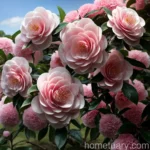
The Camellia sasanqua ‘Shishigashira’ is a stunning variety of Camellia sasanqua, a species belonging to the Theaceae family. This evergreen shrub is indigenous to China and Japan, where it has been cherished for centuries. It is known for its dense, bushy habit and an abundance of charming, semi-double, deep rose-pink flowers. The name ‘Shishigashira’ translates to “lion’s head” in Japanese, hinting at the unique and striking appearance of its blooms.
Key Takeaways
- Camellia sasanqua ‘Shishigashira’ is a captivating evergreen shrub with semi-double, deep rose-pink flowers.
- The name ‘Shishigashira’ translates to “lion’s head” in Japanese, reflecting the distinctive appearance of its blooms.
- It is a valued species in traditional Japanese garden designs and landscaping.
Culture
Water
For optimal growth and blooming, Camellia sasanqua ‘Shishigashira’ requires consistent moisture. While it does not tolerate waterlogged conditions, it thrives in moist, well-drained soil. During the establishment phase, regular watering is essential. Once the plant is mature, it can withstand periods of drought, but it still benefits from supplemental watering during dry spells, particularly in warmer climates.
Sunlight
This variety of camellia prefers partial shade to full sun. It performs best when it receives morning sun and is shielded from the intense heat of the afternoon. In regions with scorching summers, providing dappled light or afternoon shade can prevent stress and maintain the health and vibrancy of the plant.
Fertilizer
To encourage healthy growth and abundant flowering, it is advisable to feed Camellia sasanqua ‘Shishigashira’ with a balanced, slow-release fertilizer formulated for acid-loving plants. Applying the fertilizer in spring before the growing season begins and again in late summer can provide the necessary nutrients for robust growth and prolific blooms.
Soil
This cultivar thrives in well-drained, acidic soil with a pH range of 5.0 to 6.5. Amending the soil with organic matter such as compost, peat moss, or pine bark can enhance its texture and fertility, promoting vigorous growth and blooming. It is essential to avoid planting in heavy clay soil and ensure good drainage to prevent waterlogging, which can lead to root rot.
Pruning
Pruning is essential for maintaining the compact, bushy habit and promoting abundant flowering in Camellia sasanqua ‘Shishigashira’. The best time for pruning is after the flowering period, typically in late winter or early spring. It is important to remove dead or diseased branches, shape the plant as desired, and thin out crowded growth to improve air circulation and light penetration.
Propagation
Propagating Camellia sasanqua ‘Shishigashira’ can be achieved through various methods such as:
- Softwood Cuttings: Softwood cuttings taken during the spring or early summer can root easily under favorable conditions, yielding new plants that are genetically identical to the parent.
- Air Layering: This method involves creating a wound on a stem, covering it with a rooting medium, and allowing roots to develop before severing the rooted section to establish a new plant.
- Seed Propagation: While this method produces genetic variation, it can be used to grow new Camellia sasanqua ‘Shishigashira’ plants from collected seeds. However, germination and establishment from seeds may require patience and specific environmental conditions.
Container Popularity
The compact growth habit and striking flowers of Camellia sasanqua ‘Shishigashira’ make it an ideal candidate for container gardening. Its adaptability to container culture allows it to thrive on terraces, patios, and balconies. When grown in containers, it is crucial to select a well-draining potting mix and provide adequate water and nutrients to support its growth and blooming.
Common Diseases
While Camellia sasanqua ‘Shishigashira’ is generally resilient, it can be susceptible to certain diseases, including:
- Root Rot: This fungal disease can manifest in waterlogged or poorly drained soil, leading to the decay of the roots and eventual decline of the plant.
- Leaf Spot: Caused by various fungal pathogens, leaf spot can result in dark spots on the leaves, affecting the plant’s aesthetic appeal.
- Camellia Petal Blight: The flowers of Camellia sasanqua ‘Shishigashira’ can be prone to petal blight, a fungal disease that causes browning and decay of petals.
Disease Diagnosis
Diagnosing and treating diseases in Camellia sasanqua ‘Shishigashira’ involves careful observation and prompt action. Symptoms such as wilting, leaf discoloration, and flower abnormalities should be investigated to identify the specific disease affecting the plant. Proper sanitation, good cultural practices, and, if necessary, targeted fungicidal treatments can help manage and prevent the spread of diseases.
Common Pests
While generally resistant to pests, Camellia sasanqua ‘Shishigashira’ may occasionally encounter pests such as:
- Aphids: These small, sap-sucking insects can colonize tender shoots and buds, impacting the plant’s health and growth.
- Spider Mites: These tiny arachnids may infest the undersides of leaves, causing stippling and weakening the plant.
- Scale Insects: Scale insects can attach themselves to stems and leaves, draining the plant’s sap and potentially leading to stress and decline.
Implementing integrated pest management strategies, including the use of beneficial insects, horticultural oils, and natural predators, can help mitigate pest infestations without relying solely on chemical interventions.
Botanist’s Tips
Ideal Climate
Camellia sasanqua ‘Shishigashira’ thrives in temperate to subtropical climates, where it can enjoy mild winters and relatively cool summers. It is well-suited to USDA hardiness zones 7 to 10, where it can flourish in the absence of extreme heat or cold.
Flower Arrangements
The exquisite, semi-double blossoms of Camellia sasanqua ‘Shishigashira’ make it a wonderful addition to floral arrangements. Its long-lasting flowers, paired with its unique coloration and texture, bring charm and elegance to bouquets and indoor displays, making it a favorite among florists and enthusiasts.
Fragrance
While renowned for its captivating appearance, Camellia sasanqua ‘Shishigashira’ also offers a delightful fragrance, adding an extra dimension to its allure. The sweet, subtle scent of its blooms enhances the sensory experience of encountering this remarkable plant.
Fun Facts
- In Japan, camellias, including Camellia sasanqua ‘Shishigashira’, hold rich cultural significance and are often associated with love, affection, and admiration.
- The oil extracted from camellia seeds has been used for centuries in traditional Japanese skincare, valued for its moisturizing and nourishing properties.
- Camellias are members of the genus Camellia, named after the Jesuit botanist Georg Kamel, a Czech missionary who contributed significantly to the exploration and documentation of Asian flora during the 17th century.
Links to External Resources
For further information on Camellia sasanqua ‘Shishigashira’, please explore the following external resources:
In conclusion, Camellia sasanqua ‘Shishigashira’ is a captivating and cherished plant with a wealth of ornamental and cultural significance. Whether admired in traditional Japanese gardens, incorporated into contemporary landscapes, or celebrated in floral arrangements, this charismatic camellia continues to captivate and inspire plant enthusiasts and gardeners worldwide. By understanding and embracing its culture, care, and unique attributes, we can cultivate a deeper appreciation for this remarkable species.
I hope you found this guide to Camellia sasanqua ‘Shishigashira’ informative and inspiring. If you have any further inquiries about this plant or related topics, please feel free to reach out. Thank you for joining me on this exploration of a truly remarkable botanical marvel.