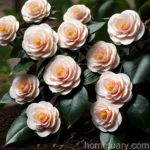
Camellia ‘Winter’s Charm’: A Complete Guide to Growing and Caring for this Stunning Plant
Camellia ‘Winter’s Charm’ is a beautiful and charming evergreen shrub with stunning winter blooms. With its attractive foliage and showy flowers, it is a popular choice for gardens and landscapes. In this comprehensive guide, we will explore everything you need to know about Camellia ‘Winter’s Charm’, including its cultural requirements, uses, propagation, common diseases and pests, and much more.
What is Camellia ‘Winter’s Charm’?
Camellia ‘Winter’s Charm’ is a cultivar of the Camellia genus, known for its stunning flowers and glossy, dark green foliage. This evergreen shrub belongs to the Theaceae family and is native to eastern and southern Asia. It is prized for its beautiful, rose-like flowers that come in various shades of pink, red, and white. ‘Winter’s Charm’ is a slow-growing shrub, typically reaching heights of 6 to 8 feet and spreads of 4 to 6 feet over many years, making it a perfect choice for both small and large garden spaces.
Key Takeaways
- Plant Name: Camellia ‘Winter’s Charm’
- Family: Theaceae
- Genus: Camellia
- Type: Evergreen shrub
- Growth Rate: Slow
- Mature Height: 6-8 feet
- Mature Spread: 4-6 feet
- Flower Colors: Pink, red, white
- Season of Interest: Winter and early spring
Culture
Water
Proper watering is essential for the health and vitality of Camellia ‘Winter’s Charm’. Here are some tips to ensure adequate moisture for your plant:
- Regular Watering: While ‘Winter’s Charm’ is somewhat drought-tolerant, it thrives in consistently moist soil. Ensure that the plant receives adequate water, especially during dry periods and hot summer months.
- Deep Watering: Water deeply but infrequently to encourage deep root growth and drought resistance. Avoid frequent shallow watering which can lead to shallow root systems.
Sunlight
Camellia ‘Winter’s Charm’ thrives in partial shade to full shade, making it an excellent choice for woodland gardens or partially shaded landscapes. Here are some sunlight requirements for optimal growth:
- Partial Shade: Plant in an area that receives dappled sunlight or partial shade, especially in the afternoon, to protect the plant from intense heat and sunburn.
- Filtered Light: If planting in a sunny location, provide some form of filtered light, such as under the canopy of a deciduous tree, to shield the plant from direct sunlight.
Fertilizer
Fertilizing ‘Winter’s Charm’ Camellias can help promote healthy growth and abundant blooms. Consider the following when fertilizing your plants:
- Acidic Fertilizer: Camellias prefer acidic soils. Choose a specialized acidic fertilizer formulated for acid-loving plants to provide essential nutrients while maintaining soil pH.
- Application Timing: Apply fertilizer in early spring before the growing season begins and avoid late-season fertilization, which can stimulate growth that is vulnerable to cold damage.
- Organic Options: Organic fertilizers, such as compost, well-rotted manure, or specially formulated organic blends, can be beneficial for long-term soil health and fertility.
Soil
Proper soil preparation is crucial for the successful growth of Camellia ‘Winter’s Charm’. Consider the following soil requirements:
- Well-Draining Soil: Plant Camellias in well-draining, loamy soil to prevent waterlogging and root rot. Amending heavy clay soils with organic matter such as compost or peat moss can improve drainage.
- Acidic pH: Camellias thrive in acidic soil with a pH range of 5.0 to 6.5. Test the soil pH regularly and use amendments such as elemental sulfur to lower pH if necessary.
- Mulching: Apply a layer of organic mulch, such as pine bark or wood chips, around the base of the plant to conserve moisture, suppress weeds, and maintain a cool, acidic environment for the roots.
Pruning
Proper pruning can help maintain the shape, size, and overall health of Camellia ‘Winter’s Charm’. Here are some essential pruning tips:
- Pruning Time: Prune Camellias after the blooming period, generally in late spring or early summer, to avoid removing potential flower buds.
- Deadheading: Remove spent flowers to encourage new growth and prevent the plant from expending energy on seed production.
- Selective Pruning: Thin out overcrowded branches and remove any dead, damaged, or diseased wood to improve airflow and overall plant health.
Uses
Landscapes
Camellia ‘Winter’s Charm’ is an ideal choice for various landscaping applications, such as:
- Foundation Planting: Use ‘Winter’s Charm’ as a focal point near the foundation of a building to add visual interest and year-round appeal.
- Shrub Borders: Plant in mixed borders or as a low hedge to create a stunning backdrop for other plants and flowers.
- Woodland Gardens: Incorporate ‘Winter’s Charm’ into shaded or woodland garden areas for its elegant flowers and evergreen foliage.
- Containers: Grow ‘Winter’s Charm’ in large containers for a portable burst of color on patios, decks, or entrances.
Indoor Arrangements
The beautiful blooms of Camellia ‘Winter’s Charm’ make it a popular choice for indoor arrangements and floral displays. Cut branches with buds or flowers can be used to create stunning floral arrangements, bringing the beauty of the outdoors inside.
Medicinal Properties
In traditional medicine, various parts of the Camellia plant have been used for their potential medicinal properties. However, it is important to note that the use of any plant for medicinal purposes should be approached with caution and under the guidance of a qualified healthcare professional.
Propagation
Camellia ‘Winter’s Charm’ can be propagated by several methods, including:
- Seeds: Collect seeds from mature fruits and sow them in a well-draining potting mix. Keep the medium consistently moist and provide warmth and bright, indirect light for germination.
- Cuttings: Take semi-hardwood cuttings in late spring or early summer and root them in a propagation medium with high humidity and bottom heat.
- Air Layering: Encourage the formation of roots on a stem while it is still attached to the mother plant by wrapping the stem with a moist medium and covering it with a plastic wrap until roots develop.
Container Popularity
Camellia ‘Winter’s Charm’ is a popular choice for container gardening, offering versatility and year-round ornamental value. Consider the following when growing ‘Winter’s Charm’ in containers:
- Container Selection: Choose a large, sturdy container with drainage holes to accommodate the plant’s root system and ensure proper drainage.
- Potting Mix: Use a well-draining, acidic potting mix suitable for acid-loving plants. Consider adding organic matter such as peat moss or compost to improve moisture retention.
- Watering and Fertilizing: Container-grown plants may require more frequent watering and fertilization than those in the ground. Monitor moisture levels and feed with a balanced, acidic fertilizer according to the manufacturer’s recommendations.
Common Diseases
Camellia ‘Winter’s Charm’ may be susceptible to certain diseases, including:
- Camellia Flower Blight: Characterized by brown, water-soaked spots on flower petals, this fungal disease can lead to flower browning and shriveling. Improve air circulation and avoid overhead watering to prevent the spread of the disease.
- Camellia Dieback: Caused by several fungi, dieback can lead to the wilting and dieback of shoots and branches. Prune affected areas and properly dispose of the infected plant material to prevent the spread of the disease.
- Root Rot: Excessive moisture and poorly draining soil can lead to root rot, causing the plant to wilt and decline. Maintain proper watering practices and improve soil drainage to prevent this fungal disease.
Disease Diagnosis
Diagnosing diseases in Camellia ‘Winter’s Charm’ involves careful observation of symptoms and potential causal factors. Here are some steps to consider when diagnosing plant diseases:
- Symptom Identification: Look for visual cues such as leaf spots, wilting, discoloration, or abnormal growth patterns that may indicate a disease or pest issue.
- Environmental Factors: Consider factors such as watering practices, humidity levels, sunlight exposure, and soil conditions that may contribute to disease development.
- Professional Consultation: If unsure about the diagnosis, seek guidance from a local extension service, plant clinic, or experienced horticulturist for accurate disease identification and management recommendations.
Common Pests
Camellia ‘Winter’s Charm’ may attract various pests, including:
- Aphids: These small, soft-bodied insects may cluster on new shoots and flower buds, feeding on plant sap and excreting honeydew. Use insecticidal soap or horticultural oil to control aphid populations.
- Scale Insects: Visible as small, raised bumps on stems and leaves, scale insects can weaken the plant by feeding on sap. Remove scale insects manually or use horticultural oil to suffocate them.
- Tea Scale: This specific type of scale insect infests the undersides of camellia leaves, causing yellow speckling and leaf drop. Use horticultural oil or insecticidal soap to manage tea scale infestations.
Botanist’s Tips
As a plant scientist, I recommend the following tips for growing and caring for Camellia ‘Winter’s Charm’:
- Consistent Moisture: Maintain consistent soil moisture, especially during the establishment period and hot, dry periods.
- Mulch Application: Apply a layer of organic mulch around the base of the plant to conserve soil moisture and discourage weed growth.
- Proper Pruning: Practice selective pruning to maintain an open, healthy canopy and remove dead or diseased wood as needed.
Fun Facts
- The Camellia genus is named after Georg Kamel, a Jesuit missionary and naturalist who traveled to the Philippines where he discovered and described the plant.
- Camellia sinensis, a species within the Camellia genus, is famous for being the source of tea leaves used for making green, black, white, and oolong tea.
- The blooming season of Camellia ‘Winter’s Charm’ typically occurs in late winter to early spring, depending on the climate and growing conditions.
Links to External Resources
For further information on Camellia ‘Winter’s Charm’ and related topics, consider exploring the following external resources:
- American Camellia Society
- Royal Horticultural Society: Camellia Care
- University of Georgia Extension: Camellia Culture
In conclusion, Camellia ‘Winter’s Charm’ is a captivating and versatile plant that adds grace and beauty to gardens and landscapes. By providing the appropriate cultural care, addressing common diseases and pests, and understanding its uses and propagation methods, you can enjoy the stunning blooms and lush foliage of ‘Winter’s Charm’ for years to come.
Remember to embrace the joy of gardening and the natural wonders of the plant world, as you nurture and appreciate the remarkable Camellia ‘Winter’s Charm’ in your own green spaces.
References:
– Cox, P. A. (2003). Camellias: the gardener’s encyclopedia. Timber Press.
– Rankins, S. R., & Moot-Willis, S. (2006). American Camellia Yearbook. American Camellia Society.