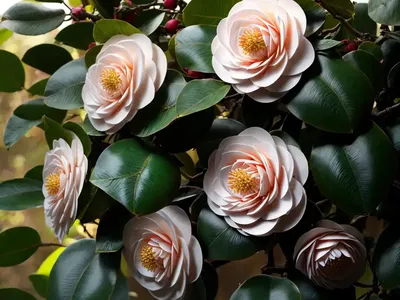
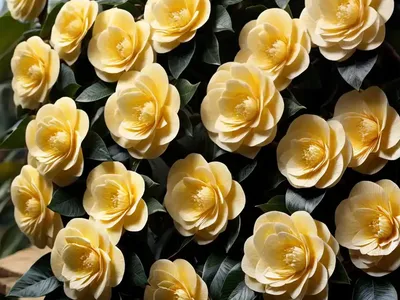
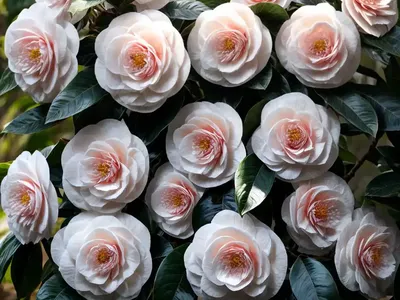
Camellia Japonica ‘Elegans’)
In the realm of ornamental plants, few can match the timeless elegance and beauty of the Camellia japonica ‘Elegans’. These exquisite plants have been.
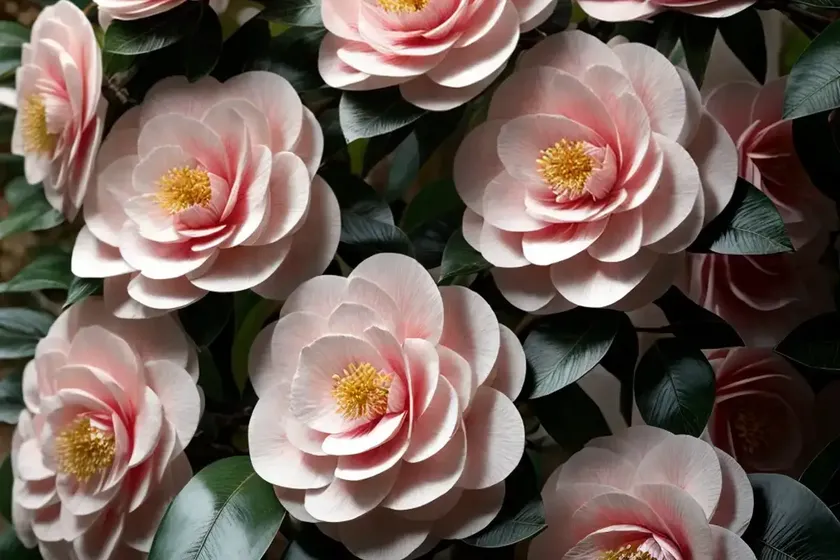
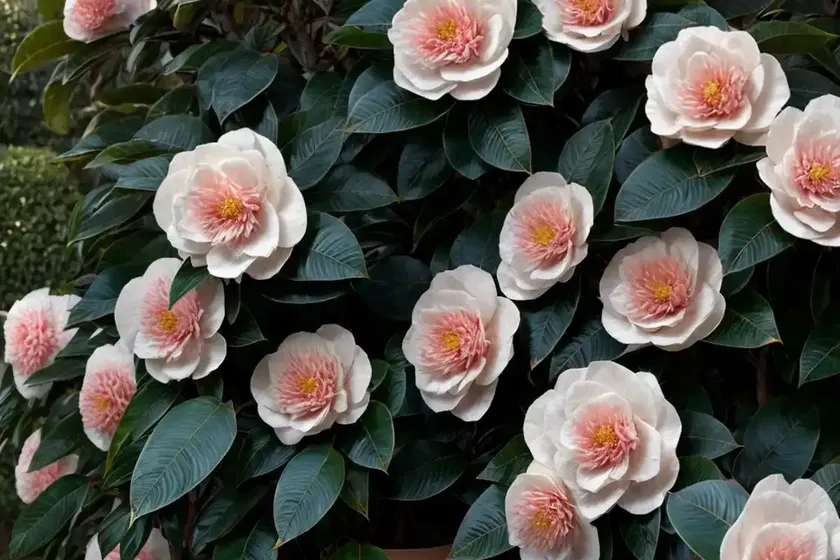
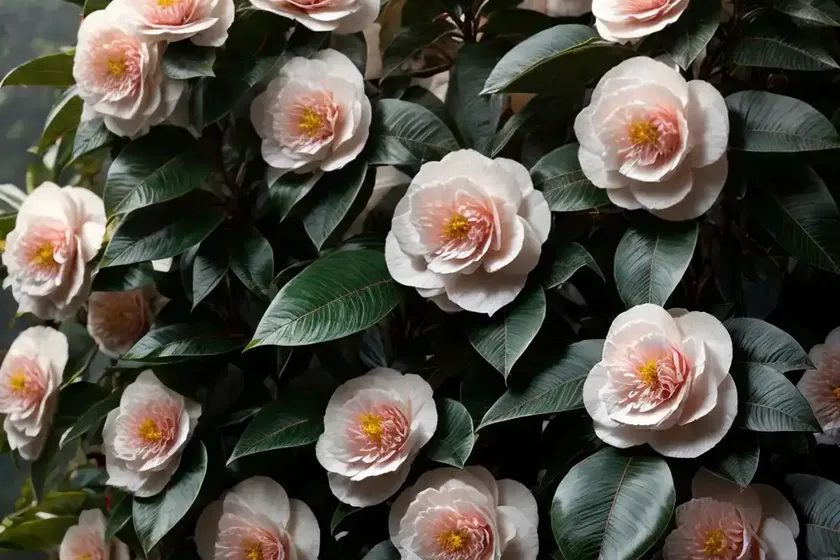
In the realm of ornamental plants, few can match the timeless elegance and beauty of the Camellia japonica ‘Elegans’. These exquisite plants have been coveted for centuries for their stunning flowers, glossy evergreen foliage, and easy-going nature. If you’re captivated by the allure of these alluring plants, you’re in for a treat as we delve into the intricacies of caring for and cultivating the Camellia japonica ‘Elegans’. From understanding its essential needs to propagation techniques and common pests and diseases, this comprehensive guide will equip you with the knowledge to nurture these plants to perfection.
What is Camellia japonica ‘Elegans’?
The Camellia japonica ‘Elegans’ is a cultivar of the species Camellia japonica, which is a member of the Theaceae family. Known for its large, showy blooms and dark, glossy foliage, this evergreen shrub is native to East Asia, including China, Taiwan, South Korea, and Japan. With its ability to thrive in temperate climates and its striking ornamental appeal, it has become a beloved addition to gardens and landscapes around the world.
Key Takeaways
- Botanical Name: Camellia japonica ‘Elegans’
- Common Name: Elegans Camellia
- Family: Theaceae
- Origin: East Asia
- Type: Evergreen shrub
- Cultivar: ‘Elegans’
- Blooms: Large showy flowers
- Foliage: Dark glossy leaves
Now, let’s explore the essential aspects of caring for and cultivating this remarkable plant.
Culture
Cultivating Camellia japonica ‘Elegans’ involves understanding its specific cultural requirements to ensure its optimal growth and development. Below are the key elements to consider when nurturing these beautiful shrubs.
Water
Proper hydration is crucial for the health and vigor of Camellia japonica ‘Elegans’. These plants prefer consistently moist, well-drained soil. While they do require regular watering, it’s essential to avoid waterlogged conditions, as this can lead to root rot and other moisture-related issues. During periods of hot weather or dry spells, it’s important to monitor the soil moisture closely and provide supplemental watering as needed.
Sunlight
Camellia japonica ‘Elegans’ thrives in partially shaded to shaded locations. While they appreciate some dappled sunlight, they are sensitive to excessive heat and direct sun exposure, especially during the peak of summer. In regions with intense sunlight, providing them with protection from the harsh midday sun is beneficial in maintaining their health and preventing leaf scorch.
Fertilizer
Proper nutrition is essential for promoting robust growth and abundant blooms in Camellia japonica ‘Elegans’. A balanced, acid-forming fertilizer specifically formulated for acid-loving plants can be applied in early spring before the onset of new growth. Additionally, a light application of fertilizer in late spring can further support the development of flower buds and overall plant vigor. It’s important to follow the manufacturer’s recommendations regarding application rates and frequency to prevent over-fertilization, which can be detrimental to the plant.
Soil
These plants thrive in well-draining, slightly acidic soil with a pH range between 5.0 and 6.5. Amending the soil with organic matter such as pine bark, peat moss, or compost can improve its structure and acidity, creating an ideal growing medium for Camellia japonica ‘Elegans’. Additionally, mulching the soil surface with organic materials can help retain moisture, suppress weed growth, and insulate the roots from temperature extremes.
Pruning
Pruning is an essential aspect of maintaining the health, shape, and flowering potential of Camellia japonica ‘Elegans’. Here are some key considerations when it comes to pruning these graceful shrubs.
- Pruning Frequency: Regular pruning isn’t always necessary for Camellia japonica ‘Elegans’, but periodic maintenance can help remove dead or diseased wood, improve air circulation, and shape the plant to enhance its aesthetic appeal.
- Timing: The best time to prune these plants is generally after their blooming period. This allows you to assess the extent of flowering and make selective cuts without compromising the following year’s floral display.
- Techniques: When pruning, it’s important to use sharp, clean tools to make precise cuts without causing unnecessary damage to the plant. Removing crossing or inward-growing branches, as well as any dead or damaged wood, can help maintain the plant’s health and shape.
Propagation
Propagating Camellia japonica ‘Elegans’ allows for the expansion of your plant collection or the sharing of its beauty with fellow gardening enthusiasts. Here are some common methods of propagating these captivating shrubs.
- Air Layering: This method involves creating a small incision in a healthy, mature branch, applying a rooting hormone, and enclosing the wounded area with moist sphagnum moss or a similar medium. Over time, roots will develop at the incision site, and the rooted section can be separated and potted as a new plant.
- Cuttings: Taking semi-hardwood cuttings from healthy, disease-free plants in late summer or early autumn can yield successful propagation results. These cuttings can be treated with rooting hormone and rooted in a well-draining medium before being transplanted into individual pots once they have established roots.
Container Popularity
Camellia japonica ‘Elegans’ is a popular choice for container gardening due to its ornamental value, compact growth habit, and adaptability to container environments. When grown in containers, these plants can be showcased on patios, balconies, or other outdoor spaces, allowing their captivating blooms to be appreciated up close. Additionally, container cultivation provides the flexibility to optimize the growing conditions, such as soil composition, moisture levels, and sunlight exposure, to suit the plant’s specific needs.
Container Common Diseases
While container cultivation offers several advantages, it’s important to be mindful of potential diseases that can affect Camellia japonica ‘Elegans’ when grown in containers. Common container-related diseases include:
Root Rot
- Symptoms: Yellowing or wilting foliage, stunted growth, and a foul odor emanating from the soil.
- Prevention: Use well-draining, high-quality potting mix, and ensure that containers have adequate drainage holes to prevent waterlogging.
Leaf Spot
- Symptoms: Dark spots or lesions on the foliage, which may coalesce and lead to premature leaf drop.
- Prevention: Ensure proper air circulation around the plant, avoid overhead watering, and maintain a clean growing environment.
Powdery Mildew
- Symptoms: White powdery growth on the leaves and shoots, often accompanied by distorted growth.
- Prevention: Provide adequate air circulation, space the containers to allow for sufficient light penetration, and avoid excessive nitrogen fertilization, which can promote succulent growth prone to infection.
Disease Diagnosis
When dealing with potential diseases, it’s crucial to accurately diagnose the issue to implement appropriate management strategies. Conducting a thorough assessment of the plant’s symptoms, such as leaf discoloration, wilting, or unusual growth patterns, can provide valuable clues to identify the underlying problem. Additionally, consulting with local horticultural experts or extension services can aid in diagnosing and addressing specific diseases that may affect Camellia japonica ‘Elegans’ in your region.
Common Pests
Despite their resilience, Camellia japonica ‘Elegans’ can be susceptible to various pests that can diminish their vitality and aesthetic appeal. The following are some common pests to be mindful of when caring for these plants.
Aphids
- Identification: Small, soft-bodied insects typically found clustered on new growth and the undersides of leaves.
- Management: Spraying with insecticidal soap or horticultural oil can effectively control aphid populations without causing harm to beneficial insects.
Scale Insects
- Identification: These pests appear as small, often immobile, raised bumps on stems and the undersides of leaves.
- Management: Using a soft brush or cotton swab to physically remove the scales, followed by the application of horticultural oil, can help manage scale insect infestations.
Spider Mites
- Identification: These tiny pests can cause stippling on the foliage and spin fine webbing around the leaves and stems.
- Management: Regularly misting the plant to increase humidity and using predatory mites as biological control agents can be effective in managing spider mite populations.
Botanist’s Tips
To ensure the successful cultivation of Camellia japonica ‘Elegans’, consider the following tips from seasoned botanists and horticulturists:
-
Mulch Mindfully: Applying a layer of organic mulch around the base of the plant can help conserve soil moisture, suppress weeds, and regulate soil temperature. However, it’s essential to avoid piling the mulch against the plant’s trunk, as this can create a favorable environment for pests and diseases.
-
Monitor Moisture Levels: Periodically check the soil moisture levels to determine the need for watering. While these plants prefer consistently moist soil, it’s crucial to avoid overwatering, as this can lead to root suffocation and other moisture-related issues.
-
Optimize Growing Conditions: Assess the environmental factors, such as sunlight exposure, soil acidity, and air circulation, to create an ideal growing environment for Camellia japonica ‘Elegans’. Adjusting these conditions as needed can promote the plant’s overall health and vigor.
-
Attend to Pests and Diseases Promptly: Regular monitoring for pests and diseases can prevent infestations from escalating and causing significant damage to the plant. Implementing early intervention measures, such as cultural controls or targeted treatments, can effectively manage these issues.
Fun Facts
-
The species name “japonica” in Camellia japonica ‘Elegans’ reflects its origin in Japan, where it has been revered for centuries as a symbol of purity and refinement.
-
Camellia oil, derived from the seeds of certain Camellia species, has been traditionally used in cosmetics and culinary applications due to its nourishing properties and mild flavor.
-
Camellia sinensis, another species within the Camellia genus, is renowned for its leaves, which are used to produce tea, including green, black, white, and oolong varieties.
Now that we’ve explored the intricate facets of caring for and cultivating Camellia japonica ‘Elegans’, it’s time to delve into the resources that can further enrich your understanding and appreciation of these remarkable plants.
Links to External Resources
For additional information and insights on Camellia japonica ‘Elegans’, consider exploring the following resources:
-
American Camellia Society: The American Camellia Society offers a wealth of information on various Camellia species and cultivars, including gardening tips, historical perspectives, and regional resources.
-
Royal Horticultural Society: The RHS provides comprehensive guidance on growing and caring for ornamental plants, including detailed profiles of Camellia japonica ‘Elegans’ and its cultivation requirements.
-
University Extension Services: Many university extension services offer valuable publications and online resources that address specific horticultural topics, including the care and management of ornamental plants.
By tapping into these resources, you can expand your knowledge and access a diverse array of insights to enrich your journey in cultivating and enjoying the captivating beauty of Camellia japonica ‘Elegans’.
In conclusion, the Camellia japonica ‘Elegans’ stands as a testament to the enduring allure and botanical fascination that ornamental plants offer. With a deeper understanding of its cultural preferences, propagation techniques, and potential challenges, you are well-equipped to embark on a rewarding journey of nurturing these captivating shrubs. Whether adorning gardens, landscapes, or containers, the elegance of Camellia japonica ‘Elegans’ can continue to inspire and captivate enthusiasts, fostering an enduring appreciation for the remarkable world of ornamental horticulture.
-
American Camellia Society. “Camellia Care Resources.” https://www.camellias-acs.com/
-
Royal Horticultural Society. “Camellia japonica ‘Elegans’ Profile.” https://www.rhs.org.uk/
-
United States Department of Agriculture – National Institute of Food and Agriculture. “Extension Services.” https://nifa.usda.gov/