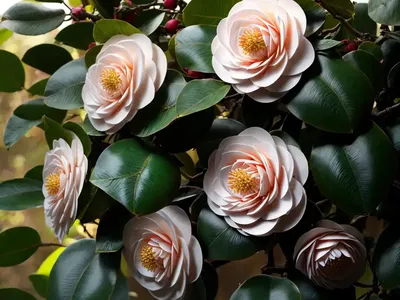
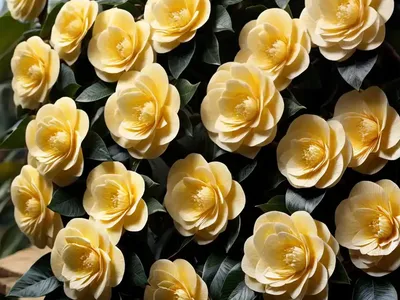
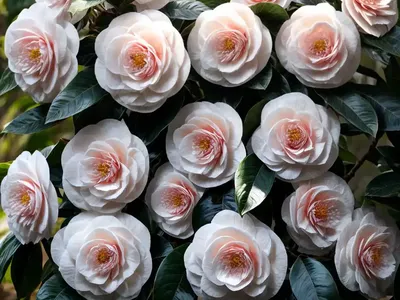
Camellia Japonica ‘Bob Hope’)
The Camellia japonica ‘Bob Hope’ is a stunning evergreen shrub with rich, dark red flowers which are a treat to behold. This variety is a true showstopper.
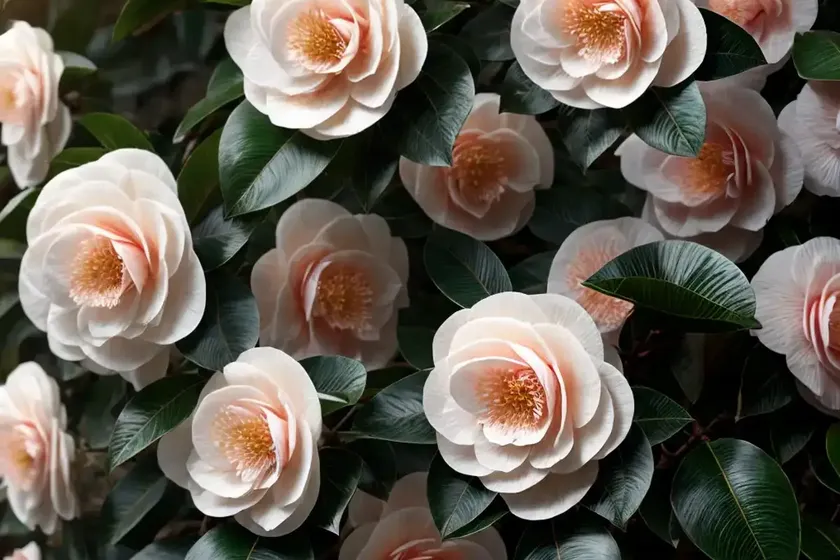
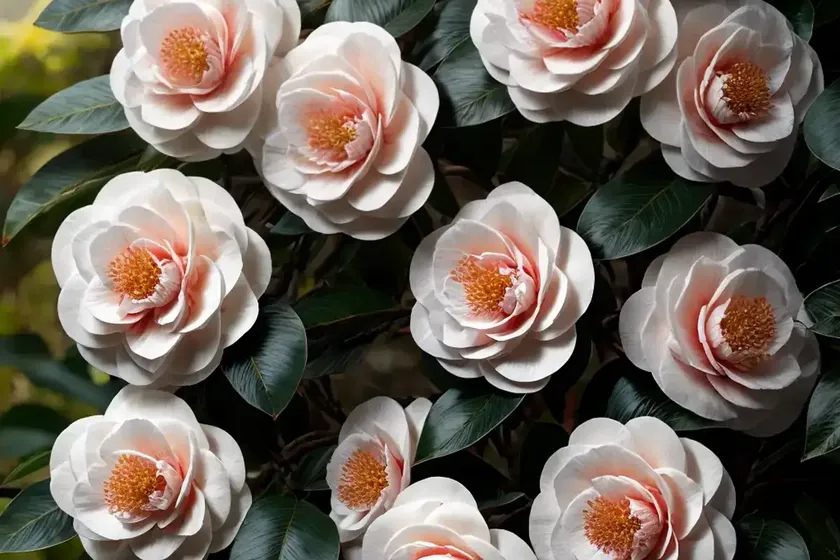
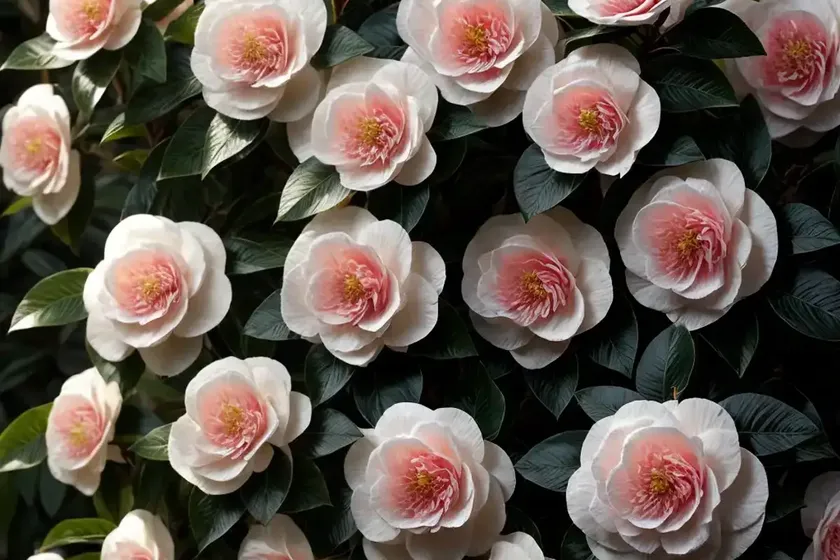
The Camellia japonica ‘Bob Hope’ is a stunning evergreen shrub with rich, dark red flowers which are a treat to behold. This variety is a true showstopper and a favorite among gardeners for its vibrant blooms and easy maintenance. In this guide, we will explore everything you need to know about this exquisite plant, from its cultural needs to its characteristics, maintenance, common diseases, and much more.
What is Camellia japonica ‘Bob Hope’?
Camellia japonica ‘Bob Hope’ is a flowering plant that belongs to the Theaceae family, native to East Asia. Specifically, it hails from Japan, Korea, and China, where it can often be found growing in the wild. This plant is prized for its showy, deep red flowers and glossy, dark green foliage, which provides an exquisite contrast and makes it an excellent choice for ornamental gardening.
‘Bob Hope’ is a cultivar within the Camellia japonica species, which is known for its large, beautiful flowers and its popularity in gardens and landscapes. This cultivar, in particular, is highly regarded for its stunning blooms and relatively low maintenance requirements, making it a popular choice among gardeners who want to add a touch of elegance to their outdoor spaces.
Key Takeaways
Before we delve into the details, let’s summarize the key points about the Camellia japonica ‘Bob Hope’:
- Botanical Name: Camellia japonica ‘Bob Hope’
- Common Name: Bob Hope Camellia
- Plant Type: Evergreen shrub
- Flower Color: Dark red
- Foliage: Glossy, dark green
- Growth Habit: Upright, dense
- Hardiness Zones: 7-9
- Mature Height: 8-10 feet
- Mature Spread: 6-8 feet
- Light Requirements: Partial shade to full shade
- Soil Preferences: Well-drained, acidic
- Maintenance Level: Low to moderate
Now that we have an overview of the Camellia japonica ‘Bob Hope’, let’s explore the details of its cultural requirements, uses, and maintenance.
Culture
The culture of Camellia japonica ‘Bob Hope’ encompasses a range of factors including water, sunlight, fertilizer, soil, pruning, propagation, and container gardening. Understanding and meeting these requirements is key to ensuring the healthy growth and abundant flowering of this beautiful shrub.
Water
Proper watering is essential for the health and vigor of Camellia japonica ‘Bob Hope’. While these plants are relatively drought-tolerant once established, they benefit from regular watering, especially during periods of dry weather. Here are some essential points to consider when it comes to watering this shrub:
- Establishment: Newly planted Camellia japonica ‘Bob Hope’ should be watered regularly to aid in root establishment. A consistent watering schedule, with deep and thorough watering, is crucial during the first year.
- Deep Watering: The root system of this shrub extends relatively deep into the soil. To encourage deep and healthy root growth, it’s essential to provide deep watering rather than frequent shallow watering.
- Moisture Retention: Applying a layer of organic mulch around the base of the plant can help retain soil moisture, regulate soil temperature, and suppress weed growth.
Sunlight
Camellia japonica ‘Bob Hope’ thrives in partial shade to full shade, making it an excellent choice for shady spots in the garden. Here are some key points about providing the right amount of sunlight for this shrub:
- Partial Shade: This plant prefers locations with dappled sunlight or partial shade. In hotter climates, providing afternoon shade can help protect the plant from excessive heat and sun exposure.
- Protection from Harsh Sun: While ‘Bob Hope’ can tolerate some morning sunlight, it is important to shield it from intense, direct sun, particularly during the hottest part of the day.
- Indicators of Sun Stress: Yellowing or scorched leaves can be indicators of sun stress. If these symptoms occur, consider relocating the plant to a more shaded area.
Fertilizer
To support healthy growth and abundant flowering, Camellia japonica ‘Bob Hope’ can benefit from regular fertilization. Here are some guidelines for effectively fertilizing this shrub:
- Acidic Fertilizer: Camellias, including ‘Bob Hope’, thrive in acidic soil conditions. Therefore, it’s important to use a fertilizer specifically formulated for acid-loving plants.
- Timing: Fertilize ‘Bob Hope’ in early spring, before new growth begins, as well as in late spring to early summer to support flower bud development.
- Avoid High Nitrogen Fertilizers: While nitrogen is important for overall plant health, excessive nitrogen can lead to lush foliage at the expense of flowers. Use a balanced, slow-release fertilizer to provide essential nutrients without promoting excessive vegetative growth.
- Mulch as a Nutrient Source: Organic mulch not only helps retain soil moisture but also breaks down over time, releasing nutrients into the soil. This can complement the effects of regular fertilizer applications.
Soil
Creating the right soil environment is crucial for the success of Camellia japonica ‘Bob Hope’. Here are the key soil preferences for this shrub:
- Acidic Soil: ‘Bob Hope’ thrives in acidic soil with a pH range of 5.0-6.5. Soil testing can help determine the acidity of the soil and guide the application of appropriate amendments to achieve the desired pH level.
- Well-Drained Soil: Good drainage is essential to prevent waterlogged conditions, which can lead to root rot and other issues. Amending heavy clay soils with organic matter can improve drainage and create a more suitable growing environment for the plant.
- Soil Structure: Loose, friable soil with good aeration supports healthy root development and nutrient uptake. Incorporating compost or peat moss into the soil can improve its structure and fertility.
Pruning
Proper pruning helps maintain the shape, size, and overall health of Camellia japonica ‘Bob Hope’. Here are some important considerations for pruning this shrub:
- Timing: Pruning is best done immediately after the plant finishes flowering, typically in late spring or early summer. This timing allows the next season’s flower buds to develop without interruption.
- Pruning Objectives: The primary objectives of pruning ‘Bob Hope’ include removing dead or diseased branches, shaping the plant, and maintaining a healthy structure. It’s important to avoid heavy pruning, as this can impact flowering the following season.
- Sanitization: Using clean, sharp pruning tools and sanitizing them between cuts can help prevent the spread of diseases and ensure smooth, precise cuts.
Propagation
Camellia japonica ‘Bob Hope’ can be propagated through various methods, including seeds, cuttings, and air layering. Here are some basic guidelines for propagating this beautiful shrub:
- From Cuttings: Softwood cuttings can be taken in late spring or early summer. Choose healthy, non-flowering shoots and propagate them in a well-draining, moist rooting medium. Keep the cuttings in a warm, humid environment to encourage root development.
- Air Layering: This method involves inducing roots to form on a stem while it is still attached to the parent plant. Once roots have developed, the rooted section can be severed and transplanted into its own container or location in the garden.
- From Seeds: While ‘Bob Hope’ can be grown from seeds, this method is less common due to the variability in seedling traits. If propagating from seeds, select seeds from a reliable source and be prepared for variations in flower color and other characteristics.
Container Popularity
Camellia japonica ‘Bob Hope’ is well-suited to container gardening, allowing enthusiasts to enjoy its stunning blooms in patio spaces, on balconies, or in other areas with limited garden space. When cultivating ‘Bob Hope’ in containers, consider the following:
- Container Selection: Choose a container that provides ample room for root growth and has drainage holes to prevent waterlogging. Select a potting mix specifically formulated for acid-loving plants to provide the ideal growing medium.
- Sun Exposure: While ‘Bob Hope’ prefers partial shade to full shade, its potted counterparts may require careful consideration of sun exposure. Protect container-grown plants from intense midday sun, especially in warmer climates.
- Watering and Fertilization: Container-grown Camellias may require more frequent watering than their in-ground counterparts, as containers can dry out more quickly. Regular fertilization is also essential for replenishing nutrients in the confined growing environment.
Common Diseases
Despite its beauty and resilience, Camellia japonica ‘Bob Hope’ is susceptible to certain diseases that can impact its health and appearance. Understanding these common diseases and their management is important for maintaining the vigor of this shrub.
Disease Diagnosis
When growing Camellia japonica ‘Bob Hope’, it’s important to monitor the plant for signs of common diseases, including the following:
- Canker: Canker is characterized by sunken, discolored areas on the stems and branches. These can enlarge over time and lead to dieback, weakening the plant. Pruning out affected branches and promoting overall plant health can help manage canker.
- Leaf Spot: Leaf spot presents as dark, irregularly-shaped spots on the foliage. This fungal disease can lead to premature leaf drop and reduced vigor. Proper sanitation, including removing and destroying affected leaves, and promoting good air circulation can help manage leaf spot.
- Root Rot: This condition, caused by waterlogged soil and certain soilborne pathogens, can result in root decay and reduced nutrient uptake. Avoid overwatering, improve soil drainage, and ensure proper planting depth to prevent root rot.
Common Pests
In addition to diseases, Camellia japonica ‘Bob Hope’ can be affected by various pests that can compromise its health and appearance. Common pests include:
- Aphids: These small, soft-bodied insects can colonize new growth and tender shoots, sucking sap from the plant and excreting honeydew. Natural predators, such as ladybugs, can help keep aphid populations in check.
- Scale Insects: Scales can appear as small, raised bumps on the undersides of leaves or along stems. They feed on plant sap and can weaken the plant over time. Horticultural oil or insecticidal soap can be effective in managing scale infestations.
- Spider Mites: These tiny pests can cause stippling and webbing on the undersides of leaves. Regularly spraying the foliage with a strong stream of water and providing adequate humidity can help deter spider mites.
Botanist’s Tips
For success in growing and caring for Camellia japonica ‘Bob Hope’, consider the following expert tips from botanists and experienced gardeners:
- Regular Monitoring: Regularly inspect ‘Bob Hope’ for signs of pests, diseases, or nutrient deficiencies. Early detection and intervention can prevent problems from escalating and support the plant’s overall health.
- Soil Testing: Periodic soil testing can provide valuable insights into the pH level and nutrient content of the soil. Adjusting the soil pH and addressing any nutrient deficiencies can optimize the growing conditions for ‘Bob Hope’.
- Appropriate Mulching: Applying a layer of organic mulch around the base of the plant can help retain moisture, regulate soil temperature, and inhibit weed growth. Mulch also contributes organic matter to the soil as it breaks down.
Fun Facts
As you enjoy the beauty of Camellia japonica ‘Bob Hope’ in your garden, consider these intriguing fun facts about this captivating shrub:
- The flowers of ‘Bob Hope’ are not only visually stunning but also have a delightful fragrance, adding an extra dimension of appeal to this cultivar.
- In addition to their ornamental value in gardens and landscapes, Camellias have been used historically in traditional Chinese medicine for various medicinal purposes.
- ‘Bob Hope’ is not only a beautiful addition to your outdoor space but can also serve as a wildlife-friendly plant, attracting birds and pollinators with its nectar-rich flowers.
Links to External Resources
For further reading and to expand your knowledge of Camellia japonica ‘Bob Hope’, consider exploring the following external resources:
- American Camellia Society – Camellia Japonica
- Royal Horticultural Society – Camellia
- University of Florida IFAS Extension – Camellias
As you embark on your journey of growing and caring for Camellia japonica ‘Bob Hope’, may this comprehensive guide serve as a valuable resource to support you in cultivating and enjoying the beauty of this exceptional shrub.
Happy gardening!
The article provides a comprehensive overview of the elegant Camellia japonica ‘Bob Hope’, covering its cultural requirements, uses, maintenance, common diseases, and more. The content is enriched with botanical insights, expert tips, and fascinating fun facts to provide a thorough understanding of this captivating shrub.