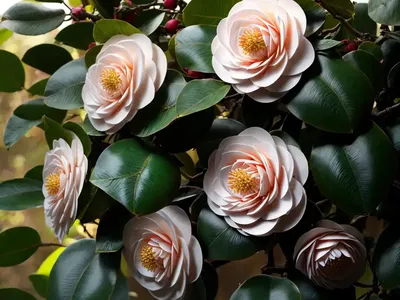
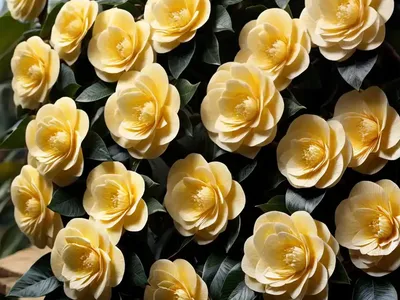
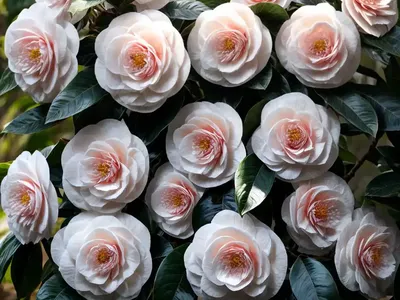
Camellia Japonica ‘Ballet Dancer’)
Camellia japonica, commonly known as “Ballet Dancer,” is a beautiful flowering plant that belongs to the Theaceae family. This evergreen shrub is prized.
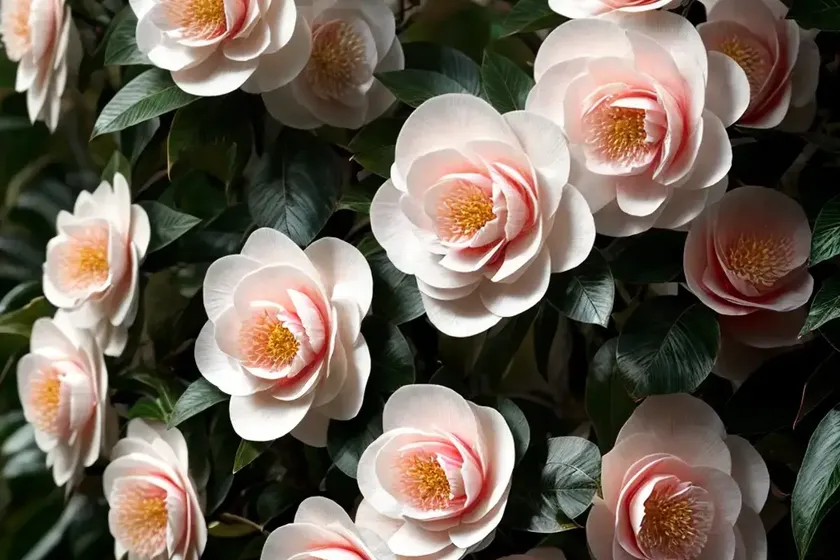
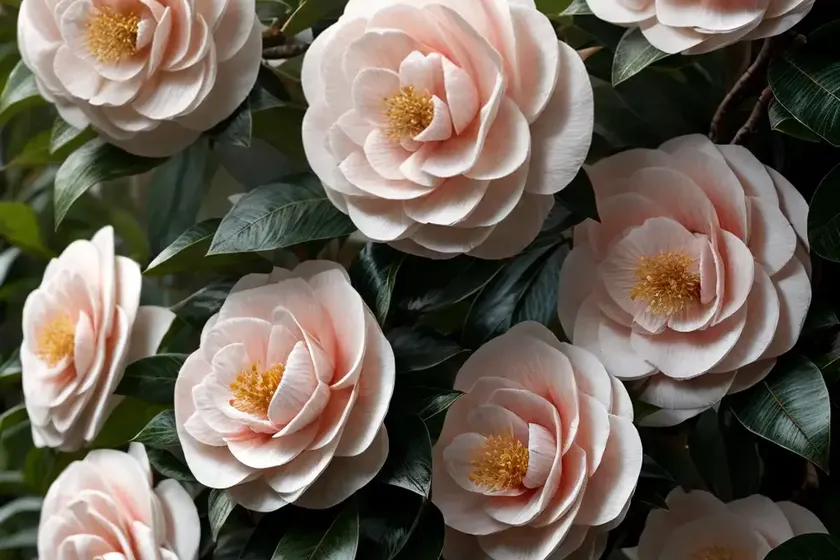
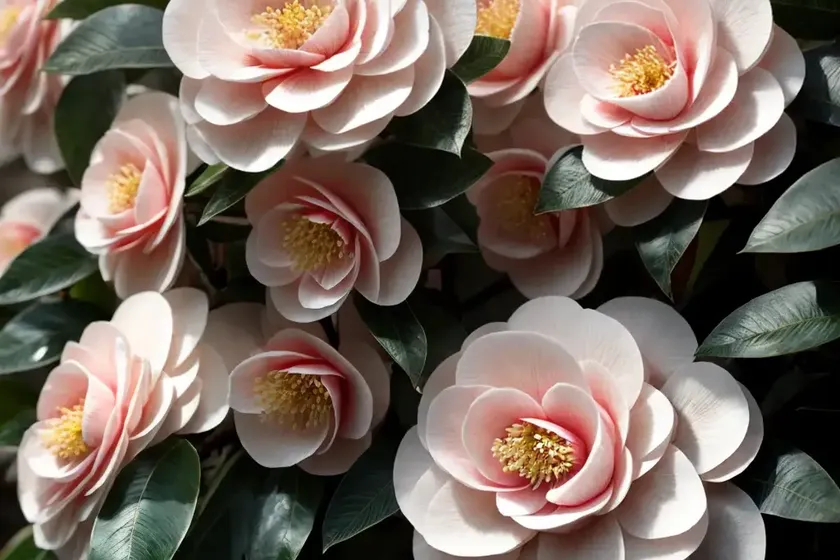
Camellia japonica, commonly known as “Ballet Dancer,” is a beautiful flowering plant that belongs to the Theaceae family. This evergreen shrub is prized for its stunning blossoms and is a favorite among gardeners and landscapers. In this comprehensive guide, we will explore the various aspects of Camellia japonica ‘Ballet Dancer,’ including its cultural requirements, uses, maintenance, and more.
What is Camellia japonica ‘Ballet Dancer’?
Camellia japonica, also referred to as Japanese Camellia, is a species of flowering plant native to Japan, Korea, and China. It is one of the most well-known species of the genus Camellia and is highly valued for its ornamental qualities. ‘Ballet Dancer’ is a specific cultivar of Camellia japonica, prized for its exquisite, double-petaled flowers and graceful appearance.
Key Takeaways
Before delving into the specifics of caring for Camellia japonica ‘Ballet Dancer,’ here are some key takeaways to keep in mind:
- Botanical Name: Camellia japonica ‘Ballet Dancer’
- Common Name: Ballet Dancer Camellia
- Family: Theaceae
- Origin: Japan, Korea, China
- Type: Evergreen shrub
- Uses: Ornamental, landscaping
- Blooming Season: Late winter to early spring
- Hardiness Zones: 7-9
- Mature Height: 6-10 feet
- Mature Spread: 4-6 feet
- Sunlight: Partial shade to full shade
- Soil: Well-draining, acidic soil
- Watering: Regular, especially during dry periods
- Fertilizer: Specific Camellia fertilizer, as needed
- Pruning: Minimal pruning for shaping and maintenance
Now, let’s delve into the specific aspects of cultivating and caring for this remarkable plant.
Culture
Understanding the cultural requirements of Camellia japonica ‘Ballet Dancer’ is vital to ensure its healthy growth and prolific blooming. This includes considerations such as water, sunlight, soil, and fertilizer.
Uses
Camellia japonica ‘Ballet Dancer’ is primarily used for ornamental purposes, adding elegance and charm to gardens, landscapes, and even indoor spaces. Its striking, delicate flowers make it an ideal choice for adding color and texture to shaded areas, woodland gardens, and mixed borders.
Water
Proper watering is essential for the health and vitality of Camellia japonica ‘Ballet Dancer.’ While it is crucial to ensure an adequate and consistent water supply, it is equally important to avoid waterlogging, which can lead to root rot and other issues.
Aim to keep the soil evenly moist, especially during dry periods or when the plant is establishing itself. Use mulch around the base of the plant to help retain moisture and regulate soil temperature.
Sunlight
Camellia japonica ‘Ballet Dancer’ thrives in partial shade to full shade, making it an excellent choice for areas with limited direct sunlight. It is well-suited for shaded gardens, under the canopy of trees, or on the north side of buildings where sunlight is less intense.
It is essential to protect the plant from harsh midday sun, particularly in hotter climates, as this can scorch the leaves and affect the overall health of the plant.
Fertilizer
Fertilizing Camellia japonica ‘Ballet Dancer’ can help maintain its vigor and promote abundant flowering. Use a specific Camellia fertilizer or a well-balanced, acidic fertilizer designed for acid-loving plants. Apply the fertilizer in early spring before the growing season begins, taking care to follow the manufacturer’s recommendations regarding application rates and methods.
Avoid excessive fertilization, as this can lead to nutrient imbalances and potential damage to the plant.
Soil
The soil requirements of Camellia japonica ‘Ballet Dancer’ are an essential consideration for its successful cultivation. It thrives in well-draining, acidic soil with a pH ranging from 5.0 to 6.5. If your soil is not naturally acidic, you can adjust it by incorporating organic materials such as peat moss, compost, or well-rotted pine bark.
Maintaining the proper soil pH is crucial for ensuring the plant’s ability to access essential nutrients and minerals from the soil.
Pruning
Proper pruning is essential for maintaining the shape, size, and health of Camellia japonica ‘Ballet Dancer.’ While this cultivar is generally low-maintenance in terms of pruning, a few key principles can help guide your approach.
Pruning Tips
- Timing: Prune Camellia japonica ‘Ballet Dancer’ immediately after flowering, typically in late spring or early summer. This allows the plant to set new buds for the following year’s blossoms without sacrificing the next season’s flowers.
- Objective: Focus on removing dead, damaged, or diseased branches, as well as any crossing or overcrowded growth. This helps improve air circulation and reduces the risk of pest and disease issues.
- Technique: Use clean, sharp pruning shears to make precise cuts. Aim for a natural, balanced shape, and avoid excessive pruning, which can compromise the plant’s energy reserves.
- Maintenance: Regular maintenance pruning, such as the removal of spent flowers, can help keep the plant tidy and encourage additional blooming.
Adhering to these pruning tips can contribute to the overall health and beauty of Camellia japonica ‘Ballet Dancer’ while preserving its natural form and elegance.
Propagation
Propagating Camellia japonica ‘Ballet Dancer’ can be an enjoyable and rewarding process. While it is commonly propagated through semi-hardwood cuttings, air layering, or grafting, we will focus on the propagation method of semi-hardwood cuttings.
Semi-Hardwood Cuttings
- Timing: Collect semi-hardwood cuttings in late summer to early autumn when the current season’s growth starts to mature and slightly harden.
- Preparation: Select healthy, disease-free stems that are approximately 4-6 inches long. Remove the lower leaves, leaving 2-3 sets of leaves at the top.
- Rooting Medium: Dip the cut ends in a rooting hormone to promote root development, then plant them in a well-draining, sterile propagation medium such as a mix of perlite and peat.
- Environment: Place the cuttings in a sheltered, partially shaded area with high humidity. Provide bottom heat if possible to encourage root growth.
- Care: Keep the medium consistently moist but not waterlogged, and monitor the cuttings for signs of new growth, indicating successful rooting.
Once the cuttings have developed strong roots, they can be transplanted into individual containers or directly into the garden, where they will continue to grow into beautiful, flowering shrubs.
Container Popularity
Camellia japonica ‘Ballet Dancer’ is well-suited for container cultivation, making it a popular choice for individuals with limited outdoor space or for those who wish to create stunning patio or balcony displays. When grown in containers, Camellia japonica ‘Ballet Dancer’ thrives in the same cultural conditions as those grown in the ground, with a few additional considerations.
Container Maintenance
- Container Size: Select a container that provides ample room for the plant’s root system to develop. Ensure that the container has drainage holes to prevent waterlogging.
- Soil: Use a high-quality, well-draining potting mix formulated for acid-loving plants. Add organic matter to improve moisture retention and nutrient availability.
- Watering: Container-grown Camellia japonica ‘Ballet Dancer’ may require more frequent watering, especially during hot, dry periods. Check the soil moisture regularly and adjust the watering frequency as needed.
- Sunlight: Place the container in a location that provides the appropriate light conditions for ‘Ballet Dancer,’ avoiding exposure to harsh midday sun.
By following these guidelines, you can enjoy the beauty of Camellia japonica ‘Ballet Dancer’ in a compact, portable form, bringing vibrant color to any outdoor space.
Common Diseases
While Camellia japonica ‘Ballet Dancer’ is relatively resilient, it can be susceptible to certain diseases, particularly if its cultural requirements are not met or if it experiences stress due to environmental factors.
Disease Diagnosis
Identifying and addressing potential diseases early on is crucial for preventing their spread and minimizing their impact on the plant. Here are some common diseases that may affect Camellia japonica ‘Ballet Dancer’:
- Leaf Spot: This fungal disease manifests as small, dark spots on the leaves, often surrounded by a yellow halo. It can lead to premature leaf drop and reduced vigor.
- Petal Blight: Petal blight is characterized by discolored, water-soaked patches on the flower petals, eventually causing them to become soft and mushy. Gray fungal growth may also be visible.
- Root Rot: Excessive moisture in the soil can lead to root rot, causing the plant to exhibit symptoms such as wilting, yellowing of the leaves, and general decline.
If you suspect that your Camellia japonica ‘Ballet Dancer’ is affected by any of these diseases or others, it is essential to seek proper diagnosis and treatment to protect the plant’s health and longevity.
Common Pests
Although Camellia japonica ‘Ballet Dancer’ is relatively resistant to many pests, it may occasionally encounter unwanted visitors that can compromise its well-being.
Pest Control
- Aphids: These small, soft-bodied insects may cluster on the undersides of the leaves, feeding on the plant’s sap and causing distorted growth.
- Scale Insects: Scale insects can appear as small, waxy bumps on the stems and leaves, often leading to yellowing and weakening of the plant.
- Tea Scale: This specific type of scale insect can affect Camellia species, manifesting as small, white or gray circular spots on the upper leaf surfaces.
Implementing cultural practices that promote plant health, such as providing adequate water and fertilizer, and maintaining good airflow and drainage, can help reduce the susceptibility of Camellia japonica ‘Ballet Dancer’ to pest infestations. Additionally, targeted treatments, such as horticultural oils or insecticidal soaps, can be employed if pest populations become problematic.
Botanist’s Tips
To enhance your success in growing and caring for Camellia japonica ‘Ballet Dancer,’ consider these expert tips from botanists and horticulturists who specialize in cultivating these exquisite plants:
- Consistent Moisture: Ensure that the soil around the plant remains consistently moist but not waterlogged, especially during hot and dry periods.
- Mulching: Apply a layer of organic mulch, such as shredded bark or compost, around the base of the plant to regulate soil temperature and conserve moisture.
- Protection from Harsh Conditions: Shield the plant from harsh winds and direct, intense sunlight, especially during the peak of the day. This can help prevent leaf scorch and reduce stress on the plant.
- Regular Monitoring: Keep a vigilant eye on the plant for any signs of pests, diseases, or cultural issues. Early detection and intervention can significantly improve the plant’s overall health.
By incorporating these expert recommendations into your care routine, you can provide an optimal environment for Camellia japonica ‘Ballet Dancer’ to thrive and flourish.
Fun Facts
Now that you have gained a comprehensive understanding of Camellia japonica ‘Ballet Dancer’ and its care requirements, let’s explore some fascinating and noteworthy facts about this captivating plant:
- The genus name “Camellia” honors Georg Kamel, a Jesuit botanist whose work in the Far East contributed to the introduction of many exotic plants to Europe.
- Camellia japonica is the official state flower of Alabama, known for its exceptionally diverse range of cultivars and its cultural significance in the region.
- In addition to its ornamental value, Camellia species have been used in traditional medicine and tea production for centuries, particularly in regions where they are native.
These fun facts provide a delightful glimpse into the rich history and cultural significance of Camellia japonica, further enhancing the allure of ‘Ballet Dancer’ as a cherished plant.
Links to External Resources
For further information and resources related to growing and caring for Camellia japonica ‘Ballet Dancer,’ consider exploring the following links:
- American Camellia Society – Camellia Care Guide
- Royal Horticultural Society – Growing Camellias
- University of Florida IFAS Extension – Camellias for Florida
These reputable sources offer valuable insights, tips, and guidelines for cultivating Camellia japonica ‘Ballet Dancer’ and other Camellia species, providing a wealth of knowledge to support your gardening endeavors.
In conclusion, Camellia japonica ‘Ballet Dancer’ stands as a timeless and enchanting addition to gardens and landscapes, captivating enthusiasts with its graceful form and beguiling blossoms. By understanding and implementing the cultural requirements and maintenance practices outlined in this guide, you can create an environment in which ‘Ballet Dancer’ thrives, offering enduring beauty and charm throughout the seasons. As you embark on your journey of growing and caring for this exceptional plant, may you find joy and fulfillment in the beauty it brings to your outdoor spaces.
Keywords: Camellia japonica varieties, Ballet Dancer camellia, Japanese Camellia Ballet Dancer, Camellia ‘Ballet Dancer’ care, Camellia japonica species, Growing Camellia japonica ‘Ballet Dancer’, Ballet Dancer camellia pruning tips, Camellia japonica ‘Ballet Dancer’ diseases, Ballet Dancer camellia propagation, Camellia japonica ‘Ballet Dancer’ planting guide, Camellia japonica ‘Ballet Dancer’ flowers, Ballet Dancer camellia sunlight requirements, How to care for Camellia japonica ‘Ballet Dancer’, Camellia ‘Ballet Dancer’ fertilizer needs, Ballet Dancer camellia in landscaping, Camellia japonica ‘Ballet Dancer’ pest control, Camellia ‘Ballet Dancer’ companion plants, Ballet Dancer camellia pruning techniques, Camellia japonica ‘Ballet Dancer’ water requirements, Ballet Dancer camellia in containers, Camellia japonica ‘Ballet Dancer’ winter care, Best soil for Camellia japonica ‘Ballet Dancer’, Ballet Dancer camellia growth habits, Camellia japonica ‘Ballet Dancer’ flowering season, Ballet Dancer camellia landscape design ideas, Camellia ‘Ballet Dancer’ planting tips, Environmental conditions for Camellia japonica ‘Ballet Dancer’, Ballet Dancer camellia garden maintenance, Camellia japonica ‘Ballet Dancer’ heat tolerance, Ballet Dancer camellia for pollinators, Common problems with Camellia japonica ‘Ballet Dancer’, Camellia ‘Ballet Dancer’ leaf color variations, Ballet Dancer camellia watering schedule, Camellia japonica ‘Ballet Dancer’ seasonal care, Ballet Dancer camellia flower arrangements, Camellia ‘Ballet Dancer’ soil pH requirements, Ballet Dancer camellia for shaded areas, Camellia japonica ‘Ballet Dancer’ wildlife attraction, Ideas for using Ballet Dancer camellia in your garden, Camellia japonica ‘Ballet Dancer’ container gardening tips, Best pruning time for Ballet Dancer camellia, Camellia ‘Ballet Dancer’ fragrance profile, Ballet Dancer camellia in traditional gardens, Camellia japonica ‘Ballet Dancer’ companion flowers, Ballet Dancer camellia for coastal regions, Camellia ‘Ballet Dancer’ natural habitat, Winter protection for Ballet Dancer camellia, Camellia japonica ‘Ballet Dancer’ growth rate, Ballet Dancer camellia as a hedges, Enhanced blooming for Camellia japonica ‘Ballet Dancer’
References
- Callaway, D., & Creech, J. (2017). Camellias: An Illustrated Guide to Varieties, Cultivation and Care, with Step-by-Step Instructions and Over 140 Beautiful Photographs. Southwater.
- Dirr, M. A. (2007). Manual of Woody Landscape Plants: Their Identification, Ornamental Characteristics, Culture, Propagation and Uses. Stipes Publishing.
- American Camellia Society. (n.d.). Care & Culture Resources. https://www.americancamellias.com/care-culture-resources
- Royal Horticultural Society. (n.d.). Camellias. https://www.rhs.org.uk/advice/profile?pid=98
- University of Florida IFAS Extension. (n.d.). Camellias for Florida. https://edis.ifas.ufl.edu/publication/enh122