Camellia Japonica ‘April Rose’: A Complete Guide to Cultivation and Care
Camellia japonica, also known as the Japanese camellia, is a beloved ornamental plant admired for its elegant flowers and glossy, dark green foliage. Among the vast array of camellia species and cultivars, Camellia japonica ‘April Rose’ stands out as a captivating variety, adored for its beautiful blooms and adaptability to diverse growing conditions. In this comprehensive guide, we will delve into everything you need to know about cultivating and caring for the Camellia japonica ‘April Rose’, from its cultural requirements to its propagation techniques. So, whether you are a gardening enthusiast, a landscape designer, or simply an admirer of plants, this guide will provide you with the necessary insights to grow and appreciate this stunning shrub to the fullest.
What is Camellia Japonica ‘April Rose’?
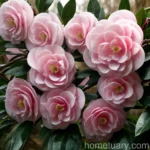
Camellia japonica ‘April Rose’, a member of the Theaceae family, is a flowering evergreen shrub known for its striking rose-like blossoms and lustrous foliage. Originating from Japan, this cultivar is a popular choice for gardens, landscapes, and even container cultivation due to its exceptional ornamental value. The ‘April Rose’ variety is treasured for its vigorous growth habit, cold hardiness, and its adaptability to various environmental conditions, making it an attractive option for both experienced and novice gardeners. With proper care, this camellia cultivar can flourish and produce an abundance of charming flowers, enhancing the visual appeal of any outdoor space.
Key Takeaways
Before delving deeply into the cultivation and care of Camellia japonica ‘April Rose’, let’s briefly outline the key elements that will be covered in this comprehensive guide:
- Cultural Requirements: Understanding the ideal environmental conditions and cultural practices for promoting the growth and development of Camellia japonica ‘April Rose’.
- Uses: Exploring the versatile applications of this cultivar in landscaping, gardens, and container gardening.
- Watering: Sufficiently meeting the watering needs to ensure the health and vitality of the ‘April Rose’ camellia.
- Sunlight: Identifying the optimal sunlight exposure that fosters robust growth and abundant flowering.
- Fertilizer: Implementing appropriate fertilization to provide essential nutrients for the camellia’s overall well-being.
- Soil: Selecting and preparing suitable soil types to establish a conducive growing medium for ‘April Rose’ camellias.
- Pruning: Implementing precise pruning techniques to enhance the form, promote flowering, and maintain the health of the plants.
- Propagation: Exploring successful propagation methods for propagating ‘April Rose’ camellias to expand their presence in the garden.
- Container Cultivation: Delving into the considerations and techniques involved in growing this cultivar in containers.
- Popularity: Recognizing the widespread admiration and popularity of Camellia japonica ‘April Rose’ among gardening enthusiasts and landscapers.
- Common Diseases: Identifying prevalent diseases that may afflict the camellia and implementing appropriate measures for control and prevention.
- Common Pests: Understanding the common pests that pose potential threats to the ‘April Rose’ camellia and implementing effective pest management strategies.
- Botanist’s Tips: Gaining insights and valuable tips from botanists and horticulturists for successfully cultivating and caring for this esteemed camellia variety.
- Fun Facts: Discovering intriguing and captivating details about Camellia japonica ‘April Rose’ that enrich the appreciation for this treasured ornamental shrub.
With these key takeaways in mind, let’s embark on an insightful journey into the world of Camellia japonica ‘April Rose’, exploring the nuances of its cultivation and the nuances of its care.
Culture
Uses
Camellia japonica ‘April Rose’ holds a prominent place in horticulture due to its versatility and multitude of uses. This esteemed cultivar serves various purposes, ranging from ornamental display in gardens and landscapes to its suitability for container cultivation. Let’s delve into its diverse uses:
– Garden Ornament: ‘April Rose’ camellias are widely sought after for their enchanting blooms, which elevate the aesthetic appeal of gardens. They serve as captivating focal points in border plantings while also harmonizing with other plants in mixed borders.
– Landscaping Accent: In landscape design, the ‘April Rose’ camellia adds elegance and visual interest, whether as a standalone specimen or when incorporated into shrub borders and foundation plantings. Its evergreen foliage lends year-round appeal to landscaped areas.
– Container Gardening: The compact growth habit and ornamental value of ‘April Rose’ camellias make them well-suited for container cultivation. They thrive in containers on patios, balconies, and terraces, allowing individuals with limited garden space to enjoy their splendid blooms.
The versatility of Camellia japonica ‘April Rose’ makes it a valuable asset in diverse horticultural settings, enhancing the beauty and charm of any space it graces.
Water
Proper watering is essential for the health and vitality of Camellia japonica ‘April Rose’. As an ornamental shrub, it’s important to maintain consistent moisture levels in the soil without allowing waterlogging, especially during the active growing season and the flowering period. To meet the watering needs of this cultivar:
– Regular Inspection: Monitor the moisture levels in the soil by inspecting the top few inches. This helps in gauging the need for watering, ensuring that the soil remains adequately moist but not waterlogged.
– Deep Watering: When watering, ensure that the soil is thoroughly moistened, allowing the water to penetrate deeply to encourage the development of a robust root system.
– Avoid Water Stagnation: Prevent water stagnation by ensuring proper drainage in the planting area or containers. Excessive standing water around the roots can lead to root rot and other detrimental conditions.
By adhering to appropriate watering practices, gardeners can effectively sustain the vigor and blooming potential of the ‘April Rose’ camellia, resulting in a breathtaking floral display.
Sunlight
The sunlight requirements of Camellia japonica ‘April Rose’ play a crucial role in determining the quality and quantity of blooms produced. Understanding the optimal sunlight exposure for this cultivar is integral to ensuring its healthy growth and profuse flowering:
– Partial Shade: ‘April Rose’ camellias thrive in partial shade, where they receive filtered sunlight or dappled shade throughout the day. This protects their delicate blooms from the intense midday sun while providing adequate light for photosynthesis and growth.
– Protection from Harsh Sun: It is advisable to shield ‘April Rose’ camellias from direct exposure to harsh sunlight, particularly during the hottest parts of the day. This helps in preserving the quality of the flowers and preventing sunscald on the foliage.
The balanced sunlight exposure safeguards the aesthetic appeal and overall well-being of Camellia japonica ‘April Rose’, promoting the development of healthy foliage and bountiful blooms.
Fertilizer
Applying appropriate fertilizers is essential for nurturing the growth, flowering, and overall vitality of Camellia japonica ‘April Rose’. Choosing the right formulations and implementing a well-planned fertilization schedule can significantly enhance the performance of this esteemed cultivar:
– Acidic Fertilizer: Camellia japonica ‘April Rose’ thrives in acidic soil conditions. Therefore, it is recommended to use an acidic or azalea-specific fertilizer to cater to its specific nutrient requirements.
– Balanced Formulation: Select a balanced fertilizer with a formulation such as 10-10-10 or 12-4-8, ensuring that it contains essential nutrients including nitrogen, phosphorus, and potassium, along with micronutrients.
– Spring Fertilization: Apply a slow-release or granular fertilizer formulated for acid-loving plants in early spring, just before the onset of new growth. This aids in fueling the growth and development of the camellia as it prepares to bloom.
By providing the necessary nutrients through appropriate fertilization, gardeners can fortify the ‘April Rose’ camellia, promoting robust growth, vibrant foliage, and a profusion of captivating blooms.
Soil
Selecting the right soil and ensuring favorable soil conditions are paramount for the successful cultivation of Camellia japonica ‘April Rose’. As an acid-loving plant, this cultivar thrives in specific soil types that provide the necessary environment for robust growth and prolific blooming:
– Acidic Soil pH: ‘April Rose’ camellias prefer acidic soil with a pH range of approximately 5.0 to 6.5. Lowering the soil pH creates a conducive environment for the uptake of essential nutrients essential for the camellia’s growth and flowering.
– Well-Draining Soil: Ensure that the soil has good drainage to prevent waterlogging, which can lead to root rot and other adverse conditions. Amending heavy or compacted soil with organic matter, such as peat moss or compost, aids in improving drainage and soil structure.
– Moisture Retention: While the soil should provide effective drainage, it should also possess the capacity to retain moisture to meet the watering needs of the camellia. The addition of organic matter enhances the water retention capacity of the soil, ensuring that the roots receive consistent moisture.
Creating and maintaining these conducive soil conditions is pivotal for cultivating thriving Camellia japonica ‘April Rose’, fostering its resilience and promoting abundant, healthy blossoms.
Pruning
Pruning is a fundamental horticultural practice that plays a pivotal role in managing the growth, form, and flowering potential of Camellia japonica ‘April Rose’. By employing precise pruning techniques, gardeners can sculpt and maintain the aesthetics of the camellia while stimulating prolific blooming and preserving its overall health:
– Post-Flowering Pruning: After the flowering season, undertake selective pruning to remove spent blossoms and any dead or damaged branches. This promotes a tidy appearance and encourages the redirection of the plant’s energy towards new growth and future flowering.
– Thinning Branches: Periodically thin out crowded or crossing branches to enhance air circulation and light penetration within the canopy. This aids in reducing the risk of disease and enhances the overall health of the plant.
– Shaping and Size Control: Employ strategic pruning to shape the growth of ‘April Rose’ camellias, maintaining their desired form and size. This can be particularly beneficial when cultivating camellias in containers or when incorporating them into formal landscape designs.
Through the application of prudent pruning practices, gardeners can ensure the vigor, visual appeal, and bountiful flowering of Camellia japonica ‘April Rose’, fostering the plant’s long-term health and beauty.
Propagation
The propagation of Camellia japonica ‘April Rose’ offers the enthusiastic gardener the opportunity to expand their collection, share the fascination for this cultivar, and perpetuate its presence in various garden settings. Several effective propagation methods can be deployed to successfully cultivate new ‘April Rose’ camellias:
– Semi-Hardwood Cuttings: Utilize semi-hardwood cuttings taken from the current season’s growth by selecting healthy, non-flowering shoots. Prepare the cuttings by removing leaves from the lower portion, apply a rooting hormone, and then plant them in a well-draining potting mix.
– Air Layering: This technique involves creating a wound or incision on a healthy, lower branch of the camellia, applying rooting hormone to the exposed area, and wrapping it with a moist, rooting medium. After the development of roots at the incision site, the new plant can be carefully separated and transplanted.
– Grafting: Employ grafting methods such as cleft grafting or whip-and-tongue grafting to propagate ‘April Rose’ camellias onto suitable rootstocks, ensuring compatibility and successful union between the scion and rootstock.
By exploring and implementing these propagation techniques, gardeners can propagate and share the allure of Camellia japonica ‘April Rose’, contributing to its continued presence and admiration in diverse garden landscapes.
Container Cultivation
Growing Camellia japonica ‘April Rose’ in containers presents a convenient and captivating way to showcase this esteemed cultivar, particularly in situations where space is limited or when portability and versatility are desired. To ensure successful container cultivation of ‘April Rose’ camellias, consider the following essential factors:
– Selecting the Right Container: Choose a spacious, well-draining container with adequate drainage holes to prevent waterlogging. This allows the roots to thrive and facilitates the overall health of the camellia.
– Appropriate Potting Mix: Utilize a high-quality potting mix designed for acid-loving plants, ensuring that it possesses good drainage properties while retaining moisture effectively. A mix consisting of peat moss, pine bark, and perlite is well-suited for ‘April Rose’ camellias.
– Regular Watering: Maintain consistent moisture levels in the potting mix by watering the container-grown camellia as per its specific needs, ensuring that the soil does not dry out completely.
– Sunlight Exposure: Position the container in a location that offers partial shade, shielded from the intense midday sun, while allowing the camellia to receive filtered sunlight for healthy growth and flowering.
Cultivating Camellia japonica ‘April Rose’ in containers enables individuals to appreciate its captivating blooms and lush foliage in a variety of settings, adding finesse and enchantment to any outdoor space.
Popularity
The enchanting allure and adaptability of Camellia japonica ‘April Rose’ have elevated its popularity, endearing it to discerning gardeners, landscape designers, and plant enthusiasts. The esteem in which this cultivar is held is evident through its widespread appeal and admiration, making it a sought-after addition to diverse horticultural settings:
– Garden Centers and Nurseries: ‘April Rose’ camellias are often showcased prominently at garden centers and nurseries, attracting the attention of visitors with their captivating blossoms and glossy foliage.
– Landscaped Gardens: In professionally designed landscapes and prestigious gardens, ‘April Rose’ camellias are frequently featured as highlights, accentuating the beauty and elegance of the outdoor spaces.
– Private Gardens and Estates: Gardeners and homeowners value the ‘April Rose’ camellia for its captivating blooms and its capacity to enrich their private gardens, serving as a perennial fascination and delight.
– Public Gardens and Parks: Public gardens and parks often incorporate ‘April Rose’ camellias into their curated displays, enrapturing visitors with the charm and grace of this esteemed cultivar.
The widespread popularity of Camellia japonica ‘April Rose’ underscores its allure and significance in the realm of ornamental plants, ensuring its continued admiration and appreciation by horticultural enthusiasts and the public alike.
Common Diseases
Disease Diagnosis
While Camellia japonica ‘April Rose’ is known for its resilience, it is susceptible to certain diseases that can impact its health and vigor. Identifying and understanding these common diseases is crucial for implementing effective control measures and safeguarding the well-being of the camellia:
– Phytophthora Root Rot: The presence of Phytophthora in the soil can lead to root rot, causing wilting, yellowing of leaves, and overall decline in the plant’s health. This can be diagnosed by inspecting the roots for rot and observing the symptoms manifested in the foliage.
– Camellia Flower Blight: Flower blight is characterized by the browning and wilting of camellia blossoms, often caused by the Ciborinia camelliae fungus. The affected flowers become unsightly and eventually drop, impacting the overall floral display.
– Leaf Spot Diseases: Various fungal pathogens can cause leaf spot diseases, resulting in the formation of spots or lesions on the foliage. This can lead to defoliation and reduced photosynthetic capacity, affecting the overall health of the camellia.
By accurately diagnosing these diseases and promptly instituting appropriate management strategies, gardeners can protect the robustness and visual allure of Camellia japonica ‘April Rose’, ensuring its continued splendor in garden landscapes.
Common Pests
Pest Control
In addition to diseases, Camellia japonica ‘April Rose’ may also be susceptible to attacks by common pests, necessitating vigilant monitoring and proactive measures to ensure the camellia’s well-being:
– Aphids: These small, sap-sucking insects can infest ‘April Rose’ camellias, causing distortion of new growth and the development of honeydew on foliage. They can be controlled through methods such as insecticidal soaps or horticultural oils.
– Scale Insects: Scale insects attach themselves to the stems and foliage of the camellia, draining sap and causing yellowing of leaves. Controlling scale often involves the application of horticultural oils or insecticidal sprays to target the vulnerable life stages.
– Spider Mites: These arachnids can cause stippling and discoloration on the foliage of ‘April Rose’ camellias, impairing their aesthetic appeal and vigor. Effective control involves ensuring proper moisture levels and utilizing miticides if necessary.
By remaining vigilant and implementing integrated pest management practices, gardeners can effectively mitigate pest infestations, preserving the health and beauty of Camellia japonica ‘April Rose’ in gardens and landscapes.
Botanist’s Tips
Cultivation Insights
To cultivate and care for Camellia japonica ‘April Rose’ successfully, it is valuable to glean insights and practical tips from experienced botanists and horticulturists. These experts offer expertise and guidance based on their extensive knowledge and firsthand experiences with this captivating camellia cultivar:
– Seasonal Maintenance: Maintain a regular schedule for seasonal maintenance tasks, such as mulching, fertilization, and pruning, to nurture the ‘April Rose’ camellia’s health and floral abundance.
– Protection from Adverse Weather: Shield the camellia from extreme weather conditions, such as frost or strong winds, to prevent damage to the delicate foliage and flowers.
– Soil pH Monitoring: Regularly monitor the soil pH and utilize amendments such as elemental sulfur or acidic fertilizers to maintain the optimal acidic conditions required by Camellia japonica ‘April Rose’.
– Integrated Pest Management: Implement an integrated approach to pest management, incorporating natural predators, proper cultural practices, and targeted treatments to address pest issues without causing harm to beneficial organisms.
– Celebrating Diversity: Embrace the diversity of Camellia japonica ‘April Rose’ and experiment with its inclusion in various garden styles, from traditional to contemporary, harnessing its adaptability and ornamental value.
By heeding the guidance and recommendations of botanists and experts, gardeners can elevate their understanding and appreciation of Camellia japonica ‘April Rose’, fostering its thriving presence and visual allure.
Fun Facts
Discovering intriguing and captivating details about Camellia japonica ‘April Rose’ enriches the fascination and appreciation for this esteemed ornamental shrub, shedding light on its remarkable attributes and cultural significance:
– Cultural Symbolism: In Japanese culture, camellias are traditionally associated with longevity, admiration, and gratitude, often featured in art, literature, and ceremonial practices.
– Historical Significance: Camellia japonica has a rich history, with cultivars originating from Japan, China, and other East Asian regions, captivating enthusiasts for centuries with their exquisite flowers.
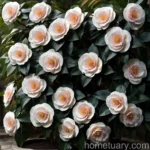
– Floral Diversity: The ‘April Rose’ cultivar showcases a delightful diversity of flower colors, ranging from soft pinks to rich rosy hues, adding warmth and charm to gardens and landscapes